
Top-Rated Home Improvement Contractors Directory
Summary:
You’ve got a project. Maybe it’s a roof that’s seen better days, gutters overflowing every time it rains, or siding that’s starting to rot. You know you need help, but finding a contractor you can actually trust? That’s where it gets complicated.
The truth is, not all contractors are created equal. Some are licensed and insured. Some aren’t. Some will show up when they say they will. Others won’t. And in New Jersey, where contractor complaints top the list year after year with the Division of Consumer Affairs, doing your homework isn’t optional—it’s essential.
This directory is designed to help you cut through the noise, verify credentials, and find qualified professionals across multiple specialties in Union County. Let’s start with what really matters when you’re evaluating your options.
Top-Rated Contractors Near Me in Union County
When you search for contractors near you, what you’re really looking for is someone local who understands the area, shows up on time, and does what they say they’ll do. That’s not asking for much, but it’s surprisingly hard to find.
Union County—from Elizabeth and Plainfield to Edison, Woodbridge, and New Brunswick—has no shortage of contractors offering exterior work. Roofing contractors, siding specialists, gutter installation pros, general contractors. The challenge isn’t finding names. It’s finding the right name. Someone who’s licensed, insured, and has a track record you can verify.
Most homeowners start their search online now, and for good reason. You can check reviews, verify licenses with the state, and compare credentials before you ever pick up the phone. But you still need to know what you’re looking at. A five-star review means nothing if the contractor isn’t registered with New Jersey or doesn’t carry the insurance the state requires. That’s where this directory helps—by walking you through what actually matters when you’re trying to separate the professionals from the pretenders.

Licensed Contractors: What It Actually Means in New Jersey
Here’s where it gets confusing. New Jersey doesn’t issue a traditional “contractor license” the way some states do. Instead, the state requires home improvement contractors to register with the Division of Consumer Affairs if they’re doing any residential work. It’s a registration process, not a licensing exam—but it’s still legally required, and contractors who skip it can’t legally pull permits or advertise their services.
To register, contractors need to prove they carry at least $500,000 in liability insurance, provide a Federal Employer Identification Number, and submit documentation based on their business structure. They also need to post a surety bond that varies depending on the size of contracts they take on. For bigger jobs—anything over $120,000 or annual totals exceeding $750,000—that bond jumps to $50,000.
If a contractor offers you financing or payment plans longer than 90 days, they also need a separate license from the New Jersey Department of Banking and Insurance. And as of early 2024, new regulations went into effect requiring contractors to carry workers’ compensation insurance and meet stricter bonding requirements. Some contractors are grandfathered in, but new applicants will eventually need to pass exams and show proof of apprenticeships or trade school.
What does this mean for you? It means you should always verify registration before you sign anything. The Division of Consumer Affairs has an online lookup tool where you can search by business name. If a contractor isn’t registered, they’re not operating legally—and you’re the one who could end up paying for it if something goes wrong.
Unlicensed contractors can’t get construction permits. That means no inspections, no oversight, and no assurance the work meets local building codes. If you ever try to sell your home, unpermitted work can kill a deal or force you to pay for expensive corrections. Worse, if someone gets hurt on your property and the contractor doesn’t have proper insurance, you could be held liable.
Bottom line: don’t skip this step. A contractor who’s properly registered isn’t just following the law—they’re showing you they’re serious about their business and accountable to the state.
How to Verify Contractor Credentials Before You Hire
Verification isn’t complicated, but most homeowners skip it. They get a referral from a neighbor, meet with the contractor, like what they hear, and sign a contract. Then halfway through the job, they realize the contractor isn’t licensed, doesn’t carry insurance, or isn’t pulling permits. By then, it’s too late.
Start with the New Jersey Division of Consumer Affairs. Their website has a searchable database where you can look up any registered home improvement contractor by business name. If the contractor you’re considering isn’t in that database, stop. Don’t hire them. It doesn’t matter how nice they are or how good their price sounds—they’re operating illegally, and you’re taking on all the risk.
Next, ask for proof of insurance. Every contractor should be able to provide a current certificate of liability insurance showing at least $500,000 in coverage. If they hesitate or say they’ll get it to you later, walk away. Legitimate contractors have this documentation ready to go because they know you’re going to ask for it.
Check their bond status too. Depending on the size of your project, contractors are required to carry surety bonds that protect you if they don’t finish the work or violate the terms of your contract. You can ask to see proof of bonding, and if the contractor can’t produce it, that’s a red flag.
Don’t forget about reviews, but be smart about how you read them. A handful of glowing five-star reviews doesn’t mean much if they’re all from the same month or if the contractor has no online presence beyond that. Look for consistent feedback over time, across multiple platforms—Google, Better Business Bureau, Yelp, local directories. Pay attention to how the contractor responds to negative reviews. Do they ignore complaints, or do they address them professionally?
Finally, interview at least three contractors before you make a decision. Ask about their experience with projects like yours. Request references from recent jobs—not just their three best customers from five years ago, but actual recent work you can verify. A good contractor will be proud to show you what they’ve done and connect you with past clients.
Verification takes time, but it’s the difference between hiring someone who’ll protect your investment and hiring someone who’ll leave you with a half-finished mess and a legal headache.
Want live answers?
Connect with a USA Home Remodeling LLC expert for fast, friendly support.
Contractor Specialties: Roofing, Gutters, Siding, and General Contracting
Not every contractor does every type of work, and that’s actually a good thing. You don’t want a general handyman replacing your roof any more than you’d want a roofer rewiring your electrical panel. Specialization matters.
In Union County, most exterior work falls into a few main categories: roofing, gutters, siding, and general contracting. Each has its own set of considerations, and understanding what you actually need will help you find the right professional faster. Roofing contractors handle everything from minor leak repairs to full roof replacements. Gutter contractors deal with installation, repair, and protection systems that keep water away from your foundation. Siding specialists manage the exterior envelope of your home. And general contractors coordinate multi-trade projects when you’re tackling a full exterior renovation.
Knowing which specialty you need—and what credentials matter for that trade—makes all the difference when you’re comparing bids and trying to figure out who’s actually qualified.
What to Look for in Roofing, Gutter, and Siding Contractors
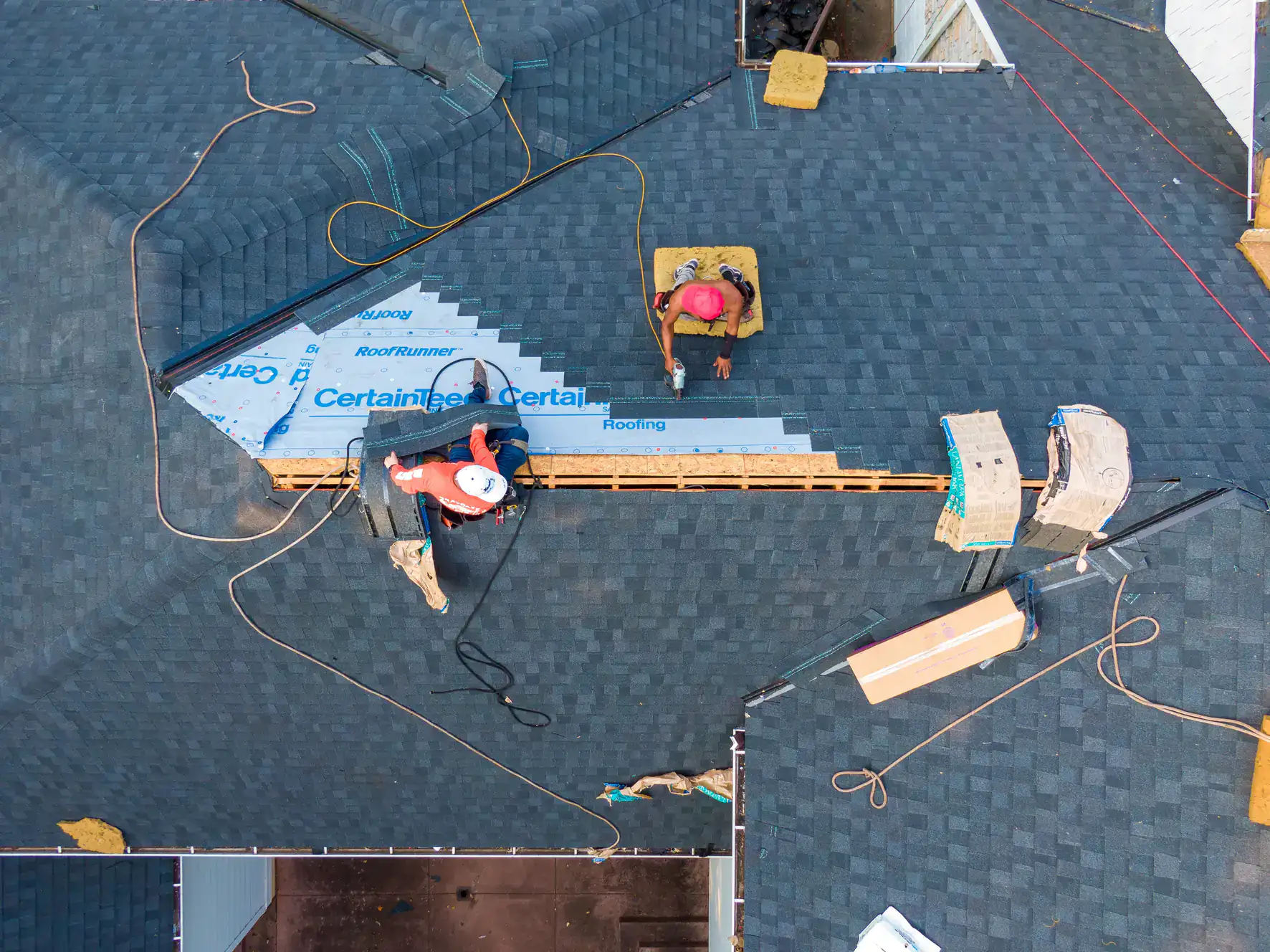
Roofing is one of those jobs where experience and credentials really matter. A poorly installed roof doesn’t just leak—it can cause structural damage, mold, and thousands of dollars in repairs. When you’re evaluating roofing contractors in Union County, ask how long they’ve been in business and whether they carry manufacturer certifications. Ask about the materials they use and whether they offer warranties on both the products and the labor.
A good roofing contractor will also offer free inspections and estimates. They’ll get up on your roof, assess the condition, and give you an honest assessment of what needs to be done. They won’t try to sell you a full replacement if a repair will do, and they won’t pressure you into making a decision on the spot. If your contractor is installing shingles, they should have manufacturer certifications from the brands they work with—GAF, CertainTeed, Owens Corning, whoever. Those certifications aren’t just for show. They mean the contractor has been trained on proper installation techniques, and they’re required if you want your manufacturer’s warranty to stay valid. A roof installed by an uncertified contractor might void your warranty, which means you’re on your own if something goes wrong.
Gutter contractors often overlap with roofing contractors, but not always. Gutters are one of those systems that people ignore until they cause a problem—and by then, the problem is usually big. Clogged gutters can lead to foundation damage, basement flooding, and rotted fascia boards. If you’re dealing with constant overflow, sagging gutters, or water pooling around your foundation, you need a contractor who specializes in gutter installation and repair.
Look for contractors who use quality materials—heavy-gauge aluminum, seamless construction, proper hangers and fasteners. Cheap gutters sag and fail within a few years. Quality gutters, installed correctly, can last decades. Some contractors also offer gutter guards or leaf protection systems, which can save you from having to clean your gutters twice a year. Just make sure the system they’re recommending actually works and comes with a solid warranty.
Siding contractors handle the exterior skin of your home, which means they’re dealing with insulation, moisture barriers, and aesthetics all at once. Vinyl siding is common in New Jersey because it’s low-maintenance and holds up well in the weather, but you’ll also see fiber cement, wood, and metal siding depending on the home. A good siding contractor will assess your current siding, identify any moisture or structural issues, and recommend the best material for your home and budget.
Don’t hire a siding contractor who just slaps new siding over rotted wood or doesn’t address underlying moisture problems. That’s a temporary fix that’ll cost you more in the long run. The right contractor will strip everything down, fix the framing if needed, install proper moisture barriers, and then install the siding with attention to detail around windows, doors, and corners.
General contractors are the people you call when your project involves multiple trades or you’re not sure exactly what needs to be done. They coordinate the work, pull permits, hire subcontractors, and manage the timeline. If you’re doing a whole-house exterior renovation—new roof, new siding, new gutters—you might want a general contractor who can oversee the entire project instead of trying to coordinate three different specialists yourself.
Questions to Ask Before You Sign a Contract
Before you sign anything, make sure you’re asking the right questions. Start with the basics: Are you registered with the New Jersey Division of Consumer Affairs? Do you carry liability insurance and workers’ compensation? Can I see your certificate of insurance? Will you be pulling permits for this work?
If the contractor hesitates on any of those, stop. Those aren’t trick questions—they’re the bare minimum requirements for operating legally in New Jersey.
Next, ask about the timeline. When can you start? How long will the project take? What happens if there are delays due to weather or material shortages? A good contractor will give you realistic timelines and explain how they handle unexpected issues. Be wary of contractors who promise to start tomorrow or finish in half the time everyone else quoted. That’s usually a sign they’re either overbooked, understaffed, or not being honest about what the job actually involves.
Ask about materials. What brands do you use? Are they manufacturer-certified products? Do they come with warranties, and if so, who handles warranty claims—you or me? Some contractors use cheaper materials to keep their bids low, but those savings disappear when you’re replacing everything again in five years.
Get everything in writing. New Jersey law requires home improvement contracts to include a detailed description of the work, the materials being used, start and end dates, total cost, payment schedule, and warranty information. The contract should also include the contractor’s registration number, proof of insurance, and a notice of your right to cancel within three business days. If a contractor hands you a contract that doesn’t include all of that, don’t sign it. It’s not just bad practice—it’s illegal.
Ask about payment terms. You should never pay the full amount upfront. A reasonable deposit is typically 10-25% to cover materials and secure your spot on the schedule. The rest should be paid in installments based on progress, with the final payment due only after the work is complete and you’ve inspected it. Be very cautious of contractors who want half or more upfront, especially if they’re pressuring you to pay in cash.
Finally, ask for references and actually call them. Ask those past customers if the contractor showed up on time, stayed on budget, communicated well, and cleaned up after themselves. Ask if there were any surprises or issues, and how the contractor handled them. You’ll learn more from a five-minute phone call with a past customer than you will from an hour-long sales pitch.
Finding the Right Contractor Starts With Knowing What to Look For
Hiring a contractor doesn’t have to be a gamble. When you know what questions to ask, what credentials to verify, and what red flags to watch for, you can make a confident decision based on facts instead of hope.
The three things that matter most: registration with the state, proof of insurance, and a verifiable track record. Everything else—price, timeline, personality—comes after you’ve confirmed those basics. Start with the Division of Consumer Affairs database. Verify registration. Ask for insurance certificates. Check reviews across multiple platforms. Interview at least three contractors, compare their approaches, and choose someone who communicates clearly and treats your project with the seriousness it deserves.
Your home is likely your biggest investment, and the work you do on it should protect that investment, not put it at risk. The right contractor will understand that. They’ll be licensed, insured, transparent about costs, and willing to put everything in writing. They’ll show up when they say they will, do quality work, and stand behind it when they’re done.
If you’re in Union County and need help with roofing, gutters, siding, or other exterior work, we’ve been serving local homeowners for over a decade with transparent pricing, manufacturer certifications, and a 5.0-star Google rating. Reach out for a free estimate and see the difference that experience and accountability make.