
Tin Roofing vs Modern Metal: Comparison
Summary:
You’ve probably heard someone mention a “tin roof” and pictured that classic metal look. Maybe you’re even shopping for one right now. Here’s what most people don’t know: actual tin roofing hasn’t been installed on American homes in over a century. The material disappeared from the roofing industry around the 1920s, replaced by stronger, more durable metals that do the job better.
So what’s everyone actually talking about when they say “tin roof”? And more importantly, what should you be looking at for your Union County, NJ home? This comparison breaks down the real story behind tin roofing, what modern metal options actually deliver, and how to choose a material that protects your home for decades without the confusion.
What Happened to Actual Tin Roofing
True tin roofing was made from thin steel sheets coated with a layer of tin for corrosion resistance. It gained popularity in the mid-1800s and stayed relevant through the early 1900s because it was lightweight and relatively rust-resistant compared to bare iron. But it had problems.
Tin required constant maintenance. The coating would wear down, exposing the steel underneath to moisture and rust. Homeowners had to repaint regularly just to keep the roof from deteriorating. By the 1920s, better options emerged—galvanized steel with zinc coatings proved more durable and cost-effective. Aluminum entered the market shortly after. Within a few decades, tin became obsolete.
Today, when someone says “tin roof,” they’re using old terminology that stuck around. What they actually mean is modern metal roofing made from steel, aluminum, zinc, or copper. These materials outlast tin by decades and require far less upkeep.
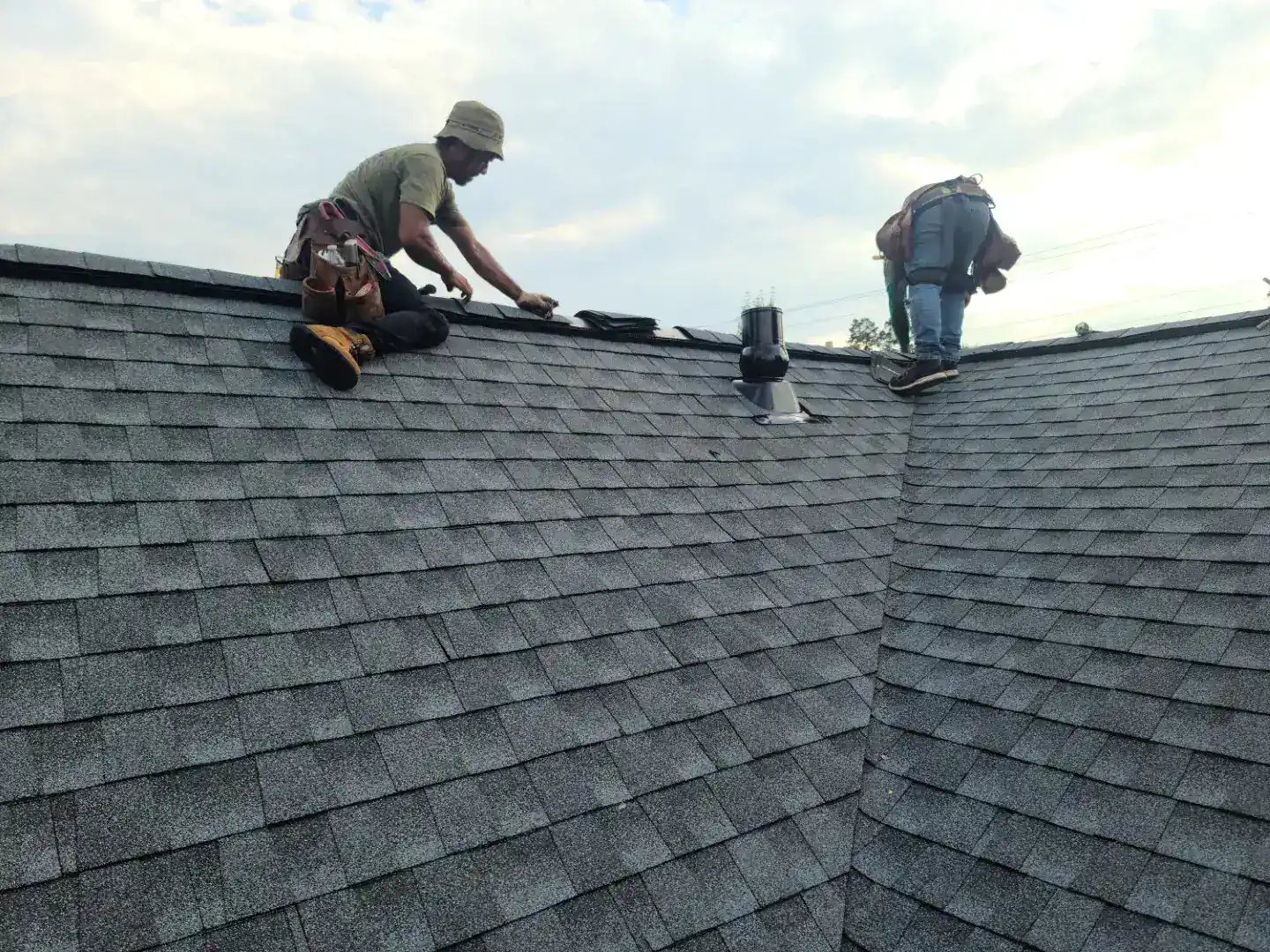
Why the Term "Tin Roof" Still Exists
Language moves slower than technology. Even though tin disappeared from roofing nearly 100 years ago, the phrase “tin roof” stayed in everyday conversation. Part of it is nostalgia—people remember the sound of rain on old barn roofs or the look of weathered metal on historic buildings. Part of it is just habit.
The term also carries a certain charm. “Tin roof” sounds simpler and more approachable than “standing seam galvanized steel roofing system.” For many homeowners, especially in areas with older homes like Union County, NJ, it’s the phrase they grew up hearing. So contractors and manufacturers still use it, even though the material itself is long gone.
This creates confusion during the buying process. You might think you’re comparing tin to other metals, when really you’re comparing different types of modern metal roofing that all get lumped under that old “tin” label. Understanding this distinction matters because it changes how you evaluate your options.
When you see “tin roofing” in marketing materials or hear it from a contractor, ask what they actually mean. Are they talking about galvanized steel? Aluminum? A specific profile or coating? Getting past the terminology helps you focus on what really matters: durability, cost, maintenance, and how the material performs in Northeast weather conditions.
How Modern Metal Roofing Replaced Tin
The shift away from tin happened because roofing technology improved. Galvanized steel—steel coated with zinc instead of tin—offered better corrosion resistance and lasted longer. The zinc coating bonded more effectively to the steel and held up better against weather. It also cost less to produce, making it accessible to more homeowners.
Aluminum entered the residential roofing market in the mid-20th century. It’s naturally resistant to rust, lighter than steel, and works well in coastal areas where salt air accelerates corrosion. Aluminum doesn’t require the same level of protective coating as steel, which means less maintenance over time.
Then came advanced coating systems. Galvalume, a combination of aluminum and zinc, provides even stronger protection than traditional galvanized steel. Paint systems evolved too—modern PVDF coatings resist fading and chalking far better than anything available during tin’s era. These improvements mean today’s metal roofs can last 40 to 70 years with minimal maintenance.
Premium metals like copper and zinc also became more accessible for residential use. Copper roofs can last over 100 years and develop a protective green patina that actually enhances durability. Zinc offers similar longevity with a self-healing surface that repairs minor scratches over time. These materials were always superior to tin, but manufacturing advances made them practical options for more than just commercial or high-end projects.
The result is a metal roofing market that offers better performance across the board. Whether you choose painted steel, aluminum, or a premium option like copper, you’re getting a material that outperforms historical tin in every measurable way—lifespan, weather resistance, energy efficiency, and maintenance requirements.
Want live answers?
Connect with a USA Home Remodeling LLC expert for fast, friendly support.
Copper Metal Roof: Premium Performance and Longevity
Copper sits at the top of the metal roofing hierarchy for good reason. It’s one of the longest-lasting roofing materials available, with properly installed copper roofs lasting 50 to over 100 years. Some copper roofs installed in the 1700s are still functioning today. That kind of longevity means you install it once and never think about roof replacement again.
The material develops a natural green patina over time as it oxidizes. This isn’t damage—it’s a protective layer that shields the copper from further corrosion. The patina forms faster in humid climates, sometimes within 10-15 years. In drier conditions, it can take 20-30 years to fully develop. Some homeowners love the aged look; others prefer the shiny copper appearance and apply sealants to slow the patina process.
Copper is also extremely durable against weather. It resists fire, won’t crack or split, handles temperature swings without degrading, and stands up to hail better than most materials. It’s fully recyclable at the end of its lifespan, making it an environmentally responsible choice. The main drawback is cost—copper typically runs $15 to $40 per square foot installed, making it one of the most expensive roofing options available.
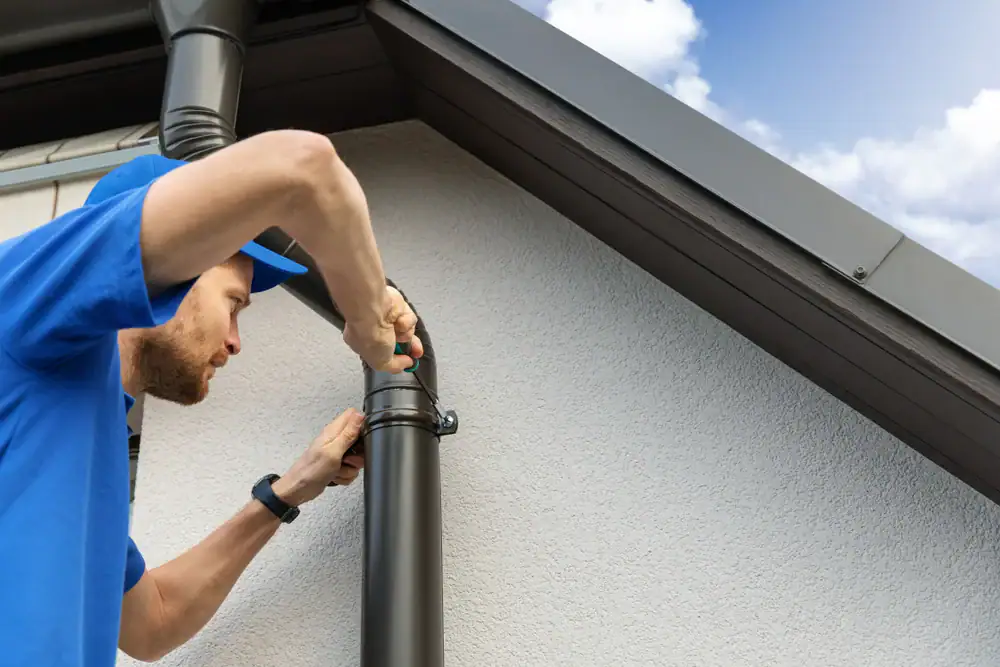
Zinc Roofers: What Makes Zinc Worth Considering
Zinc roofing offers similar longevity to copper at a slightly lower price point, typically ranging from $10 to $25 per square foot installed. Professional zinc roofers understand that this material requires specialized installation knowledge, but the payoff is a roof that can last 80 to 100 years with virtually no maintenance.
The standout feature of zinc is its self-healing capability. When the surface gets scratched or damaged, the natural patina that forms actually repairs the imperfection over time. This protective layer continuously renews itself throughout the roof’s lifespan, which is why zinc requires less upkeep than almost any other roofing material. You won’t need regular painting, sealing, or treatments—just occasional inspections and debris removal.
Zinc performs exceptionally well in all weather conditions, including the harsh winters and humid summers common in Union County, NJ. It’s fire-resistant, withstands heavy rain and snow without deteriorating, and handles temperature fluctuations without cracking or breaking. The natural expansion and contraction properties of zinc allow it to adapt to seasonal changes better than rigid materials.
Installation does come with specific requirements. Zinc must be installed when temperatures are above 60°F, and it needs to be handled by experienced zinc roofers who understand proper fastening techniques and thermal movement accommodation. Using incompatible metals or improper installation methods can lead to corrosion issues, so working with qualified contractors is essential.
The aesthetic appeal is another consideration. Zinc starts as a shiny dark gray and gradually develops a lighter gray or blue patina. The transformation happens unevenly across the roof surface, creating a natural, organic appearance that some homeowners find beautiful and others find inconsistent. In humid areas, the patina might develop within a few years; in drier climates, it could take up to 30 years.
For homeowners who value quality and plan to stay in their homes long-term, zinc offers an excellent balance of durability, low maintenance, and environmental sustainability. It’s 100% recyclable and requires less energy to produce than many other metals. While the upfront investment is substantial, the lifetime cost often proves lower than materials that need replacement every 15-20 years.
Tile Metal Roofing: Stone-Coated Steel Options
Stone-coated steel roofing bridges the gap between traditional aesthetics and modern metal performance. These tile metal roofing systems use a galvanized steel base shaped and stamped to replicate the look of clay tiles, wood shakes, or architectural shingles. Natural stone granules are embedded in the surface, creating texture and color that mimics traditional materials.
The manufacturing process starts with 26-gauge steel panels that receive a zinc-aluminum coating for corrosion resistance. An acrylic basecoat is applied, stone chips are embedded into the surface, and a protective acrylic glaze is baked on for maximum adhesion. The result is a roofing material that looks like clay tile or slate but weighs a fraction of the amount and lasts significantly longer.
Weight matters more than most homeowners realize. Traditional clay tiles weigh 600-900 pounds per square, requiring additional structural support that adds to installation costs. Stone-coated steel weighs 50-150 pounds per square—light enough to install over existing roofing in many cases and compatible with standard roof framing. This makes it practical for homes that couldn’t support the load of actual tile.
Performance-wise, tile metal roofing delivers on multiple fronts. It carries a Class A fire rating, the highest available. Wind resistance typically reaches 120 mph or higher. The interlocking panel design distributes loads effectively and prevents the edge lifting common with other materials. Impact resistance ratings often exceed what you’d get from asphalt or even some metal shingle systems.
The stone coating itself serves multiple purposes beyond appearance. It reduces noise during rain or hail—one of the common concerns about metal roofing. The granules absorb sound rather than amplifying it, bringing noise levels down to what you’d experience with traditional shingles. They also resist fading better than painted finishes, maintaining color vibrancy for decades.
Installation is faster than traditional tile but requires more skill than basic metal panels. The interlocking system needs precise alignment to maintain weather-tightness. Experienced contractors familiar with stone-coated systems can typically complete a residential roof in a few days, compared to a week or more for clay tile installation.
Cost falls between standard painted metal and premium materials like copper. Expect to pay $9 to $18 per square foot installed, depending on the profile and manufacturer. That’s more than basic steel but significantly less than authentic clay tile or copper, while delivering comparable or superior performance in most categories.
For Union County, NJ homeowners who want the look of traditional tile roofing without the weight, cost, or maintenance issues, stone-coated steel offers a practical solution. It works particularly well on historic homes where architectural guidelines favor traditional appearances but structural limitations or budget constraints make actual tile impractical.
Choosing the Right Metal Roofing for Your Home
The “tin roof” you’re considering is really a choice between modern metal options that each serve different needs. Standard steel offers durability and affordability. Aluminum works well in high-moisture environments. Copper and zinc provide premium longevity for homeowners planning to stay put for decades. Stone-coated steel delivers traditional aesthetics with modern performance.
Your decision comes down to budget, how long you plan to own the home, your climate, and what matters most to you—whether that’s upfront cost, long-term value, appearance, or minimal maintenance. There’s no universal “best” option, just the right fit for your situation.
If you’re ready to explore what makes sense for your Union County, NJ home, we can walk you through the options without the sales pressure. We’ve spent over a decade helping local homeowners navigate these decisions with transparent pricing and honest guidance. Sometimes the conversation starts with “tin roofing” and ends with a material you hadn’t considered—because what matters is finding what actually works for your home, your budget, and your timeline.