
Expert Siding Installation in Elizabeth, NJ
Stop Fixing Your Siding Every Few Years
- Siding installation built to handle Elizabeth, NJ’s changing weather all year.
- Helps protect your home from snow, storms, moisture, and temperature swings.
- Reduces the risk of water damage, drafts, and frequent exterior repairs.
- Improves energy efficiency by helping your home stay more comfortable in every season.
- Delivers long-term durability, curb appeal, and dependable protection year after year.
Licensed and Certified Contractors
Our crews hold proper contractor licenses and manufacturer certifications, ensuring your installation meets NJ building codes and warranty requirements.
Decade of Exterior Experience
Ten years serving Elizabeth, NJ homeowners means we've seen every challenge this climate throws at homes—and know how to handle it.
Transparent Pricing Upfront
You'll know exactly what you're paying before work starts. No hidden fees, no surprise charges, no pressure tactics during the estimate.
Free Estimates and Inspections
We'll assess your current siding condition, explain what needs attention, and provide a clear estimate—all without obligation or sales pressure.
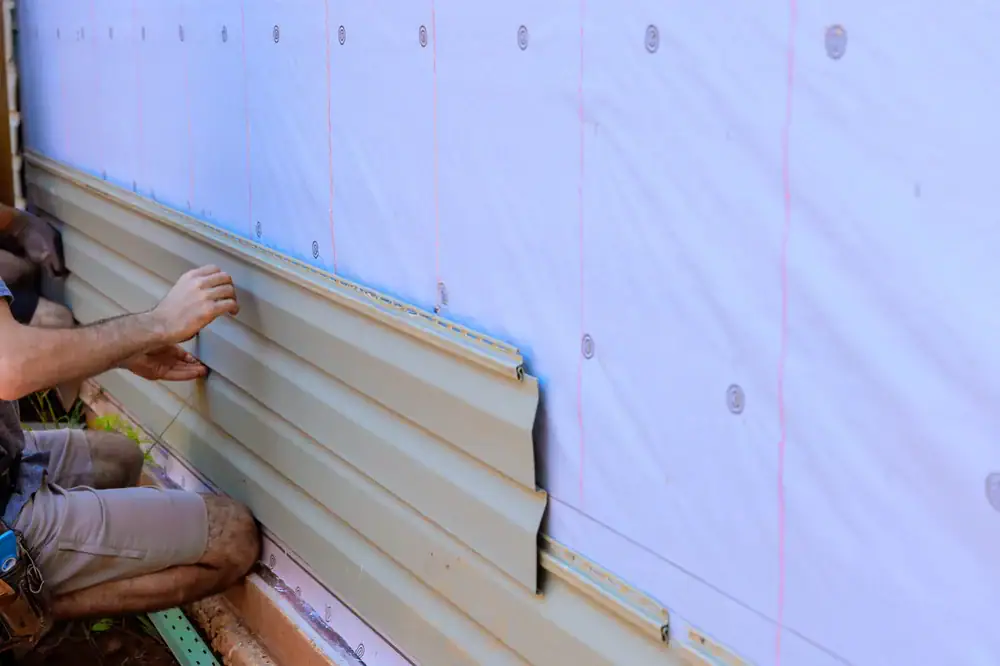
Professional Siding Services Elizabeth, NJ
Siding Built for New Jersey Weather
Your home faces temperature swings from 26°F winters to 86°F summers, plus heavy snow, coastal humidity, and seasonal storms. That’s why siding installation isn’t just about appearance, it’s about choosing materials and installation methods that stand up to what this climate actually delivers.
Working out of our home base in Elizabeth, NJ, we serve homeowners throughout Union County who need siding that protects their homes from moisture infiltration, reduces energy waste, and eliminates the constant maintenance cycle. Fading vinyl, cracking panels, or water damage behind failing siding, we’ll assess what’s actually happening and explain your options clearly.
Benefits of Quality Siding Installation
What Proper Installation Actually Gets You
You'll stop worrying about water damage every time Elizabeth, NJ gets hit with heavy rain or snow because proper flashing keeps moisture out.
Your heating and cooling bills drop by 10-20% when quality siding and insulation stop air leaks and temperature transfer through your walls.
You won't be repainting or repairing siding every three to five years—modern vinyl lasts 30-40 years without constant maintenance.
Your home's value increases with up to 80% return on investment, making your property more attractive when it's time to sell.
You'll have peace of mind knowing licensed contractors followed manufacturer guidelines and NJ building codes during every step of installation.
Your home stays protected from temperature extremes, heavy snow, summer humidity, and the seasonal weather changes that damage poorly installed siding.

Share project details
Call us or get a free online quote to help us identify your project needs.

We'll follow up
If you requested an online quote, you can expect a callback within 24-48 hours of your request.

The floor is yours
Connect with an expert and share all project specifics.

Plan your project
Like what you hear? We'll provide next steps and expert guidance.

Vinyl Siding Installation Elizabeth, NJ
Why Vinyl Works in This Climate
Vinyl siding remains the most popular choice for homeowners across the region because it handles the area’s weather demands without requiring constant upkeep. It doesn’t need repainting every few years like wood, it resists moisture better than many alternatives, and it comes in enough styles and colors to match any home’s look.
The key is proper installation. Vinyl expands and contracts with temperature changes, so nails need to be centered in slots with proper spacing. Panels need correct overlap to shed water. Flashing around windows and corners has to be installed right, or you’ll end up with water infiltration no matter how good the material is. That’s where experience matters, and it’s something homeowners in Edison, Woodbridge, and Plainfield rely on us for, along with the coastal communities of Matawan and Keyport where moisture management is especially unforgiving.
Quality vinyl siding typically lasts 30-40 years when installed correctly. You’re looking at $6,000-$12,000 for most average homes, which makes it one of the more affordable options that still delivers real protection. And because the color goes through the entire panel, minor scratches don’t show the way they would on painted materials.
Siding Replacement and Repair Services
What's Included in a Siding Project
Every siding installation starts with removing the old material so we can inspect what’s underneath. This step matters because covering up water damage, rot, or structural issues just postpones bigger problems. We check the sheathing, look for moisture damage, and replace any compromised wood before new siding goes up.
Next comes the weather-resistant barrier and flashing. This layer is what actually keeps water out of your walls, the siding itself isn’t watertight. We install proper flashing around every window, door, and corner, then add the barrier that sheds water down and away from your home’s structure.
Then the siding installation happens from bottom to top, with attention to proper nailing, spacing, and overlap. We make sure corners are sealed correctly, trim pieces fit tight, and every panel can expand and contract the way it’s designed to. The goal is an installation that looks clean and performs reliably for decades, not one that starts showing problems within a few years. That standard of work is what has driven steady growth in our siding business throughout Bergen County, where homeowners hold their contractors to a high bar.

Frequently Asked Questions
How long does siding installation take in Elizabeth, NJ?
Should I repair my siding or replace it completely?
What's the best siding material for Elizabeth, NJ's climate?
How much does siding installation cost in Elizabeth, NJ?
Do I need to remove my old siding before installing new siding?
Does new siding really improve energy efficiency?
Free Inspection and Estimate
We'll assess your current siding, check for hidden damage, and provide a clear estimate with no pressure to commit.
Material Selection and Planning
We'll discuss your options, explain what works best for your home and budget, and schedule the installation timeline.
Professional Installation
Our licensed crews remove old siding, address any underlying issues, and install your new siding following manufacturer specifications and building codes.
Cities We Provide Siding Installation In
No cities found for “”.