
Siding Installation in Vauxhall, NJ
Your Home Stays Protected Without the Maintenance Headaches
Hear from Our Customers
Vauxhall Siding Services That Last
You’re not replacing your siding because you want to. You’re doing it because the cracks are getting worse, your energy bills keep climbing, or your insurance company sent you a letter with a deadline. Maybe all three.
Good siding fixes all of that. It seals your home against wind-driven rain and temperature swings. It drops your heating and cooling costs by keeping conditioned air inside where it belongs. And it gets your insurance company off your back while adding 80 to 95 percent of the cost back to your home’s value when you sell.
That’s what happens when the job’s done right. You stop worrying about the next storm, the next bill, or the next contractor who ghosts you after taking a deposit. Your home looks clean, your exterior stays low-maintenance, and you’re not dealing with wood rot or peeling paint every few years.
Trusted Siding Contractor in Vauxhall
USA Home Remodeling has spent over 17 years working on homes across Union and Essex County. We’re licensed, certified by major manufacturers, and we show up when we say we will.
Vauxhall homeowners deal with the same weather patterns we do—nor’easters, summer storms, humidity that warps cheaper materials. We know what holds up here and what doesn’t. You’re not getting a sales pitch from someone two states over who disappears after the check clears.
We do free estimates and inspections because you shouldn’t pay to find out what’s wrong. If your insurance company is involved, we’ll walk you through the claim process and help you get the coverage you’re owed. No runaround, no pressure, just clear answers so you can make the right call for your home.

Our Siding Installation Process
First, we come out and inspect your current siding. We’re looking for damage, moisture issues, and anything that’ll affect the new installation. You get a written estimate with material options, timeline, and cost—no surprises later.
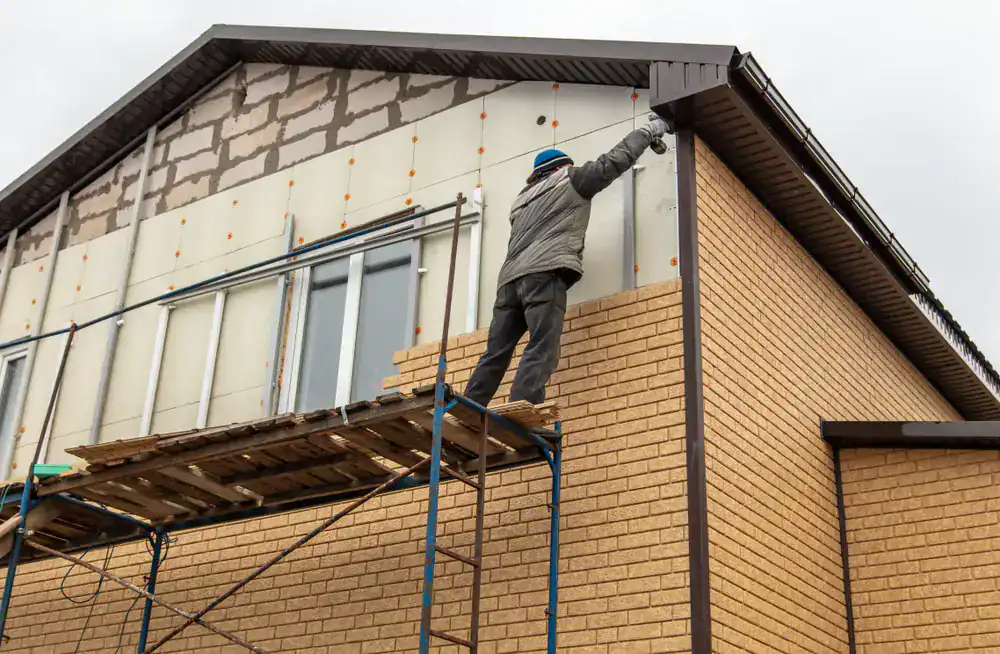
Once you approve the estimate, we schedule the work around your availability. We remove the old siding carefully, check the sheathing and moisture barrier underneath, and replace anything that’s compromised. Then we install your new siding according to manufacturer specs, which protects your warranty and keeps everything watertight.
The job usually takes a few days depending on your home’s size. We clean up daily and do a final walkthrough with you when it’s done. You’ll know how to maintain it, what’s covered under warranty, and how to reach us if anything comes up. Then you’re set for the next 20 to 30 years depending on the material you choose.

Ready to get started?
Vinyl and Fiber Cement Options
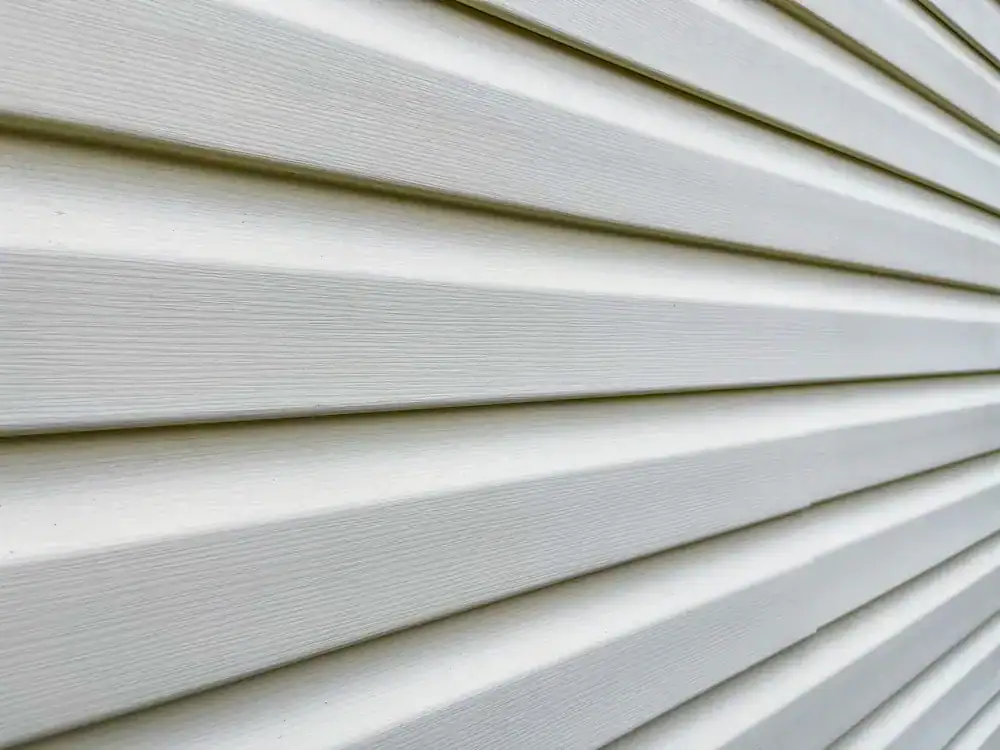
Vinyl siding is the most common choice in Vauxhall because it’s affordable, low-maintenance, and holds up well in New Jersey’s climate. You’re looking at a garden hose and mild detergent once or twice a year to keep it clean. It won’t rot, it won’t need repainting, and it comes in enough colors that you’ll find something that fits your home.
Fiber cement—like James Hardie—costs more upfront but lasts longer and handles impact better. It’s a good fit if you’re in a high-wind area or want something that looks like real wood without the maintenance. It’s heavier, so installation takes a bit longer, but it’s one of the most durable options available.
Both materials improve your home’s insulation, which means your HVAC system doesn’t work as hard. That shows up in your energy bills within the first few months. And both give you that clean, updated look that buyers notice if you ever decide to sell. We’ll walk you through the pros and cons of each based on your budget, your home’s style, and how long you plan to stay.

How long does siding installation take on a typical Vauxhall home?
Most siding installations take three to five days for an average-sized home. That includes removing the old siding, inspecting and repairing the underlying structure, and installing the new material.
Larger homes or homes with complex architectural details—like multiple gables, bay windows, or intricate trim—can take longer. Weather delays happen too, especially during spring and fall when rain’s more common. We don’t rush the job to hit a deadline if it means compromising the install.
You’ll get a timeline during your estimate. We stick to it unless something unexpected comes up, like hidden water damage or rotted sheathing that needs replacing. If that happens, we’ll walk you through it before moving forward so there’s no confusion about cost or time.
Will new siding actually lower my energy bills?
Yes, if your current siding is old, damaged, or poorly insulated. Modern vinyl and fiber cement siding—especially insulated vinyl—creates a better thermal barrier than what was installed 15 or 20 years ago.
That means your furnace and AC don’t cycle on and off as often because your home holds temperature better. Most homeowners notice the difference within the first heating or cooling season. How much you save depends on your home’s size, your current insulation levels, and how drafty things were before.
If your energy bills have been creeping up and you’ve already addressed your attic insulation and windows, your siding’s likely the weak point. We can show you the insulation ratings on different materials during your estimate so you know what to expect.
What happens if my insurance company is making me replace my siding?
We help you through the entire process. Insurance companies send those letters when they see aging or damaged siding that increases their risk of paying out a claim. You usually have 30 to 60 days to address it or they’ll drop your coverage.
First, we inspect your siding and document the damage. Then we provide a detailed estimate you can submit to your insurance company. If the damage is storm-related and covered under your policy, we’ll work directly with your adjuster to make sure you get the coverage you’re entitled to.
If it’s wear-and-tear that’s not covered, we’ll still give you options that fit your budget and meet your insurer’s requirements. The goal is to get compliant, keep your coverage, and avoid overpaying for work you don’t need.
How do I know if I need to replace my siding or just repair it?
If the damage is isolated—like a few cracked panels from a fallen branch or hail—repair makes sense. But if you’re seeing widespread issues like warping, rot, mold growth under the siding, or multiple sections that are loose or damaged, replacement is usually the better move.
Here’s why: patching old siding often means mismatched colors since your original material has faded over the years. And if the underlying structure is compromised, repairs are just buying you time before bigger problems show up.
During your free inspection, we’ll tell you honestly whether a repair will hold or if you’re better off replacing it. We’re not interested in upselling you on a full replacement if a repair gets the job done right. But if the damage is extensive or your siding’s near the end of its lifespan anyway, replacement saves you money in the long run.
What's the difference between vinyl siding and fiber cement?
Vinyl is lighter, less expensive, and requires almost no maintenance. It’s made from PVC, comes in a wide range of colors, and won’t rot or need repainting. It’s the most popular choice in Vauxhall because it balances cost, durability, and ease of care.
Fiber cement—like James Hardie—is made from cement, sand, and cellulose fibers. It’s heavier, more impact-resistant, and better at mimicking the look of real wood. It costs more and takes longer to install, but it lasts longer and holds up better in extreme weather. You’ll need to repaint it every 10 to 15 years, but it won’t warp or crack like vinyl can in very high heat.
Both materials improve your home’s energy efficiency and curb appeal. The right choice depends on your budget, how long you plan to stay in your home, and what look you’re going for. We’ll show you samples and walk you through the cost difference so you can decide what makes sense for your situation.
Do you handle permits and inspections for siding work in Vauxhall?
Yes. Siding replacement in Vauxhall typically requires a building permit from the Township of Union. We pull the permits, schedule the inspections, and make sure everything meets local building codes.
You don’t need to deal with the township office or worry about whether the work is compliant. That’s on us. We’ve been doing this long enough to know what Union Township inspectors look for, and we make sure the job passes the first time.
Once the work is complete and inspected, you’ll get documentation showing the permit was closed properly. That’s important if you ever sell your home—buyers and their lenders want to see that exterior work was done legally and up to code.