
Siding Installation in Connecticut Farms, NJ
Your Home Deserves Siding That Actually Lasts
Hear from Our Customers
Siding Services in Connecticut Farms
You’ve probably noticed the cracks. The warping around the edges. The color fading on the south-facing wall. Maybe you’ve tried patching it, repainting sections, or sealing gaps with caulk and foam tape. But the drafts keep coming back, your heating bills keep climbing, and the siding still looks worn.
That’s not a maintenance problem. That’s your home telling you the siding has reached the end of its useful life.
New siding installation does more than cover up the problem. It stops moisture from getting trapped behind your walls. It cuts your heating and cooling costs by up to 20% with proper insulation. It protects your home’s structure from the freeze-thaw cycles, coastal storms, and humid summers that Connecticut Farms deals with year after year. And it gives you back your weekends, because you’re done scraping and painting every few years.
When siding is installed right, you get decades of protection without the constant upkeep. Your home looks sharp again. Your energy bills drop. And you stop worrying about what’s happening behind the walls.
Connecticut Farms Siding Contractor
We’ve spent the last decade working on homes across Union County, including right here in Connecticut Farms. We’re a family-run company that focuses on exterior renovations, with roofing as our core and siding as a natural extension of protecting your home from the outside in.
We’re licensed, insured, and certified by major manufacturers. That means we know how to install siding the right way, the kind of install that holds up and keeps your warranty intact. We don’t take shortcuts, and we don’t disappear after the job is done.
Connecticut Farms is a tight-knit community where word travels fast. We’ve built our reputation here by doing what we say we’ll do, showing up when we say we’ll show up, and giving you straight answers about what your home actually needs. No pressure. No runaround. Just honest pricing, quality work, and a team that treats your home the way we’d treat our own.

Our Siding Installation Process
It starts with a free inspection at your Connecticut Farms home. We’ll look at your current siding, check for moisture damage or structural issues, and talk through what you’re dealing with. No sales pitch. Just a real assessment of what needs to happen.
Once you decide to move forward, we’ll walk you through material options based on your home, your budget, and how much maintenance you want to deal with down the road. Vinyl, fiber cement, cedar shake—each has trade-offs, and we’ll explain them in plain terms so you can make the call.
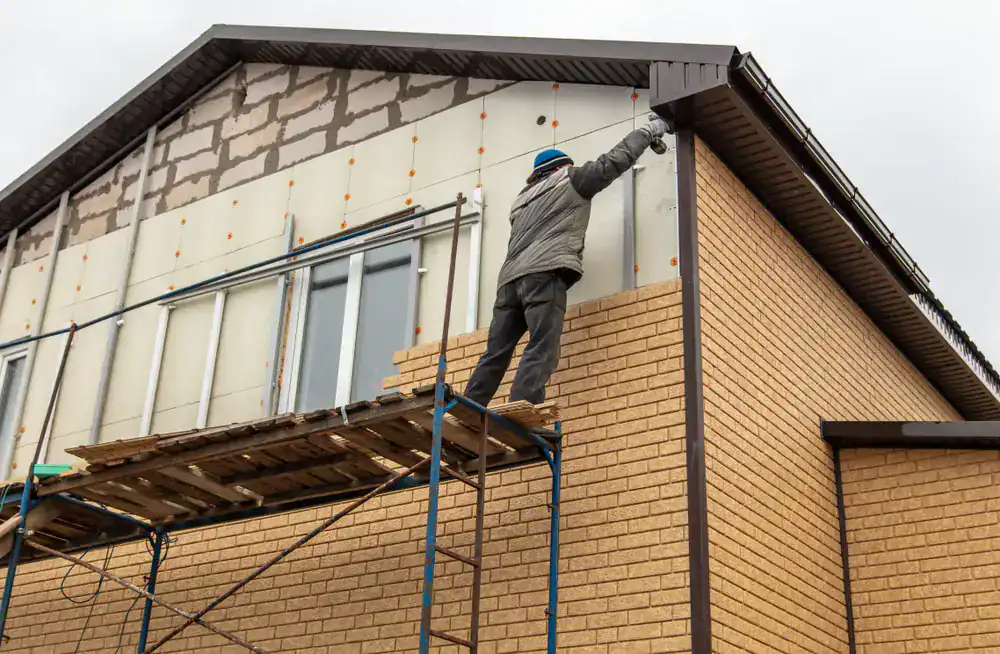
Before installation begins, we pull the necessary permits and handle the paperwork. Then our crew removes your old siding carefully, inspects the underlying structure, makes any needed repairs, and installs your new siding according to manufacturer specs. That’s critical, because improper installation voids warranties and leads to problems later.
We clean up completely when we’re done. No nails left in the driveway. No debris in your yard. And we do a final walkthrough with you to make sure everything meets your expectations. You’ll get written documentation of your warranties—both from the manufacturer and our workmanship guarantee—so you’re covered if anything comes up.

Ready to get started?
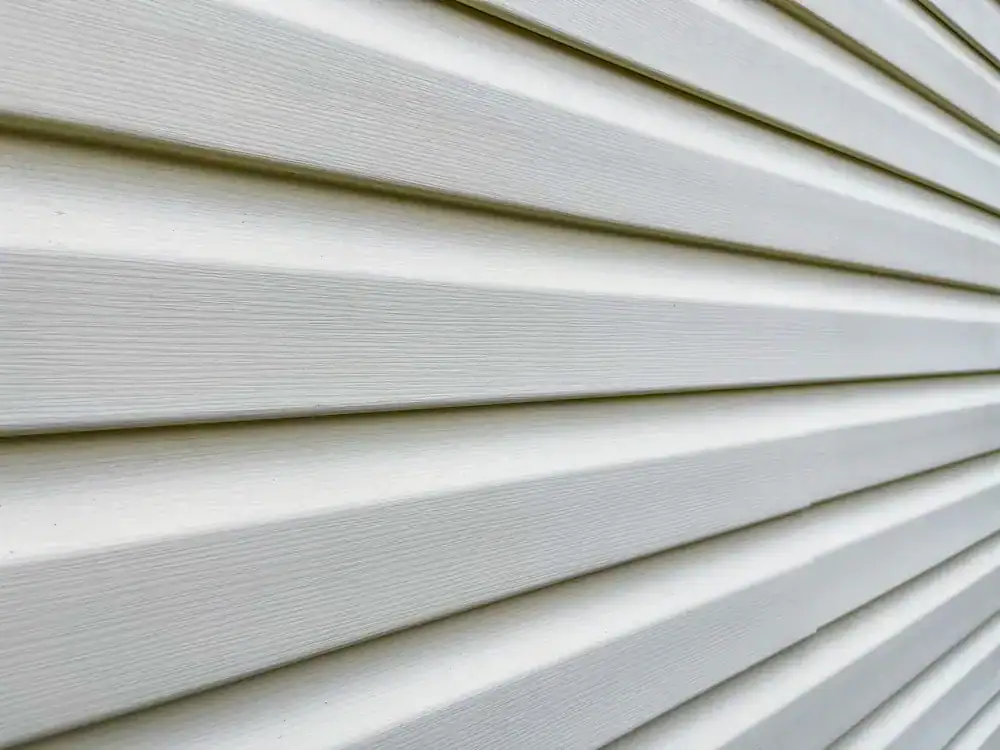
Vinyl Siding Installation Connecticut Farms
Every siding installation includes a full inspection of your home’s exterior, removal of old siding, repair of any underlying damage to sheathing or framing, proper installation of moisture barriers, and installation of your new siding with manufacturer-approved techniques. We don’t skip steps to save time.
Connecticut Farms homes face specific challenges. You’re dealing with high wind risk—100% of properties here are at major risk for severe wind events. You’re seeing more extreme weather every year. And with a median home value around $472K, you need siding that protects that investment, not just covers the walls.
That’s why we focus on materials and installation methods that handle New Jersey’s coastal storms, humidity, and freeze-thaw cycles. Insulated vinyl siding can drop your energy costs significantly in a home this size. Fiber cement siding like James Hardie holds up to impact and moisture better than anything else on the market. And proper flashing and sealing around windows and doors prevent the water intrusion that leads to rot and mold.
We also help with insurance claims if you’re replacing siding after storm damage. We’ll document everything, work with your adjuster, and make the process as straightforward as possible so you’re not dealing with the headache on your own.

How much does siding installation cost for a home in Connecticut Farms?
Most homeowners in Connecticut Farms spend between $12,000 and $22,000 for complete siding replacement, depending on the size of the home, the material you choose, and how much prep work is needed. A typical home here is larger than average, which affects the total square footage we’re covering.
Vinyl siding is the most budget-friendly option and still gives you 20-30 years of life with minimal maintenance. Fiber cement costs more upfront but lasts 50+ years and handles New Jersey weather better than anything else. Cedar shake looks great but requires more upkeep over time.
The price also depends on what we find when we remove your old siding. If there’s rot, water damage, or structural issues underneath, those need to be fixed before new siding goes on. We’ll never hide that from you. We’ll show you what’s happening and explain what it’ll take to fix it right. You’ll get a written estimate that breaks down materials, labor, and any additional work so there’s no confusion about what you’re paying for.
How long does a full siding replacement take to complete?
Most siding installations on Connecticut Farms homes take between five and ten days from start to finish. That includes removing old siding, making any necessary repairs, and installing the new material. Larger homes or homes with complex architecture take longer.
Weather can affect the timeline, especially if we’re working in late fall or winter. We won’t install siding in heavy rain or freezing temperatures because it compromises the installation quality and your warranty coverage. If we need to pause for weather, we’ll make sure your home is protected and weatherproof until we can resume.
We’ll give you a clear timeline before we start so you know what to expect. And we’ll keep you updated if anything changes. Most of the work happens outside, so you can still live in your home normally. There will be some noise during removal and installation, but we work efficiently and clean up at the end of each day so you’re not living in a construction zone.
What's the best siding material for homes in this area?
Fiber cement and insulated vinyl are the two best options for Connecticut Farms because they both handle New Jersey’s climate without constant maintenance. Fiber cement like James Hardie is the most durable option. It won’t warp, crack, or rot. It’s fire-resistant, pest-resistant, and holds up to the wind and impact from storms. It costs more upfront, but it lasts 50+ years and adds serious resale value.
Insulated vinyl is a strong second choice. It’s more affordable, requires almost no maintenance, and the insulation backing improves your home’s energy efficiency noticeably. You’ll see lower heating and cooling bills, especially in a larger home. It won’t last quite as long as fiber cement, but you’re still looking at 25-30 years of solid performance.
Wood siding looks beautiful but requires regular staining or painting and is vulnerable to moisture and pests. In an area with high humidity and storm exposure like this, it’s a lot of upkeep. Most homeowners here choose fiber cement or vinyl because they want protection and performance without the constant maintenance.
Will new siding actually lower my energy bills?
Yes, if you choose insulated siding and it’s installed correctly. Insulated vinyl siding can reduce your heating and cooling costs by 15-20% annually. That’s real money back in your pocket, especially in a larger Connecticut Farms home where energy costs add up fast.
The insulation works by creating a thermal barrier between the outside air and your home’s interior. It reduces drafts, keeps conditioned air inside, and makes your HVAC system work less to maintain comfortable temperatures. In summer, it keeps heat out. In winter, it keeps warmth in.
The energy savings depend on your current siding condition and your home’s existing insulation. If your old siding has gaps, cracks, or no insulation backing, you’ll see a bigger difference. If your home already has good wall insulation, the improvement will be smaller but still noticeable. We’ll give you an honest assessment during the inspection so you know what kind of energy performance to expect. And the savings compound over time, which helps offset the installation cost over the years.
Do you handle permits and insurance claims for siding replacement?
Yes to both. We pull all necessary permits for siding installation in Connecticut Farms and handle the paperwork with the local building department. You don’t need to worry about that part. Permits ensure the work is inspected and meets code, which protects you if you ever sell the home.
If you’re filing an insurance claim for storm damage, we’ll help with that too. We’ll document the damage with photos, provide a detailed estimate for your adjuster, and explain what needs to be replaced versus what can be repaired. We’ve worked with most of the major insurance companies, so we know what they require and how to make the process move faster.
Insurance claims can be frustrating, especially if the adjuster pushes back on coverage. We’ll advocate for what your home actually needs and provide the documentation to back it up. Our goal is to get your claim approved and your home protected without you having to fight the insurance company on your own. We’ve done this enough times to know how to navigate the process and keep things moving forward.
How do I know if my siding needs to be replaced or just repaired?
If you’re seeing cracks, warping, or rot in multiple areas, replacement is usually the smarter move. Repairs make sense when damage is isolated to one section—maybe from a fallen branch or a specific impact. But if the problems are widespread, you’re looking at a siding system that’s failing, and patching it just buys you a little time.
Other signs that point to replacement: your energy bills have gone up noticeably, you’re seeing moisture or mold inside your walls, the siding is faded or discolored across large areas, or you’re constantly repainting and resealing. Those all indicate the siding has reached the end of its useful life.
During the free inspection, we’ll give you an honest assessment. If repairs will actually solve the problem, we’ll tell you that. If you’re throwing good money after bad by patching a failing system, we’ll tell you that too. We’re not here to sell you a full replacement if you don’t need one. But we’re also not going to tell you repairs will fix it when they won’t. You’ll get a straight answer based on what we see, and then you can decide what makes sense for your home and your budget.
Other Services we provide in Connecticut Farms