
Roof Replacement in West Mahwah, NJ
West Mahwah's Older Colonials Don't Get a Second Chance at a First Roof
Hear from Our Customers
Residential Roof Replacement West Mahwah, NJ
A lot of West Mahwah homeowners don’t realize how much a compromised roof is costing them until they’re dealing with a water stain on the ceiling or an insurance adjuster asking why the damage wasn’t caught sooner. When your roof is replaced correctly — full tear-off, proper decking inspection, code-compliant installation — you stop playing defense and start protecting what you’ve built here.
West Mahwah sits at the foot of the Ramapo Mountains, and that matters more than most people think. Weather systems moving in from the northwest intensify as they hit the elevated terrain, which means the wind gusts, ice accumulation, and nor’easter exposure here are measurably worse than what communities in the flatter, eastern parts of Bergen County deal with. A roof that might last 28 years in Paramus might be showing serious wear in 20 here. It’s not a scare tactic — it’s just the reality of where you live.
The historic section of West Mahwah is full of mid-century colonials and ranches built in the 1950s through 1970s, many of them on their second roofing cycle now. At home values ranging from $500,000 to well over $1 million in this area, a properly installed roof with a real manufacturer warranty isn’t optional maintenance — it’s asset protection. When it’s done right, you’re not thinking about your roof again for 25 to 30 years.
GAF Certified Roofer West Mahwah, NJ
We’ve been doing exterior renovation work across New Jersey for over 17 years. That kind of track record doesn’t come from advertising — it comes from jobs that hold up, homeowners who refer their neighbors, and a team that shows up the same way on the last day of a project as we do on the first.
We’re GAF certified, which means the warranties we offer — covering both materials and workmanship — aren’t available through just any contractor. You can verify our certification directly on GAF’s website before you ever call us. We’re also fully licensed under New Jersey’s Home Improvement Contractor registration system, and we pull all required Mahwah Township construction permits as standard practice, not as an afterthought.
We serve homeowners throughout Bergen County, including the established neighborhoods of West Mahwah and the surrounding Ramapo Mountain corridor. We know this area’s climate, its housing stock, and what it takes to do the job right the first time.
Roof Installation Process West Mahwah, NJ
It starts with a free inspection. We get on the roof, look at what’s actually there, and give you an honest read — whether that’s a repair recommendation, a full replacement, or documentation you can use for an insurance claim if storm damage is involved. Nothing is assumed, and nothing is sold before the assessment is done.
If replacement is the right call, we put together a written, itemized estimate that breaks down every line item before any work begins. You’ll know what materials are going in, what warranty tier they carry, and what the permit process looks like through Mahwah Township’s Department of Inspections. No verbal promises, no vague totals. If we find additional decking damage once the tear-off starts — which does happen in older West Mahwah homes — you hear about it before we do anything about it.
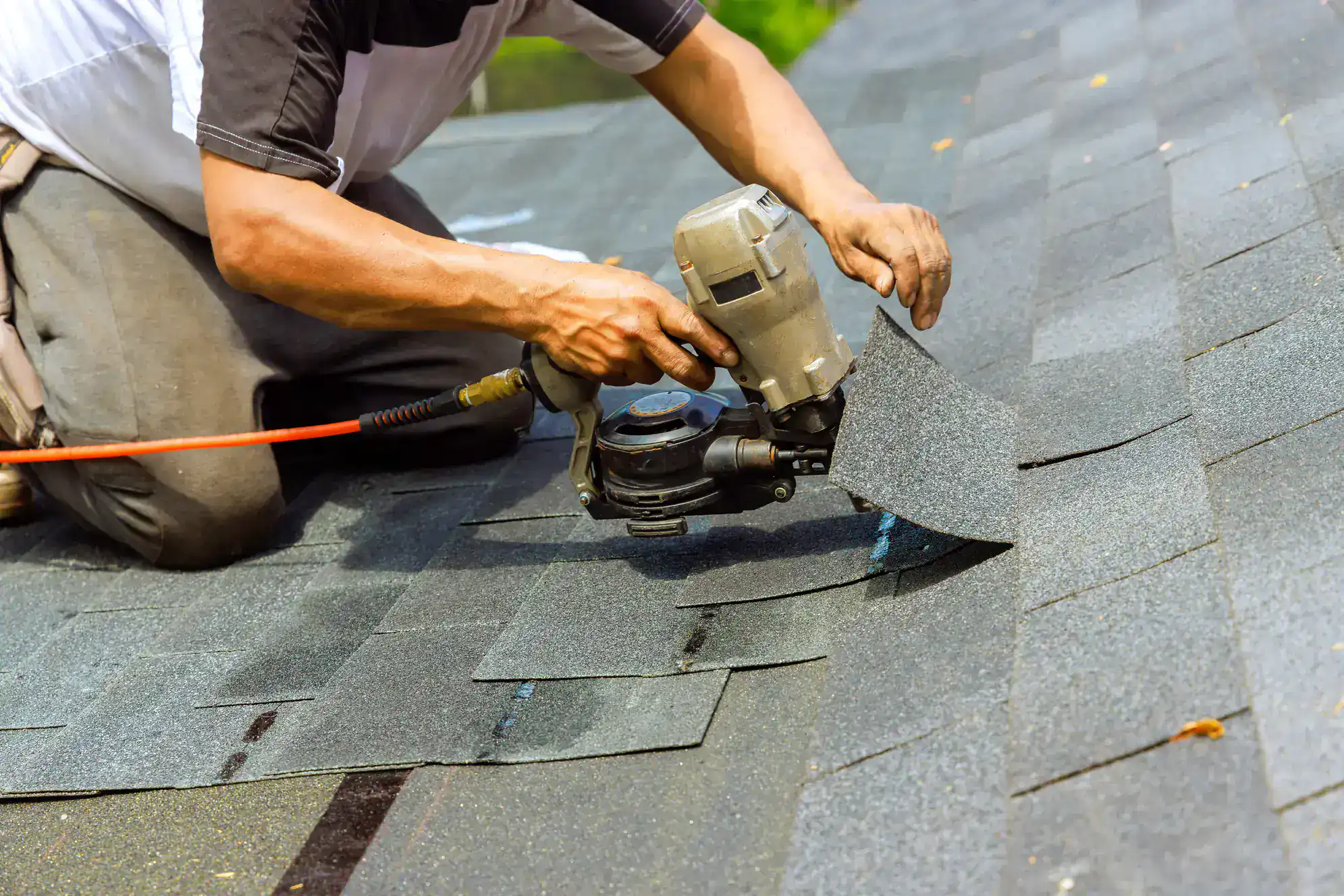
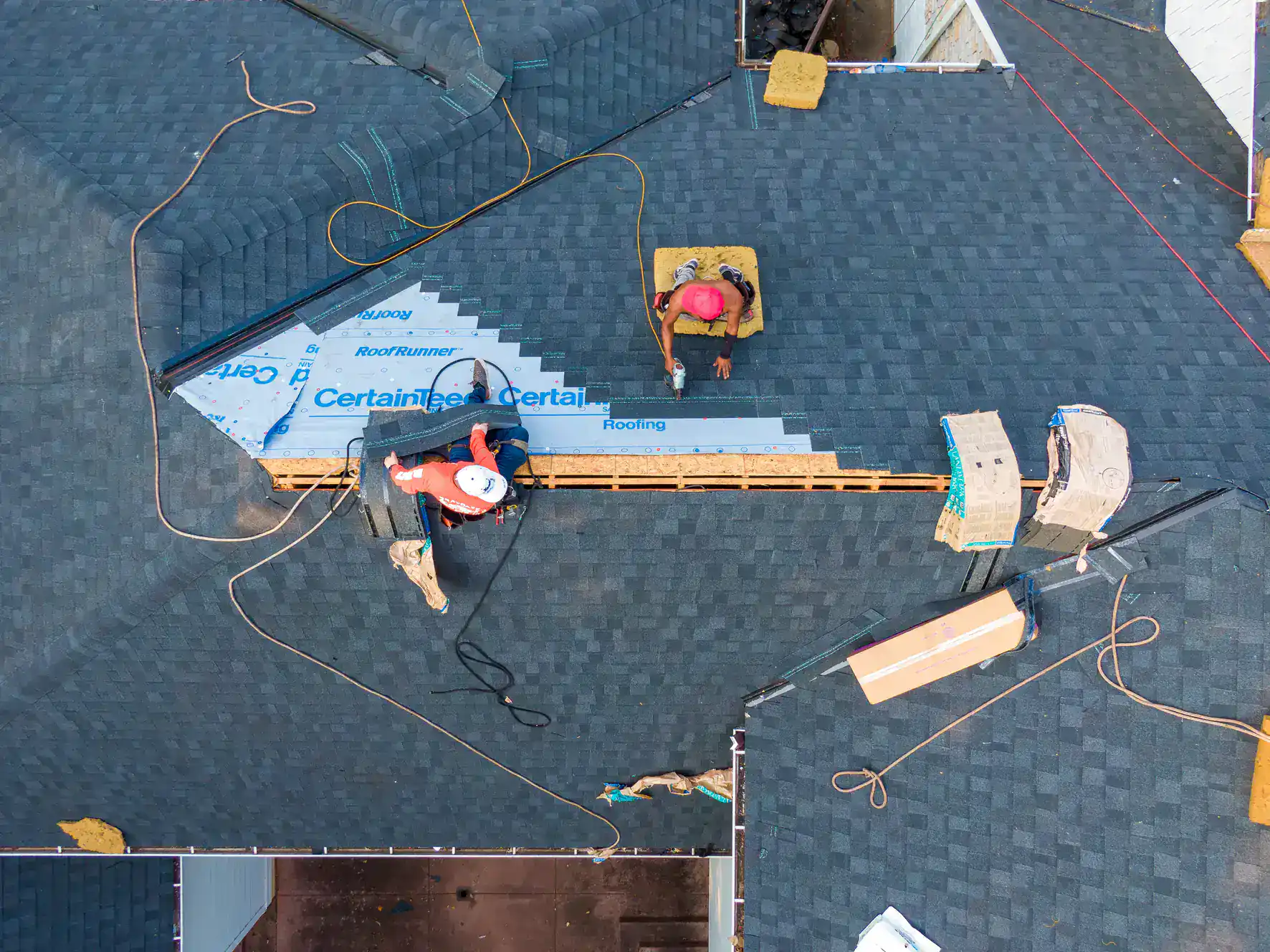
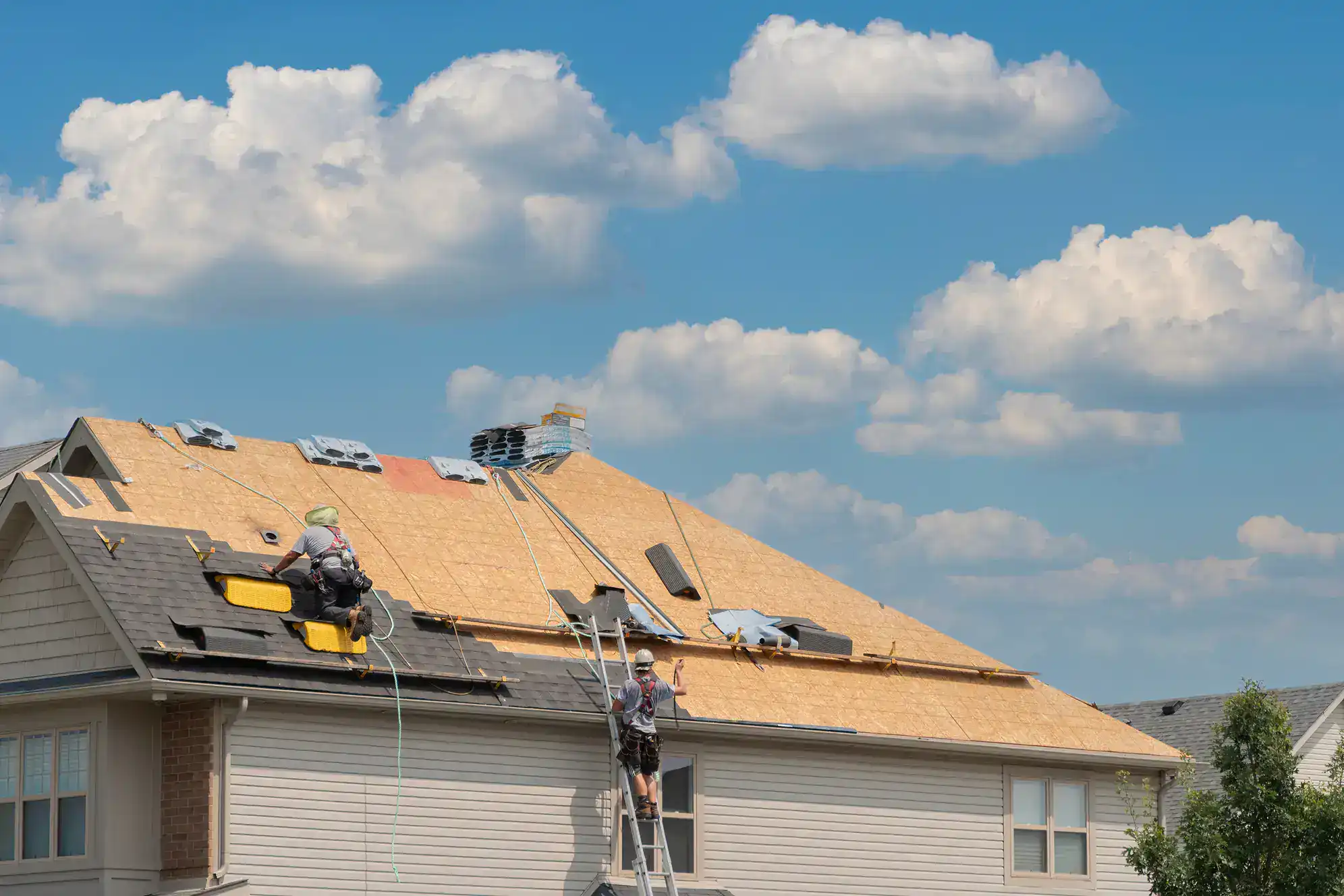
Installation follows New Jersey’s Uniform Construction Code requirements, including ice and water shield at the eaves and valleys — critical in a freeze-thaw climate like this one — proper drip edge, correct fastener patterns, and ventilation assessment. When the job is done, the site is cleaned, nails are swept, and the work is inspected. You get a roof that’s built to code, backed by warranty, and ready for whatever Bergen County’s winters throw at it.
Ready to get started?
Storm Damage Roof Replacement West Mahwah, NJ
Residential roof replacement in West Mahwah means working with homes that have history — and sometimes, that history includes layers of old shingles, aging decking, and ventilation setups that were never designed to handle today’s energy or weather standards. Our full tear-off approach means nothing gets buried. Every replacement starts with a clean, inspected surface, and every installation is done to current NJ code.
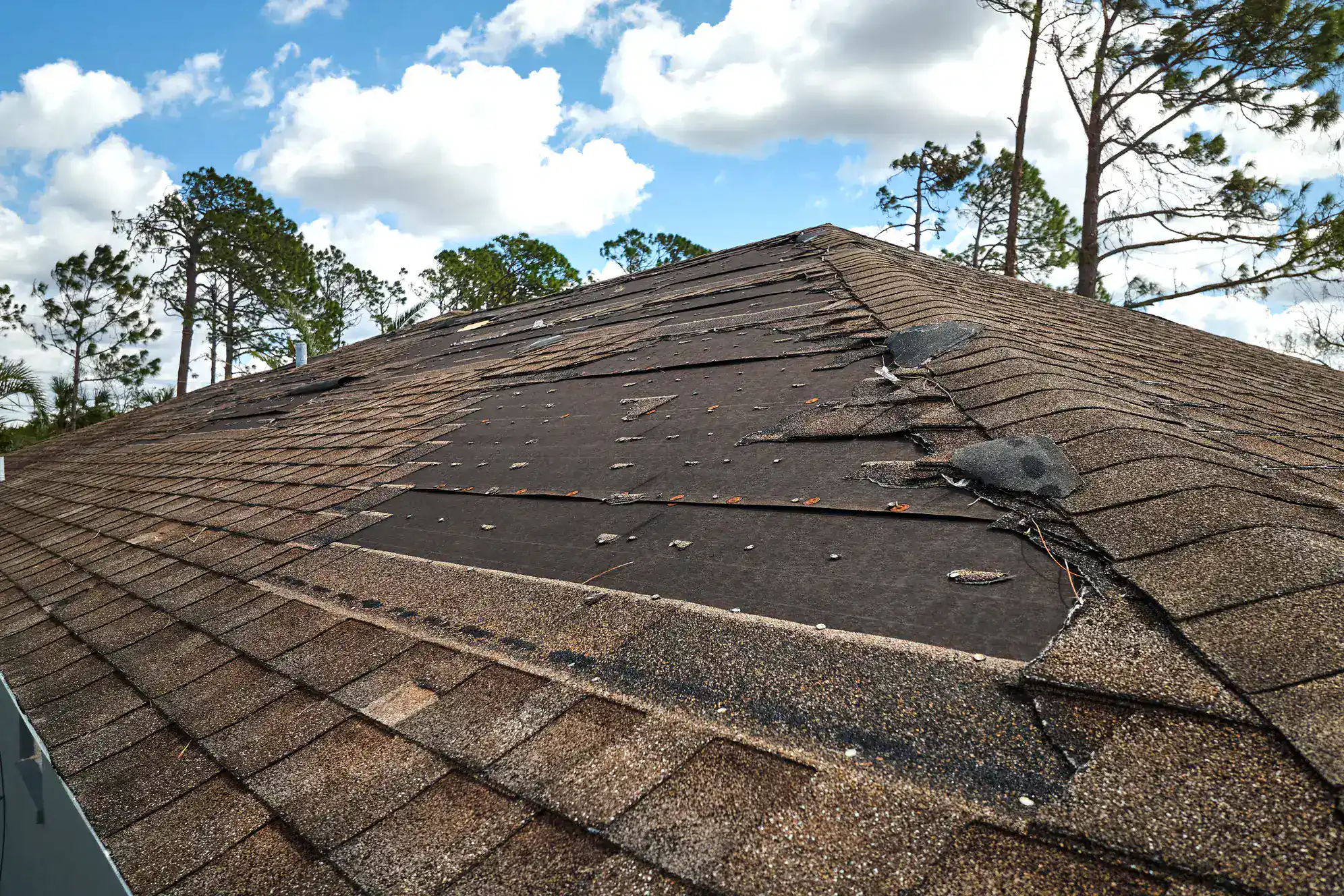
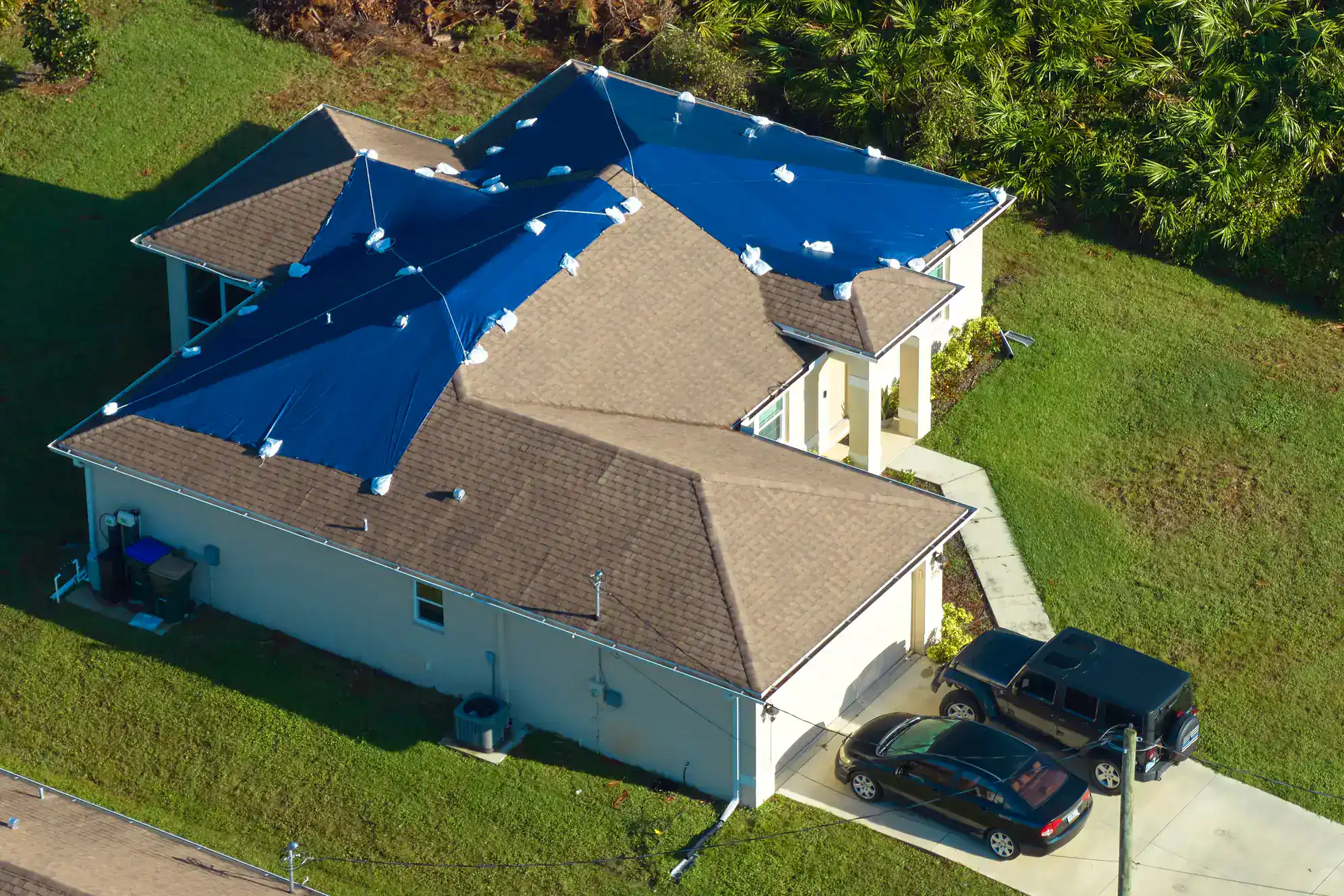
For storm damage roof replacement in West Mahwah, we document everything — hail impact, wind damage, lifted flashing, granule loss — in a format that insurance adjusters actually work with. A lot of homeowners in this area don’t realize that wind and hail damage from a nor’easter or summer storm is typically covered under a standard homeowner’s policy. We help you understand what’s there and how to use it.
On the commercial side, properties along the Route 17 and I-287 corridor in Mahwah have different demands — flat roofing systems, TPO membranes, EPDM rubber roofing, and the maintenance protocols that go with them. Whether it’s a residential colonial in the historic section of West Mahwah or a commercial property near the township’s corporate corridor, we do the work the same way: licensed, permitted, warrantied, and built to last.
Does roof replacement in West Mahwah, NJ require a permit from the township?
Yes — a full roof replacement in West Mahwah requires a construction permit through Mahwah Township’s Department of Inspections, located at 475 Corporate Drive. This applies to any project involving tear-off and reinstallation of a roofing system. It’s not optional, and it’s not a formality. Unpermitted roofing work can result in code violations, penalties, and real problems when you go to sell your home — because a home sale inspection will flag it.
A licensed contractor handles this as standard practice. When you hire us, the permit is pulled before work begins, the inspection is scheduled, and you end up with documentation that the job was done to code. If you’ve received quotes from contractors who didn’t mention permits at all, that’s a signal worth paying attention to.
How do I know if I actually need a full replacement or just a repair?
This is one of the most common questions we hear, and the honest answer is that you can’t know for sure without getting on the roof. What looks like a few missing shingles from the ground can be covering damaged decking, failed flashing, or ice dam deterioration along the eaves — all of which are common in West Mahwah’s older housing stock after years of freeze-thaw cycling.
The free inspection exists specifically for this reason. We look at shingle condition, granule loss, flashing integrity, ventilation, and the decking underneath where accessible. If a repair is the right call, we’ll tell you. If the roof is past the point where a repair makes financial sense — especially on a home that’s already 50 or 60 years old — we’ll show you why in writing. The goal is an accurate answer, not a bigger job.
What makes ice dams a problem for homes in West Mahwah specifically?
Ice dams form when heat escapes through the attic, melts snow on the upper part of the roof, and that water refreezes at the cold eaves. The ice backs up under the shingles and forces water into the home’s structure — into walls, ceilings, and insulation. It’s a slow, quiet kind of damage that often isn’t visible until it’s already significant.
West Mahwah’s historic homes are particularly susceptible because many were built before modern insulation and ventilation standards existed. The attic performance in a 1960s colonial is not the same as a home built to current energy codes. Combined with the elevated terrain here at the foot of the Ramapo Mountains and the heavier snow loads that come with that geography, ice dam risk in West Mahwah is genuinely higher than in flatter communities to the east. Proper ice and water shield installation at the eaves — which is required under New Jersey’s building code — is one of the most important parts of a replacement done right in this climate.
What does GAF certification actually mean for me as a homeowner?
GAF is the largest roofing manufacturer in North America, and their certification program isn’t just a logo. To become certified, a contractor has to meet ongoing requirements around licensing, insurance, and installation proficiency. More importantly, certification unlocks warranty tiers — including the GAF System Plus Warranty, which covers both materials and workmanship — that are simply not available through non-certified contractors.
For a West Mahwah homeowner, this matters in a specific way. If you’re protecting a home worth $600,000, $800,000, or more, a warranty that only covers materials is a partial warranty. If the installation fails — improper fastening, missed flashing, inadequate ventilation — a materials-only warranty won’t cover the resulting damage. A GAF-backed system warranty covers the full picture. You can verify our certification directly on GAF’s website before signing anything. That’s not something every contractor can say.
How does storm damage roof replacement work with a homeowner's insurance claim?
Most homeowners don’t realize that wind damage, hail damage, and damage from falling limbs or debris are typically covered under a standard homeowner’s insurance policy — as long as the damage is documented properly and reported within the policy’s timeframe. The problem is that storm damage isn’t always obvious from the ground. Hail can strip granules from shingles without leaving a visible dent, and that granule loss accelerates UV degradation and shortens the roof’s remaining lifespan significantly.
When we do a storm damage inspection in West Mahwah, we document what we find in a format that insurance adjusters actually use — photos, measurements, material condition notes. We can walk through the claim process with you, explain what your policy likely covers, and make sure the documentation supports the scope of work needed. Bergen County sees regular nor’easter activity and summer hail events, and a lot of homeowners in this area are sitting on legitimate claims they’ve never filed simply because they didn’t know the damage was there.
Why does USA Home Remodeling offer free roof inspections in West Mahwah?
The free inspection isn’t a sales tactic — it’s how a 17-year business operates when it’s built on referrals and repeat customers rather than volume. West Mahwah homeowners are experienced buyers. They’ve owned homes long enough to know what a pressure pitch looks like, and they’re not interested in being sold something they don’t need. We know that. The inspection gives you real information — the actual condition of your roof, what’s working, what isn’t, and what your options are — before you spend a dollar.
In a community where homes carry significant value and most of the housing stock is old enough to be approaching or past its roofing lifespan, an honest assessment is genuinely useful. If the roof has five good years left, we’ll tell you. If it needs to come off now before the next winter hits the Ramapo Mountain corridor, we’ll show you exactly why. The estimate that follows is written, itemized, and yours to keep — no obligation attached.