
Roof Repair Specialist vs Quick Fix Solutions
Summary:
You notice water staining your ceiling. A few shingles blew off during last week’s storm. Your neighbor’s handyman says he can patch it for $200.
It sounds simple enough. But here’s what most Union County homeowners don’t realize until it’s too late: not every roof problem has a quick fix. Some issues need a roof repair specialist who can diagnose what’s actually happening under those shingles—before a small leak becomes a $15,000 disaster.
The question isn’t always about cost. It’s about knowing which problems you can patch and which ones will come back worse if you don’t handle them right the first time. Let’s break down what actually separates a professional repair from a temporary band-aid.
When You Actually Need a Roof Repair Specialist
A roof repair specialist isn’t just someone who climbs ladders and replaces shingles. They’re trained to understand how your entire roofing system works—from ventilation and decking to flashing and drainage. That expertise matters more than you might think.
Most roof failures don’t start with obvious damage. They start with small issues that get misdiagnosed. A handyman might see a leak and slap some sealant on it. A roof repair specialist in Union County, NJ will check your attic ventilation, inspect the decking for rot, and trace the water back to its actual entry point—which is often several feet away from where you see the stain.
Here’s the reality: 86% of roof failures come from improper installation or repair methods. When you’re dealing with anything beyond a couple of missing shingles, the risk of getting it wrong is high. And in New Jersey, where freeze-thaw cycles and heavy rain push roofs to their limits, those mistakes show up fast.

What Makes Emergency Roof Leak Repair Different
Emergency roof leak repair isn’t the same as scheduled maintenance. When water is actively dripping into your home, the clock is ticking. Every hour of delay increases the risk of mold, structural damage, and ruined belongings.
In Union County, emergency roof leak repair typically costs between $150 and $400 for immediate temporary measures like tarping. Permanent repairs run $300 to $800 depending on the extent of damage. But here’s what separates a real emergency response from a quick patch: a roof repair specialist will stabilize the situation and then diagnose the root cause before making permanent fixes.
Emergency tarping is a temporary solution designed to stop active water intrusion while you wait for conditions that allow proper repair. It’s not a long-term fix. Tarps can provide immediate relief after storm damage, but they degrade quickly and often fail under continued exposure to wind and rain. A professional will use heavy-duty materials, secure them properly, and schedule permanent repairs as soon as weather permits.
The mistake homeowners make is treating emergency tarping as the final solution. It’s not. If you’ve had a tarp on your roof for more than a few weeks, you’re risking further damage. Water finds its way through even the best temporary patches, especially during New Jersey’s unpredictable weather swings.
One more thing about emergency situations: insurance companies have strict timelines. Most policies require homeowners to take reasonable steps to prevent further damage within 30 days of discovering a leak. If you delay or use unlicensed contractors, you risk having your claim denied. A roof repair specialist knows how to document damage properly and can help you navigate the claims process to protect your coverage.
How to Get an Accurate Roof Repair Estimate
A roof repair estimate should never be a guess from the driveway. If someone offers you a price without getting on your roof and checking your attic, you’re not getting an accurate assessment.
Here’s what a real roof repair estimate in Union County, NJ should include: a detailed inspection of the damaged area, an assessment of your roof’s overall condition, photos of problem spots, a breakdown of materials and labor costs, and a realistic timeline for completion. You should also get information about whether repairs make sense or if you’re better off considering replacement.
The cost difference between a quick fix and a professional repair can seem significant upfront. A handyman might charge $200 to replace a few shingles. A licensed roof repair specialist might quote $600 for the same visible damage. But that extra cost usually covers things the handyman isn’t checking: proper flashing installation, matching shingle batches so your repair doesn’t stand out, sealing nail holes correctly, and inspecting surrounding areas for hidden damage.
When you’re comparing estimates, look beyond the bottom line. Ask about licensing and insurance. Find out if the work will be done by the person you’re talking to or subcontracted out. Check whether the estimate includes cleanup and disposal. And make sure you understand what’s covered if something goes wrong after the repair is complete.
In New Jersey, licensed roofing contractors typically charge between $55 and $90 per hour for labor. That rate reflects their insurance costs, licensing requirements, and expertise. Lower rates often signal unlicensed work—which can void your manufacturer warranties and leave you liable if someone gets hurt on your property.
One final note on estimates: free doesn’t always mean good. We offer free inspections and estimates because we’re confident in our ability to diagnose problems accurately. But be wary of anyone who shows up, finds extensive damage you’ve never noticed, and pressures you to sign immediately. Get multiple opinions for major work, and don’t let anyone rush you into a decision.
Want live answers?
Connect with a USA Home Remodeling LLC expert for fast, friendly support.
Emergency Roof Tarping: Temporary Protection vs Permanent Solutions
Emergency roof tarping serves one purpose: buying you time. When a storm tears shingles off or a tree branch punches through your roof, tarping prevents additional water damage while you arrange for proper repairs.
But tarping is not a repair. It’s a stopgap. And the longer a tarp stays on your roof, the more likely it is to fail. Wind gets under the edges. UV exposure degrades the material. Fasteners work loose. What starts as secure protection becomes a flapping hazard that can cause more damage than it prevents.
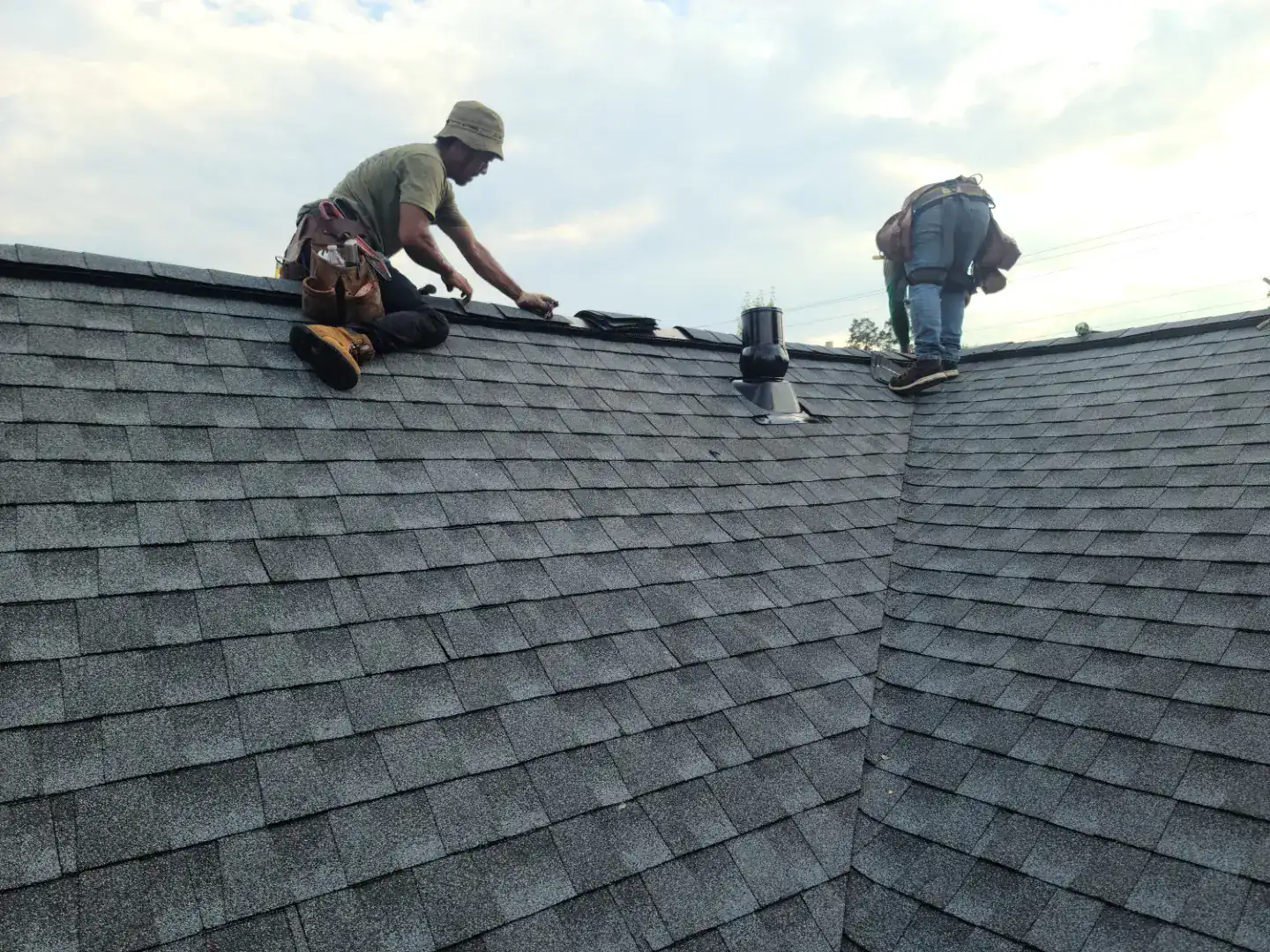
Professional emergency roof tarping involves more than throwing a blue tarp over the hole. A roof repair specialist will use heavy-duty materials rated for extended outdoor exposure, secure the tarp with proper fasteners that won’t damage your roof further, extend coverage beyond the damaged area to prevent water intrusion, and inspect the full extent of damage while they’re up there.
What Quick Fixes Miss That Specialists Catch
Quick fixes focus on symptoms. Roof repair specialists look for causes. That’s the fundamental difference—and it’s why quick fixes so often fail within a year or two.
Take a common scenario: you have a leak near your chimney. A handyman climbs up, sees some cracked flashing, and applies roof cement over the gap. The leak stops. Problem solved, right? Not quite.
Flashing fails for a reason. Maybe the original installation was done incorrectly. Maybe thermal expansion and contraction have caused the metal to fatigue. Maybe water has been getting behind the flashing for years, rotting the wood underneath. Roof cement might stop visible water for a season, but it doesn’t address why the flashing failed—and it won’t hold when winter freeze-thaw cycles start working on it.
A roof repair specialist will remove the old flashing, inspect the substrate for damage, replace any rotted wood, install new flashing according to manufacturer specifications, and seal it properly with materials designed for long-term performance. It costs more upfront. But it actually solves the problem instead of postponing it.
Here’s another issue quick fixes miss: ventilation. Homeowners don’t think about attic ventilation when they see a leak. But inadequate ventilation causes moisture buildup that rots decking from below. You can patch the surface all day long, but if humid air is degrading your roof deck, those patches won’t hold. A specialist checks ventilation during every inspection because they understand how the whole system works together.
Then there’s the issue of diagnostic skill. Water doesn’t always enter where you see it dripping. It can travel along rafters, run down walls, and show up several feet from the actual breach. Handymen often repair the wrong spot because they’re fixing where they see water, not where it’s getting in. Roof repair specialists use moisture meters, infrared cameras, and systematic inspection methods to trace leaks to their source.
The hidden cost of quick fixes isn’t just the repair failing. It’s the additional damage that happens while you think the problem is solved. Mold grows in damp insulation. Wood rot spreads through framing. What started as a $500 repair becomes a $5,000 problem because the quick fix masked ongoing damage.
Finding Affordable Roof Repair Without Sacrificing Quality
Affordable roof repair doesn’t mean cheap. It means getting the right work done at a fair price—without paying for services you don’t need or cutting corners that will cost you later.
The first step to affordable roof repair is accurate diagnosis. You can’t price a repair correctly if you don’t know what actually needs fixing. That’s why working with a roof repair specialist who offers free inspections makes sense. You get an honest assessment of what’s wrong, what it will cost to fix properly, and whether repair makes more sense than replacement.
In Union County, NJ, most minor roof repairs fall between $300 and $800 when done by licensed contractors. That covers common issues like replacing damaged shingles, resealing flashing, or fixing small leaks. Extensive repairs can run $1,000 to $3,500 depending on the scope of work. Emergency services typically cost 25% to 50% more than scheduled repairs because of the urgency and after-hours labor.
Here’s how to keep costs reasonable without sacrificing quality. First, address problems early. A $400 repair today beats a $4,000 emergency six months from now. Second, get multiple estimates for major work, but compare apples to apples. Make sure each contractor is proposing the same scope and materials. Third, ask about financing if cost is a barrier. Many reputable contractors offer payment plans that make necessary repairs accessible.
One thing to avoid: contractors who push for full replacement when repair would work fine. Not every roof problem requires tearing everything off and starting over. A good roof repair specialist will tell you honestly whether your roof has enough life left to justify repair—or whether you’re throwing money at a system that’s near the end anyway.
Also be cautious about “too good to be true” pricing. If one estimate is dramatically lower than others, there’s usually a reason. It might be unlicensed work. It might exclude necessary steps. It might involve inferior materials. Affordable doesn’t mean cheapest. It means fair value for quality work that actually lasts.
Finally, factor in the cost of doing it wrong. Homeowners who hire unlicensed contractors to save money often end up paying licensed professionals to fix the mistakes—on top of the original cost. You’re not saving anything if you have to do the job twice. And if improper repairs void your manufacturer warranty or cause your insurance company to deny a future claim, that “savings” becomes very expensive.
Making the Right Choice for Your Union County Home
Choosing between a roof repair specialist and a quick fix comes down to understanding what you’re actually dealing with. For a few missing shingles on an otherwise sound roof, a competent handyman might be fine. For leaks, structural concerns, or anything involving flashing and waterproofing, you need someone who specializes in roofing systems.
The stakes are higher than most homeowners realize. Your roof protects everything underneath it—your belongings, your family, your investment. Getting repairs right the first time isn’t about being cautious. It’s about being smart with your money and your home’s long-term integrity.
If you’re facing roof damage in Union County, NJ, start with a professional inspection. Understand what’s wrong, what it will cost to fix properly, and what happens if you don’t. Then make your decision based on facts, not fear or false economy. We offer free estimates and honest assessments—because the right repair starts with knowing what you’re actually fixing.