
Roof Inspection in Connecticut Farms, NJ
Catch Roof Problems Before They Cost Thousands
Hear from Our Customers
Professional Roof Inspection Services Near You
You’re not climbing on your roof to check for damage. Most homeowners can’t tell storm damage from the ground anyway—shingles lift and reseal in ways that look fine until water starts dripping into your living room.
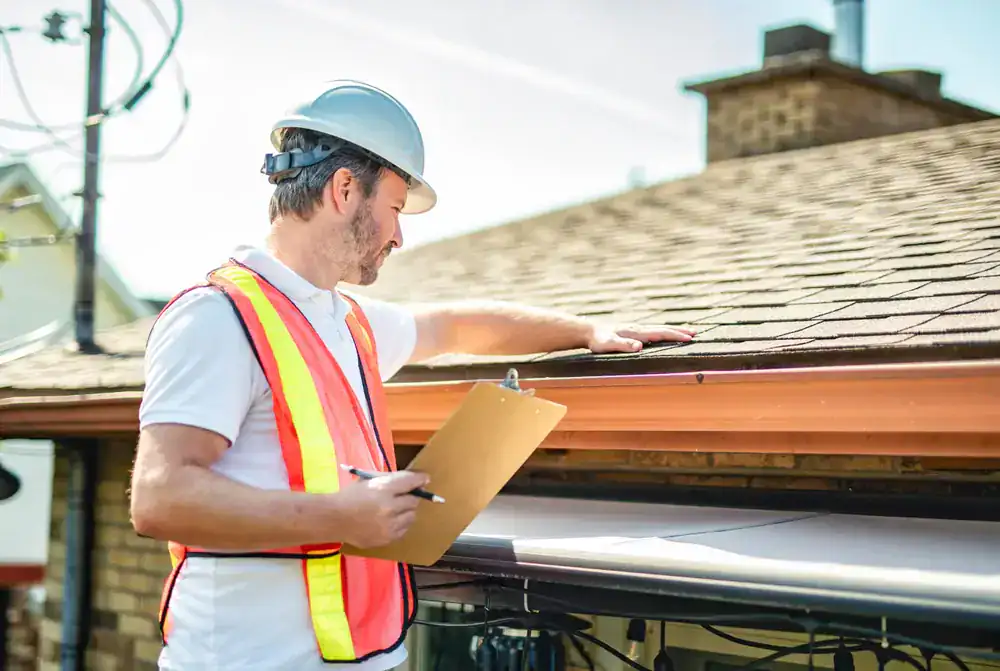
A professional roof inspection means someone who knows what to look for gets up there with the right tools. We check for wind damage, missing granules, cracked flashing, worn sealant, and early signs of leaks. We’re looking at your attic ventilation, checking for moisture, and making sure your roof can handle another New Jersey winter.
You walk away knowing exactly what’s wrong, what’s fine, and what needs attention now versus later. No surprises when the next storm rolls through. No emergency calls because something that could’ve been fixed for $300 just turned into a $3,000 problem.
That’s what a roof inspection is supposed to do—give you clarity and time to plan, not panic.
Trusted Roofing Company in Connecticut Farms
We’ve spent more than 10 years inspecting, repairing, and replacing roofs in Connecticut Farms and the surrounding area. We’re licensed, insured, and certified by major shingle manufacturers—which means we know how roofs are supposed to perform and what goes wrong when they don’t.
We’re a family-run operation. We don’t send out a different crew every time or disappear after the estimate. You get the same team, clear communication, and honest answers about what your roof actually needs.
We also don’t charge for inspections or estimates. You’re not paying us to tell you what’s wrong—you’re paying us to fix it, and only if you decide we’re the right fit.

How Our Roof Inspection Process Works
First, we schedule a time that works for you—usually within a few days. When we show up, we’re not rushing. We walk your property, check the roof from the ground, then get up there to inspect every section.
We’re looking at shingles, flashing, valleys, vents, chimneys, and gutters. We check your attic for leaks, moisture, mold, and ventilation issues. If you’ve had recent storms, we’re looking for wind damage and signs of water intrusion that haven’t shown up inside yet.
After the inspection, we sit down with you and explain what we found. We show you photos if needed. We tell you what’s urgent, what can wait, and what’s normal wear. If repairs are needed, we give you a transparent estimate with no pressure and no gimmicks.
You decide what happens next. If you want us to handle it, we move forward. If you want a second opinion, that’s fine too. The inspection is free either way.
Ready to get started?
What's Included in a Roof Inspection
A real roof inspection covers more than just shingles. We’re checking structural integrity, flashing around chimneys and vents, the condition of your underlayment where visible, and whether your gutters are doing their job or creating problems.
In Connecticut Farms, winter weather is the biggest threat. Ice dams form when your attic is too warm and melts snow unevenly—water backs up under shingles and leaks into walls. We check for that. We also look for signs of wind damage from nor’easters, which can lift shingles without you ever knowing until the next rain.
We inspect for roof leaks, damaged or missing shingles, cracked sealant, worn flashing, and any soft spots that indicate water damage underneath. If you’ve had hail, we’re checking for bruising and granule loss that weakens your roof over time.
You get a full report. We explain what we found in plain language, what it means for your home, and what your options are. No upselling, no scare tactics—just the truth about your roof.

How often should I get a professional roof inspection in New Jersey?
At least once a year, ideally in late fall before winter or early spring after the freeze-thaw cycle. If you’ve had a major storm—high winds, hail, heavy snow, or ice—get it inspected right after.
New Jersey weather is tough on roofs. Nor’easters, freezing temperatures, ice dams, and rapid temperature swings all create stress points that add up over time. An annual inspection catches small issues before they turn into emergency roof leaks or structural damage.
If your roof is over 15 years old, you should inspect it twice a year. Older roofs have less margin for error, and catching wear early can buy you a few more years before you need a full roof replacement.
What are the signs I need a roof inspection right away?
Water stains on your ceiling or walls. Shingles in your yard after a storm. Visible sagging or soft spots on your roof. Granules collecting in your gutters. Any of those mean you need someone up there now.
You should also call if you’ve had winds over 50 mph, hail of any size, or heavy snow followed by rapid melting. Even if you don’t see damage from the ground, storm damage to roofing materials isn’t always obvious—and it gets worse fast.
If your energy bills suddenly spike in winter, that can mean your roof or attic insulation is compromised. If you see daylight through your roof boards in the attic, or notice a musty smell, those are signs of leaks or ventilation problems that need immediate attention.
Will my homeowners insurance cover roof repairs if you find damage?
It depends on what caused the damage. Most homeowners insurance policies cover sudden damage from wind, hail, falling trees, or other storms. They typically don’t cover wear and tear, aging, or damage from lack of maintenance.
If we find storm damage during your inspection, we document it with photos and notes. You’ll need that when you file a claim. Insurance companies want proof the damage happened during a specific event, not over time.
We’ve worked with plenty of homeowners through the insurance process. We can provide detailed reports and work directly with adjusters if needed. Just know that if your roof is older or poorly maintained, the insurance company may depreciate the payout or deny the claim altogether. That’s why regular inspections and maintenance matter—they prove you’ve been taking care of your roof.
How long does a roof inspection take, and do I need to be home?
Most inspections take 45 minutes to an hour, depending on the size of your roof and what we find. You don’t have to be home the whole time, but it helps to be there at the end so we can walk you through what we found.
We’ll need access to your attic if possible—that’s where we check for leaks, ventilation issues, and moisture problems you can’t see from outside. If you can’t be there, we can leave a detailed report and follow up by phone.
We move efficiently but we don’t rush. If there’s damage, we take the time to document it properly. If your roof is in good shape, we’ll confirm that too. Either way, you get a clear answer about where your roof stands.
What's the difference between a free inspection and a paid one?
Honestly, not much if you’re working with a legitimate roofing company. A free inspection from a licensed, experienced contractor covers the same ground as one you’d pay for—we’re checking for damage, leaks, and structural issues.
The difference is usually in who’s offering it and why. We offer free inspections because we’re confident in our work and we want to earn your business. We’re not cutting corners—we’re investing time upfront to build trust.
Be cautious of “free inspections” from storm chasers or unlicensed contractors who show up after bad weather. They’re often looking for quick jobs and inflated insurance claims. A real inspection comes with a detailed report, honest recommendations, and no pressure. If someone’s pushing you to sign a contract on the spot, that’s a red flag.
Can you find roof damage that I can't see from the ground?
Absolutely. Most roof damage isn’t visible from the ground, especially early-stage problems. Shingles can lift from wind and reseal themselves in a way that looks fine but leaves gaps where water gets in. Flashing can crack or pull away without any obvious signs until you’re up close.
We also check areas homeowners don’t think about—around chimneys, skylights, vents, and in valleys where two roof planes meet. Those are the spots where leaks start. We look for soft spots, moisture under shingles, and worn sealant that’s about to fail.
From the attic, we can see water stains, mold, and ventilation issues that won’t show up on the roof surface. A lot of roof damage happens from the inside out, especially in New Jersey winters when ice dams and condensation cause problems you won’t notice until it’s too late.
Other Services we provide in Connecticut Farms