
Metal Roofing Contractors: Selection Criteria
Summary:
You’re not just buying a metal roof. You’re buying the skill of the person installing it. The difference between a roof that protects your home for decades and one that leaks within five years usually comes down to one decision: which contractor you hire.
Most homeowners in Union County focus on price comparisons and material options. Those matter. But they’re not what determines whether your investment pays off. What matters is whether your contractor has the expertise to install standing seam systems correctly, the insurance to protect you if something goes wrong, and the local accountability to honor warranties years from now.
Here’s what you need to verify before anyone touches your roof.
What Separates Qualified Metal Roofing Contractors from the Rest
Licensing and insurance aren’t optional boxes to check. They’re the foundation of contractor accountability. In New Jersey, roofing contractors must carry valid state licenses and maintain both general liability and workers’ compensation insurance. If a contractor can’t provide current certificates within minutes of asking, that tells you everything you need to know about how they operate.
But licensing alone doesn’t mean they know how to install metal roofing. Standing seam systems require specialized knowledge that most contractors trained on asphalt shingles don’t have. The panels must interlock precisely, fasteners stay concealed beneath seams, and the system needs to accommodate thermal expansion without creating leak points. This isn’t something you figure out on the job.
Manufacturer certifications prove a contractor has completed training on proper installation techniques. Companies like GAF and metal roofing manufacturers only certify contractors who meet strict standards and demonstrate competence. These certifications also unlock extended warranty protection that you can’t get otherwise. Without them, you might void your material warranty before the roof is even finished, leaving you with no recourse when problems show up years later.
Why Standing Seam Sheet Metal Roofing Demands Specialized Expertise
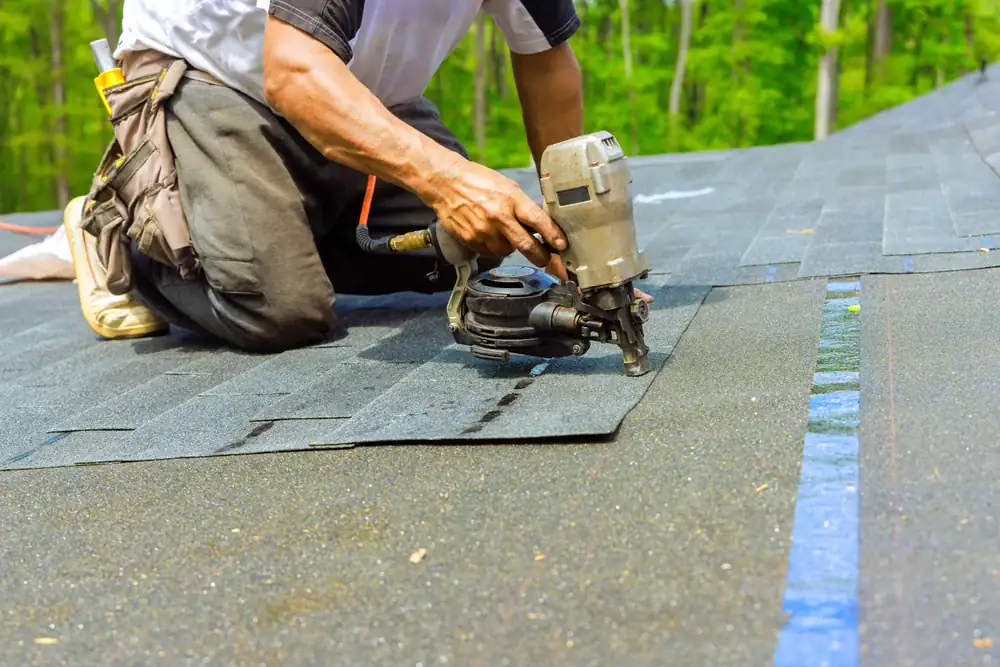
Standing seam sheet metal roofing isn’t installed the same way as exposed fastener panels or asphalt shingles. The entire system depends on concealed clips that allow the metal to expand and contract with temperature changes while maintaining a watertight seal. Get the fastener spacing wrong, use the wrong clip type, or fail to account for thermal movement, and you’re looking at leaks, panel buckling, or complete system failure within a few years.
The raised seams that give this roofing style its name serve a critical function beyond aesthetics. They channel water away from vulnerable connection points and create a mechanical lock between panels that withstands high winds. But that only works if the contractor understands proper panel alignment, seam height specifications, and how to detail transitions at ridges, valleys, and roof penetrations.
Most metal roofing failures don’t happen because the material failed. They happen because the installation was wrong. A contractor who’s never worked with standing seam systems before will learn on your roof, and you’ll pay for their education in callbacks, repairs, and shortened roof lifespan. That’s why verifying hands-on experience with the specific system you’re installing matters more than how long they’ve been in business or how low their bid came in.
In Union County, where freeze-thaw cycles, heavy snow loads, and summer storms test every roof, proper installation isn’t negotiable. Your metal roof should handle 140 mph winds and shed snow efficiently. But it only does that if the contractor knows how to properly secure panels, seal penetrations, and install ice and water barriers in vulnerable areas. Ask to see photos of completed standing seam projects in Elizabeth, Edison, or Woodbridge—not just their general portfolio. Ask about their fastener specifications and underlayment choices. Their answers will tell you whether they actually know what they’re doing or they’re winging it.
Structural Standing Seam Metal Roof Installation Requirements
Structural standing seam metal roofs attach directly to purlins or structural framing without requiring a solid deck underneath. This system is common in commercial applications and some residential designs, but it demands even more precision than standard residential installations. The panels themselves become part of the building’s structural system, which means installation errors can compromise not just waterproofing but structural integrity.
Contractors working with structural standing seam systems need to understand load calculations, proper purlin spacing, and how to account for wind uplift and snow loads specific to New Jersey building codes. Union County’s location means roofs face nor’easters, occasional tropical systems, and heavy winter snow that can exceed 30 pounds per square foot. Your contractor should be able to explain how their installation meets or exceeds local code requirements for your specific roof pitch and exposure, not give you vague assurances that “it’ll be fine.”
The clip system used in structural standing seam roofs must be installed at precise intervals and torqued to manufacturer specifications. Too loose, and you risk panel blow-off during high winds. Too tight, and you prevent the thermal movement the system was designed to accommodate, leading to panel distortion and fastener failure. Most contractors who primarily install asphalt shingles don’t have the training, experience, or specialized tools to handle these requirements correctly.
Before signing any contract, ask whether they’ve installed structural standing seam systems before, how they calculate load requirements, and whether they’ll pull the necessary permits. In many Union County municipalities including Elizabeth and Plainfield, permits are required for roof replacements, and the contractor should handle that process. If they suggest skipping permits or seem unclear about code requirements, that’s a clear signal to look elsewhere before you end up with code violations that complicate future home sales.
You also want to know about their underlayment and waterproofing strategy for standing seamless metal roof applications. Even though standing seam systems are highly water-resistant when properly installed, underlayment protects against ice dams and wind-driven rain that can work underneath panels during severe weather. Contractors who skip or skimp on underlayment are cutting corners that will cost you in leak damage and premature system failure. Ask what type they use, how they detail valleys and penetrations, and whether they install ice and water shield in vulnerable areas along eaves and around chimneys. Their level of detail in answering tells you how seriously they take installation quality versus just getting the job done fast.
Want live answers?
Connect with a USA Home Remodeling LLC expert for fast, friendly support.
Installing a Metal Roof on a House: What the Process Should Look Like
The installation process reveals whether you’re working with professionals or amateurs. It starts with a detailed inspection of your existing roof structure, not a quick glance from the ground or a five-minute walk across shingles. Your contractor should assess decking condition, ventilation adequacy, and any structural issues that need addressing before new roofing goes on. In Union County’s older housing stock, rotted decking and inadequate ventilation are common issues that get worse when covered by a new roof.
Once the project starts, you should see proper protection for your property. That means tarps covering landscaping, magnetic sweeps for stray fasteners, and debris containment systems that prevent damage to siding, windows, and driveways. Contractors who leave your property looking like a disaster zone aren’t just careless about cleanup. They’re careless about installation quality too, because attention to detail either matters to them or it doesn’t.
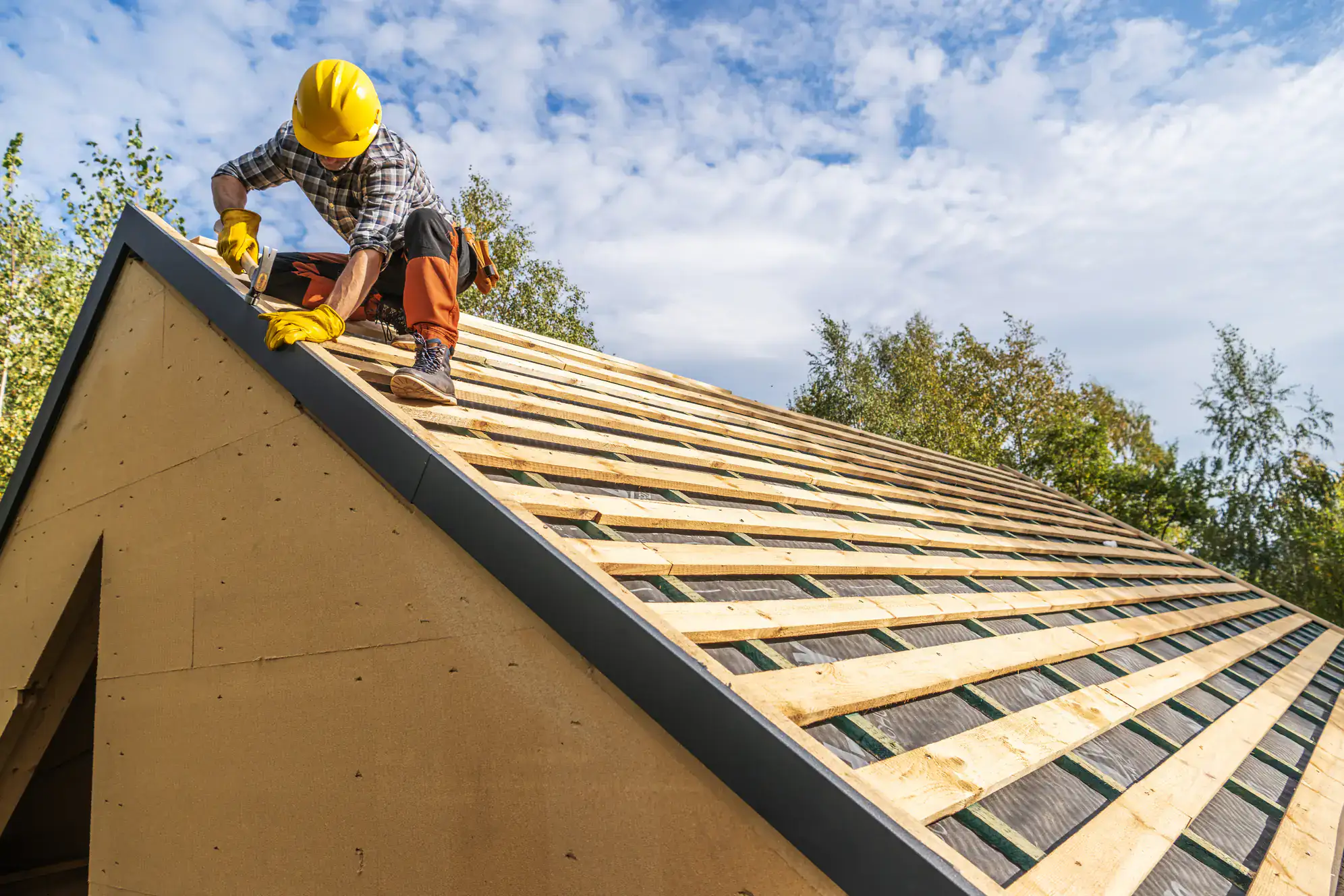
The actual installation sequence matters more than most homeowners realize. Underlayment goes down first, installed in a specific overlap pattern that sheds water correctly even if panels aren’t on yet. Then comes flashing around chimneys, vents, and roof-to-wall transitions. Only after those critical waterproofing details are complete should panels start going up. Contractors who rush this sequence or install panels before flashing is complete are creating future leak points that won’t show up until the next heavy rain.
How to Verify a Contractor's Local Presence and Accountability
Storm chasers show up after every major weather event, knock on doors throughout New Brunswick and Piscataway, offer quick repairs, and disappear once they’ve collected payment. They operate out of trucks with magnetic signs, use P.O. boxes instead of physical addresses, and pressure homeowners to sign contracts immediately with “today only” pricing. By the time you realize the work was substandard or incomplete, they’re three states away working the next storm, and your calls go straight to voicemail.
Local contractors have too much to lose to operate that way. We maintain physical offices you can visit, established reputations in communities like Perth Amboy and Matawan, and long-term relationships with suppliers and manufacturers. When something goes wrong five years from now, we’ll still be here to make it right because our business depends on local reputation. That accountability is worth paying for, even if it means our bid isn’t the lowest.
Before hiring any metal roofing contractor, verify their physical business location. Drive by if you need to. Check how long they’ve been serving Union County specifically, not just “the area” or “New Jersey.” Look for evidence of community involvement, local references, and online reviews from homeowners in nearby towns. A contractor with a 5.0-star Google rating verified by Trustindex and 10+ years in the same location has built that reputation job by job, not by gaming review systems.
Ask where they get their materials and whether they work directly with manufacturers or through distributors. Established contractors have relationships that give them access to better pricing, faster delivery when your project is scheduled, and direct manufacturer support when technical issues arise. Fly-by-night operators buy materials wherever they can get them cheapest, which often means inferior products, inconsistent supply, or panels that don’t match when additional pieces are needed.
You also want to know about their crew. Do they employ their own installers, or do they subcontract the work to whoever’s available? Both models can work, but you need to know who’s actually on your roof and whether they’re covered by the contractor’s insurance. If something goes wrong and the installer isn’t properly insured under the contractor’s workers’ compensation policy, you could be personally liable for medical bills and lost wages from injuries that happen on your property.
What Your Contract Should Include Before You Sign
A vague contract protects the contractor, not you. Before signing anything, you need a detailed scope of work that specifies exact materials by name, panel gauge, color, manufacturer, and installation methods. It should outline the timeline with realistic start and completion dates, payment schedule tied to work milestones, and what happens if unexpected issues like rotted decking arise during tear-off. Ambiguity in contracts always works against the homeowner when disputes arise.
Payment terms tell you a lot about contractor legitimacy and financial stability. You should never pay the full amount upfront, no matter how convincing their reasons sound. Reputable contractors typically request a deposit to order materials—usually 10-30% of the total—progress payments tied to completion milestones, and final payment only after you’ve inspected and approved the finished work. Anyone demanding full payment before starting, requesting cash to “save you on taxes,” or pressuring you to pay for materials before they’re delivered is waving red flags you can’t ignore.
Your contract must also spell out warranty coverage in specific terms, not vague promises. There are two types: manufacturer warranties on materials and workmanship warranties on installation. Both matter, and you need both in writing. The manufacturer warranty typically covers defects in the metal panels and coating, lasting anywhere from 20 to 50 years depending on the product and finish. The workmanship warranty covers installation errors and should last at least 10 years with a reputable contractor, sometimes longer with family-owned businesses that stand behind their work.
Make sure you understand what voids each warranty before problems show up. Many manufacturer warranties require certified installer installation, proper ventilation meeting specific airflow requirements, and approved underlayment products. If your contractor cuts corners on any of those requirements to save time or money, you might void warranty protection without knowing it until you try to file a claim years later and get denied.
The contract should also address permit responsibility, cleanup procedures, and how change orders are handled. Who pulls the permits and pays the fees? Who’s responsible for disposal of old roofing materials and daily debris removal? What happens if they discover rotted decking that needs replacement—is there a predetermined rate for repairs, or will you negotiate pricing after the roof is already torn off? Getting these details in writing prevents disputes and surprise charges that can double your project cost.
Finally, look for an unconditional lien release clause. This protects you from subcontractors or suppliers placing liens on your property if the general contractor doesn’t pay them, which happens more often than homeowners realize. A legitimate contractor will have no problem including this protection in your contract. If they resist, avoid the topic, or claim it’s not necessary, that’s a warning sign about their financial stability or business practices that should make you reconsider working with them.
Making the Right Choice for Your Metal Roofing Project
The contractor you choose determines whether your metal roof investment pays off or becomes a decades-long regret. Focus on verifiable qualifications, not persuasive sales pitches or the lowest bid. Licensing, insurance, manufacturer certifications, and local accountability aren’t optional nice-to-haves. They’re the baseline requirements that separate professionals from operators who’ll cost you more than money when installation errors show up years later.
Standing seam and structural metal roofing systems demand specialized expertise that most contractors don’t have, even if they’ve been installing asphalt shingles for 20 years. Before signing any contract, verify they’ve completed similar projects, understand NJ building codes specific to Union County, and can explain their installation process in technical detail. The quality of their answers tells you everything you need to know about their competence and whether they’re the right fit for your project.
At USA Home Remodeling, we bring 10+ years of local experience serving Union County, manufacturer certifications, transparent pricing with free estimates, and the clear communication that makes complex projects manageable from start to finish. Your roof protects everything inside your home. We protect your investment with the same care.