
Gutter Installation in Ramsey, NJ
Ramsey Homes Deserve Gutters That Actually Handle What Bergen County Throws at Them
Hear from Our Customers
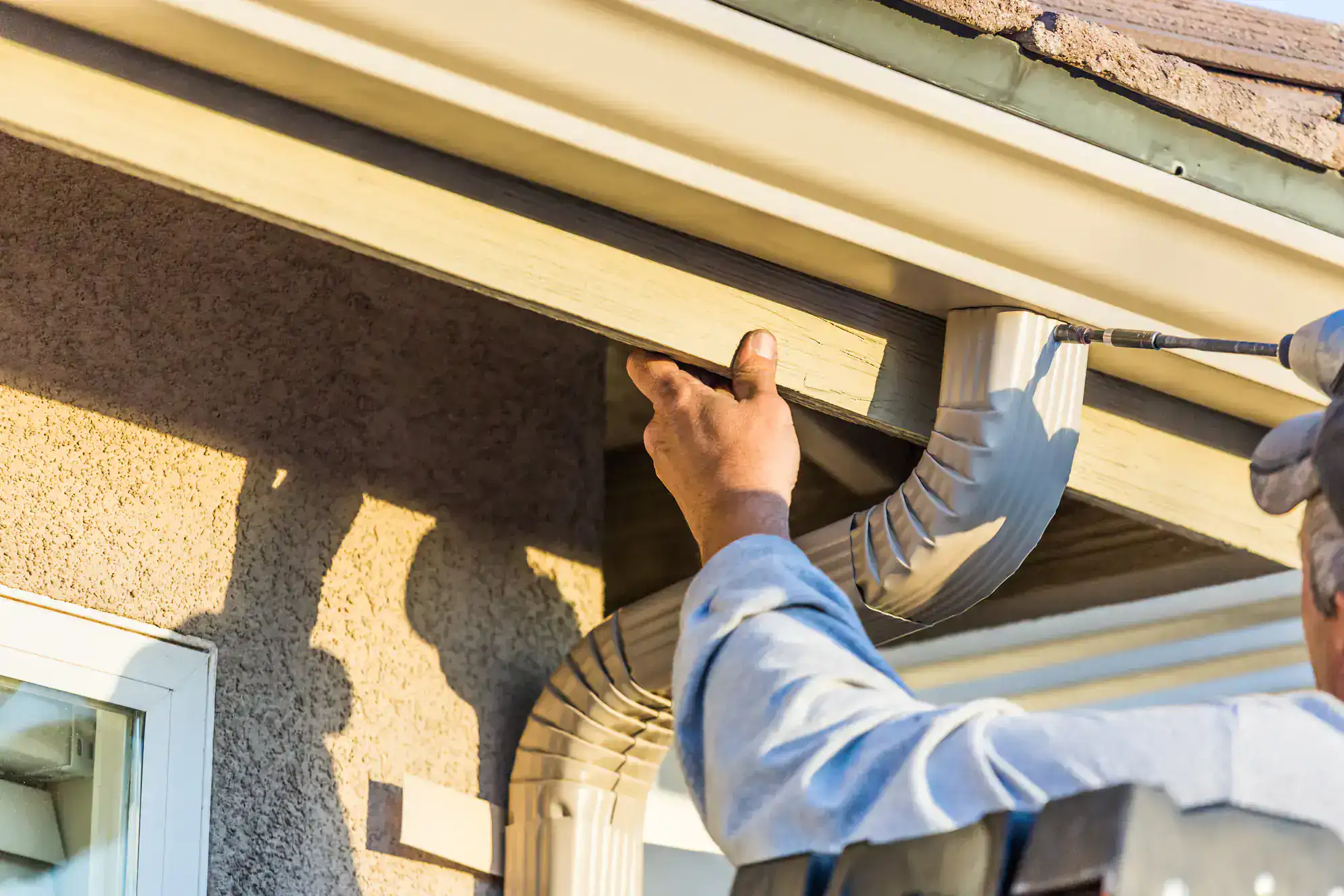
Rain Gutter Installation in Ramsey, NJ
When your gutter system is functioning the way it should, the difference shows up in places most homeowners don’t think about until something goes wrong. Water moves away from your foundation instead of pooling against it. Your fascia boards stay dry instead of rotting behind the gutters. Your basement stays dry through March instead of seeping every time the snow melts off the roof.
For Ramsey homeowners specifically, that matters more than it might in other parts of New Jersey. A large portion of the housing stock here was built between 1940 and 1969 — homes that are well-maintained and well-loved, but carrying exterior systems that have aged right along with them. When a 60-year-old home has gutters to match, the risk isn’t just cosmetic. Water intrusion into an older foundation is a serious, expensive problem. Proper gutter installation in Ramsey is one of the most cost-effective ways to protect a home that’s worth $700,000 or more.
Bergen County also gets roughly 52 inches of rainfall a year, spread across every season. There’s no dry stretch where your gutters get a break. Summer storms hit fast and heavy. Fall fills them with leaves from mature tree canopy. Winter freeze-thaw cycles put mechanical stress on every bracket, seam, and downspout connection. A gutter system installed correctly — with proper slope, the right downspout sizing, and secure fasteners — handles all of it without drama.
Gutter Contractors in Ramsey, NJ
We’re a licensed New Jersey home improvement contractor — License #13VH10605800 — with over ten years of hands-on exterior renovation experience serving Ramsey and the surrounding Bergen County communities. We’re not a national franchise rotating crews through the area. We’ve worked through NJ winters, understand what freeze-thaw cycles do to older fascia boards, and have seen firsthand what happens when gutters are installed without accounting for the actual conditions of the home beneath them.
Ramsey’s neighborhoods — from the older colonials and cape cods near Main Street to the larger homes closer to Finch Park — represent exactly the kind of housing stock where exterior details matter most. These are homes with real equity, real history, and real vulnerability to water damage when drainage systems fail. We bring manufacturer certifications, transparent pricing, and free written estimates to every job — because homeowners protecting a significant asset deserve to know exactly what they’re getting before any work begins.
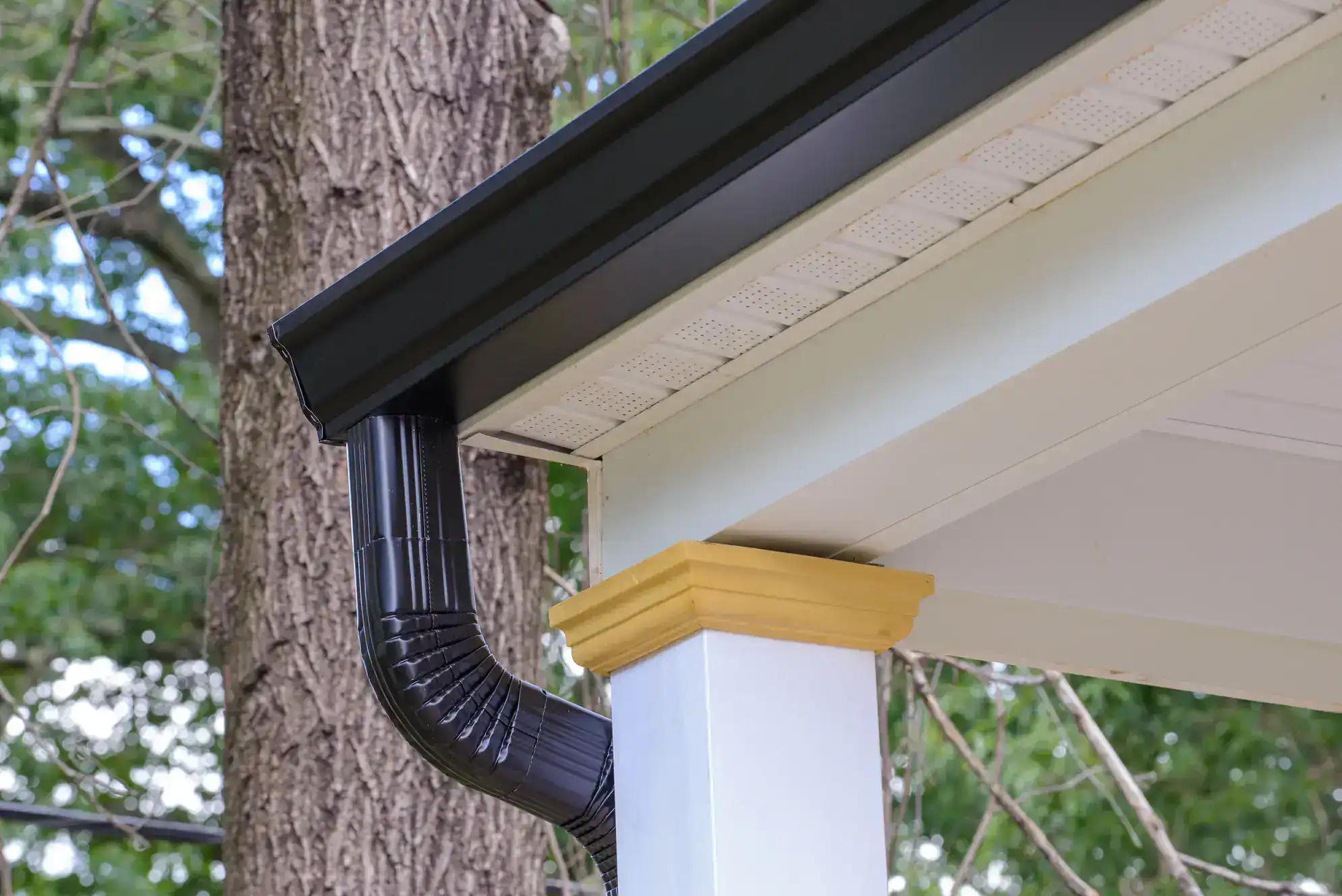
Home Gutter Installation in Ramsey, NJ
It starts with a free inspection. Before anything is quoted or scheduled, we evaluate the full exterior system — not just the gutters, but the fascia boards behind them, the roof edge condition, and the existing downspout placement. In Ramsey’s older housing stock, it’s common to find rotted fascia hidden behind aging gutters. Installing new gutters on compromised wood is a short-term fix that creates a longer-term problem. We identify that upfront, not after the job is done.
From there, you get a written estimate that spells out the full scope — materials, labor, and any fascia repair needed before installation begins. No vague ranges. No line items that appear on the final invoice without warning. Ramsey homeowners are busy — many are commuting into New York or managing demanding careers — and the last thing you need is a contractor who wastes your time or hides costs in the fine print.
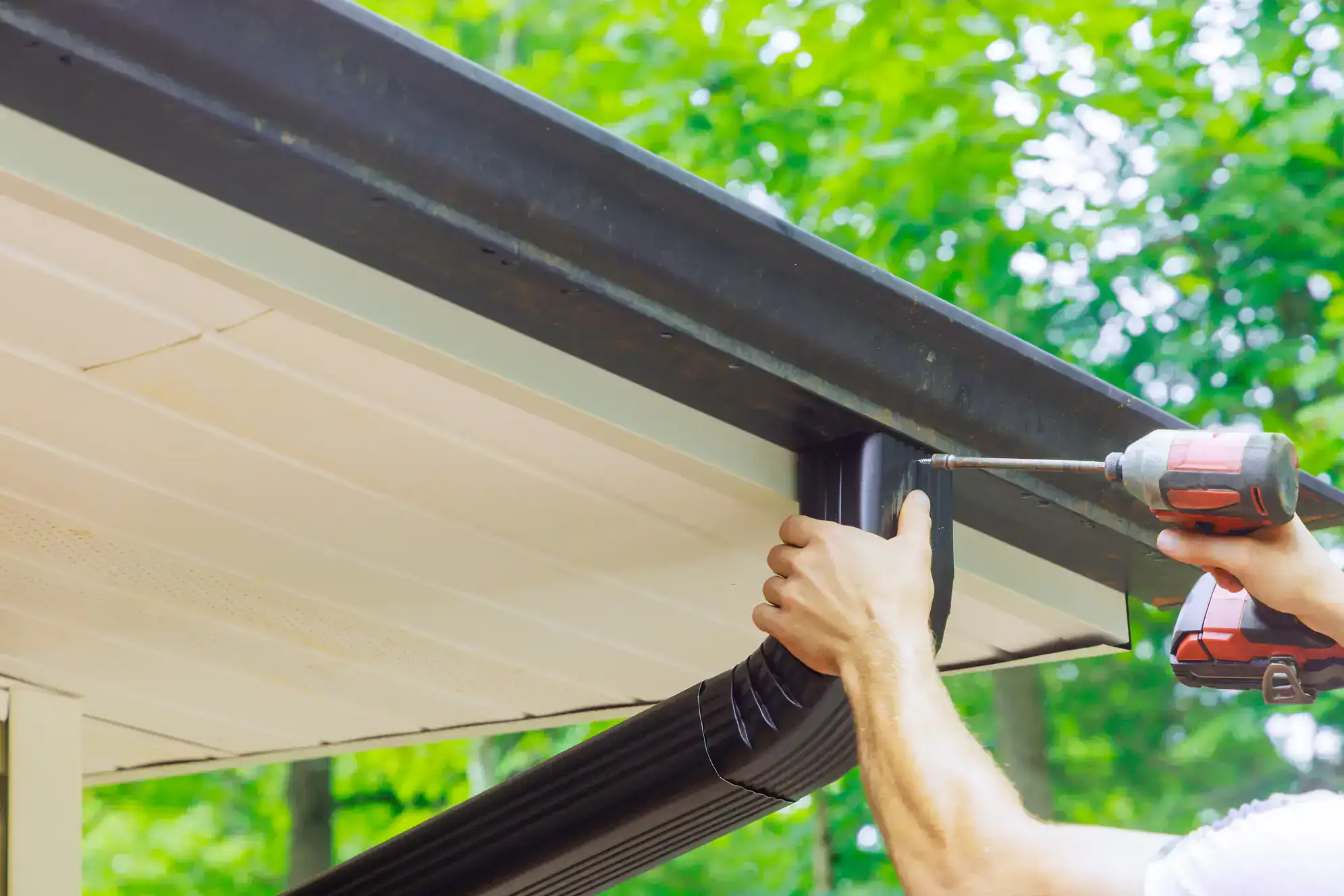
On installation day, we custom-fabricate seamless aluminum gutters on-site to the exact dimensions of your roofline. Slope is calculated before a single bracket goes up — the standard is a quarter inch of pitch per ten feet of run, which ensures water moves toward the downspout instead of pooling and sitting. Downspouts are sized and positioned based on your roof’s actual drainage load, not just wherever they look good. Once the system is in place, we test everything and clean the site before we leave. Gutter installation in Ramsey doesn’t require a separate building permit for like-for-like replacement, but any related fascia or roofing work is handled in full compliance with New Jersey’s Uniform Construction Code.
Ready to get started?
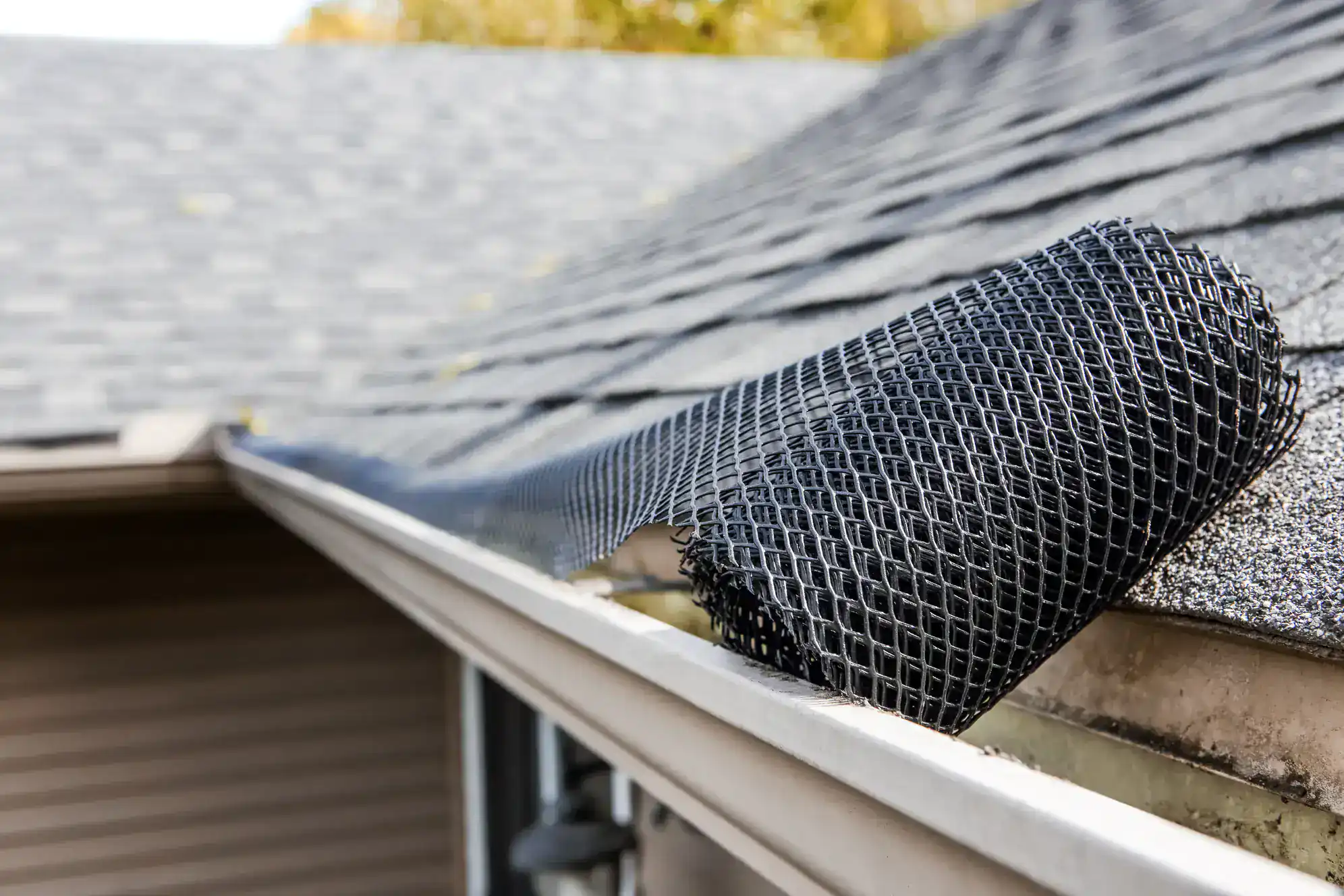
Roof Gutter Installation in Ramsey, NJ
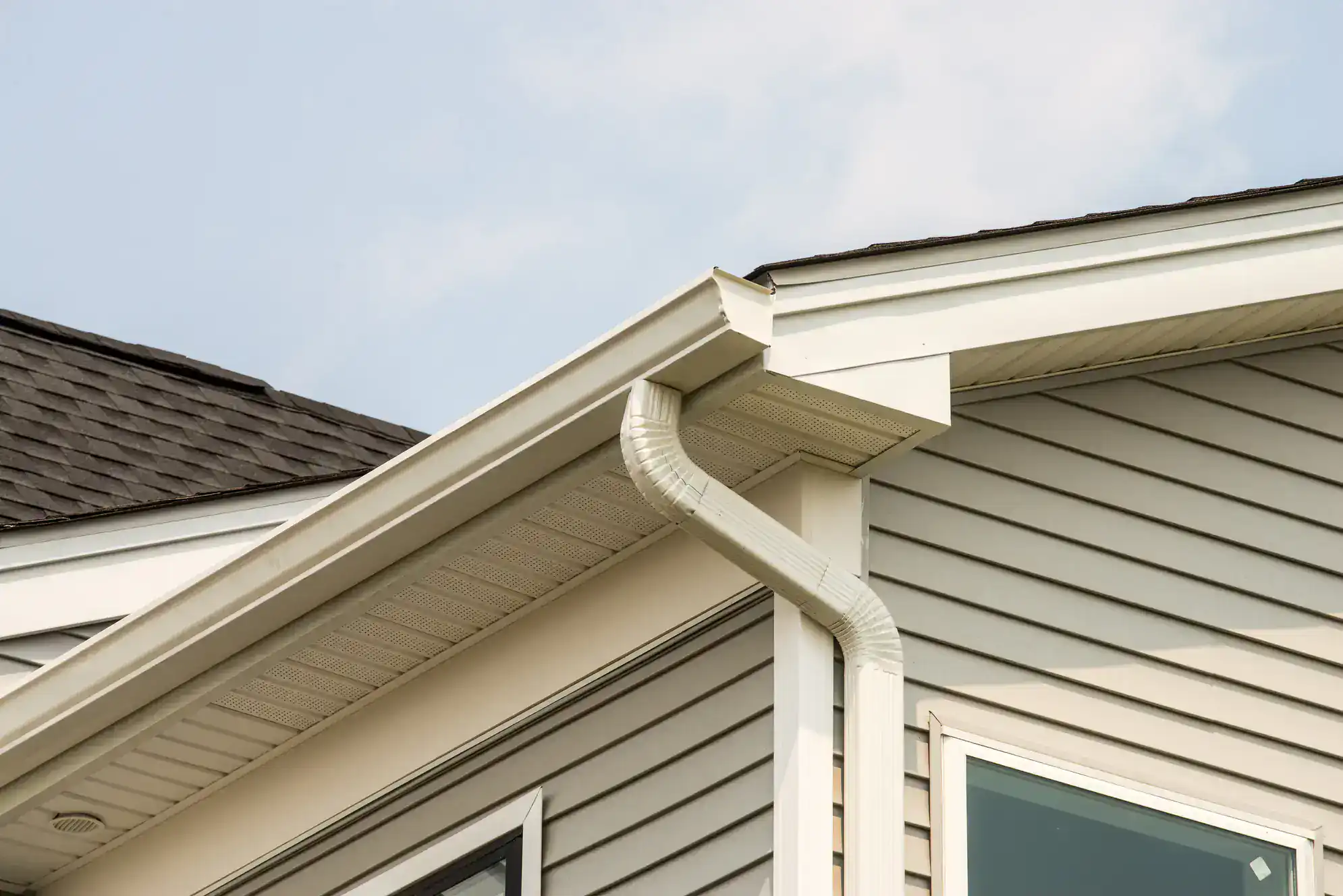
The core of what we install is seamless aluminum gutters, custom-fabricated on-site for each home. Unlike sectional gutters — the kind sold in pre-cut lengths at big-box stores — seamless gutters have no joints along the horizontal run. Joints are where leaks start, and in a climate that puts mechanical stress on gutter systems through every season, eliminating them matters. The only seams on a seamless system are at the corners and downspout connections, where they’re designed to be.
Color matching is part of our process. Ramsey is a community where homes are maintained with care and attention to detail. Your gutters are available in a full range of colors to match your home’s trim and exterior profile — not just slapped up in whatever’s available. Fasteners are hidden hanger systems, not the spike-and-ferrule style that worked in 1975 but pulls out of aging fascia under the weight of ice and snow. For Bergen County winters, that distinction is the difference between gutters that stay put and gutters that need to be reattached every spring.
Downspout extensions are included where needed to move water far enough from your foundation to actually protect it. We also assist homeowners with insurance claims when storm damage is involved — Bergen County Nor’easters and summer wind events regularly produce gutter damage that qualifies for coverage, and most homeowners either don’t file or don’t know how to document it properly. If that’s your situation, we handle the process alongside the installation.
Do I need a permit for gutter installation in Ramsey, NJ?
For a straight like-for-like replacement — new gutters going in where old gutters came off — you generally do not need a separate building permit in Ramsey. New Jersey’s Uniform Construction Code governs residential home improvement work across the state, and standard gutter replacement typically falls outside the permit threshold. Ramsey Borough’s Building Department administers permits locally, so if your project involves anything beyond the gutters themselves — fascia board replacement, soffit work, or a roofing component — it’s worth a quick call to Borough Hall to confirm what applies to your specific scope.
What does matter in New Jersey, regardless of permit requirements, is that the contractor performing the work holds a valid Home Improvement Contractor registration with the NJ Division of Consumer Affairs. Any contractor who can’t give you a license number is operating illegally in this state. Our HIC license number is 13VH10605800 — verifiable directly through the state’s online registry.
How do I know if I need gutter repair or full replacement?
The honest answer is that it depends on what’s actually failing. Gutter repair makes sense when the system is structurally sound but has an isolated issue — a loose downspout connection, a small hole, a section that’s lost its slope. Full replacement makes more sense when the gutters are pulling away from the fascia in multiple spots, when the seams are leaking in several locations, or when the gutters themselves are significantly dented, rusted, or warped.
For Ramsey homes built in the 1940s through 1960s, replacement is often the right call simply because the system has reached the end of its useful life. A gutter that’s 30 or 40 years old may look functional until you’re standing on a ladder looking at the back side of it — and by then, it’s usually been leaking behind the fascia for longer than anyone realized. The free inspection is the right starting point. You’ll get an honest assessment of what’s actually going on before any decision gets made.
What gutter size is right for a Bergen County home?
The two most common residential gutter sizes are 5-inch and 6-inch K-style gutters. For most single-family homes in Ramsey, 5-inch gutters are standard — they handle typical roof drainage loads without being oversized for the home’s profile. However, homes with steeper roof pitches, larger roof surface areas, or sections of roof that drain a high volume of water quickly may benefit from 6-inch gutters, which move roughly 40% more water than a 5-inch system.
Bergen County’s rainfall intensity is a real factor here. Summer thunderstorms in this area can dump significant rain in a very short window — the kind of event where an undersized gutter system overflows before the storm is even over. During the inspection, the roof’s drainage area gets calculated for each gutter run, and sizing recommendations are based on that actual load — not just whatever’s easiest to install. Getting this right upfront is much cheaper than dealing with overflow damage after the fact.
Can ice dams in NJ winters actually damage gutters?
Yes, and it’s one of the more common causes of gutter damage in Northern New Jersey. Ice dams form when heat escapes through the roof — often through inadequate attic insulation — and melts snow near the ridge. That meltwater runs down toward the eaves, where the roof is cold, and refreezes. As the ice builds up, it can get heavy enough to physically pull gutters away from the fascia, crush gutter sections, and force water back up under roofing materials.
Ramsey’s pre-1970 housing stock is particularly vulnerable because older homes frequently have less attic insulation than what’s now standard. The gutter installation side of the solution is making sure the system is fastened with hidden hanger hardware — not old-style spike-and-ferrule fasteners that pull out under load — and that the slope is correct so any meltwater that does move drains quickly before it has a chance to refreeze. If you’ve noticed gutters pulling away from the roofline after winter, that’s usually the cause, and it’s worth addressing before the next freeze cycle.
How long does gutter installation take for a typical Ramsey home?
For most single-family homes in Ramsey, a full gutter installation runs one day. The timeline depends on the total linear footage of gutters, the number of stories, the complexity of the roofline, and whether any fascia repair is needed before installation can begin. A straightforward replacement on a standard colonial or cape cod — common styles throughout Ramsey’s neighborhoods — is typically completed in a single visit.
If fascia board damage is discovered during the initial inspection, that work gets addressed first, which may add time. This is why the inspection matters: finding out the fascia needs attention before installation day keeps the project on schedule instead of creating a mid-job delay. The written estimate you receive will reflect the full scope, so you know what to expect before the crew shows up — not after.
Does homeowner's insurance cover gutter damage from storms in Ramsey, NJ?
It can, and more often than homeowners realize. Bergen County gets its share of damaging weather — Nor’easters, summer thunderstorms with high winds, and ice events that put real mechanical stress on exterior systems. When gutter damage is caused by a covered storm event, most standard homeowner’s insurance policies will cover the repair or replacement cost, minus your deductible.
The challenge is documentation. Insurance adjusters need to see clear evidence that the damage is storm-related rather than the result of deferred maintenance or normal wear. We work directly with Ramsey homeowners on this — documenting the damage properly, communicating with the adjuster, and making sure the claim reflects what actually happened to the home. If you’ve had a significant weather event recently and your gutters are showing damage, it’s worth having the inspection done before you assume it’s coming out of pocket. Many Ramsey homeowners leave money on the table simply because they didn’t know to ask.