
Emergency Roofing: 24-Hour Response Solutions
Summary:
Your ceiling is dripping. The storm just passed. You’re standing in your Union County home watching water spread across the floor, and you need help now—not tomorrow morning, not next week.
Emergency roofing situations create panic, but they don’t have to create chaos. When you know what to expect from a 24-hour roofing response, how to protect your home in those critical first hours, and which steps actually matter for your insurance claim, you can move through the crisis with a clear head. This guide walks you through the entire emergency roofing process, from the moment you spot damage to the final permanent repair.
When to Call an Emergency Roofer
Not every roof issue requires an emergency call, but some situations can’t wait. Active water intrusion tops the list. If water is coming through your ceiling right now, you’re dealing with an emergency. The longer water flows into your home, the more damage spreads to ceilings, walls, insulation, electrical systems, and flooring.
Visible structural damage after a storm also demands immediate attention. Missing shingles, holes punched by tree limbs, or sections of roofing material torn away leave your home exposed to the elements. Even if it’s not currently raining, the next weather event could cause serious interior damage.
Sudden leaks during active weather events require fast response. Union County sees heavy rainfall, winter ice dams, and wind-driven rain that can exploit even small vulnerabilities in your roofing system. What starts as a small drip can escalate within hours as water finds new pathways through compromised areas.
Emergency Roofing Solutions That Stop Damage Fast
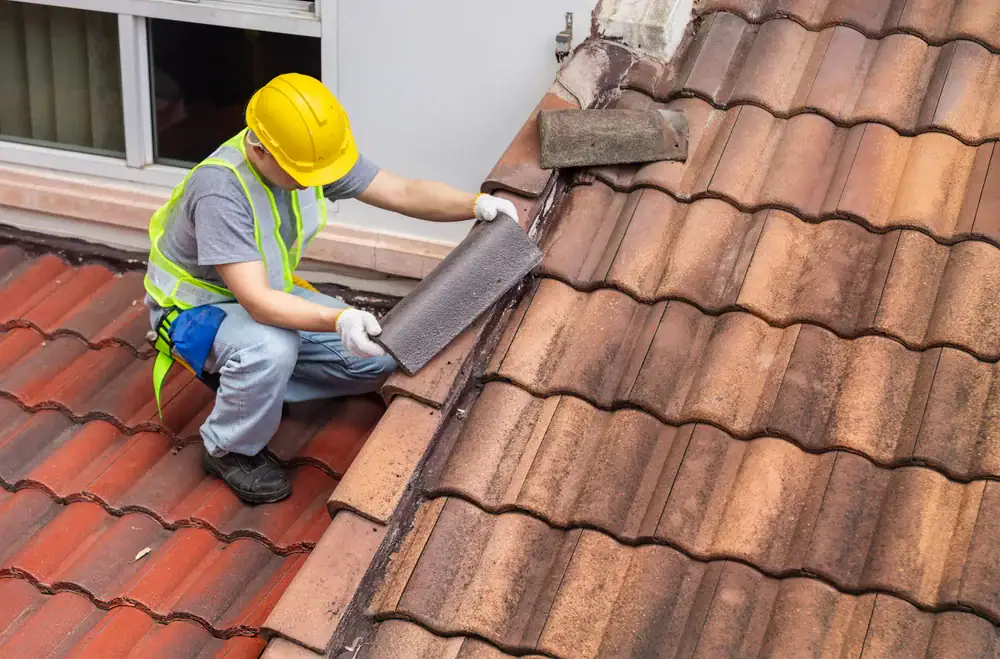
The first goal of any emergency roofing response is damage control. Our crews arrive equipped to stop water intrusion immediately, not next week after materials are ordered. Emergency tarping provides the most common temporary solution—heavy-duty waterproof tarps secured over damaged areas to keep water out until permanent repairs can be completed.
Tarping works, but it’s temporary by design. A professionally installed emergency tarp typically provides reliable protection for about 30 days. After that, weather, wind, and normal roof expansion and contraction can compromise the installation. You’ll want to schedule permanent repairs as soon as your insurance claim processes.
Beyond tarping, our emergency crews handle debris removal when trees or branches cause damage. We’ll secure loose materials, clear gutters that might cause water backup, and identify all damage points so nothing gets missed during the insurance assessment. This thorough approach prevents surprise issues from appearing weeks later.
Emergency response also includes detailed documentation. Photos, measurements, and written assessments create the foundation for your insurance claim. We document everything visible from the roof level, noting both obvious damage and less apparent issues that could cause problems. This documentation protects you if the insurance adjuster misses something during their inspection.
We provide clear communication about what’s happening and what comes next. You shouldn’t be left guessing whether the temporary fix will hold or when permanent repairs can start. We explain the timeline, coordinate with your insurance company, and give you realistic expectations for each phase of the process.
Storm Damage Assessment for Union County Roofs
Union County’s weather patterns create specific roofing challenges. The area’s mature tree canopy drops significant debris onto roofs, and heavy storms bring down limbs that cause direct damage. Leaves and organic matter retain moisture, accelerating shingle deterioration even between major weather events. When storms hit, the combination of wind, rain, and debris impact can overwhelm roofing systems quickly.
Recent severe weather in Union County has produced rainfall totals exceeding 6 inches in under three hours, with flash flooding affecting multiple communities. This kind of intense, concentrated rainfall tests every vulnerable point in a roofing system. Water finds its way through damaged flashing, compromised shingles, and any gaps in the protective barriers.
Winter brings its own set of emergency situations. Snowstorms, freezing winds, ice accumulation, and temperature swings stress roofing materials in ways that summer storms don’t. Snow adds weight to structures. Freezing moisture weakens shingles. Ice clogs gutters and creates dams that force water under roofing materials. Strong winds during winter weather can loosen shingles and flashing, creating entry points for moisture.
A proper storm damage assessment looks beyond the obvious. Missing shingles are easy to spot, but a trained eye also checks for creased tabs, displaced flashing, punctures, loosened ridge caps, and saturated decking. Wind damage often shows up in patterns—edges, ridges, and corners typically take the hardest hits. Hail creates a different damage signature, with impact marks and granule loss across the affected areas.
The assessment should also consider your roof’s age and overall condition. Storm damage to a newer roof might be limited to the immediate impact area. The same storm hitting an older roof could expose underlying vulnerabilities—inadequate ventilation, failing underlayment, or previous repairs that weren’t done properly. Understanding the full picture helps you make informed decisions about repair versus replacement.
Want live answers?
Connect with a USA Home Remodeling LLC expert for fast, friendly support.
Emergency Roofing Services: What Happens When You Call
The emergency roofing process starts with your call. When you contact us for 24/7 emergency roofing service, you’ll reach a live person who can assess your situation and provide a clear timeline for crew dispatch. Not a voicemail. Not an answering service that takes a message. A real person who understands roofing emergencies and can mobilize help.
Response times matter. In Union County, we can respond within 1 to 3 hours depending on current weather conditions, your specific location, and the severity of ongoing storms. We’ll give you a realistic arrival window and call if circumstances change.
When our crew arrives, we’ll perform an initial safety assessment before anyone steps on the roof. Active electrical hazards, structural instability, or dangerous weather conditions might require different approaches. Your safety and our crew’s safety come first, even in an emergency.

24-Hour Emergency Roofing Response Protocols
Our emergency roofing crews follow specific protocols designed to protect your home and document everything for insurance purposes. The first step involves stopping active water intrusion. If water is currently entering your home, that gets addressed immediately with tarps, temporary sealants, or emergency patches depending on the damage type and location.
Next comes comprehensive damage assessment. We inspect the entire affected area, not just the obvious problem spots. Water travels along rafters, underlayment, and decking before it shows up inside your home. A ceiling stain in one room doesn’t tell you where the roof is actually leaking. Thorough inspection finds the true entry points and identifies any secondary damage.
Documentation happens throughout the process. Photos from multiple angles, measurements of affected areas, notes about material conditions, and observations about what caused the failure all go into the emergency service report. This documentation serves multiple purposes—it supports your insurance claim, provides a baseline for permanent repair planning, and creates a record of exactly what was done during the emergency response.
We also provide temporary interior protection guidance. Moving belongings away from active leaks, placing buckets to collect dripping water, and using fans to promote air circulation can minimize interior damage while the roof is being secured. Some emergency situations require interior tarping or plastic sheeting to protect furniture, flooring, or other valuables from ongoing moisture exposure.
Communication continues after the emergency work is complete. You’ll receive a clear explanation of what was done, how long the temporary solution will last, what permanent repairs will involve, and what next steps make sense for your situation. We don’t disappear after tarping your roof—we stay engaged through the insurance process and permanent repair phase.
Insurance Coordination for Emergency Roof Repairs
Insurance claims for emergency roof repairs follow specific timelines and requirements. Most insurance companies have strict deadlines for reporting storm damage—sometimes as short as 12 months from the date of the event, though many policies require “prompt” reporting within 30 to 60 days. Filing too late could mean losing your coverage entirely, so contact your insurance company as soon as you suspect roof damage.
Your first call should go to us, not your insurance company. Stopping active damage takes priority. Once your roof is protected, then you file the claim. Most policies actually require you to prevent further damage, so emergency tarping and temporary repairs typically fall within covered expenses. Save all receipts and documentation from the emergency response.
The insurance adjuster will schedule an inspection to assess the damage and determine coverage. Having us present during this inspection ensures nothing gets missed. Adjusters see dozens of roofs, but they’re not roofing specialists. We can point out damage that might not be immediately obvious and explain how specific storm events caused particular failures.
Understanding your policy type matters. Replacement Cost Value (RCV) policies pay the full cost to replace damaged materials with new, comparable materials. Actual Cash Value (ACV) policies factor in depreciation, paying only what your roof was worth at the time of damage based on its age and condition. If you have an older roof and an ACV policy, you might not receive enough to fully replace it.
The claims process typically takes several weeks to a few months depending on the complexity of the damage and how quickly documentation moves between parties. We can help streamline this by providing detailed estimates, communicating directly with adjusters, and ensuring all required documentation is complete and accurate. We specialize in insurance restoration work and understand exactly what insurance companies need to see.
Don’t sign anything that waives your deductible or promises to “cover” your deductible through inflated pricing. This practice is illegal in many states and can void your insurance claim entirely. Legitimate contractors charge fair prices and expect you to pay your deductible as your policy requires. If someone offers to waive it, they’re either planning to overcharge the insurance company or cut corners on your repair.
Getting Emergency Roofing Help in Union County, NJ
Roof emergencies create stress, but they don’t have to create chaos. When you know what to expect from emergency roofing services, how temporary solutions protect your home, and what the insurance process actually involves, you can move through the crisis with confidence.
The key is fast response from a contractor who understands both the technical side of emergency repairs and the insurance side of getting the work covered. You need someone who shows up when they say they will, stops the damage quickly, documents everything properly, and stays engaged through permanent repairs.
If you’re dealing with storm damage, active leaks, or any roofing emergency in Union County, NJ, we provide 24/7 response with experienced crews, comprehensive damage assessment, and full insurance claim support. Ten years serving local homeowners means we understand Union County’s weather patterns, building requirements, and what it takes to protect your home when every minute counts.