
Elizabeth Roofing Construction Permit Requirements
Summary:
You’re ready to fix your roof. Maybe you’ve noticed missing shingles after the last storm, or your gutters are pulling away from the fascia. You’ve got quotes lined up and you’re ready to move forward—but then someone mentions permits.
If you’re in Elizabeth or anywhere in Union County, that’s not just a suggestion. Most roofing projects require a construction permit, and skipping that step can cost you thousands in fines, insurance denials, or problems when you try to sell your home. This guide breaks down exactly what you need to know about construction permits for roofing and exterior work in Elizabeth, NJ—what requires one, how the process works, and how to avoid the mistakes that trip up homeowners every year.
Construction Permits for Elizabeth NJ Projects
In Elizabeth, the Bureau of Construction oversees all building activity within the city. Their job is to make sure your project meets the New Jersey Uniform Construction Code—a statewide standard designed to protect safety and ensure quality work.
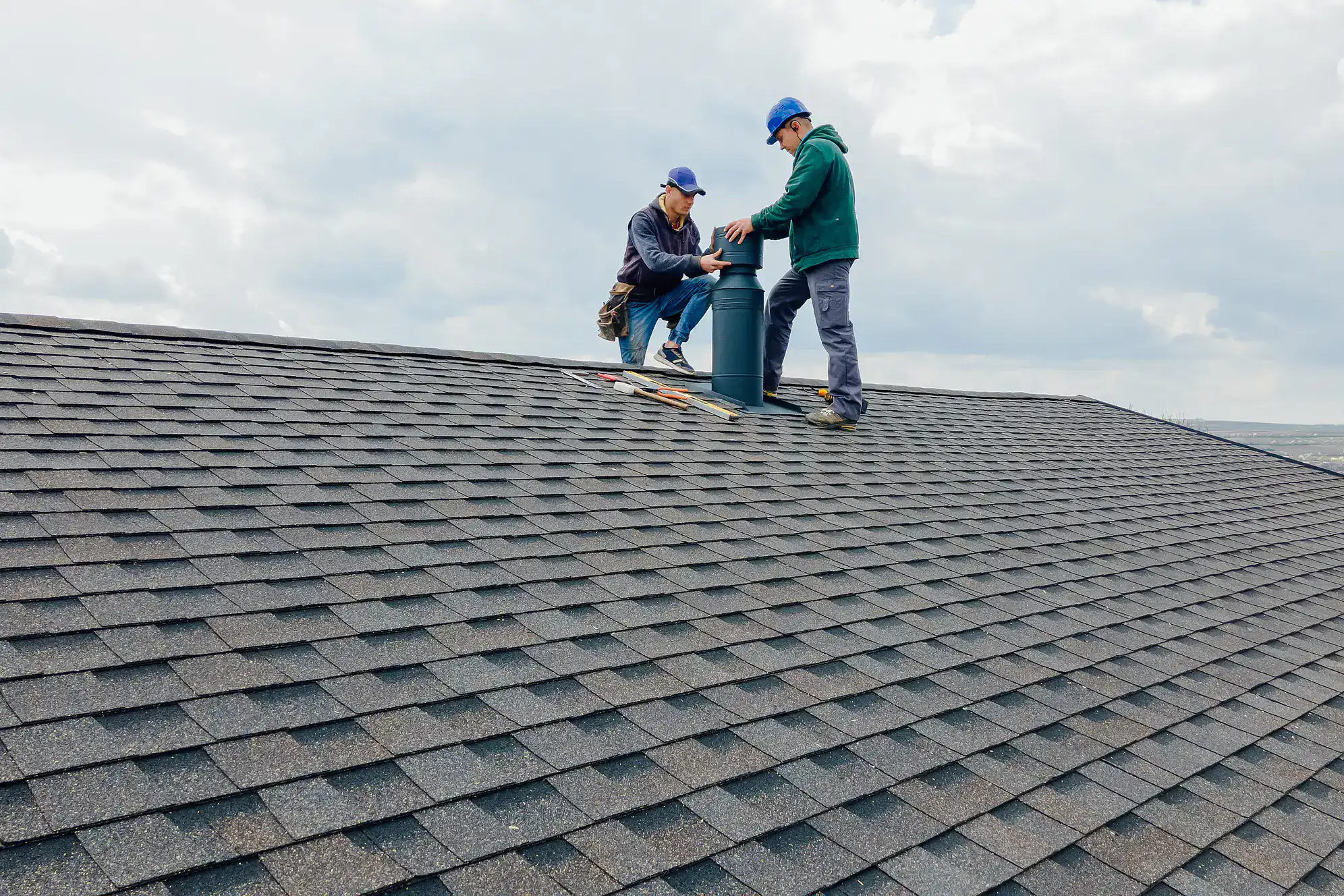
Here’s the reality: most roofing replacements, structural repairs, and exterior renovations require a construction permit. That includes full roof tear-offs, re-roofing over existing shingles, replacing roof decking, and adding skylights or roof windows. Even some repair work crosses the line from “ordinary maintenance” into permit territory if it involves structural changes or affects more than a small section of your roof.
The permit isn’t bureaucracy for its own sake. It triggers inspections that verify your roof was installed correctly, with proper underlayment, flashing, ventilation, and fastening. Those inspections protect you from shoddy work that could fail during the next storm or void your homeowner’s insurance.
Home Renovation Permits Process in Elizabeth
Getting a construction permit in Elizabeth follows a standard process, but knowing what to expect makes it much smoother. You’ll start by submitting an application to the Bureau of Construction—this includes details about the scope of work, estimated costs, and contractor information. If you’re working with a licensed contractor, they typically handle this step for you.
The application gets reviewed to make sure it complies with the Uniform Construction Code and any local zoning requirements. For straightforward projects like roofing or siding, this review is usually quick—many permits for minor work are issued within a few days. More complex projects involving structural changes can take longer, but state law requires municipalities to act on complete applications within 20 business days.
Once your permit is approved and fees are paid, you’ll receive the actual permit document. This needs to be posted visibly at the job site. Your contractor should keep a copy of the approved plans on-site as well, since inspectors may ask to see them.
After the work is done, you’ll need to schedule inspections. For roofing, this often includes an in-progress inspection if decking is being replaced, and a final inspection once everything is complete. The final inspection is what triggers your Certificate of Approval—the document that proves your project was done legally and correctly. Don’t make final payment to your contractor until that certificate is issued. New Jersey law actually backs you up on this.
Roofing Permits Application and Requirements
Roofing permits in Elizabeth are required for most replacement projects, and the requirements are pretty straightforward once you know what you’re dealing with. A full roof replacement—where you’re tearing off old shingles and installing new material—almost always needs a permit. Same goes for structural work like replacing damaged decking, modifying roof pitch, or cutting into the structure to add skylights.
Even if you’re just adding a second layer of shingles over your existing roof (where local code still allows it), you’ll likely need a permit. Some homeowners think overlays are a way around the permit process, but that’s not how it works. Overlays still involve construction work regulated by the building code, and inspectors want to verify it’s done safely.
What doesn’t require a permit? True ordinary maintenance—like replacing a few damaged shingles, patching a small leak, or cleaning your gutters. But the line between maintenance and construction can get blurry fast. If you’re replacing more than 25% of your roof surface, altering any structural components, or making changes that affect how your roof performs, you’re in permit territory.
The permit application itself requires basic information: property address, scope of work, estimated cost, and contractor details (including their license number). Your contractor should be registered with the New Jersey Division of Consumer Affairs and able to provide proof of licensing and insurance. If they’re suggesting you skip the permit to save time or money, that’s a red flag. Licensed professionals know the process and factor permit costs into their estimates from the start.
Permit fees in Elizabeth are typically calculated based on the project’s value, with minimum fees around $100 for basic construction work. Roofing projects usually fall into a standard fee range unless you’re doing extensive structural modifications. Your contractor can give you an accurate estimate of permit costs when they provide your project quote. Those fees are a small fraction of your total project cost—and a tiny price compared to the fines you’d face for unpermitted work.
Want live answers?
Connect with a USA Home Remodeling LLC expert for fast, friendly support.
Building Permits Inspection Requirements and Timeline
Once your permit is issued, inspections become the checkpoints that ensure your project stays on track and up to code. For roofing work in Elizabeth, you’ll typically need at least one inspection—and sometimes more, depending on the scope.
If your project involves replacing roof decking or making structural repairs, an in-progress inspection is usually required while that work is visible. This lets the inspector verify that the decking is properly installed, that any damaged framing has been addressed, and that the roof structure can support the new roofing material. Once that inspection passes, your contractor can move forward with installing underlayment, flashing, and shingles.
The final inspection happens after all roofing work is complete. The inspector will check that shingles are installed correctly, flashing is sealed properly, ventilation meets code requirements, and the overall installation matches what was approved in your permit. This is also when they’ll verify cleanup and make sure the job site is safe. Once you pass final inspection, you’ll receive your Certificate of Approval—the document that officially closes out your permit and proves the work was done legally.

Common Permit Issues and How to Avoid Project Delays
Permit delays and violations are more common than they should be, but most are completely avoidable if you know what to watch for. One of the biggest issues? Contractors who start work before the permit is issued. This might seem like a way to save time, but if a code enforcement officer drives by and sees work happening without a posted permit, you’re looking at an immediate stop-work order and fines that can hit $2,000 per violation.
Another common problem is incomplete applications. If your contractor submits paperwork that’s missing key details—like a signed contractor affidavit, proof of insurance, or adequate project specs—the permit gets kicked back for revisions. That adds days or even weeks to your timeline. Working with an experienced local contractor who knows Elizabeth’s requirements prevents this.
Homeowners also run into trouble when they try to DIY permits for work that requires a licensed professional. In New Jersey, you can pull your own permit if you’re doing work on a single-family home you own and occupy—but that doesn’t mean you should. Electrical, plumbing, and structural work still need to be done by someone qualified, and inspectors will hold you to the same standards they’d hold a licensed contractor. If the work doesn’t pass inspection, you’ll be stuck fixing it yourself or paying someone else to redo it.
Permit expiration is another trap. In most New Jersey municipalities, construction permits are valid for one year from the date of issue. If you don’t start work within that year, or if work is abandoned for more than six months, the permit expires. Getting it reinstated usually means paying additional fees and resubmitting documentation. If your project timeline is uncertain, talk to your contractor about realistic start dates before applying for the permit.
Finally, there’s the issue of unpermitted work discovered later. Maybe a previous homeowner did a roof replacement without a permit, or maybe you’re buying a house and the home inspector flags unpermitted exterior work. This becomes your problem during resale. Buyers will ask for documentation, and if you can’t provide proof that work was permitted and inspected, they may demand a price reduction, require you to get retroactive permits, or walk away entirely. Title companies and lenders don’t like unpermitted work either—it can delay or kill a sale.
Here’s a real scenario that plays out regularly in Union County: A homeowner gets a great deal from an unlicensed roofer who promises to “save them money” by skipping the permit. The roof looks fine for a few years. Then a storm hits, and they file an insurance claim for wind damage. The insurance adjuster asks for permit records and proof that the roof was installed to code. When the homeowner can’t produce them, the claim gets denied—leaving them on the hook for thousands in repairs. That “savings” from skipping the permit just cost them their entire roof.
Working with Licensed Contractors Who Understand Local Permit Requirements
The easiest way to navigate Elizabeth’s permit process is to work with a contractor who’s done it hundreds of times before. A licensed, experienced contractor knows exactly which projects need permits, what documentation the Bureau of Construction requires, and how to avoid the delays that trip up first-timers.
When you hire a reputable contractor, permit management should be part of their service. They’ll prepare and submit the application, communicate with the building department if any questions come up, schedule inspections at the right stages of the project, and make sure everything passes before asking for final payment. You shouldn’t have to chase down inspectors or figure out code compliance on your own—that’s what you’re paying a professional to handle.
But not all contractors operate this way. Some will suggest skipping the permit to keep costs down or speed up the timeline. That’s a massive red flag. Contractors who avoid permits are either inexperienced, unlicensed, or trying to hide substandard work. If something goes wrong—and with roofing, it eventually does—you’ll have no recourse. Your insurance won’t cover unpermitted work, the contractor will likely be long gone, and you’ll be stuck with the bill to fix it properly.
Before you hire anyone, verify their credentials. In New Jersey, home improvement contractors must be registered with the Division of Consumer Affairs. You can look up their registration number online to confirm it’s active and check for any complaints or violations. Licensed contractors also carry insurance—both general liability and workers’ compensation—which protects you if someone gets hurt on your property or if the work causes damage.
A good contractor will also explain the permit process upfront. They’ll include permit fees in their written estimate so there are no surprises, and they’ll give you a realistic timeline that accounts for permit approval and inspection scheduling. They’ll answer your questions about what the inspector will be looking for and what happens if something doesn’t pass on the first try.
Local experience matters too. A contractor who regularly works in Elizabeth and Union County knows the quirks of the local building department. They know which inspectors are sticklers for specific details, how long permits typically take to process, and whether any recent code changes affect your project. That knowledge saves you time and headaches.
In Elizabeth specifically, contractors familiar with the Bureau of Construction understand how to navigate the review process efficiently. They know that minor work like standard roofing replacements often gets approved quickly, while projects involving structural modifications or zoning variances require additional documentation and longer review periods. They also understand that Elizabeth, like other Union County municipalities, takes code enforcement seriously—permit violations aren’t just theoretical risks, they’re real consequences that local officials actively pursue.
When you’re comparing contractors, ask specific questions about their permit process. How many roofing permits have they pulled in Elizabeth? Do they handle all the paperwork themselves, or do they expect you to manage it? What happens if an inspection doesn’t pass on the first attempt? How do they communicate with the building department, and will they keep you updated throughout the process? The answers to these questions will tell you whether you’re dealing with a professional who takes permits seriously or someone who’s going to create problems down the line.
Protecting Your Investment with Proper Permits
Construction permits aren’t just paperwork—they’re protection. They ensure your roof is installed safely and correctly. They keep your insurance coverage intact. They prevent fines and legal headaches. And they preserve your home’s value when it’s time to sell.
If you’re planning roofing or exterior work in Elizabeth, don’t gamble with shortcuts. Work with a licensed contractor who understands local permit requirements and handles the process from start to finish. The permit fee is a small investment compared to the cost of doing it wrong.
We’ve been serving Union County homeowners for over a decade, managing permits, inspections, and quality installations with transparent pricing and professional service. If you’re ready to move forward with your project the right way, reach out for a free estimate.