
Corrugated Metal Roofing vs Traditional Shingles
Summary:
You’re looking at your roof and you know it needs replacing. Maybe you’ve seen shingles in the yard after the last storm, or there’s a leak that keeps coming back no matter how many times you patch it. Now you’re researching options and the numbers don’t make sense. Why does metal cost twice as much? Will it really last 50 years? And is anyone actually going to give you a straight answer about what you should put on your house?
Here’s what you need to know about corrugated metal roofing versus traditional asphalt shingles for homes in Union County, NJ. Real costs, real lifespans, and the factors that actually determine whether metal or shingles make sense for your situation.
What Makes Corrugated Metal Roofing Different from Asphalt Shingles
Corrugated metal roofing and asphalt shingles are fundamentally different systems, not just different price points. Asphalt shingles are petroleum-based products layered onto your roof deck in an overlapping pattern. They work through redundancy—water hits one shingle, runs down to the next, and eventually makes it to your gutters. The granules on top protect the asphalt from UV damage and give you color options.
Corrugated metal roofing uses large steel or aluminum panels with a wavy pattern that adds structural strength. These panels overlap and fasten directly to the roof deck with exposed screws. The corrugated shape channels water off quickly and the metal itself doesn’t absorb moisture or degrade from sun exposure the way petroleum-based shingles do.
Standing seam metal roofs take this further with hidden fasteners and interlocking panels, but corrugated metal hits a middle ground between traditional shingles and premium metal systems. You get metal’s durability and longevity at a price point closer to architectural shingles than standing seam.
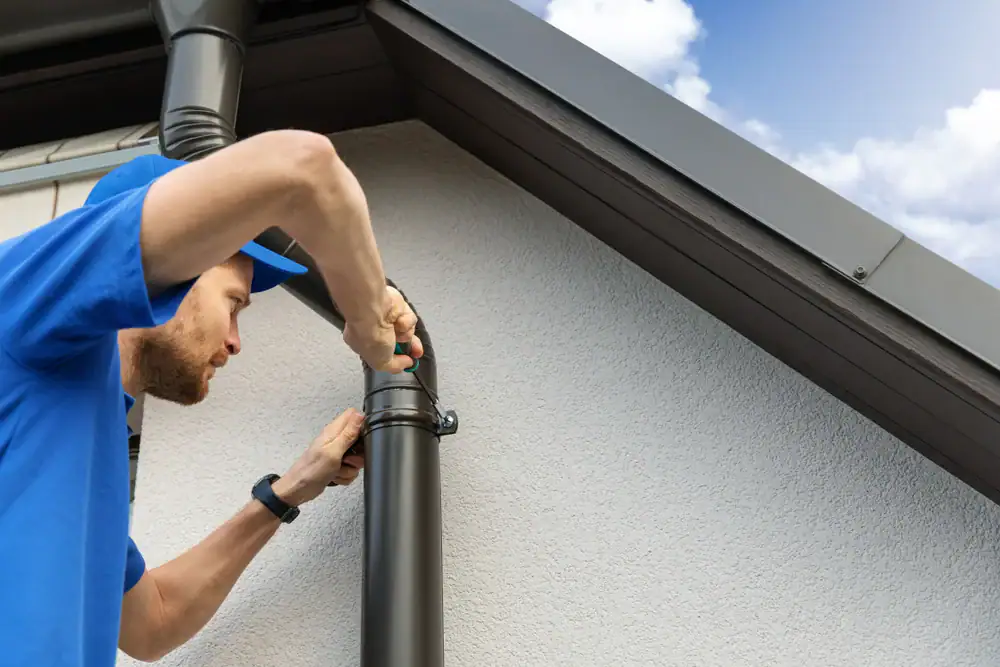
How Corrugated Steel Roofing Performs in Union County Weather
Union County sits in a climate that tests roofs hard. You get heavy snow in January, ice dams in February, spring rainstorms that dump inches in hours, summer heat that pushes attic temperatures past 140 degrees, and fall nor’easters with sustained winds. Your roof needs to handle all of it without falling apart in 10 years.
Corrugated steel roofing sheds snow and ice better than shingles because the metal surface stays slick and the panels run continuously from ridge to eave. Snow slides off before it builds up enough to cause structural stress or ice damming. Shingles, especially older ones with granule loss, hold snow longer and create those ice ridges that back water under the shingles and into your attic.
When it comes to wind, properly installed corrugated metal with the right fastener schedule can handle sustained winds better than standard shingles. The panels are larger and secured more frequently than individual shingles. You’re less likely to see pieces of your roof in the yard after a storm. That said, installation quality matters more with metal than shingles because one improperly sealed fastener can become a leak point.
Heat performance is where metal roofing really separates from asphalt. Metal reflects solar radiation instead of absorbing it. Your attic stays cooler in summer, which means your air conditioner works less. Asphalt shingles absorb heat and transfer it into your attic space. On a 90-degree day, your shingle roof can hit 160 degrees while a metal roof stays closer to 100. That temperature difference shows up on your electric bill every month from June through September.
Humidity and moisture are constant challenges in New Jersey. Asphalt shingles can develop algae growth, especially on north-facing slopes that don’t get direct sun. You’ll see those black streaks on older roofs around Union County. Metal doesn’t support algae growth and won’t rot or develop mold the way organic roofing materials can. In a humid climate, that’s one less maintenance issue to worry about.
Understanding Different Types of Residential Metal Roofing
When someone says “metal roof,” they could mean several different products. Corrugated metal is one specific type, but understanding the full range helps you know what you’re comparing and what contractors are quoting.
Corrugated metal roofing features the classic wavy pattern you might associate with barns or industrial buildings, but modern residential versions come in cleaner profiles and factory-applied colors that work with traditional home styles. The corrugation adds strength without requiring thicker, heavier metal. Most residential corrugated roofs use 26-gauge or 29-gauge steel with a galvanized or galvalume coating for rust protection, then a painted finish for color and additional UV protection.
Standing seam metal roofs use flat panels with raised vertical seams every 12 to 18 inches. The fasteners hide under the seams instead of penetrating through the panel face. This creates a cleaner look and eliminates the most common failure point in exposed fastener systems. Standing seam costs more than corrugated but requires less maintenance over its lifespan because you’re not dealing with fastener degradation.
Metal shingles are individual panels stamped and shaped to look like traditional asphalt shingles, slate, or wood shakes. They install more like shingles than panels, which some contractors prefer. You get metal’s durability with a more traditional appearance. They typically cost more than corrugated panels but less than standing seam systems.
The metal itself matters too. Steel is the most common and most affordable option for residential roofing. It’s strong, holds paint well, and performs reliably in most climates. Aluminum costs more but resists corrosion better, which matters if you’re near the coast or in areas with heavy salt use on winter roads. Copper is the premium option with a 100-plus year lifespan, but the cost puts it out of reach for most residential projects.
For Union County homes, galvalume steel corrugated or standing seam roofing offers the best balance of performance, longevity, and cost. The galvalume coating provides better corrosion resistance than straight galvanized steel, and the painted finish protects against UV degradation while giving you color options that work with your home’s style.
Want live answers?
Connect with a USA Home Remodeling LLC expert for fast, friendly support.
Metal Shingle Roof Cost Comparison: What You Actually Pay
The cost question is where most homeowners get stuck. You’ll see numbers all over the place online, and when you start getting quotes, the ranges make it hard to know if you’re being quoted fairly or being taken advantage of.
For a typical Union County home with 2,000 square feet of roof area, here’s what you’re realistically looking at in 2026. Asphalt shingles run $10,000 to $15,000 installed for architectural-grade shingles. That includes tear-off of your old roof, disposal, any minor deck repairs, new underlayment, shingles, and installation. Corrugated metal roofing for the same house runs $14,000 to $24,000 installed. Standing seam metal pushes higher, typically $20,000 to $35,000 or more depending on complexity.
Those ranges exist because your specific roof affects the final number more than the material choice. A simple gable roof with two flat planes and no valleys installs faster and uses less material than a complex hip roof with dormers, skylights, and multiple penetrations. Steeper pitch means more safety equipment, slower work, and higher labor costs. Access matters too—if crews can’t get materials close to the house or there are landscaping obstacles, that adds time and cost.
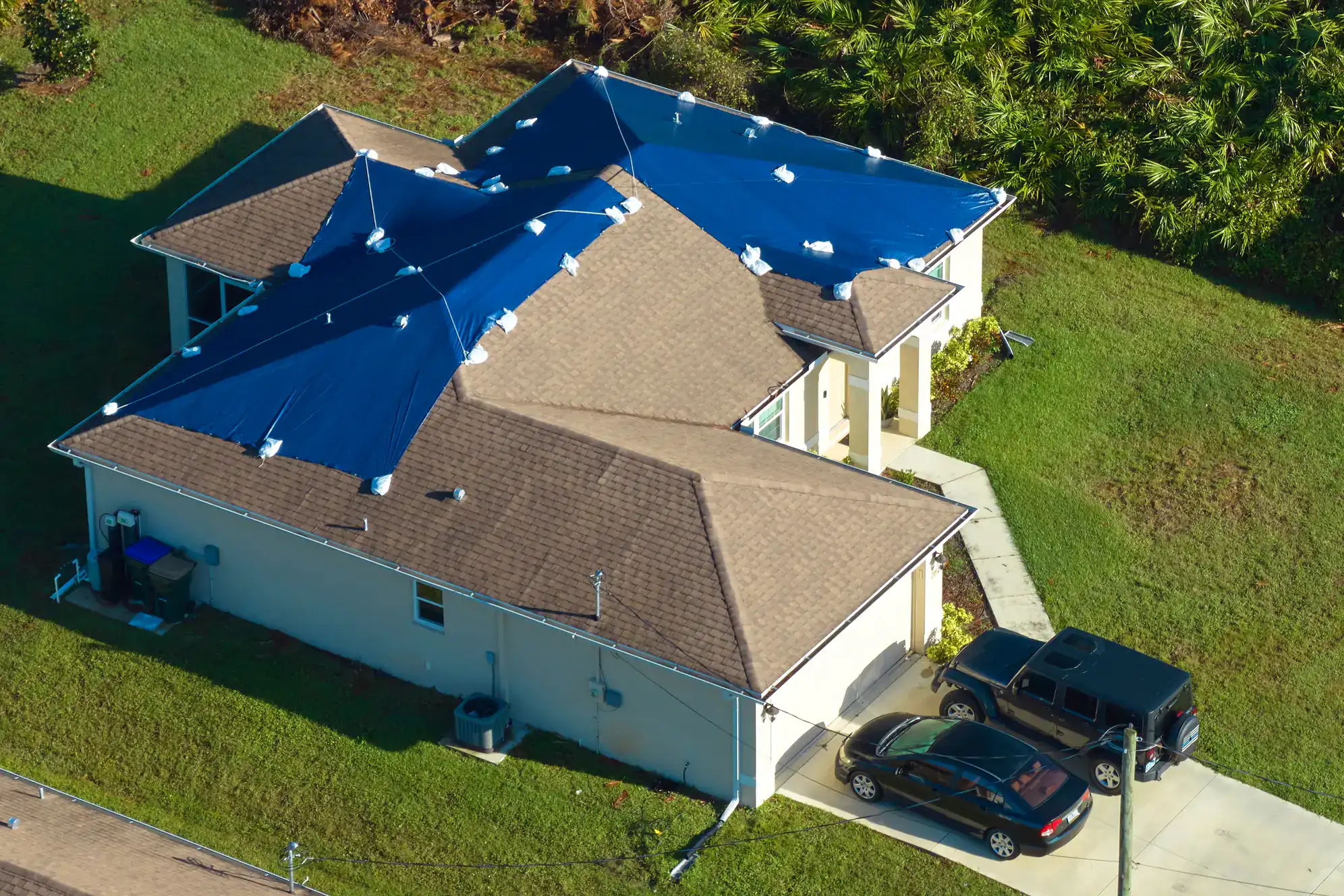
Breaking Down Where Your Money Goes
Understanding what drives roofing costs helps you evaluate quotes and know where you can adjust if you need to hit a specific budget. Material costs are the visible part, but labor, disposal, and preparation often make up more of the total than homeowners expect.
For asphalt shingles, materials run $1 to $3 per square foot depending on quality. Architectural shingles cost more than basic three-tab, and impact-resistant shingles with a Class 4 rating cost more than standard architectural. Labor adds another $2 to $4 per square foot depending on your roof’s complexity and the contractor’s overhead structure. Tear-off and disposal add $1 to $3 per square foot. If you have two layers of old shingles, removal costs go up because there’s more material to strip and haul away.
Metal roofing materials cost more per square foot because you’re buying a product engineered to last 40 to 70 years instead of 20 to 25. Corrugated metal panels run $2 to $5 per square foot for materials. Standing seam materials range from $4 to $10 per square foot before installation. Labor costs are higher for metal because installation requires more skill and takes longer than shingles. You’re looking at $3 to $8 per square foot for labor depending on the system type and roof complexity.
The other costs that affect both materials include underlayment, flashing, ventilation, and any deck repairs discovered during tear-off. Quality synthetic underlayment costs more than felt paper but performs better in New Jersey’s climate. Proper ventilation extends your roof’s lifespan regardless of material, but it’s especially important with metal to prevent condensation issues. If your roof deck has rot or damage from the old roof leaking, that repair cost is the same whether you’re installing shingles or metal.
One cost that surprises homeowners is the disposal fee for old roofing. A 2,000-square-foot roof generates 3 to 5 tons of waste when you tear off old shingles. Dumpster rental and dump fees add up, typically $800 to $1,500 for a standard residential job. Metal roofing over one layer of shingles can sometimes avoid this cost, but building codes in many areas require full tear-off, and you need to inspect the deck condition before covering it with a 50-year roof.
Permits and inspections add a few hundred dollars in most Union County municipalities. Your contractor should handle this as part of the job, but it’s worth confirming what’s included in the quote. Some contractors price permits separately, others build it into the total. Either way is fine as long as it’s clear upfront.
The bottom line is that labor and preparation make up 50 to 70 percent of your total roofing cost regardless of material. That’s why shopping purely on material price doesn’t tell the full story. You’re paying for skilled installation that keeps water out of your house for decades, not just for panels or shingles sitting in your driveway.
Compare Cost of Metal Roof to Shingle Over Time
The upfront cost difference between metal and shingles is real and significant. But the cost conversation changes when you factor in how long each roof lasts and what happens when it’s time to replace it again.
Asphalt shingles in Union County’s climate realistically last 20 to 25 years. You might get 30 years out of premium architectural shingles with perfect installation, ideal ventilation, and minimal storm damage, but that’s the high end of the range. Most homeowners replace their shingle roof sometime in that 20 to 25-year window. If you’re 40 years old and planning to stay in your house through retirement, you’re looking at one roof replacement now and another in your early 60s.
Corrugated steel roofing lasts 40 to 50 years with minimal maintenance. Standing seam metal roofs can hit 60 to 70 years. Copper goes 100-plus years, but again, the cost puts it in a different category. If you install a metal roof at 40, there’s a good chance it’s the last roof you buy for that house.
Let’s run the numbers on a 30-year ownership timeline. You install architectural shingles today for $13,000. In 22 years, you replace them again. Accounting for inflation at a conservative 3 percent annually, that second roof costs about $23,000. Your total roofing investment over 30 years is $36,000 for two shingle roofs.
You install corrugated metal today for $20,000. In 30 years, that roof still has 10 to 20 years of life left. Your total roofing investment is $20,000 for one metal roof that outlasts your ownership. The metal roof saves you $16,000 over that timeline, plus the hassle of going through another roof replacement in your 60s.
This math changes if you’re planning to sell in 5 to 10 years. You won’t be in the house long enough to see the metal roof’s longevity advantage. In that case, shingles make more financial sense because you’re optimizing for immediate resale value, not long-term cost savings. A new shingle roof returns about 68 percent of its cost in increased home value when you sell. Metal roofs return about 50 percent immediately but add more value if the buyer plans to stay long-term.
Energy savings tilt the equation further toward metal. If metal roofing reduces your cooling costs by $300 to $500 per year in New Jersey’s summers, that’s $9,000 to $15,000 saved over 30 years. Shingles don’t deliver that savings. Add that to the avoided second replacement cost and the total value difference becomes substantial.
Maintenance costs matter too. Asphalt shingles need periodic repairs for wind damage, granule loss, algae cleaning, and individual shingle replacement. You might spend $500 to $1,500 every few years keeping a shingle roof in good condition. Metal roofs need occasional fastener inspection on exposed fastener systems, but major repairs are rare if the roof was installed correctly. Over decades, those maintenance costs add up to thousands more for shingles versus metal.
The point isn’t that metal is always cheaper. It’s not, especially in the first 10 years of ownership. The point is that the cost comparison needs to include the full ownership timeline, not just the installation invoice. If you’re staying in your house long-term, metal roofing’s higher upfront cost gets offset by longer lifespan, lower maintenance, and energy savings. If you’re selling soon, shingles make more sense because the upfront cost is lower and you won’t be around to see the metal roof’s advantages play out.
Choosing the Best Residential Metal Roof for Your Union County Home
The decision between corrugated metal roofing and traditional asphalt shingles comes down to your timeline, your budget, and what you value most in a roof. If you’re planning to stay in your home for 20-plus years and you can handle the higher upfront investment, metal roofing delivers better long-term value through longer lifespan, lower maintenance, and energy savings. If you need to minimize upfront costs or you’re planning to sell within 10 years, asphalt shingles make more financial sense.
Either way, the quality of installation matters more than the material choice. A poorly installed metal roof will leak and fail early. A well-installed shingle roof will hit its full 25-year lifespan and protect your home reliably. Work with a contractor who provides transparent pricing, explains what’s included in the quote, and has a track record of quality work in Union County’s climate.
We’ve served Edison, New Brunswick, Woodbridge, Plainfield, and surrounding Union County communities for over a decade with honest pricing and quality installations. If you’re ready to get a clear answer about what your roof replacement will actually cost, reach out for a free estimate that breaks down materials, labor, and scope without pressure or hidden fees.