
Commercial vs Residential Roofing Experts
Summary:
You’re looking at your roof and trying to figure out who to call. A quick search brings up dozens of contractors in Union County, but here’s what most don’t tell you upfront: not every roofing company handles both commercial and residential work. The materials are different. The installation methods are different. Even the licensing and insurance requirements can vary.
If you own commercial property in Elizabeth or Plainfield, or you’re a homeowner in Westfield considering metal roofing, understanding these differences matters more than you think. The wrong choice doesn’t just waste money—it can void warranties, fail inspections, and leave you dealing with leaks years earlier than you should.
Let’s walk through what actually separates commercial roofing contractors from residential roofing companies, and more importantly, how to tell if the contractor you’re considering has the right experience for your specific project.
What Makes Commercial and Residential Roofing Different
The gap between commercial and residential roofing isn’t just about building size. Commercial roofs typically feature flat or low-slope designs that accommodate HVAC units, ventilation systems, and other rooftop equipment. Residential roofs usually have steeper pitches designed for efficient water drainage and aesthetic appeal.
Materials tell the story too. Most homes in Union County use asphalt shingles, while commercial buildings rely on membrane systems like TPO, EPDM, or modified bitumen. These aren’t interchangeable—each requires specific installation knowledge and equipment.
The timeline and crew size differ as well. A residential roofing crew of four to six workers can typically complete an average home in one day. Commercial projects require larger teams and can take weeks or months depending on the building size and complexity. That difference in scale affects everything from project management to warranty structures.
Commercial Roofing Materials and Installation Requirements
Walk onto a commercial roof in Elizabeth or Plainfield, and you’re likely standing on a flat or low-slope surface covered with a single-ply membrane system. TPO roofing has become one of the fastest-growing commercial roofing systems because it balances cost with performance. The white reflective surface reduces cooling costs—a real benefit when you’re managing a large building’s energy bills.
EPDM roofing, often called rubber roofing, has been around since the 1960s and offers proven durability. The black membrane absorbs heat, which can actually help with snow melt during New Jersey winters. Installation involves rolling out large sheets and securing seams with tape or adhesive, which requires different skills than nailing down shingles.
Then there’s the equipment factor. Installing TPO requires hot air welding equipment to seal seams—not something a residential crew typically carries. Commercial roofing contractors invest tens of thousands of dollars in specialized tools because the job demands it. Heat-welded seams create waterproof barriers that adhesive-based systems can’t match.
Flat roofing companies also need to understand drainage differently. Without a natural slope, water management becomes critical. Ponding water can lead to membrane deterioration and eventual leaks. We design and install systems that account for these challenges, incorporating proper drainage solutions and walkway pads to protect the membrane from foot traffic and equipment.
Residential Roofing Systems and Metal Roofing Applications
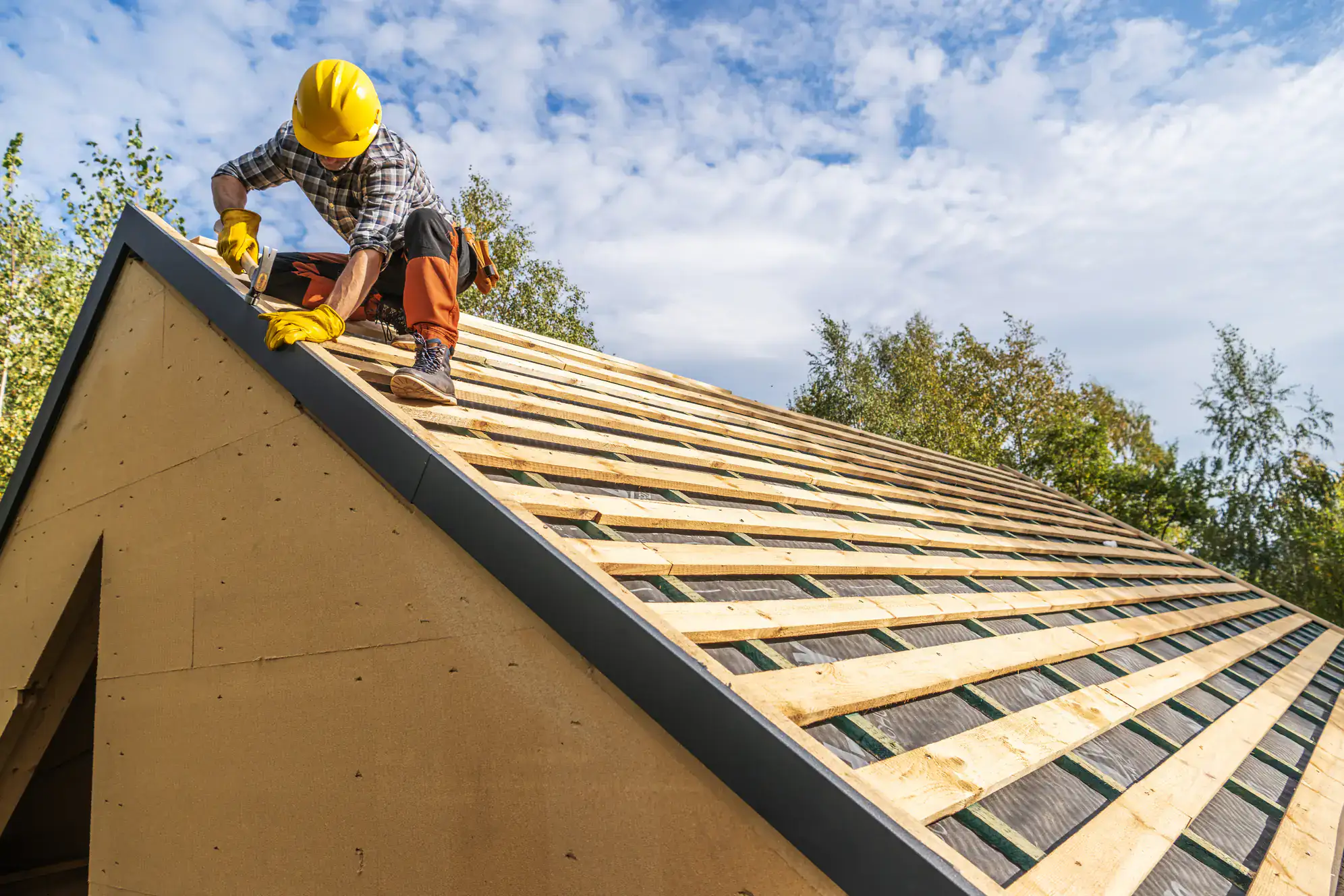
Most residential roofs in Union County feature asphalt shingles on pitched designs. The installation process involves attaching plywood to timber rafters, installing protective underlayment, and then laying shingles in overlapping rows. It’s straightforward work when done properly, but it’s fundamentally different from commercial applications.
Metal roofing companies represent a growing segment of residential roofing. Metal roofs offer durability that can last 50 years or more, resist wind damage better than shingles, and provide energy efficiency through reflective coatings. But here’s what homeowners need to know: not all roofing contractors have experience with metal installations.
Standing seam metal roofing requires precision. Panels interlock and the seams rise above the roof surface, creating a watertight barrier without exposed fasteners. This installation technique differs completely from both shingle work and commercial membrane systems. You need a contractor who understands thermal expansion, proper panel overlap, and how to flash around chimneys and valleys without creating future leak points.
Residential metal roofing also involves aesthetic considerations that commercial work doesn’t. Color selection, panel profile, and how the roof complements your home’s architecture matter to homeowners in Cranford or Summit in ways they don’t for warehouse owners. Residential roofing companies that specialize in metal work understand these concerns and can guide you through options that balance performance with curb appeal.
The warranty structure for residential metal roofing often includes both manufacturer coverage on materials and contractor guarantees on workmanship. Understanding what each warranty covers, how long protection lasts, and whether coverage transfers if you sell your home requires asking specific questions during the contractor selection process.
Want live answers?
Connect with a USA Home Remodeling LLC expert for fast, friendly support.
How to Verify Roofing Contractor Credentials and Licensing
Licensing requirements for roofing contractors vary by state, and New Jersey has specific standards contractors must meet. Before you sign any contract or hand over a deposit, verify that your contractor holds the proper license and maintains current insurance coverage.
Start by asking for the contractor’s license number and checking it through New Jersey’s licensing board. An active license means the contractor has met minimum standards for knowledge of building codes, business operations, and safe installation practices. It also gives you recourse through the licensing board if problems arise.
Insurance matters just as much as licensing. Roofing contractors should carry both general liability insurance and workers’ compensation coverage. General liability protects your property if something gets damaged during the project. Workers’ compensation protects you from liability if a crew member gets injured on your property. Without these coverages, you could end up paying for accidents that aren’t your fault.

Questions to Ask About Commercial Roofing Experience
When you’re hiring commercial roofing contractors, their experience with your specific roof type matters more than years in business. A contractor with 20 years installing residential shingles isn’t automatically qualified for TPO membrane work. You need to ask direct questions about their commercial experience.
Start with: “How many flat roof systems have you installed in the past year?” This reveals whether they regularly work on commercial projects or just take them occasionally. Follow up with questions about the specific system you need. If you’re considering TPO roofing, ask about their heat-welding equipment, crew training, and whether they’re certified by the membrane manufacturer.
Manufacturer certifications signal serious commercial roofing expertise. Companies like GAF, Carlisle, and Firestone maintain certification programs that require contractors to meet strict installation standards, carry proper insurance, and demonstrate technical competence. Certified contractors often get access to better warranties and technical support when challenges arise.
Ask about their safety protocols too. Commercial roofing involves working on large, flat surfaces often several stories up. OSHA has specific requirements for fall protection, safety perimeter lines, and hazard identification. Contractors who take safety seriously have comprehensive plans for each project and can explain their approach clearly.
Project timelines for commercial work extend beyond installation. Ask how long from contract signing to project completion, including material ordering, permit acquisition, and scheduling. Commercial roofing contractors should provide realistic timelines that account for weather, building occupancy, and coordination with other trades if necessary.
Evaluating Residential and Metal Roofing Company Qualifications
Residential roofing companies face different qualification requirements, but that doesn’t make verification less important. Start with the basics: proper licensing, current insurance, and a physical business address in your area. Contractors who use only P.O. boxes or claim they’re “just in the area” with leftover materials should raise immediate red flags.
For metal roofing projects specifically, ask about manufacturer certifications and training. Metal roofing systems from companies like standing seam manufacturers often require factory training before contractors can access enhanced warranties. A contractor who’s completed this training demonstrates commitment to quality installation beyond basic competence.
References matter, especially for specialized work like metal roofing. Ask for contact information from three recent customers with similar projects. Drive by completed jobs if possible to see the finished appearance. When you call references, ask specific questions: Did the project stay on schedule? How did the contractor handle unexpected issues? Would you hire them again?
Understanding the contractor’s communication style helps predict your experience. Do they return calls promptly? Do they explain technical details in ways you can understand without talking down to you? If communication feels difficult before you sign a contract, it won’t improve once work begins.
Payment terms reveal professionalism too. Reputable contractors don’t demand full payment upfront. For residential projects, expect to pay upon completion or in scheduled installments tied to project milestones. Be wary of contractors who insist on cash payments or pressure you to pay before work starts. These practices often signal problems ahead.
Making the Right Choice for Your Roofing Project in Union County
The distinction between commercial roofing contractors and residential roofing companies isn’t arbitrary—it reflects real differences in materials, methods, and expertise. Understanding these differences helps you ask better questions and make informed decisions about who you trust with your property.
Whether you need a flat roof membrane system for your commercial building or you’re considering metal roofing for your Union County home, contractor selection comes down to verified credentials, relevant experience, and clear communication. Don’t settle for vague answers or high-pressure sales tactics. The right contractor welcomes your questions and provides detailed, honest responses.
Your roof represents a significant investment in your property’s protection and value. Taking time to verify qualifications, check references, and understand the specific requirements of your project pays off in better performance, longer lifespan, and fewer headaches down the road. For Union County property owners seeking experienced roofing professionals who understand both commercial and residential applications, we bring a decade of local expertise, transparent pricing, and family-driven service to every project.