
Top 7 Signs Your Home is Due for a Gutter Replacement Before the Next Big Storm
Summary:
What Sagging Gutters Actually Tell You About Your System
Sagging gutters aren’t just an eyesore. They’re your system waving a red flag.
When gutters start to droop or pull away from your roofline, it usually means one of two things is happening. Either debris and standing water have added so much weight that the fasteners can’t hold anymore, or those fasteners have simply worn out after years of doing their job. Sometimes it’s both.
Here’s what most people don’t realize: a gutter that was once around 20 pounds can weigh over 300 pounds when it’s full of water and debris. That kind of stress doesn’t just bend metal—it damages the fascia boards behind the gutters, and once that wood starts to rot, you’re looking at a much bigger repair than just replacing a few hangers.
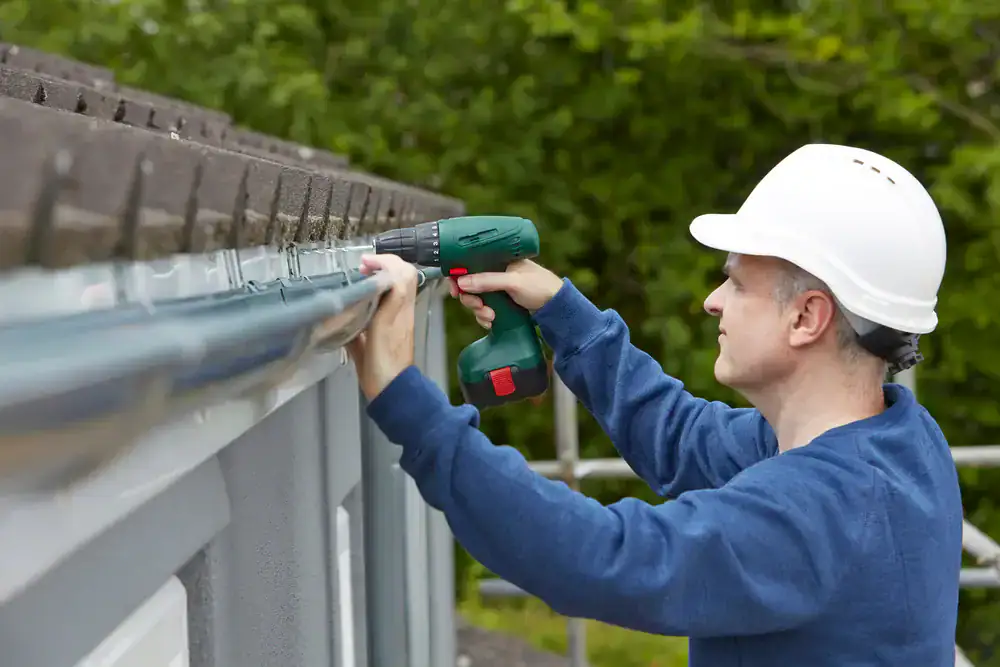
How to Spot Sagging Gutters Before Damage Worsens
You don’t need to climb a ladder to see this one. Just step back from your house after a rainstorm and look at the roofline.
Do the gutters appear level, or are there visible dips and curves? Are sections pulling away from the house, creating gaps between the gutter and the fascia board? If you answered yes to either, you’re dealing with sagging.
The next step is figuring out why. Sometimes it’s a simple clog trapping water in one section. Clear the debris, and the problem might resolve itself—at least temporarily. But if you’ve got multiple sagging sections, or if the gutters keep sagging even after cleaning, the fasteners or the gutter material itself has likely deteriorated beyond repair.
Pay attention to where the sagging occurs. Corners and areas near downspouts tend to fail first because that’s where water flow is heaviest. If you notice sagging in these spots, it’s often a sign that the entire system is nearing the end of its functional lifespan.
And here’s the reality: you can replace a few fasteners, sure. But when sagging becomes a recurring issue across multiple sections, you’re throwing money at a system that’s fundamentally failing. At that point, gutter replacement isn’t just the smarter financial move—it’s the only one that actually protects your home.
Why Sagging Gutters Cause Foundation Water Damage
When gutters sag, water doesn’t flow where it’s supposed to. Instead of moving toward the downspouts and away from your home, it pools in the low spots or spills over the sides.
That overflow lands right next to your foundation. Over time, the soil around your foundation becomes saturated. In Union County, where we get freeze-thaw cycles, that water expands when it freezes, putting pressure on foundation walls. Cracks form. Water seeps into basements. The ground shifts, causing uneven settling.
Foundation repairs in New Jersey aren’t cheap. We’re talking tens of thousands of dollars to fix cracks, stabilize walls, or address drainage issues that stem from years of water pooling in the wrong places. And it all starts with gutters that couldn’t do their job.
The frustrating part? Most homeowners don’t connect the dots until the damage is obvious. You see water in the basement and think it’s a basement problem. You notice cracks in the foundation and assume it’s just the house settling. But when a professional traces it back, the root cause is often a gutter system that’s been failing for years.
Sagging gutters also create another problem: they stress the fascia boards they’re attached to. When gutters pull away, water runs behind them, soaking the wood. Rot sets in. Before long, you’re not just replacing gutters—you’re replacing fascia boards, too, which adds hundreds or even thousands to the project cost.
If you’re seeing sagging, don’t wait. Get it checked now, while it’s still just a gutter issue and not a foundation crisis.
Want live answers?
Connect with a USA Home Remodeling LLC expert for fast, friendly support.
Rust Spots and Holes Mean Your Gutters Are Deteriorating
Rust doesn’t show up overnight. It’s the result of years of exposure to moisture, and by the time you can see it from the ground, the damage has already gone deeper than the surface.
Metal gutters—especially older steel systems—are prone to rust. Once it starts, it spreads. What begins as a small orange spot turns into a hole, and holes mean water is leaking where it shouldn’t. That water runs down your siding, stains your exterior walls, and eventually finds its way to the foundation.
Aluminum gutters are more rust-resistant, but they’re not immune to corrosion, especially at seams and joints where moisture tends to collect. If you’re noticing rust flakes on the ground near your downspouts or visible discoloration on the gutters themselves, that’s your system telling you it’s breaking down.

When Rust Spots Become a Gutter Replacement Issue
A single rust spot isn’t the end of the world. You can patch it, seal it, and buy yourself a little time. But when you’re seeing rust in multiple locations—or worse, when you’re finding actual holes—patching becomes a temporary fix at best.
Here’s the guideline most contractors use: if you’ve got more than six areas of rust, cracks, or holes, replacement is the smarter move. At that point, you’re not dealing with isolated damage. The entire system has reached the end of its useful life, and trying to repair it section by section is just delaying the inevitable.
Rust also weakens the structural integrity of the gutter. Even if a rusted section isn’t leaking yet, it’s more likely to fail under the weight of water or debris. That means a higher risk of gutter failure during a heavy storm, which can cause sudden, severe damage to your home’s exterior.
And let’s be honest: rusted gutters look bad. If you’re thinking about selling your home or just want to maintain curb appeal, visible rust is a red flag to buyers and a detractor from your property’s overall appearance.
The other issue with rust is what it tells you about the rest of the system. If one section is rusting, others are likely in the same condition—you just can’t see them yet. Gutters age uniformly. When one part fails, it’s usually a sign that the whole system is nearing the end of its lifespan.
Don’t ignore rust. It’s not cosmetic. It’s structural, and it’s progressive. Once it starts, it doesn’t stop. The only question is whether you’ll replace the gutters on your terms or wait until a storm forces your hand.
How Overflowing Downspouts Signal System Failure
Overflowing downspouts are one of the most common—and most ignored—signs of gutter failure. You see water spilling out during a rainstorm and assume it’s just a clog. Sometimes it is. But often, it’s a symptom of a system that’s no longer sized correctly, installed properly, or functioning the way it should.
When downspouts overflow, it usually means one of three things. First, there’s a blockage somewhere in the system—leaves, twigs, shingle granules, or even small animals. Second, the downspouts aren’t positioned correctly or there aren’t enough of them to handle the water volume your roof produces. Third, the gutters themselves are pitched wrong, causing water to pool instead of flow.
All three scenarios lead to the same result: water goes where it shouldn’t. It overflows onto your siding, pools around your foundation, or backs up under your shingles and into the roof decking. Over time, that causes rot, mold, and structural damage that’s far more expensive to fix than replacing a gutter system.
Union County gets its share of heavy rainfall. When a storm dumps several inches in a short period, your gutters need to move a lot of water fast. If they can’t, the overflow creates erosion around your foundation, washes away landscaping, and saturates the soil in ways that lead to basement flooding.
The fix isn’t always complicated. Sometimes adding an extra downspout or clearing a clog solves the problem. But if overflowing is a recurring issue—especially after you’ve cleaned the gutters—it’s a sign the system isn’t up to the task anymore. At that point, replacement with properly sized, seamless gutters is the only solution that actually works long-term.
Storm Preparedness Starts With Functional Gutters
Storms don’t wait for you to be ready. They show up, test every weak point in your home’s exterior, and expose problems you didn’t know existed.
If you’ve noticed any of the signs we’ve talked about—sagging gutters, rust spots, overflowing downspouts, or water pooling near your foundation—you’re already at risk. The next big storm could turn those warning signs into real damage. Foundation cracks. Basement flooding. Fascia rot. Roof leaks. All of it preventable if you act now instead of waiting.
Gutter replacement isn’t the most exciting home improvement project, but it’s one of the most important. It protects everything else. Your roof, your foundation, your landscaping, your interior finishes—all of it depends on water going where it’s supposed to go. When gutters fail, the damage spreads fast, and the repair costs add up even faster.
If you’re in Union County, NJ and you’re seeing the warning signs, now’s the time to get a professional assessment. Not a sales pitch. Not a high-pressure estimate. Just an honest evaluation of what’s going on and what it’ll take to fix it. We offer free inspections and transparent pricing because we know you need information, not a hard sell. Reach out, and let’s make sure your home is ready for whatever weather comes next.