
Top 10 Things Our Experts Look for During a 2026 Professional Roof Inspection
Summary:
Shingle Condition and Surface Integrity
Your shingles are the first line of defense against everything nature throws at your home. When they fail, water gets in.
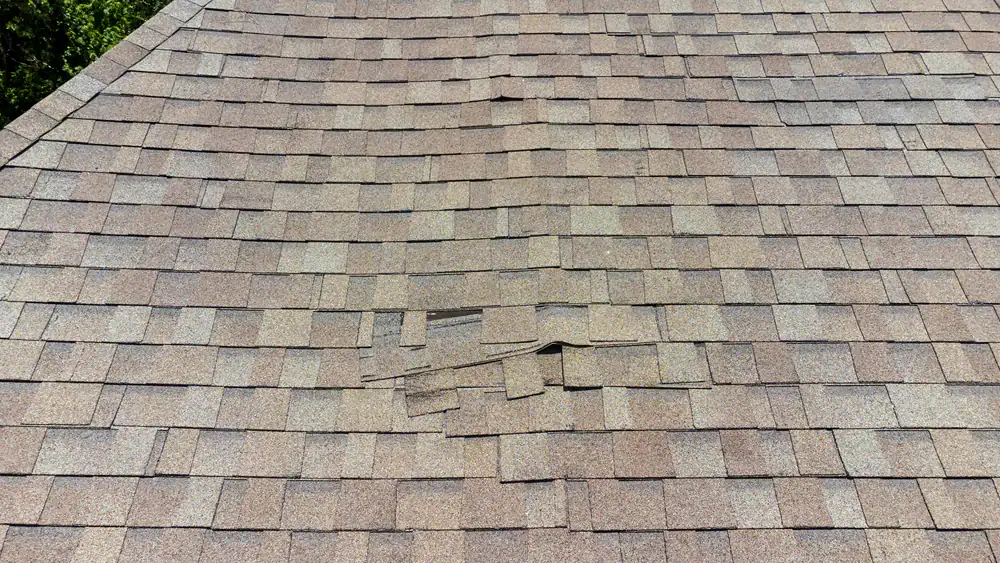
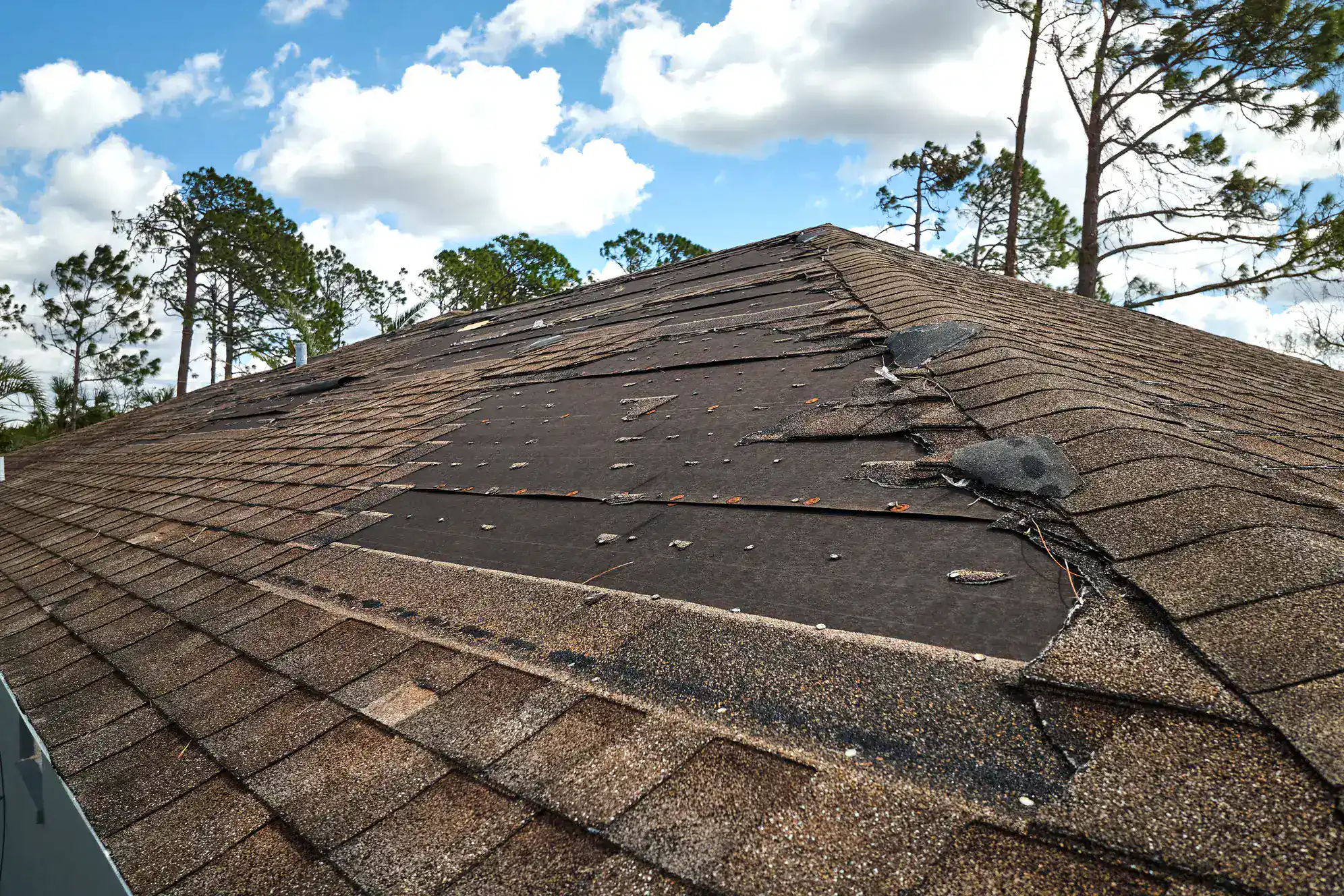
We evaluate overall shingle condition across your entire roof surface. We look for missing shingles, cracks, curling edges, blistering, and areas where protective granules have worn away. Each signal points to a different problem. Missing shingles expose underlayment to direct weather. Curling indicates age or heat damage. Granule loss shows up as dark patches and means UV protection is disappearing.
We also verify uniform alignment and proper overlap. Even small installation errors can cut your roof’s lifespan by years. We check sealant strips that bond shingles together, because failed bonds leave your roof vulnerable to wind damage.
What causes shingles to fail faster in Union County
New Jersey’s climate accelerates shingle aging in ways homeowners don’t always expect. The combination of factors creates wear patterns you won’t see in milder regions.
Freeze-thaw cycles hit hard. Water gets under or between shingles and freezes overnight. Ice expands, creating cracks and lifting shingles away from the deck. Spring arrives, more water enters those gaps, and the cycle continues. Each winter makes it worse. Coastal humidity compounds the problem. Moisture doesn’t just sit on the surface—it works into small cracks and under lifted edges, promoting deterioration from inside out. You can’t see it happening, but it’s constant.
Summer heat causes different damage. Attic temperatures exceed 150 degrees on hot days. That heat radiates through the roof deck into shingles, making them brittle over time. The granules protecting against UV damage loosen and wash away during rainstorms. You’ll see them collecting in gutters—small sand-like particles that mean your shingles are aging faster than their rated lifespan suggests. A roof that should last 25 years might only give you 18 in Union County’s climate.
Storm damage accelerates everything. High winds lift shingle edges. Hail cracks or dents the surface. Heavy rain exploits existing weaknesses. Even minor storm damage that looks cosmetic creates entry points for water. We examine shingles closely after major weather events, looking for impact marks, lifted corners, and compromised bonds that aren’t obvious unless you know what to look for. That’s why waiting until you see a leak often means you’ve already got interior damage developing.
How we determine remaining shingle lifespan
Estimating how much life your shingles have left isn’t guesswork. We use specific indicators to make accurate assessments.
Granule retention is the first check. New shingles have thick, uniform granule coating protecting the asphalt underneath. As shingles age, granules wear away gradually. If more than 30% are gone, you’re approaching end of life. We check gutters and downspouts too, because excessive granule accumulation there signals accelerated deterioration. It’s one of the clearest visual indicators that replacement is coming.
Shingle flexibility tells another part of the story. New shingles bend slightly without cracking. As they age and become brittle, they lose that resilience. We carefully lift corners or edges to test flexibility. If shingles crack easily or feel stiff, they’re nearing replacement time regardless of actual age. This brittleness means they can’t handle minor impacts anymore—a falling branch that would’ve been fine five years ago now causes cracks.
Surface cracking patterns reveal thermal stress and UV degradation. Fine hairline cracks running across multiple shingles typically appear in later life stages. These cracks allow water penetration. We map where cracking is most severe, because deterioration isn’t uniform. South-facing slopes getting direct sunlight usually show more advanced aging than north-facing sections. That means you might need partial replacement in some cases, not always a full roof.
Color consistency provides visual clues about condition. Significant fading or uneven discoloration suggests advanced aging. Dark vertical streaks indicate algae growth, common in humid climates. While algae doesn’t directly damage shingles, it’s often found where moisture consistently lingers—areas that may have drainage or ventilation issues underneath the cosmetic problem you can see from the ground.
Want live answers?
Connect with a USA Home Remodeling LLC expert for fast, friendly support.
Flashing Integrity Around Penetrations and Transitions
Flashing is thin metal installed wherever your roof meets a vertical surface or around any penetration. Chimneys, vent pipes, skylights, valleys—these are prime leak locations, and flashing keeps water out.
When flashing fails, water finds its way in. It’s one of the most common leak sources, and one area homeowners rarely inspect themselves. Gaps or cracks here cause disproportionate damage inside your home. We examine every flashing detail because we know small problems here turn into big expenses fast.
Critical flashing failure points that cause leaks
Certain flashing areas fail more frequently than others. We know where to look based on years of experience with Union County homes and New Jersey’s climate patterns.
Chimney flashing is a prime trouble spot. Proper installation includes step flashing along sides, counter-flashing embedded in chimney mortar, and base flashing at the bottom. Over time, sealant between flashing and chimney cracks and pulls away, especially as chimneys settle or experience thermal expansion. We look for gaps between flashing and chimney surface, rust spots indicating water exposure, and mortar deterioration that could compromise the counter-flashing seal. Even small gaps here let steady water infiltration during every rain.
Vent pipe boots fail frequently. These rubber or plastic boots seal around plumbing vents, furnace exhausts, and other pipes penetrating your roof. Rubber degrades from UV exposure and temperature extremes. Cracks form around the base where boot meets pipe, and the seal fails. We check every vent boot for cracks, hardening, or separation. A small crack allows consistent water entry during rain—not a dramatic flood, just steady moisture that rots your roof deck and drips into your attic insulation.
Valley flashing handles high water volume, making it critical. Water from two roof planes converges in valleys, creating concentrated flow that exploits any weakness. We examine valley flashing for proper installation—it should extend well up both roof planes and be secured without penetrations creating leak points. We check for debris accumulation too, because leaves and twigs dam up water and force it under flashing edges.
Skylight flashing requires multiple protection layers. The skylight has integrated flashing, but proper installation includes additional step flashing and sometimes a cricket—a small peaked structure on the uphill side diverting water around the skylight. We verify all layers are intact, properly overlapped, and gap-free. We also check the skylight frame for cracks or separation from flashing, because perfect flashing can’t compensate for a failing skylight unit that’s pulling away from the roof.
Why flashing problems get worse fast in NJ
New Jersey’s weather patterns are particularly hard on flashing. Temperature swings, moisture, and seasonal stress create conditions where small flashing issues rapidly become serious leaks.
Thermal expansion and contraction happen constantly. Metal flashing expands in summer heat and contracts in winter cold. This movement loosens fasteners, creates gaps at sealed joints, and eventually causes metal fatigue and cracking. The effect is pronounced around chimneys and masonry structures because brick and metal expand at different rates. A tiny gap opening during temperature swings might only be a few millimeters, but that’s enough for water entry.
Freeze-thaw cycles specifically target flashing vulnerabilities. Water seeping into a small gap or under lifted flashing freezes overnight when temperatures drop. Ice expansion forces the gap wider. When it thaws, more water enters. This cycle repeats throughout winter and early spring, progressively worsening what started as a minor imperfection. By spring, marginal flashing from fall has become a definite leak source. You won’t see it happening, but every freeze makes it worse.
Coastal humidity accelerates metal corrosion. Even galvanized steel flashing designed to resist rust eventually corrodes in New Jersey’s humid climate. It starts with small rust spots, often at fastener locations or where protective coating was scratched during installation. Once rust begins, it spreads, weakening metal and creating rough surfaces where water pools. Aluminum flashing resists rust but develops pitting and corrosion, especially in salt air areas.
Ice dam formation puts extreme stress on flashing. When snow melts on upper roof sections and refreezes at eaves, the resulting ice dam forces water backward up the roof, under shingles, and behind flashing. This water intrusion happens in areas never designed to handle it. We look for water stains or ice damage near flashing, because these indicate ice dams have already compromised the flashing’s ability to keep water out. Once that happens, every subsequent winter makes the damage worse.
Schedule Your Professional Roof Inspection in Union County
Your roof handles everything New Jersey throws at it—heavy rain, humidity, freeze-thaw cycles, summer heat, and severe storms. All that exposure creates wear that’s often invisible from the ground but very real in terms of your home’s protection and your financial risk.
Professional inspections catch problems while they’re still small and affordable to fix. A $300 flashing repair prevents a $5,000 interior damage situation. Early detection of shingle deterioration lets you plan replacement on your timeline instead of scrambling during an emergency. Understanding your roof’s actual condition gives you control over maintenance decisions and budget planning.
If you’re in Union County and can’t remember your last inspection—or if you’ve noticed warning signs like ceiling stains, missing shingles, or attic moisture—get a professional evaluation. We provide thorough inspections backed by a decade of experience and manufacturer certifications, with transparent communication and honest assessments you need to make informed decisions about protecting your home.