
Why Hiring a Local Roofer is the Best Decision for Your Storm Damage Insurance Claim
Summary:
How Local Roofers Handle Insurance Claims Differently
When your roof gets damaged by a storm, you’re not just hiring someone to replace shingles. You’re hiring someone to work with your insurance company on your behalf.
Local roofers who’ve been serving Union County for years know exactly how insurance adjusters operate. We understand what documentation is needed, what gets approved, and what gets denied. We’ve built relationships with local adjusters and know how to present a claim so it actually gets the coverage you deserve.
Out-of-state contractors? They’re just passing through. They don’t know your insurance company’s local adjusters, they’re not familiar with how claims are processed in New Jersey, and they’ll be long gone before any problems surface.

What happens during the insurance claim inspection
After you file a claim, your insurance company sends an adjuster to assess the damage. This is where having a local roofer makes a huge difference.
A professional roofer should be there when the adjuster shows up. Not sitting in their truck—actually on the roof, walking the adjuster through every area of damage. Insurance adjusters aren’t roofing experts. They’re trained to assess claims, but they can miss things. Hidden damage under shingles, compromised flashing, issues with ventilation—these aren’t always obvious from a quick visual check.
Your roofer’s job during that inspection is to make sure nothing gets overlooked. We’ll point out hail strikes, wind damage, and any secondary issues that resulted from the storm. We’ll explain why certain repairs are necessary and why the scope of work needs to include specific materials or techniques to meet New Jersey building codes.
Without a roofer present, you’re relying entirely on the adjuster’s assessment. And adjusters work for the insurance company, not for you. Their job is to determine what’s covered—not to find every possible issue that needs fixing.
This is also where documentation matters. A local roofer will take detailed photos, measurements, and notes. We’ll create a comprehensive report that matches what the adjuster sees, so there’s no confusion later. If the adjuster’s estimate comes back lower than what’s actually needed, we can file a supplement—an additional request that includes the missed items.
That supplement process is where experience really counts. Local roofers know what insurance companies typically leave out of their initial estimates. Things like dump fees, permit costs, and upgrades required by current building codes. We know how to get those items added without turning it into a battle.
Why local building code knowledge protects your claim
New Jersey has some of the strictest roofing codes in the country. They’re updated every three years and enforced at the local level. If your roof doesn’t meet current code requirements, you could face issues during inspections—or worse, have your insurance claim questioned.
Local roofers in Union County know these codes inside and out. We know what’s required for insulation, ventilation, fire resistance, and structural support. We know which materials are approved and which installation methods meet state standards. And we know how to document code compliance in a way that satisfies both the building inspector and your insurance company.
Out-of-state contractors? They’re guessing. They might be familiar with codes in Texas or Florida, but New Jersey is different. The climate is different. The regulations are different. And if they install your roof using methods that don’t meet local requirements, you’re the one who’ll deal with the consequences when the inspector shows up.
Insurance companies also pay attention to code compliance. If your claim includes upgrades required by current building codes—things like ice and water shield or improved flashing—those should be covered. But only if they’re properly documented and justified. A local roofer knows how to present those requirements so the insurance company understands they’re not optional upgrades, they’re mandatory code compliance.
There’s also the permit issue. In Union County, you typically don’t need a permit for a complete roof replacement, but you might need one if you’re replacing significant portions of roof decking. Local roofers know when permits are required and how to handle that process. Storm chasers often skip permits entirely, which can create serious problems down the line—including potential issues with your insurance coverage if something goes wrong.
Want live answers?
Connect with a USA Home Remodeling LLC expert for fast, friendly support.
The Real Cost of Hiring Storm Chasers for Insurance Work
After a major storm, they show up like clockwork. Out-of-state trucks with temporary magnetic signs. Contractors knocking on doors offering free inspections and prices that seem impossibly low. They’ll tell you they can do the work for exactly what insurance pays, no money out of pocket except your deductible.
It sounds great until you understand what’s actually happening. Storm chasers aren’t local businesses with reputations to protect. They’re following the weather, doing quick jobs, and moving on to the next damaged area. Quality isn’t the priority—volume is.
The bigger problem? Most of them are gone before you realize there’s an issue. Leaks that show up three months later. Improper installation that voids your manufacturer warranty. Missing documentation that makes it impossible to file a future claim. By the time you notice, they’re in another state chasing another storm.
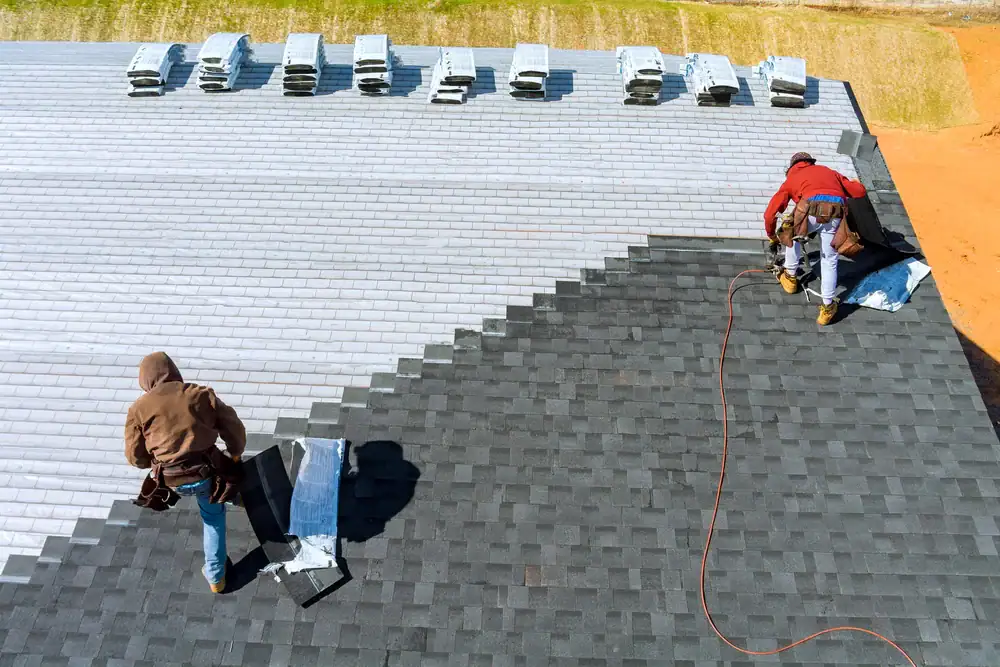
How to spot storm chasers in Union County
Storm chasers rely on urgency and confusion. They know homeowners are stressed after storm damage, so they use high-pressure tactics to get contracts signed quickly.
Here’s what to watch for: Out-of-state license plates. Addresses that turn out to be P.O. boxes or temporary office spaces. No physical location you can actually visit.
They’ll often claim they’re “working in your neighborhood” and noticed damage on your roof while doing a job down the street. That’s a sales tactic. Legitimate local roofers don’t go door-to-door after storms—they’re already booked with calls from existing customers and referrals.
Another red flag is the offer to waive your deductible or do the work for exactly what insurance pays. That’s not just unethical—it’s insurance fraud. Your deductible is part of your insurance contract. When a roofer offers to “eat” that cost, they’re either planning to cut corners on materials and labor, or they’re inflating the claim to cover it. Either way, you’re the one who ends up liable if the insurance company finds out.
Storm chasers also push for immediate decisions. They’ll say the offer is only good if you sign today, or that they can only guarantee materials if you commit right now. That’s manufactured urgency. Your insurance company isn’t going anywhere. You have time to make an informed decision.
The quality issue is real too. Storm chasers often use subpar materials or rush through installations to maximize profit. They’re not worried about callbacks or warranty claims because they won’t be around to deal with them. Local roofers, on the other hand, know they’ll see you at the grocery store or run into your neighbors. Our reputation depends on doing the job right.
What local roofers offer that storm chasers can't
A local roofing contractor in Union County isn’t just installing a roof—we’re investing in our reputation in the community. That changes everything about how we approach insurance work.
Local roofers have established relationships with insurance adjusters in the area. We’ve worked together on dozens or hundreds of claims. That familiarity makes the process smoother. Adjusters know our estimates are accurate and our work is reliable. That trust translates into faster approvals and fewer disputes over coverage.
Local contractors also carry proper licensing and insurance for New Jersey. We’re bonded, which protects you if something goes wrong. We carry workers’ compensation insurance, so you’re not liable if someone gets hurt on your property. Storm chasers often skip these protections to keep costs down, leaving you exposed to serious financial risk.
Then there’s the warranty issue. Manufacturer certifications from companies like GAF and CertainTeed aren’t just marketing—they unlock better warranty coverage. Only certified contractors can offer extended warranties that cover both materials and workmanship. These warranties can provide up to 50 years of protection against manufacturing defects and up to 25 years against installation errors. Storm chasers can’t offer that level of coverage because they’re not certified.
Long-term accountability is the biggest difference. If you have an issue six months or two years after your roof is installed, a local roofer will come back and make it right. We have to—our business depends on it. Storm chasers? They’re already in another state. You’ll be stuck hiring someone else to fix their mistakes, and you’ll be paying out of pocket because they’re impossible to track down.
Local roofers also understand the value of customer reviews and referrals. In Union County, word travels fast. One bad job can damage a local contractor’s reputation for years. That’s why established local companies go out of their way to ensure customers are satisfied—not just when the job is done, but months and years later when issues might arise.
Making the Right Choice for Your Storm Damage Claim
Storm damage is stressful. Insurance claims are complicated. But the decision about who to hire doesn’t have to be overwhelming if you know what to look for.
A local roofer brings expertise that goes beyond technical skills. We understand New Jersey building codes, we have relationships with local insurance adjusters, and we have a reputation to protect in your community. We’ll be there when the adjuster shows up, we’ll fight for proper coverage, and we’ll still be around if you need us two years from now.
Storm chasers offer convenience and low prices, but those come with risks that aren’t worth taking when your home and your insurance claim are on the line.
If you’re dealing with storm damage in Union County, NJ, we’ve been serving local homeowners for a decade with transparent pricing, manufacturer certifications, and the kind of service that comes from being part of the community. Reach out for a free inspection and find out what your roof actually needs—no pressure, no gimmicks, just honest expertise.