
How to Find the Best Roofer in Union County: 5 Questions You Must Ask in 2026
Summary:
Are You Licensed and Insured in New Jersey?
This isn’t about being difficult. It’s about protecting yourself.
In New Jersey, roofing contractors need a Home Improvement Contractor license from the Division of Consumer Affairs. We also need to carry both general liability insurance and workers’ compensation coverage. If a contractor doesn’t have these, you’re the one who’s on the hook if something goes wrong.
Ask for their license number. Write it down. Then verify it through the state’s website. If they hesitate or give you a vague answer, that’s your signal to move on. A legitimate contractor will hand over proof of insurance without blinking—because we know it matters to you, and we’ve got nothing to hide.
What Does Insurance Actually Protect You From?
Let’s get specific about why this matters so much.
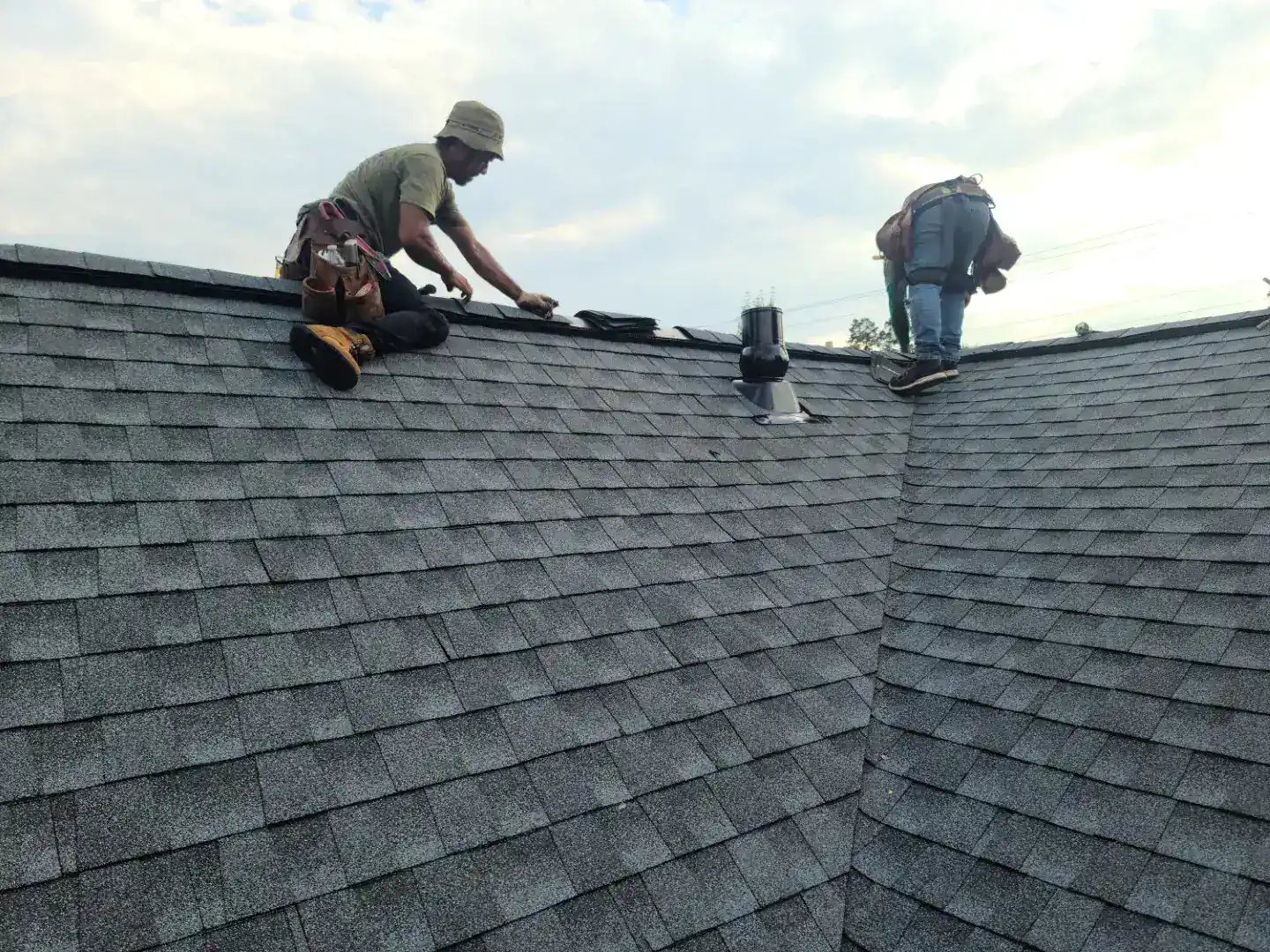
General liability insurance covers damage to your property during the project. If a crew member accidentally damages your siding, breaks a window, or causes structural issues, that insurance pays for it—not you. Without it, you’re writing the check to fix their mistakes.
Workers’ compensation is even more critical. If someone gets hurt on your roof and the contractor doesn’t have workers’ comp, you could be personally liable for their medical bills, lost wages, and legal fees. That’s not a small risk. Roofing is dangerous work, and accidents happen even with experienced crews.
Before you hire anyone, ask for a certificate of insurance. Call the insurance company listed on that certificate to confirm the policy is active and covers the dates of your project. Yes, it’s an extra step. But it’s also the difference between a protected homeowner and someone facing a lawsuit they never saw coming.
Some contractors will tell you they’re “bonded” as if that’s the same thing. It’s not. Bonding protects you if the contractor doesn’t finish the job or breaches the contract. It’s useful, but it doesn’t replace insurance. You need both.
And if a contractor tries to skip this conversation or says “don’t worry about it,” that’s exactly when you should worry. Licensed, insured professionals expect these questions. We’re ready for them. The ones who aren’t ready are the ones you don’t want on your roof.
How Do You Verify a Contractor's License in Union County?
Verification isn’t complicated, but you do need to actually do it.
Start by asking for the contractor’s full legal business name and their Home Improvement Contractor license number. Don’t accept “we’re working on it” or “it’s in process.” If they’re operating legally in New Jersey, they already have it.
Once you have that information, go to the New Jersey Division of Consumer Affairs website. They maintain a searchable database of registered contractors. You can look up the license number, check if it’s active, and see if there are any complaints or violations on file.
Pay attention to the business name. Some contractors operate under a different name than what’s on their truck or website. That’s not automatically a red flag, but you want to make sure the licensed entity matches who you’re signing a contract with. If there’s a mismatch and something goes wrong, you might have trouble holding anyone accountable.
Also check how long they’ve been licensed. A brand-new license doesn’t necessarily mean bad work, but it does mean less of a track record. If you’re choosing between a contractor licensed for ten years with clean records and one who just got their license last month, that’s valuable context.
While you’re at it, look up their business on the Better Business Bureau and Google. Read the reviews. Not just the star rating—actually read what people are saying. Look for patterns. Do multiple customers mention the same problem? Do they respond professionally to negative reviews, or do they get defensive?
This research takes maybe thirty minutes. That’s a small investment compared to what you’re about to spend on your roof. And it’s the clearest way to separate contractors who’ve earned trust from those who are just hoping you won’t check.
Want live answers?
Connect with a USA Home Remodeling LLC expert for fast, friendly support.
What Materials Will You Use and What Warranties Come With Them?
The materials going on your roof matter just as much as who’s installing them.
You want to know the brand, the product line, and what kind of warranty backs those materials. The most common brands in New Jersey are GAF, Owens Corning, and CertainTeed. All three make quality products, but the specific shingle line makes a difference in how long your roof lasts and what kind of weather it can handle.
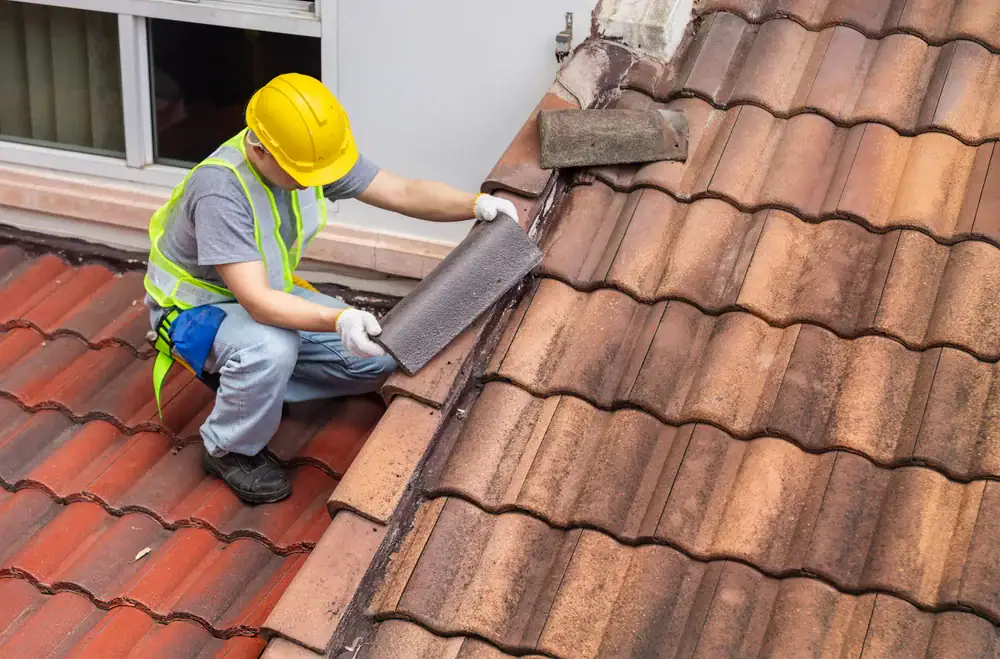
Ask which manufacturer the contractor is certified with. Certifications like GAF Master Elite or Owens Corning Platinum Preferred aren’t just marketing. They mean we’ve met specific standards and can offer extended warranties that regular contractors can’t. That’s real value, especially in a climate like Union County’s where your roof takes a beating from humidity, winter storms, and temperature swings.
Why Manufacturer Certifications Actually Matter
Here’s what most homeowners don’t realize: the shingle warranty you get depends on who installs it.
If a non-certified contractor installs GAF shingles, you might get a standard warranty that covers manufacturing defects for a certain period. But if a GAF Master Elite contractor installs those same shingles as part of a complete system, you could get coverage that includes both materials and workmanship for up to 25 years or more. That’s a massive difference.
Manufacturers like GAF and Owens Corning only certify contractors who meet strict requirements. They check financial stability, verify insurance coverage, review customer satisfaction scores, and require ongoing training. Getting certified isn’t easy, and maintaining that status means consistently delivering quality work.
When a contractor tells you they’re certified, ask to see proof. Most certified contractors display their credentials proudly on their website and can provide documentation. You can also verify certifications directly through the manufacturer’s website—GAF and Owens Corning both have contractor locator tools where you can search by zip code and see who’s actually certified in your area.
The warranty itself is another critical piece. Ask for specifics: How many years does it cover? Does it cover just materials, or does it include labor? What voids the warranty? Is it transferable if you sell your home? Get these answers in writing before you sign anything.
Some contractors will try to gloss over warranty details or say “it comes with a lifetime warranty” without explaining what that actually means. Push for clarity. A “lifetime” warranty often has conditions, exclusions, and a prorated structure that reduces coverage over time. You need to understand exactly what’s covered and for how long.
And here’s something else to watch for: if a contractor offers an unusually cheap price but uses off-brand materials you’ve never heard of, there’s a reason. Quality shingles from established manufacturers cost what they cost. If someone’s significantly undercutting everyone else, they’re either cutting corners on materials, skipping proper installation steps, or both. Either way, you’ll pay for it later in repairs or an early replacement.
What Should You Know About Project Timelines?
You need to know when the work starts, how long it’ll take, and what could cause delays.
Most residential roof replacements in Union County take anywhere from one to three days, depending on the size of your home, the complexity of the roof, and the weather. A straightforward ranch with a simple roofline might be done in a day. A larger two-story home with multiple levels, valleys, and angles could take longer.
Ask the contractor for a realistic timeline. When will they start? How many days should you expect the crew on-site? What happens if it rains? A good contractor will give you straight answers and build in some buffer time for unexpected issues like damaged decking that needs replacement once the old shingles come off.
Also ask about the schedule. Will the crew be there every day until it’s done, or will they be bouncing between multiple jobs? You want a team that’s focused on finishing your project, not leaving your roof half-done while they work on someone else’s house.
Communication during the project matters too. Who’s your point of contact if you have questions or concerns? How will they keep you updated on progress? If something unexpected comes up—like discovering rot in the decking—how quickly will they let you know, and how will they handle the additional cost?
Weather is always a wildcard in New Jersey. A contractor can’t control when it rains, but we should have a plan for protecting your home if weather interrupts the work. Ask what they do to secure your roof if they have to stop mid-project. Tarps? Temporary coverings? You don’t want to find out the hard way that they left your attic exposed during a storm.
Finally, get the timeline in writing as part of your contract. If a contractor promises to start in two weeks and finish in two days, that should be documented. It holds both sides accountable and gives you recourse if they don’t follow through.
The contractors who give vague answers about timing or refuse to commit to a schedule are often the ones who overbook themselves and leave customers waiting. You deserve better than that.
Making the Right Choice for Your Union County Home
Finding the right roofing contractor doesn’t have to feel like a gamble.
When you ask about licensing and insurance, verify credentials, discuss materials and warranties, understand the project timeline, and check references, you’re not being difficult—you’re being smart. These questions separate professionals who’ll stand behind their work from contractors who’ll leave you dealing with problems they caused.
Your roof is one of the biggest investments you’ll make in your home. It protects everything underneath it. Choosing someone to work on it based on the lowest bid or the best sales pitch is a risk you don’t need to take.
The right contractor will welcome your questions, provide clear answers, and give you confidence that your home is in good hands. If you’re in Union County and looking for that kind of straightforward, reliable service, we’ve been delivering quality roofing work with transparent communication for over a decade. Sometimes the best choice is the one that makes the process feel less overwhelming—and that starts with a conversation.