
Siding Installation in Mountainside, NJ
Your Mountainside Home Takes a Beating — Here's How to Stop It
Hear from Our Customers
Residential Siding Contractors in Mountainside, NJ
Siding on a Mountainside home isn’t just about looks. It’s the first line of defense between your interior and everything the Watchung ridge delivers — wind-driven rain, hard winters, and the kind of sustained moisture that comes with living next to one of the most densely wooded reservations in Union County. When that barrier starts breaking down, water finds its way in. And on a home worth over a million dollars, the repair bill that follows isn’t small.
New siding done right means your home is sealed the way it was meant to be. No gaps around window trim where freeze-thaw cycles have worked the caulking loose. No soft spots behind panels where moisture has been sitting against your sheathing for years. Just a clean, tight exterior that does its job every season.
There’s also the curb appeal side of it — and in Mountainside’s real estate market, that matters more than most people realize. Homes here sell at a premium, and updated siding is one of the fastest ways to protect that value. Whether you’re planning to stay for decades or eventually list, a properly installed exterior is an investment that works either way.
Local Siding Company Serving Mountainside, NJ
We’ve been working on exterior renovations across Union County for close to ten years, including dozens of homes throughout Mountainside. We’re not a franchise, not a call center operation, and not a company that sends out whoever’s available. When you reach out, you’re talking to the people who will actually show up to your home.
Our background is rooted in roofing — which means we understand the full exterior envelope, not just the panels on the wall. That matters on older Mountainside homes where siding, flashing, and gutters all have to work together to keep moisture out. We hold contractor licenses and manufacturer certifications, carry full insurance, and operate with written estimates so you know exactly what you’re agreeing to before anything starts.
Mountainside is a small borough — roughly 7,000 residents across four square miles. Word travels here. We’ve built our reputation by doing the work right and being straight with people from the first call to the final walkthrough.

Vinyl Siding Contractors in Mountainside, NJ
It starts with a free inspection. We come out, take a real look at your current siding, check what’s going on behind it, and give you an honest assessment. On homes in Mountainside — many of which were built in the mid-20th century — that inspection often reveals substrate or moisture barrier issues that aren’t visible from the street. Catching those before new siding goes on is the difference between a solid installation and one that fails in a few years.
From there, you get a written estimate that spells out the scope, the materials, and the total cost. No vague line items, no numbers that shift after you sign. If a permit is required through the Mountainside Borough Building Department, we handle that conversation upfront so there are no delays once work begins.
Installation is scheduled around your calendar, and we keep you informed as the project moves. Our crews work cleanly — especially important on wooded lots where mature landscaping and exterior features need to be protected during the job. When we’re done, you do a walkthrough with us. If something’s not right, we fix it before we leave.

Ready to get started?
Siding Installation Services in Mountainside, NJ
Not every siding product performs the same way on a shaded, wooded lot near the Watchung Reservation. Sustained shade slows drying after rain, which creates conditions where certain materials hold moisture against the surface and break down faster than they should. We help you choose based on your specific property — not a one-size-fits-all recommendation.
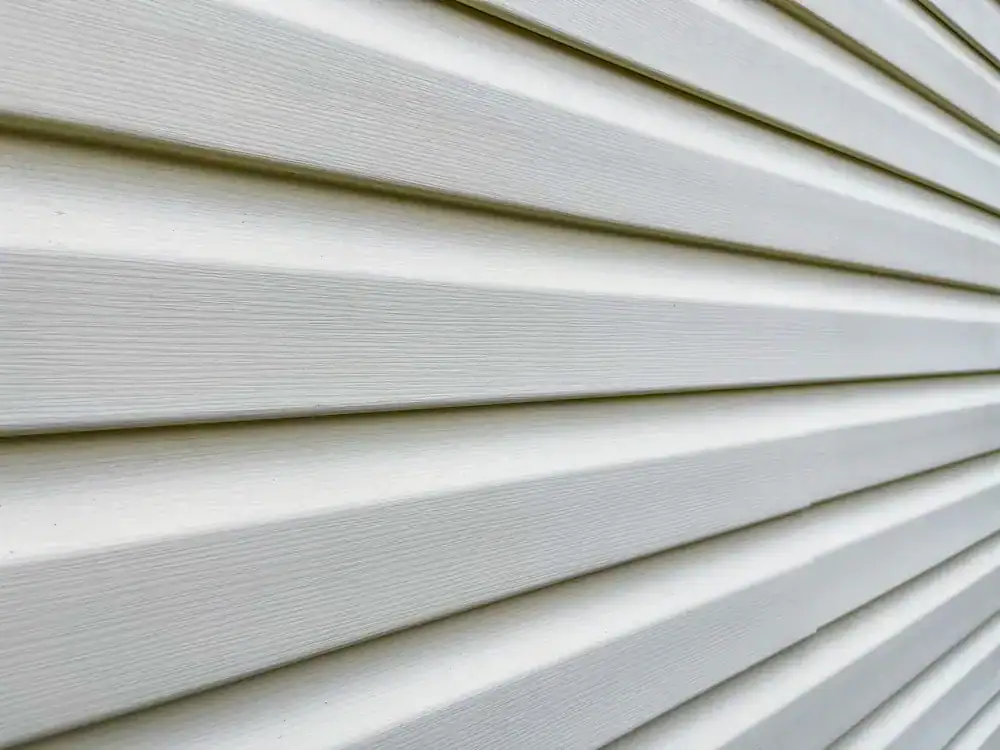
Vinyl siding with a foam backer is a strong option for most Mountainside homes — it handles temperature swings well, resists moisture, and adds a meaningful layer of insulation to older walls that weren’t built to current energy standards. For homeowners who want maximum durability in moisture-prone settings, fiber cement is worth the conversation. It holds up exceptionally well in Northeast climates and doesn’t expand and contract the way standard vinyl does through hard winters. If you want the look of wood without the maintenance demands, engineered wood siding is another option we install.
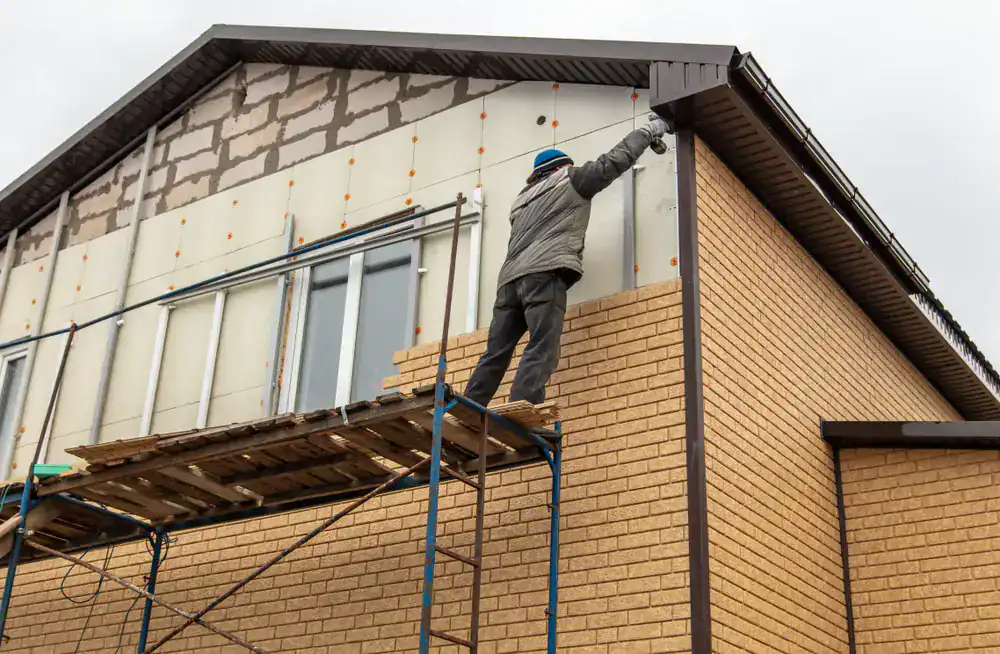
Every installation includes proper housewrap or moisture barrier assessment, flashing at all penetrations and transitions, and manufacturer-compliant fastening so your warranty is actually valid. As local siding installers who also understand roofing systems, we make sure the siding integrates correctly with everything above and around it — not just the wall surface itself.

Does siding installation in Mountainside, NJ require a building permit?
In most cases, yes — full siding replacement in Mountainside requires a building permit through the Borough’s Building Department. New Jersey’s Uniform Construction Code applies statewide, and exterior alterations that affect the building envelope, which siding replacement does, typically fall under permit requirements. Minor repairs like swapping out a few damaged panels may not require one, but a full replacement almost always will.
This matters more than people realize. If you replace siding without a required permit and later go to sell your home, a title search can flag the unpermitted work — and that creates complications at closing. We address the permit question upfront during your estimate so there are no surprises mid-project. Mountainside Borough Hall is located at 1385 Route 22 if you want to verify requirements directly, and we’re happy to walk through that process with you.
How do I know if my siding needs to be repaired or fully replaced?
The honest answer is that you often can’t tell just by looking at the outside. Siding can look reasonably intact while the moisture barrier behind it has been compromised for years — especially on Mountainside homes built in the 1960s and 1970s, where original materials are approaching or past their expected lifespan. By the time you see visible warping, cracking, or discoloration, the underlying damage is usually already there.
A few things to watch for: siding that feels soft or spongy when you press it, paint that’s peeling from the inside out, unexplained spikes in your heating or cooling costs, or mold appearing on interior walls near exterior surfaces. Any of these can indicate moisture intrusion behind the cladding. That’s exactly why we offer free inspections — so you get a real answer based on what’s actually happening, not a guess from the street.
What siding material holds up best on wooded, shaded lots in Mountainside?
Shade and sustained moisture are the two conditions that wear siding down fastest on lots near the Watchung Reservation. Wood and certain lower-grade vinyl products are particularly vulnerable because they hold moisture against the surface when they don’t get enough sun to dry out between rain events. Over time, that leads to mold growth, material degradation, and eventually failure of the moisture barrier underneath.
Fiber cement performs best in these conditions. It doesn’t absorb moisture the way wood does, it resists mold and mildew growth, and it holds paint significantly longer than wood alternatives. High-quality vinyl with a foam backer is also a solid choice — it’s more forgiving in shaded settings than standard hollow-back vinyl and adds insulation value to older walls. The right answer depends on your specific lot, your home’s age, and what’s already behind your current siding. That’s what the inspection is for.
How long does siding installation take on a typical Mountainside home?
For a standard single-family home in Mountainside, most siding installations are completed in two to four days once work begins. Larger homes, homes with complex rooflines or multiple dormers, or projects where substrate damage is discovered during tear-off can take longer — sometimes up to a week or more depending on the scope of repairs needed underneath.
The bigger variable is scheduling. During peak season — typically April through June and again in September and October — quality contractors in this area book out four to six weeks in advance. If you’re thinking about a spring installation, reaching out in late winter gives you the best chance of getting on the schedule before the backlog builds. We give you a realistic timeline during the estimate, not an optimistic one that falls apart once the job starts.
How much does siding installation cost in Mountainside, NJ?
For a typical single-family home in Mountainside, siding installation generally runs between $12,000 and $25,000 depending on the size of the home, the material selected, and what’s found during tear-off. Fiber cement tends to run higher than vinyl due to material and labor costs. If substrate damage or moisture barrier replacement is needed — which is common on older homes in the borough — that adds to the total.
What we don’t do is give you a low number to win the job and then revise it upward once work is underway. You get a written estimate that covers the full scope before anything starts, and that number doesn’t change unless you’ve approved a change in scope. Given that homes in Mountainside are valued well into the seven figures, the cost of siding installation is a relatively small percentage of what you’re protecting — and cutting corners on it to save a few thousand dollars rarely ends well.
Are siding contractors in Mountainside, NJ required to be licensed?
Yes. New Jersey requires all home improvement contractors — including siding contractors — to register with the NJ Division of Consumer Affairs under the Home Improvement Contractor program. This isn’t optional. Working with an unregistered contractor in New Jersey is a violation of the Consumer Fraud Act, and it leaves you with very limited legal recourse if something goes wrong.
Before you sign anything with any contractor working in Mountainside, ask for their NJ HIC registration number. A legitimate contractor provides it without hesitation. Beyond registration, look for general liability insurance and workers’ compensation coverage — both of which protect you financially if there’s an injury or property damage during the job. We carry all required licensing, certifications, and insurance, and we provide documentation on request. It’s a basic standard, and it’s one every homeowner in this borough should hold their contractor to.
Other Services we provide in Mountainside