
Siding Installation in Hillside, NJ
Hillside Homes Deserve More Than a Fresh Coat
Hear from Our Customers
Residential Siding Contractors in Hillside
A lot of Hillside homes were built between the 1940s and 1970s. That’s not a knock — it’s just math. Siding that’s been on a house for 40, 50, or 60 years has been through a lot: Union County winters, nor’easters, freeze-thaw cycles that crack and shift materials year after year, and humid summers that quietly push moisture where it doesn’t belong. At some point, patching stops making sense.
When the siding is replaced correctly, the difference is immediate. Your home holds heat better in winter and stays cooler in summer. You stop seeing water stains on interior walls. The drafts near windows and corners disappear. And the exterior — the thing every neighbor and potential buyer sees first — actually looks like someone cares about the property.
For homeowners in Hillside near the I-78 and Route 22 corridors, there’s another layer to it. Urban-adjacent air quality accelerates surface fading and staining faster than most people expect. Quality siding materials installed properly don’t just look better on day one — they hold up longer against the specific conditions Hillside throws at them, which means fewer headaches and less money spent down the road.
Local Siding Company in Hillside, NJ
We’ve been working on homes across Hillside and Union County for about ten years. That’s not a marketing number — it’s real time spent on real projects, including the kind of mid-century ranches, colonials, and split-levels that make up most of Hillside’s residential streets. You get a team that’s seen what’s underneath aging siding on homes like yours, and knows what to do about it before it becomes a bigger problem.
What sets us apart from most local siding installers isn’t just the licensing and certifications — though those matter, and they’re fully in place. It’s that we’re a family-run operation where the people responsible for your project are directly reachable from the first call to the final walkthrough. No call centers. No layers of management between you and an answer.
Free estimates and free inspections are standard here, not upsells. If repair makes more sense than full replacement, that’s what you’ll hear — even if it means a smaller job.

Siding Contractors in Hillside, NJ
It starts with a free inspection. Someone comes out, looks at what you’re actually dealing with — the siding condition, what’s underneath, any moisture intrusion or substrate issues — and gives you a straight answer on whether repair or full replacement makes more sense. You get a written estimate before anything else happens. That number doesn’t change unless something genuinely unexpected comes up, and if it does, you hear about it immediately and approve it before any additional work proceeds.
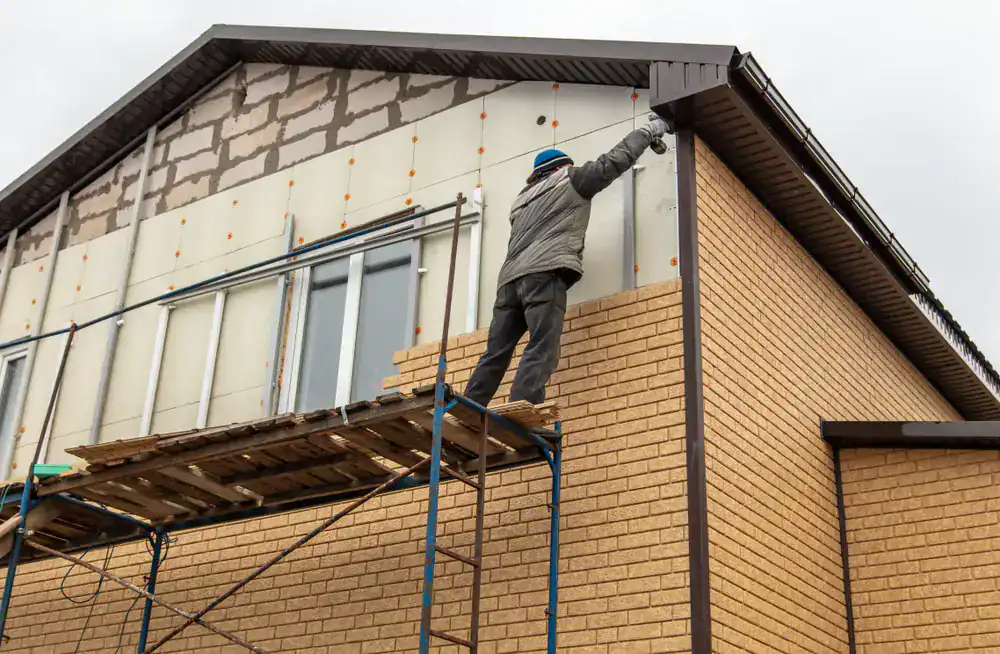
Once the scope is agreed on, the installation itself follows a clear sequence: old material comes off, the substrate and moisture barrier are assessed and addressed, new siding goes up according to manufacturer specifications, and all trim, flashing, and corner details are finished properly. In Hillside, that last part matters more than people realize — the freeze-thaw cycles here will find every gap in flashing or trim work within a season or two. Getting it right the first time is the only way to avoid coming back.
In New Jersey, most full siding replacements require a building permit through Hillside Township’s Building and Code Enforcement department. A licensed contractor handles that process. If you’re working with someone who skips the permit conversation entirely, that’s worth paying attention to — unpermitted work can complicate a home sale and leave you without recourse if something goes wrong.

Ready to get started?
Vinyl Siding Contractors in Hillside, NJ
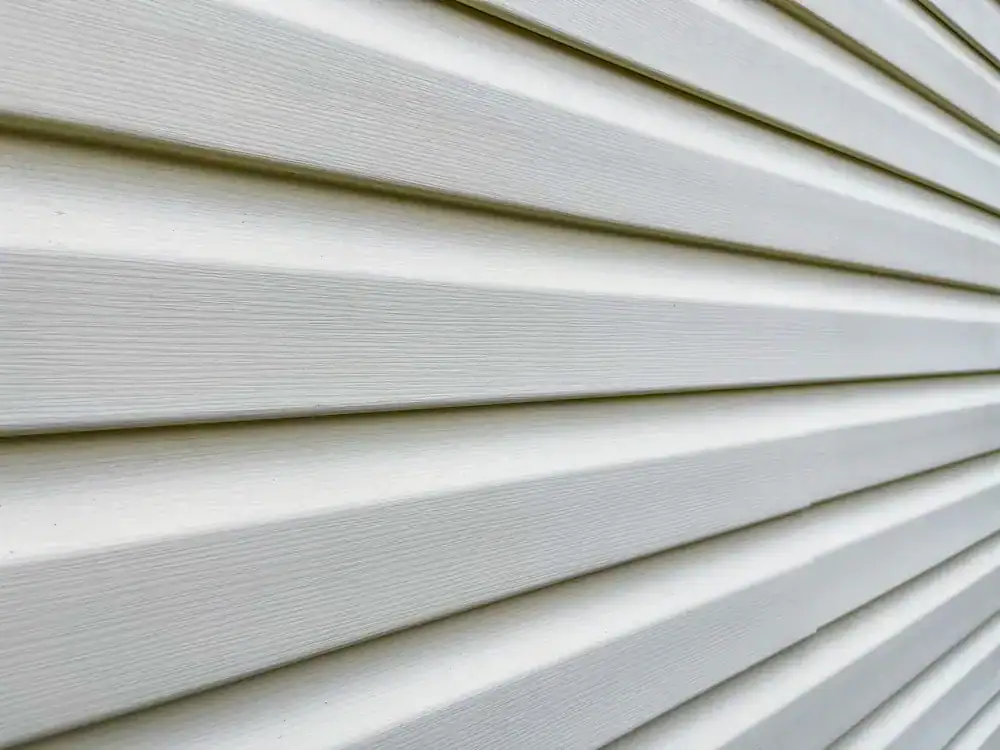
Most Hillside homeowners end up choosing between vinyl and fiber cement siding, and both are solid options when installed correctly. Vinyl is cost-effective, low maintenance, and holds up well in New Jersey’s climate when it’s installed with proper expansion gaps — which matters because vinyl moves with temperature changes, and a crew that doesn’t account for that will leave you with buckling panels within a few years. Fiber cement, like James Hardie products, is heavier, more impact-resistant, and handles moisture and temperature swings exceptionally well, making it a strong choice for the older homes in areas like Westminster where the housing stock has more architectural detail worth preserving.
What’s included in every project goes beyond the panels themselves. The moisture barrier, the substrate condition, window and door trim, corner posts, soffit and fascia integration, and flashing at every transition point — all of it gets addressed. Because we also handle roofing and gutters, we approach siding as part of your home’s full exterior system, not an isolated surface. That means we catch the things a siding-only contractor might miss: a flashing problem at the roof-wall junction, a gutter drainage issue that’s been pushing water behind the siding, or a soffit condition that’s been letting moisture in from above.
If your home has storm damage — wind-lifted panels, cracked corners from a nor’easter — the free inspection covers that assessment too, with no obligation attached.

Do I need a permit for siding installation in Hillside, NJ?
In most cases, yes. New Jersey’s Uniform Construction Code governs residential siding work, and Hillside Township’s Building and Code Enforcement department administers permits locally. For a full siding replacement in Hillside, a permit is generally required. Minor repairs may not trigger the same requirement, but it depends on the scope of work.
This matters more than most homeowners realize. Unpermitted work can surface during a home sale — buyers’ attorneys and home inspectors look for it — and it can leave you without legal recourse if the work fails. We handle the permit process as part of the job. If someone quotes you a lower price and the permit conversation never comes up, that’s a red flag worth taking seriously.
How much does siding installation cost in Hillside, NJ?
For a typical single-family home in Hillside, vinyl siding installation generally runs between $8,000 and $15,000 depending on the size of the home, the condition of the substrate underneath, and the material grade selected. Fiber cement siding — James Hardie being the most common — tends to run higher, often in the $12,000 to $20,000 range, because the material itself costs more and installation is more labor-intensive.
The age of Hillside’s housing stock is a real cost factor. Homes built in the 1950s and 1960s sometimes have substrate or moisture barrier conditions that need to be addressed before new siding goes up. A contractor who gives you a firm number without looking at what’s underneath the existing material is either guessing or leaving room to add charges later. A written estimate after a proper inspection is the only number worth trusting.
How do I know if my siding needs repair or full replacement?
The honest answer is that it depends on what’s actually going on — and the only way to know for certain is a professional inspection. Surface-level issues like a few cracked panels or minor fading can often be addressed with targeted repairs. But when you start seeing warping, buckling, persistent moisture stains on interior walls, or soft spots in the substrate underneath, those are signs that the damage has gone deeper than the surface material.
In Hillside specifically, the freeze-thaw cycles that Union County experiences every winter accelerate the kind of micro-damage that starts small and compounds fast. A hairline crack in aging vinyl or a small gap in flashing lets water in, that water freezes, and the crack widens. By the time it’s visually obvious from the street, the substrate underneath may already be compromised. Getting a free inspection before the problem gets to that stage is the smarter move — you’ll know exactly what you’re dealing with before committing to anything.
What siding materials hold up best in New Jersey's climate?
For the climate conditions in Union County — cold winters, freeze-thaw cycles, humid summers, and the occasional nor’easter — both vinyl and fiber cement perform well when installed correctly. Vinyl is the more common choice for budget-conscious homeowners and holds up reliably when installed with proper expansion allowances. It doesn’t rot, it doesn’t need painting, and modern vinyl products are significantly more durable than what was installed on homes in the 1970s and 1980s.
Fiber cement, particularly James Hardie products, is more resistant to impact damage and handles moisture and temperature swings exceptionally well. It’s also paintable, which gives homeowners more flexibility on color over time. For older homes in Hillside with more architectural detail — the kind you see in the Westminster neighborhood — fiber cement can be a better fit because it holds trim profiles more cleanly than vinyl. The right choice depends on your budget, your home’s architecture, and how long you plan to stay in the house.
How long does siding installation take on a Hillside home?
For most single-family homes in Hillside, a full siding installation takes between three and seven days once the crew is on site. The actual timeline depends on the size of the home, the complexity of the trim and architectural details, and what’s found once the old siding comes off. If the substrate or moisture barrier needs attention — which is not uncommon on homes that are 50 to 70 years old — that adds time to the project.
Weather is a real factor in New Jersey, particularly in the fall and early winter when nor’easters can move in quickly. We plan around the forecast and communicate any scheduling adjustments before they happen, not the morning the crew was supposed to show up. The permit process through Hillside Township also has its own timeline, which is another reason to start the conversation earlier in the season rather than waiting until you’re ready to start immediately.
How do I find a licensed siding contractor in Hillside, NJ I can actually trust?
Start with the basics: verify that any contractor you’re considering is registered with the NJ Division of Consumer Affairs under the Home Improvement Contractor program. That registration is a legal requirement in New Jersey, and you can check it directly on the Division’s website before you sign anything. A contractor who can’t provide their HIC registration number when asked is one to move past quickly.
Beyond licensing, look at how long they’ve been operating in the Hillside and Union County market specifically, what their Google reviews actually say — not just the star rating, but the detail in individual reviews — and whether they provide a written estimate that holds through project completion. Hillside homeowners are experienced consumers who’ve seen the lowball-then-inflate tactic before. A contractor who gives you a real number after a real inspection, puts it in writing, and doesn’t disappear once the deposit clears is the one worth hiring. We offer the free inspection specifically so you can get that professional assessment without any financial commitment upfront.
Other Services we provide in Hillside