
Gutter Repair in Connecticut Farms, NJ
Stop Water Damage Before It Costs You Thousands
Hear from Our Customers
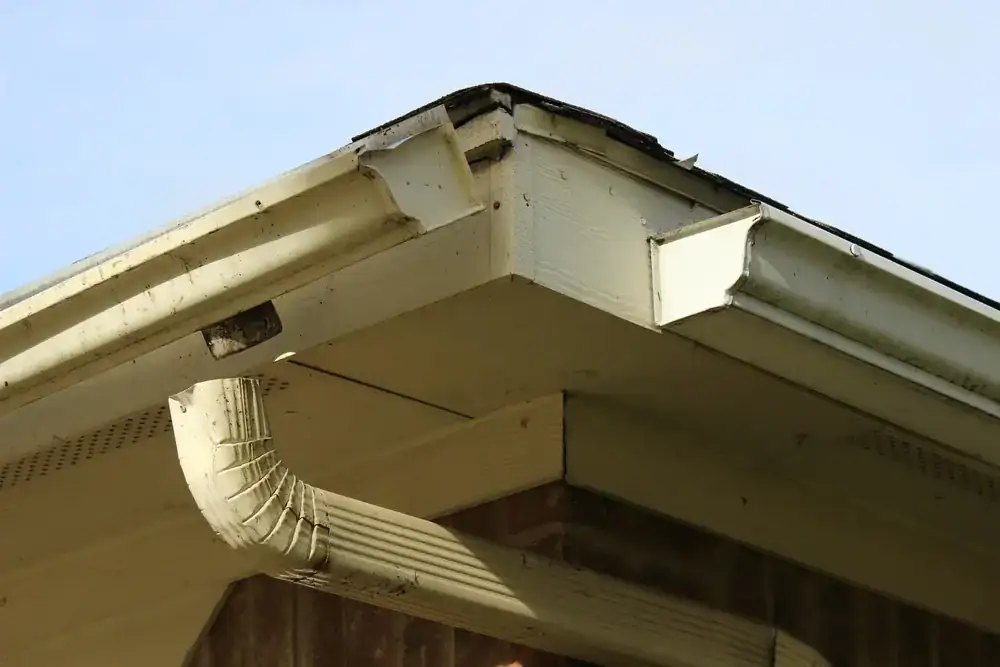
Professional Gutter Repair Services Near You
Water flows where it’s supposed to. That’s the whole point, but it’s what doesn’t happen that matters more.
No more water pooling against your foundation. No more staining down your siding or rotting fascia boards that cost a fortune to replace. When your gutters are doing their job, you’re not dealing with basement seepage, mold growth, or the kind of damage that shows up on an inspection report and kills a sale.
Connecticut Farms gets hit with everything—humid summers that won’t let water dry, freeze-thaw cycles that crack seams, heavy autumn debris, and winter ice dams that back water into places it should never reach. Your gutters either handle that or they don’t. When they don’t, you’re looking at problems that compound fast.
Functional gutters protect what you’ve invested in. They keep water moving away from the structure, preserve your landscaping, and give you one less thing to worry about when the next storm rolls through.
Trusted Gutter Contractor in Connecticut Farms
We’ve spent ten years working on homes across New Jersey, focusing on roofing, siding, and gutters. All exterior work, all local conditions, all the weather patterns that make this region tough on homes.
You’re not getting a crew that learned gutters last month. You’re working with licensed, insured professionals who’ve seen what happens when systems fail and know how to fix them before they do. Certifications from major manufacturers back the work, but it’s the consistency that matters—showing up, diagnosing correctly, and doing the job without surprises.
Connecticut Farms homeowners deal with specific challenges: high humidity, salt air effects if you’re close enough to the coast, temperature swings that stress every seam and joint. The homes here are investments, and keeping them protected means understanding how all the exterior systems work together. That’s what a decade in this market teaches you.

Our Gutter Repair Process Explained
It starts with a free inspection. No charge, no obligation—just a thorough look at what’s going on with your gutters, downspouts, and how water’s moving off your roof.
You’ll get a clear assessment of what’s damaged, what’s at risk, and what actually needs repair versus replacement. If there are leaks, sagging sections, improper pitch, or clogs causing overflow, you’ll know exactly what’s wrong and why it matters. The estimate covers materials, labor, and timeline—nothing vague, nothing that changes halfway through.
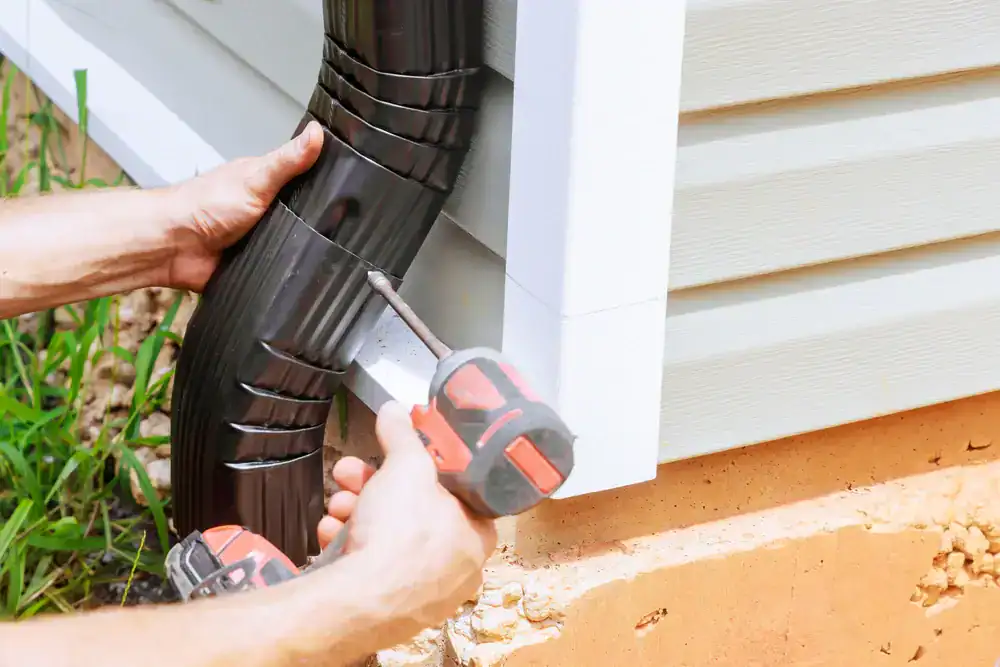
Once you approve the work, the crew shows up on schedule with the right materials and equipment. Repairs get done efficiently: resealing joints, replacing damaged sections, adjusting hangers, fixing downspout drainage issues. If your system needs upgrades to handle New Jersey’s weather better, that conversation happens upfront, not after the fact.
When the job’s complete, you’ll see how water flows during the next rain. That’s the real test. Everything gets cleaned up, and you’ll have direct contact info if anything comes up later. No disappearing after the check clears.

Ready to get started?
Gutter Services for Connecticut Farms Homes
Gutter repair isn’t just patching a hole. It’s diagnosing why the problem happened and making sure it doesn’t come back.
Leak repairs involve resealing seams and joints with commercial-grade sealants that hold up in temperature extremes. Sagging gutters get re-secured with proper hangers spaced correctly for New Jersey snow loads—not the cheap clips that fail after one winter. Damaged sections get replaced with materials that match your existing system, whether that’s aluminum, steel, or copper.
Downspout issues are critical here. If water’s dumping too close to your foundation or pooling in your yard, extensions and drainage solutions get added. In Connecticut Farms, where properties face major wind risk and seasonal storms, making sure water moves at least six feet away from your foundation isn’t optional—it’s necessary.
Ice dam prevention sometimes means adding heat cables or improving attic ventilation. Overflow problems might require upsizing downspouts or adjusting gutter pitch. Every home is different, and the repair reflects what your specific property needs to handle local weather without failing again next season.

How do I know if my gutters need repair or full replacement?
If you’re seeing isolated issues—a leaking seam, one sagging section, a damaged downspout—repair usually makes sense. These are fixable problems that don’t require tearing everything down.
Replacement becomes necessary when you’ve got widespread rust, multiple sections pulling away from the fascia, cracks throughout the system, or gutters that are simply too small for your roof’s water volume. If your gutters are over 20 years old and showing wear in several places, replacement often costs less in the long run than patching problem after problem.
During the free inspection, you’ll get an honest assessment. If repairs will buy you another 5-10 years of solid performance, that’s the recommendation. If you’re looking at repeated service calls and ongoing issues, replacement gets discussed with clear reasoning and cost comparison. The goal is helping you make the decision that actually solves the problem, not just the one that gets a signature today.
What causes gutters to fail in Connecticut Farms specifically?
New Jersey’s climate is brutal on gutter systems. You’re dealing with four distinct seasons that each bring their own stress.
Summers here are humid, which means organic debris in your gutters doesn’t dry out—it sits wet, decomposes, and creates clogs that hold moisture against the metal. That accelerates rust and weakens seams. Fall brings heavy leaf loads, especially if you’ve got mature trees, and those clogs cause water to overflow and freeze when temperatures drop.
Winter is where most damage happens. Freeze-thaw cycles expand and contract every joint and seam. Ice dams form when snow melts, runs down, and refreezes in cold gutters, creating blockages that force water back under shingles. Heavy snow loads can pull gutters right off the fascia if hangers aren’t spaced properly. Connecticut Farms properties face 100% major wind risk over the next 30 years according to climate data, which means storm damage and debris impact are ongoing concerns, not one-time events.
How much does gutter repair typically cost in this area?
Repair costs depend entirely on what’s wrong and how much of your system is affected. A simple reseal of a leaking joint might run a couple hundred dollars. Replacing a damaged 10-foot section with new material and hangers typically falls in the $200-400 range depending on material type.
More extensive repairs—fixing multiple sagging sections, replacing several downspouts, addressing drainage issues around your foundation—can run $800-1,500. If you’re dealing with ice dam damage that requires fascia board replacement along with gutter work, costs increase because you’re fixing structural damage, not just the gutter system.
The free estimate breaks down exactly what you’re paying for: materials, labor, any additional drainage solutions or upgrades needed to prevent the same problem from recurring. No hidden fees, no surprise charges when the crew shows up. You’ll know the total cost before any work starts, and that number doesn’t change unless you approve additional work after seeing something unexpected during the repair.
Can you help with insurance claims for storm damage?
Yes, and this is where having experienced help matters. Insurance claims for gutter damage can be tricky because adjusters often try to minimize what’s covered or claim the damage is from “lack of maintenance” rather than storm impact.
We assist throughout the entire claim process. That starts with documentation—photos, detailed damage assessments, and reports that clearly show storm-related damage versus normal wear. When the adjuster comes out, having a contractor present who knows what to point out and how to explain the damage in terms insurance companies recognize makes a significant difference in what gets approved.
The goal is getting you the coverage needed to restore your property without you paying out of pocket for damage that should be covered. This includes not just the gutters themselves, but related damage to fascia, soffits, or siding that occurred because the gutter system failed during a storm. The process can be frustrating, but you’re not handling it alone or trying to figure out insurance language without help.
How long does a typical gutter repair take to complete?
Most gutter repairs are completed in a single day, often within a few hours depending on the scope. If you’re fixing a few leaking seams and re-securing some loose sections, the crew can usually finish in 2-4 hours.
More extensive work—replacing multiple sections, adding downspout extensions, addressing drainage issues, or fixing fascia damage before reattaching gutters—might take a full day or occasionally stretch into a second day if weather interferes or if additional issues are discovered once work begins.
You’ll get a clear timeline during the estimate. The schedule includes arrival time, expected completion, and what happens if weather delays the work. Connecticut Farms properties are scheduled with realistic timeframes that account for New Jersey weather unpredictability. If something takes longer than expected, you’ll know why and what the new timeline looks like—communication doesn’t stop once work starts.
Do you offer any warranties or guarantees on repair work?
All repair work comes with a workmanship warranty that covers the labor and installation. If a seal fails, a hanger comes loose, or something we repaired starts leaking again due to how the work was performed, it gets fixed at no additional cost.
Material warranties vary depending on what’s used. Manufacturer warranties on replacement sections, sealants, and hardware are passed through to you with full documentation. If a specific product fails within its warranty period, the manufacturer covers the material and we handle the labor to replace it.
The bigger guarantee is simpler: if you call with a problem related to the repair work, you get a response. No runaround, no “we’ll get to it eventually.” After ten years in this market, reputation matters more than any single job, and that means standing behind the work even when it’s inconvenient. You’ll have direct contact information and a company that’s still going to be here next year when you need something else done.
Other Services we provide in Connecticut Farms