
Gutter Installation in Hillside, NJ
Hillside Homes Deserve Better Than Failing Gutters
Hear from Our Customers
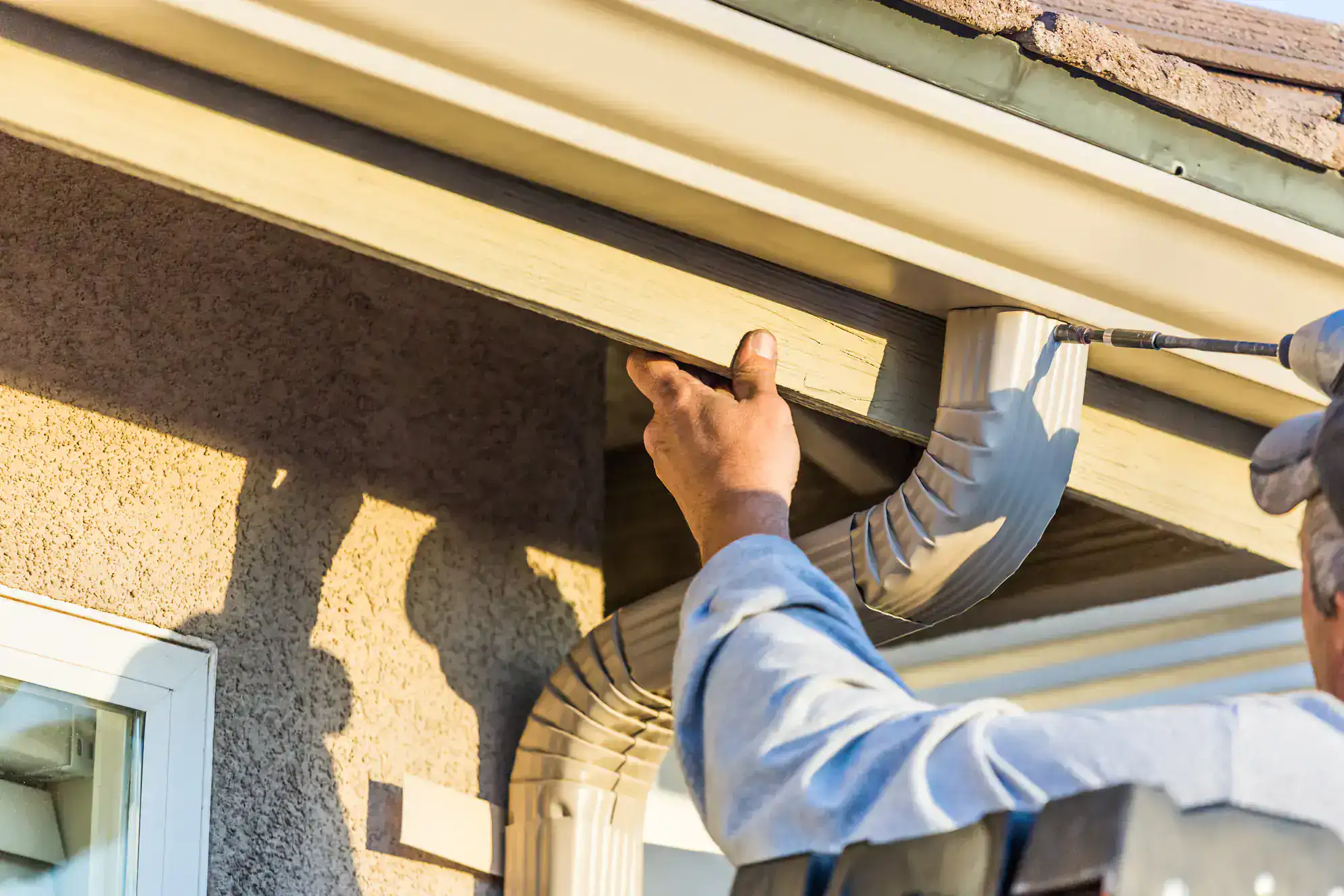
Rain Gutter Installation Hillside, NJ
Most Hillside homes were built between the 1920s and 1950s — and a lot of them are still running on the same gutter setup they had decades ago, or a replacement that’s well past its prime. When gutters fail quietly, the damage isn’t quiet at all. Water backs up behind fascia boards, seeps into wall cavities, pools against foundations, and shows up in your basement weeks later as a problem that costs ten times more than the gutters would have.
When the system is working the way it should, that whole chain of events stops before it starts. Rainwater moves off your roof, through properly sized downspouts, and away from your foundation — not toward it. For a home sitting in Union County’s storm corridor, where a single summer storm can drop several inches of rain in a few hours, that’s not a minor upgrade. It’s the difference between a dry basement and a costly one.
Hillside’s mature tree canopy adds another layer to this. Oaks and maples that have been growing since your home was built shed a serious amount of debris every fall. Gutters that aren’t properly maintained — or that were installed without guards — clog fast, and clogged gutters in a New Jersey winter become ice problems. A correctly installed system, sized and sloped right from the start, holds up through all of it.
Gutter Contractors in Hillside, NJ
We’re based in Elizabeth — a short drive up Route 22 from Hillside — and have been working on Union County homes for over ten years. We started with roofing and expanded into gutters and siding because, on a 1940s colonial in Hillside or anywhere else in the area, those systems don’t operate independently. A gutter problem is often a fascia problem. A fascia problem is sometimes a roofline problem. Treating them separately just means solving the same issue twice.
Our work is backed by an NJ Division of Consumer Affairs Home Improvement Contractor license (#13VH10605800) and manufacturer certifications that keep your installation warranty-eligible. Every estimate we write is itemized and delivered before anything gets touched. No surprise line items after the job. No pressure to approve work on the spot. Just a clear picture of what needs to happen and what it costs — so you can make the call on your terms.
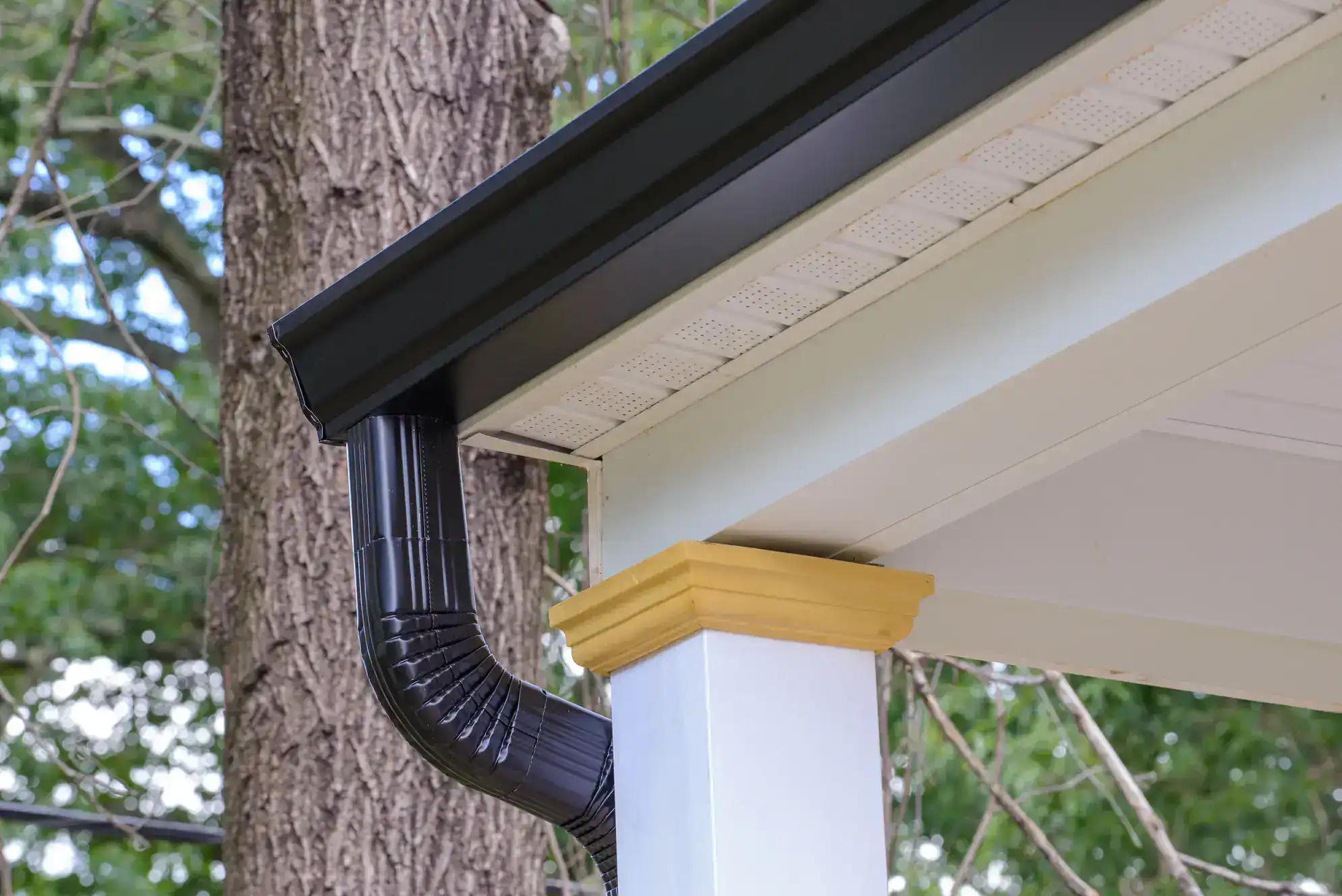
Home Gutter Installation Hillside, NJ
It starts with a free inspection. Before anything is measured or quoted, we look at the full exterior picture — not just the gutters themselves, but the fascia boards behind them, the roof’s drainage volume, and where your downspouts are currently directing water. On homes as old as most of Hillside’s housing stock, that context matters. A new gutter mounted to a rotted fascia board isn’t a fix — it’s a future problem. If something like that shows up during the inspection, you’ll know before the estimate is written, not after we leave.
From there, we fabricate the gutters on-site to fit your specific roofline. Seamless aluminum runs are cut to the exact dimensions of your home — not pre-cut sections pieced together at the seams, which is where leaks almost always start. We calculate slope before the first bracket goes in, because a gutter that doesn’t drain completely is one that freezes in January and pulls away from the house by March. Union County winters are not forgiving to a system that holds standing water.
Once everything is mounted, we confirm downspout placement and extension — making sure water is being directed far enough from your foundation to actually matter. If your home’s storm damage is insurance-eligible, we handle the documentation and adjuster coordination on our end, not yours.
Ready to get started?
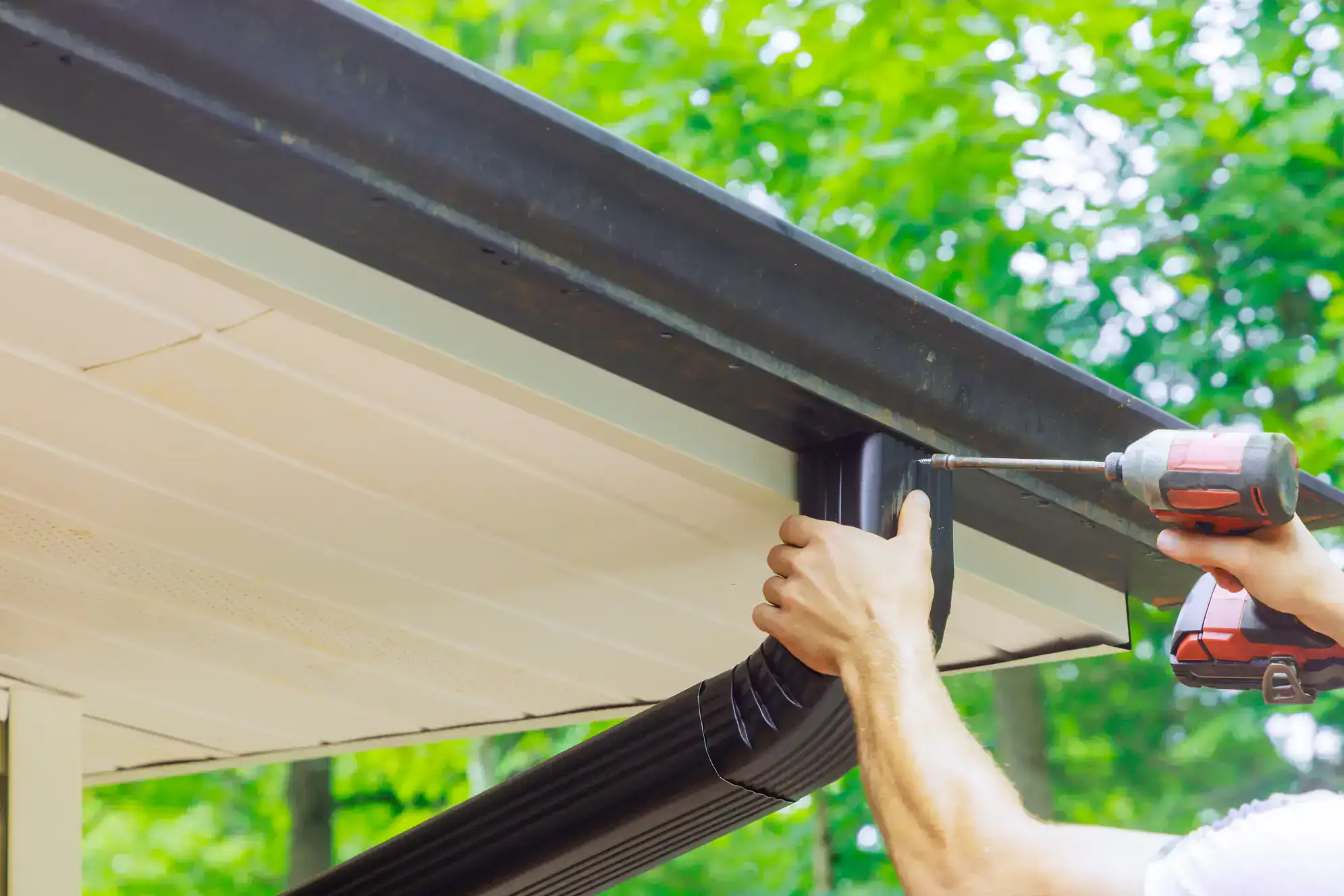
Roof Gutter Installation Hillside, NJ
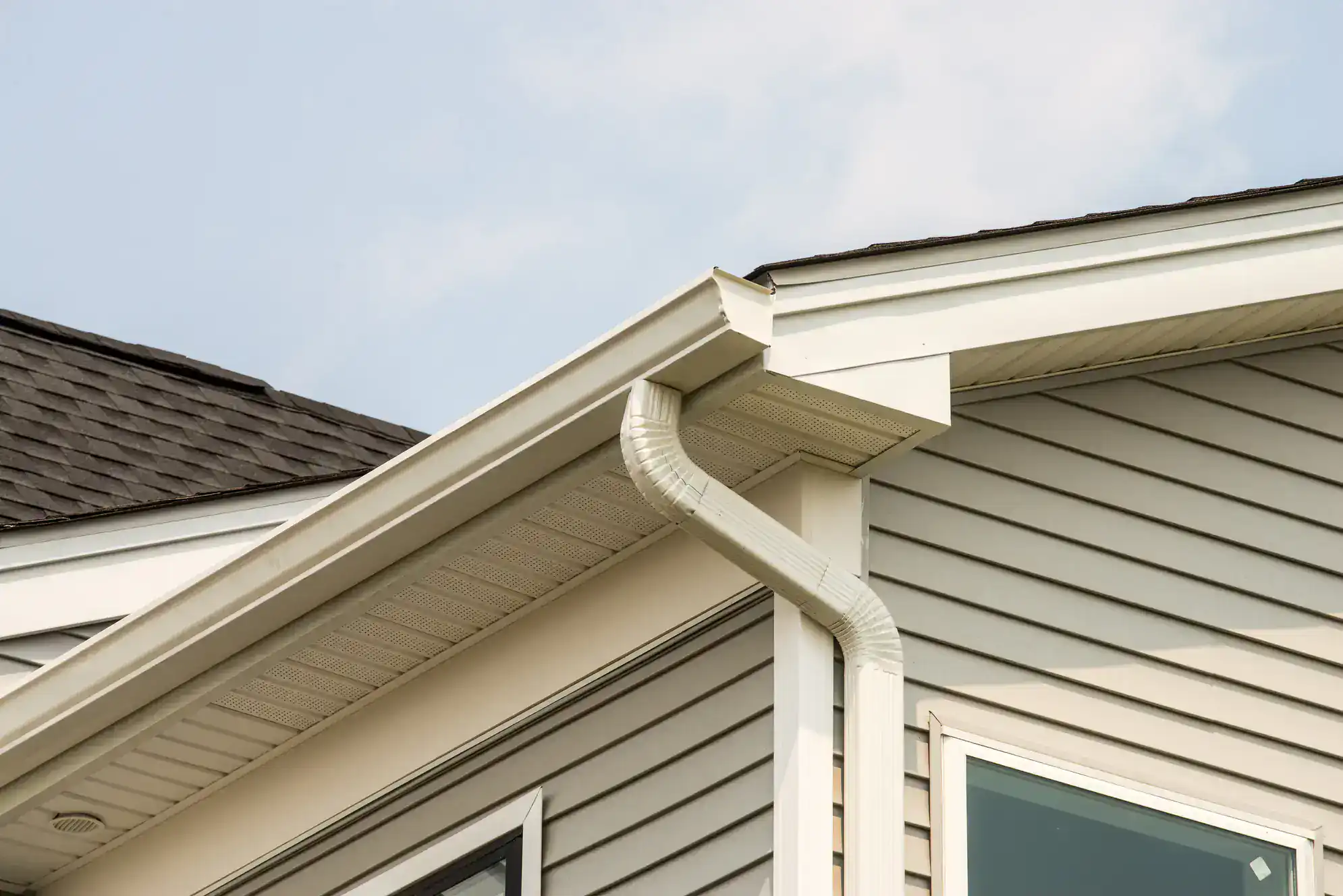
Our standard installation covers seamless aluminum gutter fabrication, correct pitch calculation, bracket mounting, downspout installation, and end cap sealing — all done to the specific measurements of your home. Aluminum is the right call for most Hillside properties. It handles New Jersey’s freeze-thaw cycling better than steel, doesn’t rust, and carries a lifespan of 20 to 30 years when installed correctly. For homes near Conant Park or along the Elizabeth River corridor where moisture exposure is higher, that durability difference adds up.
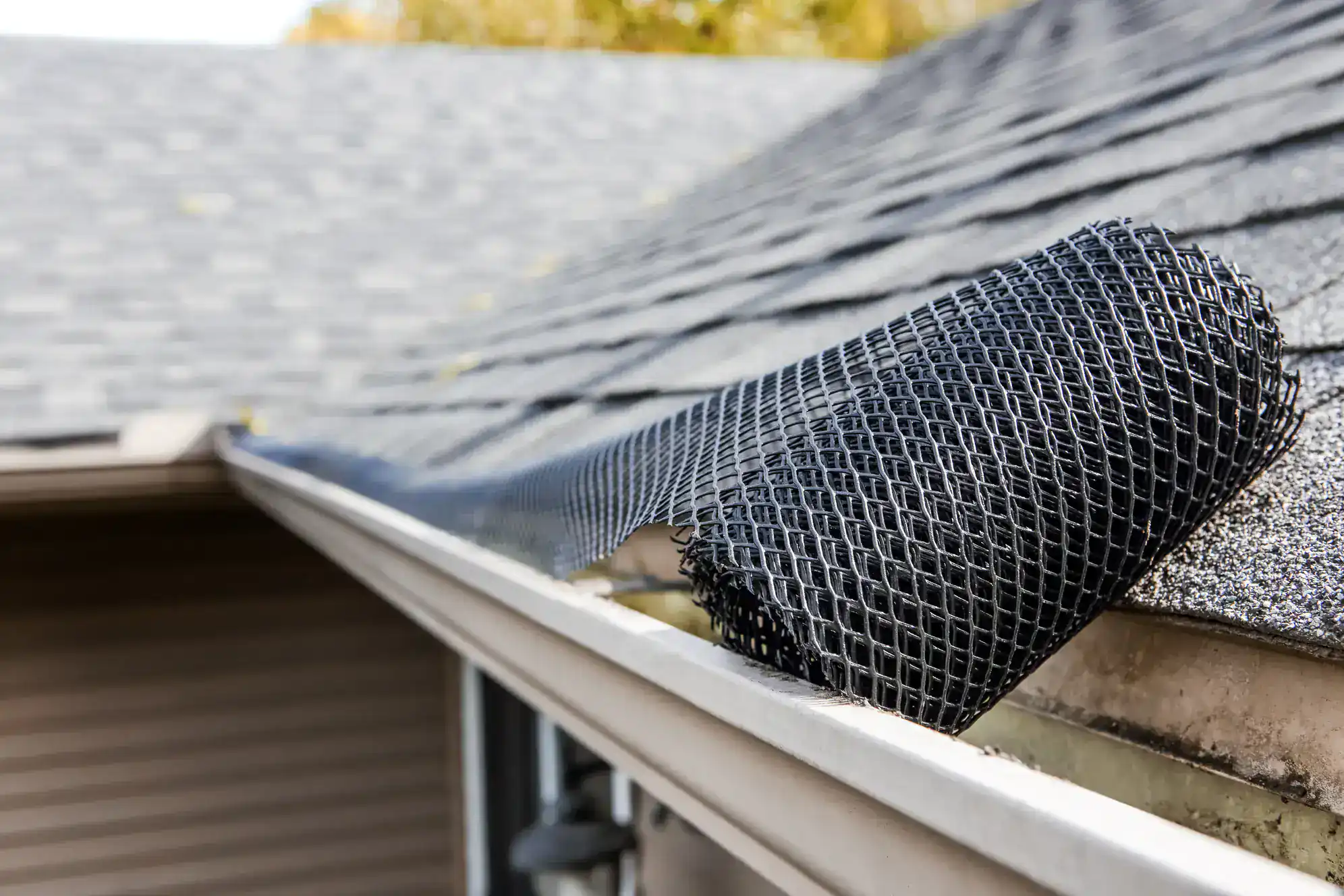
We offer gutter guard installation as an add-on and it makes a real difference for homes with significant tree coverage. If you’ve got mature oaks or maples dropping leaves directly over your roofline every fall — which is common throughout Hillside’s residential neighborhoods — guards reduce the cleaning frequency and lower the risk of winter ice buildup from debris-clogged runs. It’s not a requirement, but it’s worth the conversation during the estimate.
For homeowners dealing with storm damage, our process includes full damage documentation and insurance claim assistance. If wind, hail, or a fallen branch took out part of your gutter system, there’s a real chance your homeowner’s policy covers the replacement. Most people don’t know how to move that claim forward — or don’t have time to. We handle that as part of the job, not as a separate service.
How do I know if my gutters need full replacement or just repairs?
The honest answer is that it depends on what’s actually failing. Minor leaks at seams or a single section pulling away from the fascia can sometimes be repaired without replacing the whole system. But on older Hillside homes — particularly those built in the 1920s through 1950s — the more common scenario is that the gutters have reached the end of their functional life and repairs are just delaying the inevitable. Galvanized steel gutters from that era rust from the inside out, and patching a rusted section doesn’t stop the next one from going.
The inspection will tell you which situation you’re in. If the gutters are structurally sound and the issue is isolated, repair is the right call and that’s what we’ll recommend. If the system is failing in multiple places, or if the fascia behind it has deteriorated to the point where it can’t support a proper mount, replacement is the more cost-effective path. You’ll get a straight answer either way — not a push toward the more expensive option.
What does gutter installation typically cost for a home in Hillside, NJ?
For most Hillside homes, a full seamless aluminum gutter replacement runs somewhere between $2,800 and $5,200, depending on the linear footage of your roofline, the number of downspouts needed, and whether any fascia work is required before installation. The typical colonial or split-level in Hillside has somewhere between 150 and 200 linear feet of gutter, which puts most jobs solidly in that range. Homes with more complex rooflines or significant fascia damage will sit toward the higher end.
Gutter guards, if you’re adding them, run additional depending on the system and linear footage. The best way to get an accurate number for your specific home is through the free estimate — there’s no obligation, and you’ll walk away with a written, itemized quote that breaks down exactly what you’re paying for. No vague totals, no line items that appear after the job is done.
Do I need a permit for gutter installation in Hillside, NJ?
In most cases, no. Under New Jersey’s Uniform Construction Code, replacing gutters on an existing residential structure is generally classified as ordinary maintenance and doesn’t require a construction permit. Hillside’s Building and Housing Department administers the NJ UCC locally, and standard gutter replacement typically falls outside the permit threshold.
Where it can get more complicated is if the scope of work involves structural changes — like rerouting downspouts in a way that alters drainage patterns, or replacing fascia boards that are part of the structural exterior. If anything during the inspection suggests the work might cross into permit territory, we flag that upfront and handle it correctly. What is always required in New Jersey, regardless of permit status, is that the contractor performing home improvement work be registered with the NJ Division of Consumer Affairs as a Home Improvement Contractor. That registration is verifiable — license number #13VH10605800 — and it’s the baseline protection homeowners should confirm before any contractor starts work on their property.
Can clogged or failing gutters actually cause basement flooding in my home?
Yes — and it’s one of the more common causes of basement water intrusion in Hillside’s older housing stock. When gutters overflow, the water doesn’t just run down the side of the house. It saturates the soil directly against the foundation, and on homes built in the 1920s through 1940s, that foundation is often poured concrete or block construction with aging waterproofing that wasn’t designed to handle sustained water pressure. Over time, that saturation finds its way through cracks, mortar joints, and floor-wall seams.
The connection between gutters and basement water isn’t always obvious because the overflow happens at the roofline and the damage shows up in the basement — two places that don’t feel related until you understand the drainage path. Properly installed gutters with correctly positioned downspout extensions move water far enough away from the foundation to break that cycle. It’s not a guarantee against basement moisture, but failing gutters are frequently a contributing factor that gets overlooked when homeowners are focused on the basement itself.
What type of gutters work best for older homes in Hillside, NJ?
Seamless aluminum is the right choice for the vast majority of Hillside homes. It handles New Jersey’s freeze-thaw winters without rusting, it’s lightweight enough not to stress aging fascia boards, and because it’s fabricated in continuous runs rather than pre-cut sections, there are no seams along the gutter run — which is where sectional gutters almost always fail first. The only seams on a seamless system are at the corners and end caps, which are sealed and far more durable than a mid-run joint.
For homes with heavier tree coverage — which is most of Hillside’s residential core — pairing aluminum gutters with a quality gutter guard system significantly reduces maintenance frequency and lowers the risk of ice dam formation from debris-clogged runs in winter. Copper gutters are an option for historic properties and carry a longer lifespan, but they come at a significantly higher cost and aren’t necessary for most Hillside homes. The inspection will give you a clear recommendation based on your specific roofline, tree exposure, and the condition of your existing fascia.
Does homeowner's insurance cover storm-damaged gutters in Hillside, NJ?
It depends on the cause of the damage and your specific policy, but storm damage to gutters — from wind, hail, or a fallen branch — is frequently covered under standard homeowner’s insurance policies as sudden and accidental damage. What’s typically not covered is damage from wear and age, which is why the documentation of how and when the damage occurred matters so much when filing a claim.
Union County sees its share of significant weather events. When a storm moves through Hillside and takes out part of your gutter system, the window for properly documenting that damage is short. Adjusters want to see the condition of the gutters before any repair or replacement work begins, and a contractor who knows how to photograph, document, and present that damage in the format insurers expect can make a real difference in whether your claim gets approved and for how much. We handle that process as part of the job — not a separate consultation, not an added fee. If your gutters were damaged by a storm and you’re not sure whether it’s claimable, the inspection is the right first step.