
Gutter Installation in Connecticut Farms, NJ
Historic Streets, Heavy Trees, and Gutters That Can't Keep Up
Hear from Our Customers
Rain Gutter Installation in Union County
Most water damage to homes in Connecticut Farms doesn’t come from floods. It comes from gutters that overflow quietly, season after season, until the damage shows up in your basement, your fascia, or your foundation. By then, a gutter job has turned into something much more expensive.
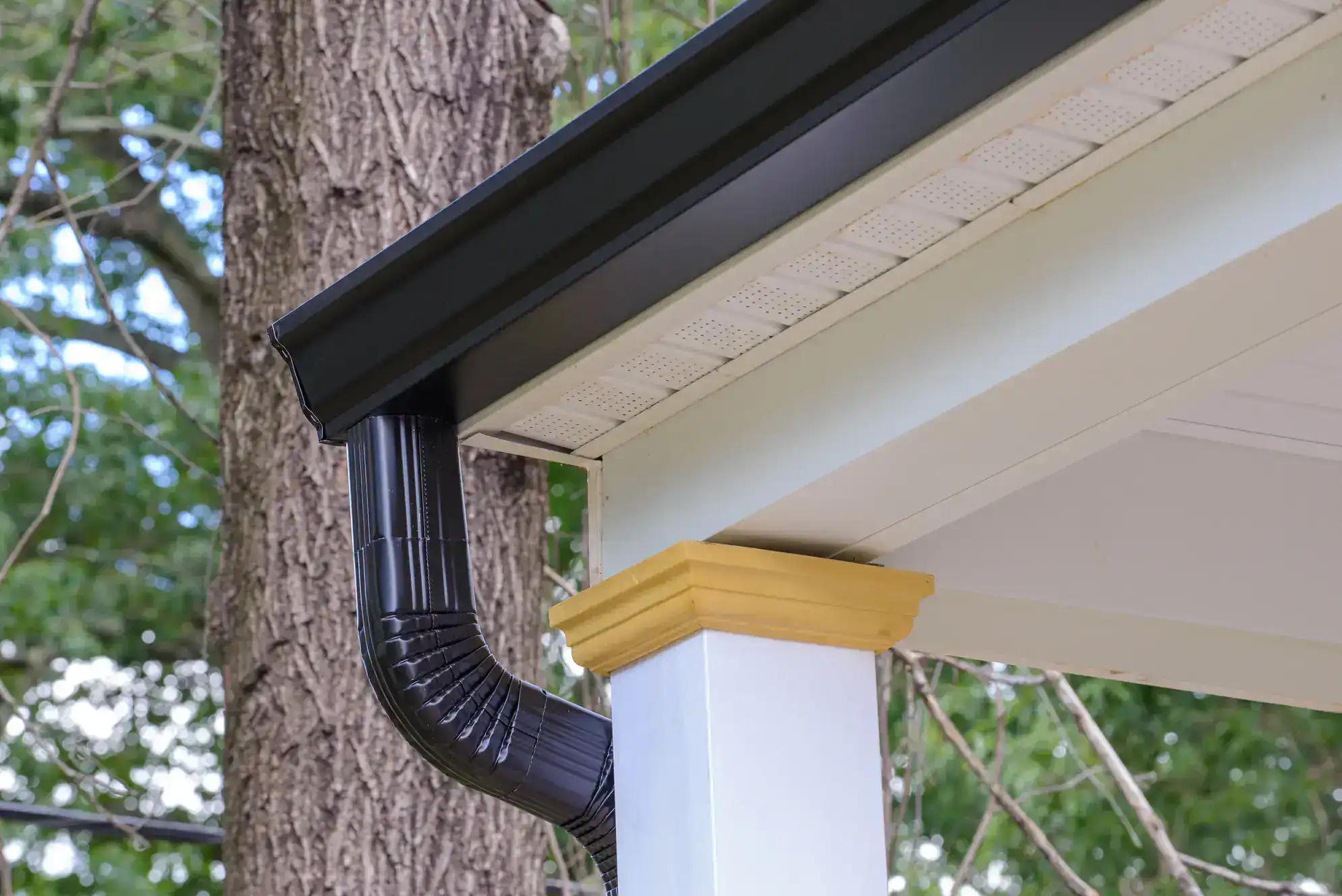
Connecticut Farms is defined by its mature tree canopy — and those trees are beautiful right up until October, when they fill your gutters in a matter of weeks. Properly sized, correctly pitched seamless gutters handle that debris load differently than the sectional systems on most older homes here. No seams means no joints to leak. No joints means water goes where it’s supposed to go — away from your house.
The homes along Stuyvesant Avenue and the surrounding historic blocks sit on established lots with older foundations. That’s exactly the kind of property where chronic roof runoff causes the most damage over time. When your gutters are installed right, you stop worrying about what’s happening at your foundation every time a summer storm rolls through.
Gutter Contractors Serving Connecticut Farms, NJ
We’re based in Elizabeth, NJ — about five miles east of Connecticut Farms. That’s not a coincidence. This is the market we’ve been working in for over a decade, and the housing stock here — older Colonials, established lots, aging exterior systems — is exactly what we know best.
We’re licensed through the NJ Division of Consumer Affairs (HIC #13VH10605800) and certified by major exterior material manufacturers. That means the work we do qualifies for real manufacturer-backed warranty coverage, not just a verbal promise that disappears after we leave.
We didn’t build this business through ad campaigns. We built it through referrals from homeowners in Connecticut Farms and surrounding Union County communities who called their neighbors and said to use us. If you’re in Connecticut Farms and you want a contractor who’s been around long enough to stand behind the work, that’s the short version of who we are.
Home Gutter Installation Process in Connecticut Farms
It starts with a free inspection. We come out, look at your existing gutters, check the fascia boards underneath, evaluate how your roof is shedding water, and look at where your downspouts are discharging. In Connecticut Farms, that last part matters — New Jersey stormwater regulations require that downspout discharge is directed away from your foundation and away from neighboring properties, and a lot of older installations here don’t meet that standard. We flag it before it becomes your problem.
From there, you get a written estimate that breaks down exactly what’s being done and what it costs. No line items that appear after the job. If anything changes mid-project, we tell you before we move forward — not after.
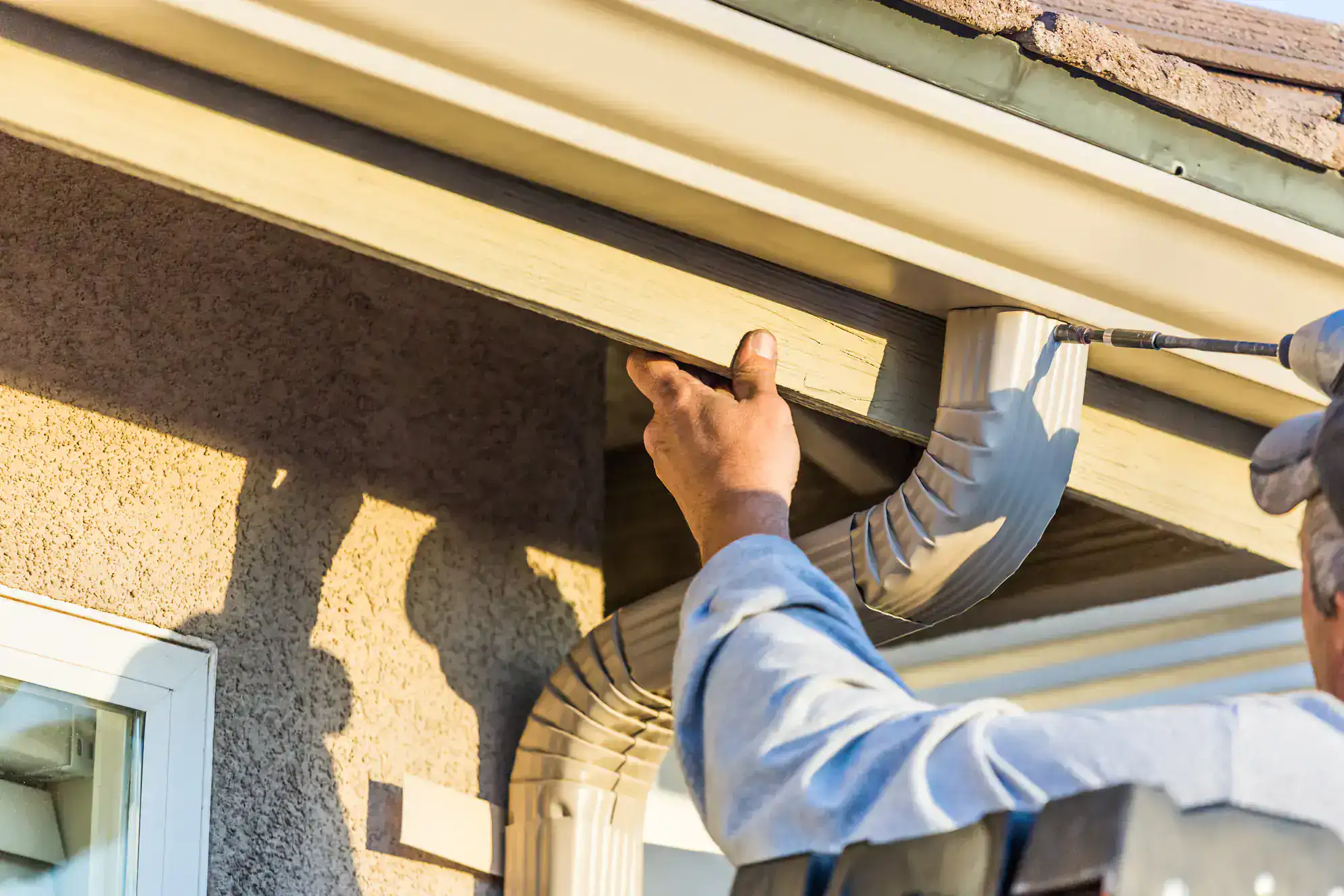
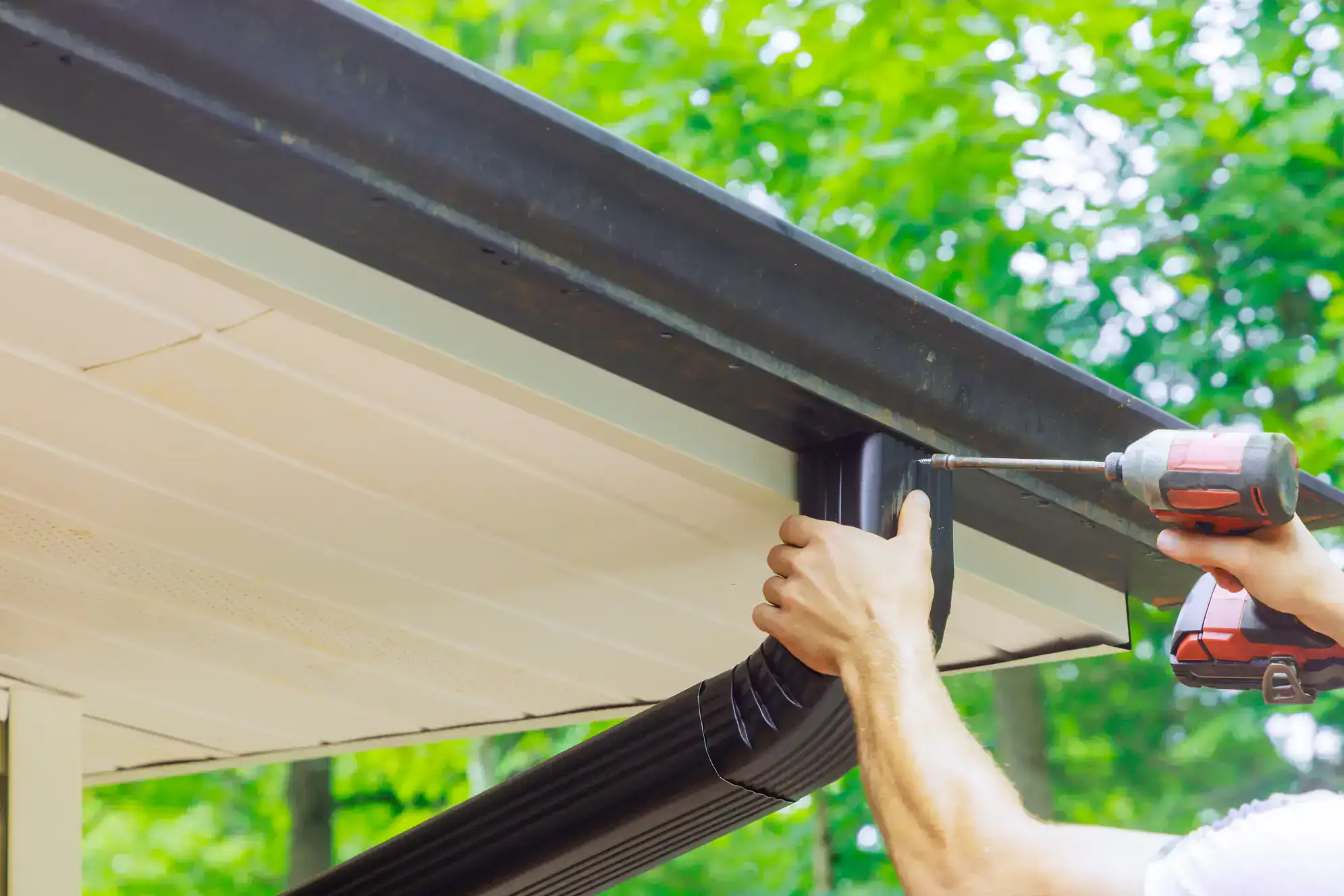
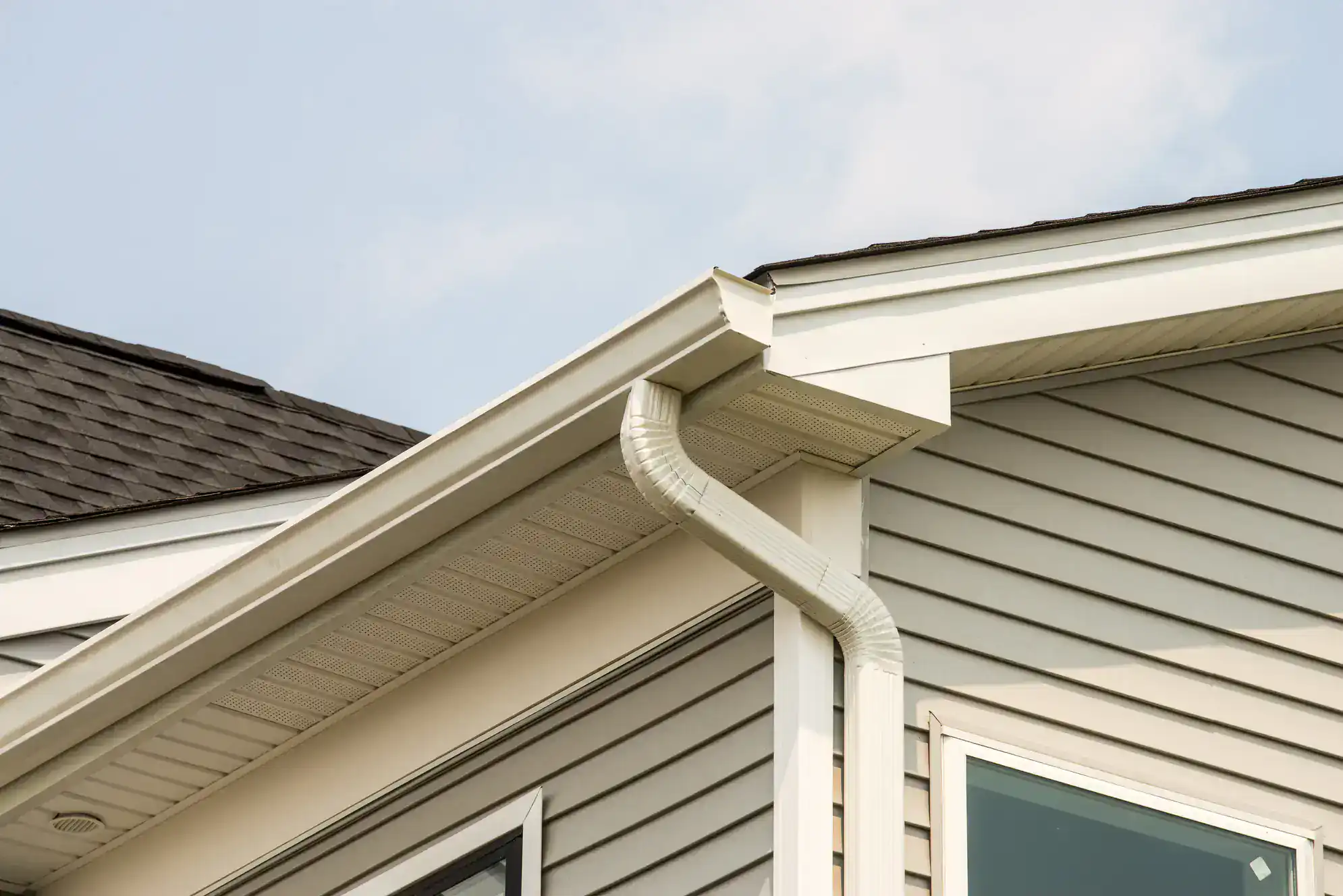
When the installation day comes, we bring our fabrication equipment to your property and custom-cut seamless aluminum gutters to your exact roofline dimensions on-site. Nothing is pre-cut off a truck. Every run is one continuous piece, pitched correctly toward the downspout, and fastened to handle the weight of a full debris load after a fall storm. When we’re done, we walk you through what was installed and why — because you should understand what’s protecting your home.
Ready to get started?
Roof Gutter Installation Company in Connecticut Farms
Every gutter installation we complete in Connecticut Farms is seamless aluminum, custom-fabricated on-site to your exact measurements. We don’t use pre-cut sections — because every seam in a sectional gutter is a future leak waiting to happen, and homes in this neighborhood have enough deferred maintenance to deal with already without adding that to the list.
We size your gutters and downspouts based on your actual roof surface area and the tree coverage on your property. A Colonial on a shaded lot near the Connecticut Farms Historic District has a very different debris load than a home with minimal canopy — and the gutter system should reflect that. We also assess your fascia before anything goes up. If the boards behind your gutters are soft or rotted, new gutters will pull away within a year. We tell you that upfront.
If your gutters were damaged in a storm — a nor’easter, a summer microburst, or a tree branch coming down — your homeowner’s insurance may cover the replacement. We work directly with insurance adjusters, document the damage, and help you get the most out of your claim. A lot of Connecticut Farms homeowners don’t realize that’s an option until we walk them through it.
How do I know if my gutters need replacing or just cleaning in Connecticut Farms?
This is one of the most common questions we get, and the honest answer is: it depends on what’s actually causing the problem. If your gutters are overflowing because they’re packed with leaves from the mature trees in Connecticut Farms, cleaning may be all you need — for now. But if they’re pulling away from the fascia, sagging in the middle, or showing rust and cracks along the seams, those are signs the system itself has failed, and cleaning won’t fix that.
On older homes in Connecticut Farms, we frequently find sectional gutters that have been patched and re-caulked multiple times. At a certain point, you’re spending money every year on a system that’s past its service life. During our free inspection, we give you an honest read on which category you’re in — repair, clean, or replace — before any money changes hands.
What does seamless gutter installation cost for a home in Union Township, NJ?
The range for a full seamless gutter installation on a typical single-family home runs roughly $2,800 to $5,200, depending on the size of the home, the number of stories, the linear footage of gutter run, and whether any fascia repair is needed before installation. Homes in Connecticut Farms with larger Colonial footprints or significant tree coverage that requires upsized downspouts will generally land toward the middle or upper end of that range.
We don’t publish a flat per-foot price because that number doesn’t account for what your home actually needs. What we do offer is a free written estimate that breaks everything down before you commit to anything. That way you know what you’re paying for and why — no vague quotes, no surprises on the final invoice.
Will my homeowner's insurance cover gutter replacement after storm damage in NJ?
In many cases, yes — but it depends on the cause of the damage and your specific policy. In New Jersey, homeowner’s insurance typically covers sudden, accidental damage from storms, wind, falling trees, or hail. If a nor’easter tore your gutters off the fascia or a summer microburst bent and separated them, that’s the kind of event most policies are designed to cover. Wear and tear over time is generally not covered, which is why the documentation of what caused the damage matters.
We work with homeowners in Connecticut Farms who’ve gone through this process and weren’t sure where to start. We document the damage, communicate with the adjuster, and help make sure the claim reflects the actual scope of the work needed. If you’re not sure whether your situation qualifies, the free inspection is a good starting point — we can tell you what we’re seeing and whether it looks like an insurable event.
How long does a seamless gutter installation typically take to complete?
For most single-family homes in Connecticut Farms, the installation itself takes one day — sometimes less, depending on the size of the home and whether any fascia work is needed beforehand. We fabricate the gutters on-site the morning of the job, so there’s no waiting on pre-ordered materials or rescheduling because something arrived in the wrong size.
If we find rotted fascia boards during the inspection — which happens fairly often on older homes in this neighborhood — we’ll let you know before the install date so we can plan for it. Addressing the fascia first is not optional; it’s what makes the gutters last. Skipping it to save a day is how you end up back here in two years with the same problem. We’d rather do it right the first time and give you a clear timeline upfront.
Do I need a permit for gutter installation in Union Township, NJ?
For a standard like-for-like gutter replacement on an existing home, a separate building permit is typically not required in Union Township. However, if the work involves structural changes to the fascia, soffit, or roof edge — or if there are modifications to how downspouts connect to the drainage system — that can change the picture, and it’s worth confirming with Union Township’s Construction and Zoning Department before work begins.
As a licensed NJ Home Improvement Contractor (HIC #13VH10605800), we handle that determination for you. If a permit is needed, we pull it. If it’s not, we tell you why. What you don’t want is to hire an unlicensed contractor who skips that step entirely — because if something goes wrong and the work wasn’t permitted when it should have been, it can affect your homeowner’s insurance coverage and your ability to sell the home down the road.
Are gutter guards worth it for homes in Connecticut Farms with heavy tree coverage?
For a lot of homes in Connecticut Farms, yes — and the reason is specific to this neighborhood. The mature street trees here drop a significant volume of leaves, seed pods, and small debris every fall. Without some form of protection, gutters on these properties can clog completely within weeks of a clean installation. That means overflow, weight stress on the hangers, and water pooling against your fascia before the first hard frost of the season.
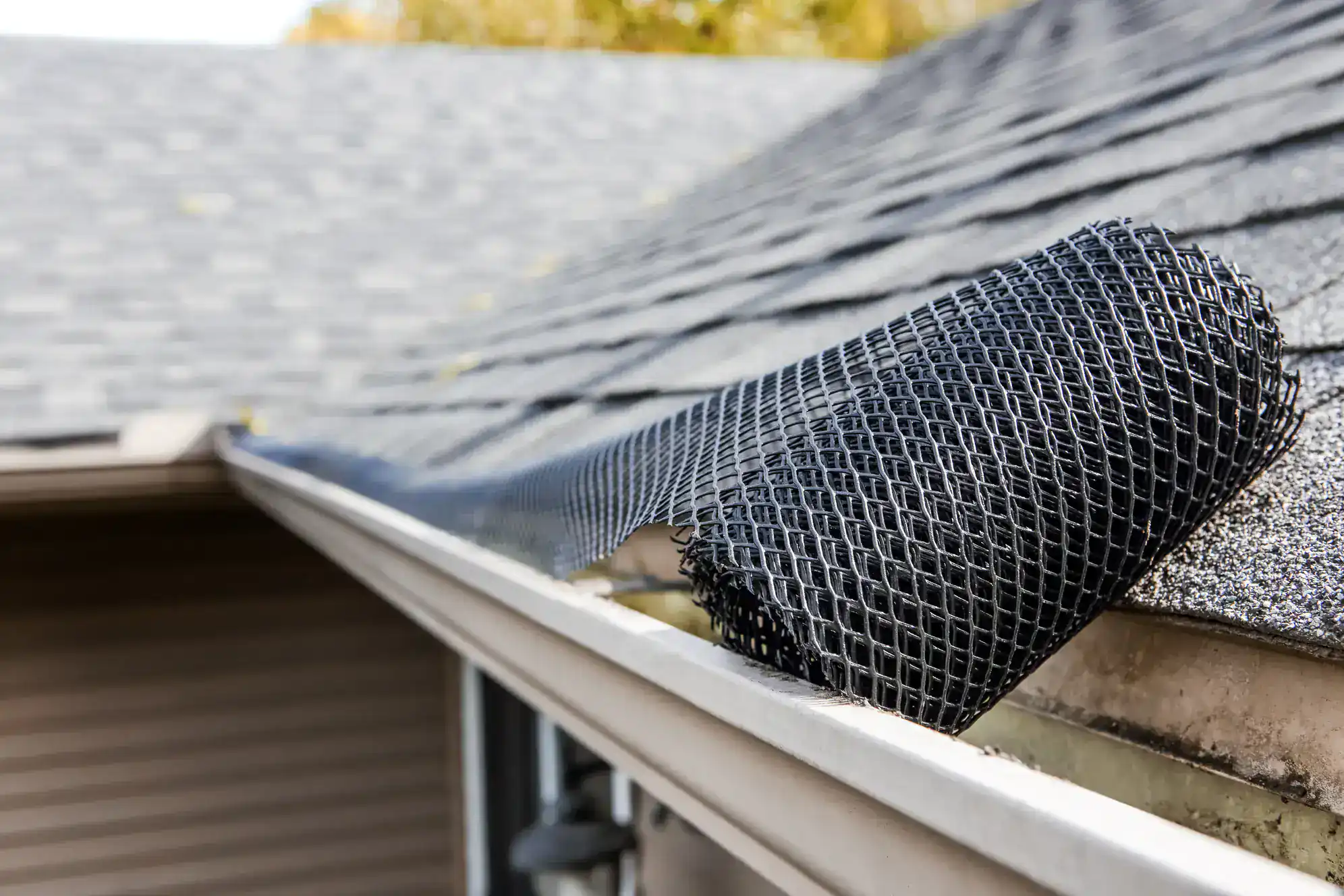
Gutter guards don’t eliminate maintenance entirely, but they dramatically reduce how often you need to get up there — and more importantly, they reduce the risk of a clogged gutter going unnoticed through a winter freeze-thaw cycle, which is when the real structural damage tends to happen. Whether guards make sense for your specific property depends on your tree coverage, your roof pitch, and the type of debris you’re dealing with. We go over that during the estimate so you can make an informed call, not a default one.
Other Services we provide in Connecticut Farms