
Prepare Your Home for Hurricane Storm Damage
Summary:
August through October brings more than just summer heat to Union County. It brings the kind of weather that tests every weak point in your home’s exterior. You’ve seen what hurricanes and severe storms can do here. Maybe you remember Ida. Maybe you’re just tired of wondering if your roof and gutters are actually ready for what’s coming. Either way, you’re not looking for dramatic warnings or sales pitches. You need to know what actually protects your home when the forecast turns serious. Let’s start with the systems that matter most when wind and water show up at your property.
Hurricane Preparation for NJ Homeowners
New Jersey gets hit differently than coastal Florida or the Carolinas. By the time hurricanes reach Union County, they’ve usually weakened. But that doesn’t mean they’re harmless.
Hurricane Ida proved that in 2021. The remnants brought devastating inland flooding and wind damage across the region. Your home doesn’t care whether it’s a Category 1 or just a tropical depression. Water finds the gaps. Wind exploits the weak spots. And the damage bills look the same either way.
The homeowners who came through with minimal damage weren’t lucky. They’d addressed vulnerabilities before the storm arrived. Their gutters were clear. Their roofs had been inspected. Their downspouts actually directed water away from foundations instead of pooling it there. These aren’t complicated fixes, but timing matters. Once the weather service starts tracking a system, contractors are booked solid and hardware stores run low on supplies.
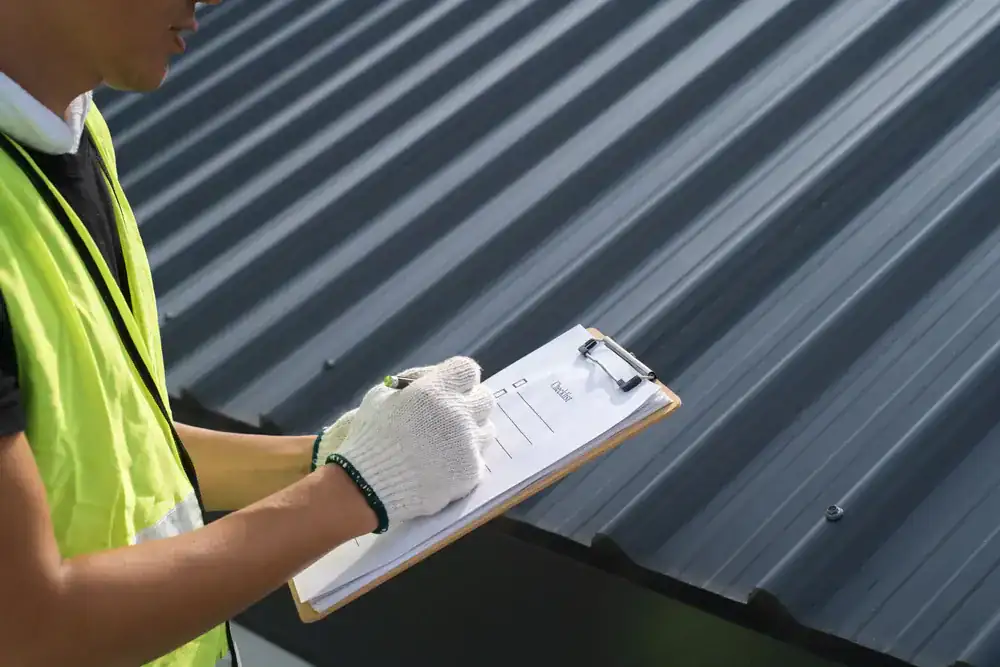
Storm Damage Roof Inspection Priorities
Your roof takes the first hit when severe weather rolls through Union County. Wind doesn’t need hurricane force to cause problems. Aging asphalt shingles can fail at speeds well below what forecasters consider dangerous. Once the roof covering is compromised, wind-driven rain enters your home and the damage multiplies fast.
Start with a visual check from the ground using binoculars. Look for missing, cracked, or curling shingles. Check the edges and valleys where wind tends to catch first. Granule loss on asphalt shingles shows up as dark patches where the protective coating has worn away. If you spot any of these signs, you need a professional evaluation before storm season hits.
Professional roof inspections go deeper than what you can see from the driveway. We check flashing around chimneys, vents, and skylights where leaks commonly start. We examine the condition of underlayment and decking. We test the security of fasteners and look for areas where previous repairs might have created new weak points. A thorough inspection identifies problems while they’re still fixable with targeted repairs instead of emergency tarping after a storm.
Insurance companies pay attention to roof condition too. Claims get denied when damage is linked to pre-existing maintenance issues rather than storm events. Having documentation of a recent professional inspection strengthens your position if you need to file a claim. It shows you maintained the property and that storm damage was sudden and accidental, not the result of neglect.
The timing matters as much as the inspection itself. Schedule this work in spring or early summer, before peak hurricane season starts in August. Contractors have availability. Materials are in stock. And if repairs are needed, you have time to complete them properly instead of rushing through temporary fixes as a storm approaches.
Gutter System Preparation and Maintenance
Clogged gutters cause more storm damage to Union County homes than most people realize. When debris blocks the flow, water backs up under shingles, overflows onto siding, and pools around foundations. During heavy rainfall, a compromised gutter system can dump hundreds of gallons exactly where you don’t want it.
Clean gutters thoroughly before storm season. Remove leaves, twigs, and the sediment that accumulates over winter and spring. Don’t just scoop out the visible debris. Flush the system with a hose to check for proper flow and identify any blockages in downspouts. Water should move freely from gutters through downspouts and discharge at least three to five feet away from your foundation.
Check the physical condition while you’re up there. Look for sections that sag or pull away from the fascia. Inspect seams and corners for separation. Make sure fasteners are secure and brackets haven’t loosened. Even minor sagging changes the pitch and creates spots where water pools instead of flowing toward downspouts. In a heavy storm, that standing water adds weight and stress that can pull entire sections down.
Downspout placement determines whether your gutter system actually protects your home or just moves problems around. Extensions should carry water well away from the foundation, not just dump it at the base of your walls. If you notice water pooling near your home after normal rain, your downspouts aren’t doing their job. Add extensions or redirect discharge before a major storm tests the system under real pressure.
Gutter guards can reduce maintenance frequency, especially if you have mature trees near your roofline. Quality systems keep debris out while allowing water to flow through during heavy rainfall. But guards aren’t a substitute for inspection. You still need to verify the system is working properly and that guards themselves haven’t shifted or developed gaps where debris can enter.
The investment in gutter maintenance pays off during the first serious storm. Properly functioning gutters protect your roof, siding, foundation, and landscaping. Neglected systems create cascading damage that starts at the roofline and works its way down through your home’s structure. The time to find out your gutters work is not during a hurricane.
Want live answers?
Connect with a USA Home Remodeling LLC expert for fast, friendly support.
Property Damage Prevention Checklist
Storm preparation goes beyond roofing and gutters. Your home’s exterior has multiple systems that need attention before severe weather arrives. A systematic approach ensures you don’t miss the vulnerabilities that cause expensive damage.
Start by walking your property with a critical eye. Look at trees and branches that overhang your roof or sit close to your home. Dead limbs become projectiles in high winds. Even healthy branches can strip shingles or break windows when wind speeds pick up. Trim anything within ten feet of your roofline and remove dead wood entirely.
Inspect your siding for cracks, gaps, or areas where moisture might penetrate. Check caulking around windows and doors. Test the seal on exterior penetrations like vents, pipes, and utility connections. Small openings that seem insignificant in normal weather become entry points for wind-driven rain during storms. Seal them now while conditions are calm.

Securing Exterior Elements Before Storms
Loose items in your yard become dangerous projectiles when wind speeds increase. Patio furniture, grills, trash cans, and decorative items can crash through windows or damage siding if they’re not secured or stored. As a storm approaches, bring lightweight items inside or anchor them securely.
Check your fence for loose boards or sections that might blow down. Repair weak spots before high winds test them. A section of fence that fails during a storm can damage your home, your neighbor’s property, or vehicles parked nearby. The same goes for any outdoor structures like sheds, pergolas, or detached garages. Make sure they’re properly anchored and in good repair.
Garage doors deserve special attention. They’re often the largest opening in your home and can fail under high wind pressure if they’re not properly reinforced. Older garage doors may not meet current wind load standards for your area. If your door is more than ten years old or shows signs of wear, have it evaluated by a professional. A failed garage door allows wind and rain to enter, creating interior pressure that can lift your roof or blow out walls.
Document your property’s condition before storm season with photos and video. Walk through every room and record the current state of your home and belongings. Store this documentation in cloud storage where you can access it from anywhere. If you need to file an insurance claim, this pre-storm evidence becomes invaluable for proving what damage was caused by the weather event versus pre-existing conditions.
Review your insurance coverage before you need it. Understand your deductible, what perils are covered, and whether you have separate wind or named-storm deductibles. Many homeowners discover gaps in their coverage only after filing a claim. If you’re in a flood-prone area, standard homeowners insurance won’t cover flood damage. You need separate flood insurance, and there’s typically a waiting period before coverage takes effect.
Emergency Preparedness and Response Planning
Having a plan for when storms hit reduces chaos and helps you respond effectively to damage. Know where your main water shutoff is located and how to turn it off quickly. If a pipe breaks or your roof starts leaking, stopping the water source limits damage. Keep flashlights, batteries, and a battery-powered radio where you can find them in the dark.
Assemble emergency supplies before storm warnings are issued. Stock water, non-perishable food, medications, and first aid supplies. Keep important documents in a waterproof container or safe. Have cash on hand since ATMs and card readers may not work if power is out. Charge all devices and have backup power banks ready.
After a storm passes, safety comes first. Don’t go on your roof to assess damage. Use binoculars from the ground to spot obvious problems like missing shingles or damaged flashing. Look for water stains on ceilings or walls that indicate active leaks. If you find damage, document it immediately with photos and contact your insurance company to start the claims process.
Be cautious about contractors who show up unsolicited after storms. Legitimate local companies don’t need to go door-to-door drumming up business. Storm chasers from out of state often provide substandard work, demand payment upfront, and disappear before completing repairs. Work with established local contractors who have a physical address, proper licensing, and a track record in your community.
Temporary repairs to prevent further damage are your responsibility as a homeowner. If your roof is leaking, tarp the affected area. If windows are broken, board them up. Keep receipts for materials and document the temporary work you do. Most insurance policies require reasonable mitigation efforts, and those costs are typically reimbursable. But don’t make permanent repairs before an adjuster inspects the damage, as this can complicate your claim.
The recovery period after a major storm can stretch for weeks or months. Contractors get overwhelmed with demand. Materials may be in short supply. Having relationships with local professionals before you need emergency service puts you ahead of homeowners who are scrambling to find help. Companies prioritize existing customers and people who’ve done business with them in the past.
Protecting Your Union County Home Year-Round
Storm damage prevention isn’t about panic or last-minute scrambling. It’s about systematic attention to the systems that protect your home. Your roof, gutters, and exterior elements do their job when they’re maintained properly and inspected regularly.
The homeowners who weather storms with minimal damage are the ones who addressed vulnerabilities during calm weather. They scheduled inspections in spring. They cleaned gutters before peak season. They documented their property and understood their insurance coverage. These aren’t complicated steps, but they require planning and follow-through.
If you’re in Union County and want a professional assessment of your home’s storm readiness, we provide free inspections and transparent recommendations. Based in Elizabeth and serving local communities for over a decade, we understand what Union County weather does to homes and what it takes to protect them properly.