
Roof Inspection Checklist for DIY and Pros
Summary:
You know your roof needs regular attention. The question is how much you can safely handle yourself and when it makes sense to bring in someone who does this for a living. A roof inspection checklist sounds straightforward until you’re actually up there trying to figure out what’s normal wear versus what’s a problem developing. The difference between catching an issue early and dealing with water damage six months later often comes down to knowing what you’re looking at. This guide breaks down what a thorough roof inspection actually involves, what you can realistically check from the ground or attic, and where the safety risks and hidden issues make professional expertise worth considering.
DIY Roof Inspection
Plenty of homeowners in Union County handle basic roof checks themselves, especially after a storm rolls through or when fall cleanup season arrives. There’s real value in knowing what’s happening with your roof between professional visits. You can spot obvious problems like missing shingles, clogged gutters, or branches that need clearing.
The key is understanding what DIY actually means in this context. You’re not replicating what a licensed contractor does with specialized equipment and years of pattern recognition. You’re conducting a visual survey from safe vantage points to catch clear red flags that need attention.
Most effective DIY inspections happen from the ground using binoculars, from inside the attic with a good flashlight, and maybe from a ladder at gutter level if you’re comfortable with heights and have someone spotting you. That approach keeps you safe while still giving useful information about your roof’s condition.
What Homeowners Can Safely Check
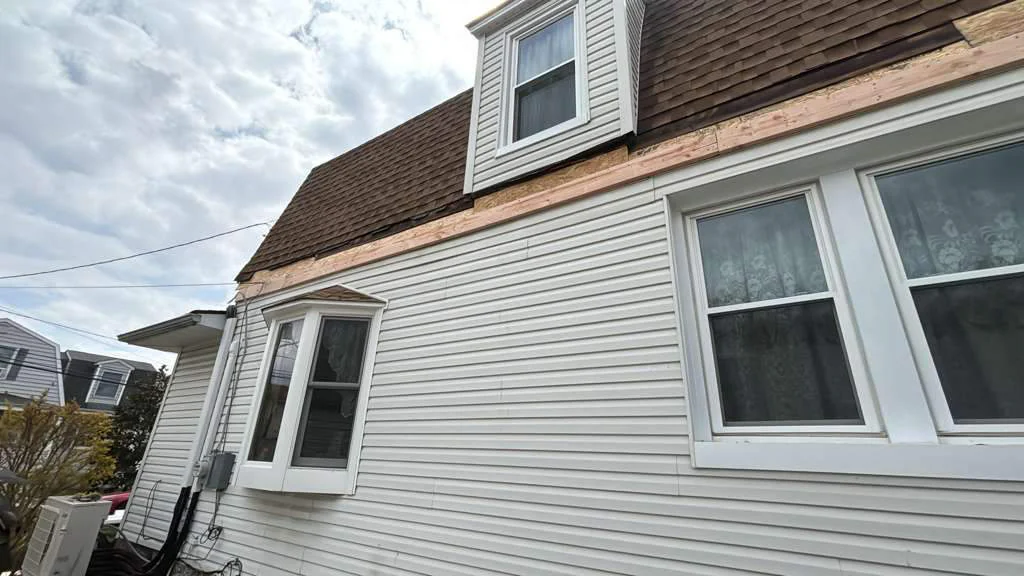
From ground level, you can scan for visible damage across the roof surface. Missing or damaged shingles often show up clearly, especially after wind events. Look for shingles that are curling at the edges, cracked down the middle, or completely gone. Dark patches or discoloration might signal moisture issues or algae growth that’s worth monitoring.
Check your gutters and downspouts for granules accumulating at the bottom. Asphalt shingles shed granules as they age, and a heavy accumulation means your shingles are wearing faster than they should. While you’re looking at gutters, note if they’re sagging, pulling away from the fascia, or showing rust spots.
Inside your attic, turn off the lights during daytime and look for any pinpoints of light coming through the roof deck. That’s a clear sign of penetration that needs addressing. Check insulation for dampness or water stains. Run your hand along the underside of the roof deck feeling for moisture or soft spots that indicate rot developing.
Look at the ceiling inside your home for water stains, especially around chimneys, vents, and in corners where roof planes meet. Fresh stains are obvious, but even old ones tell you where vulnerabilities exist. Pay attention to any musty smells in upper-floor rooms or the attic, as trapped moisture often announces itself through odor before visible damage appears.
These checks give you a baseline understanding of your roof’s condition without requiring you to actually walk on the roof surface, which is where most homeowner injuries happen and where you’re most likely to miss the subtle signs that matter.
Safety Risks Every Homeowner Should Know
The statistics around DIY roof work aren’t encouraging. Falls account for nearly 40% of construction-related fatalities, and homeowners attempting roof inspections without proper training or equipment make up a significant portion of those incidents. It’s not just about the height, though that’s obviously a factor. Roof surfaces are slippery, especially when wet, dusty, or covered in morning dew. Shingles can be fragile, particularly if they’re older or heat-damaged. Step in the wrong spot and you can go through.
Even if you make it onto the roof safely, you’re facing other risks. You might damage the roof yourself by walking on it improperly. Certain roofing materials require specific foot placement to avoid cracking or dislodging. You won’t necessarily know which areas can bear weight and which can’t.
Then there’s the liability issue. If you fall and injure yourself, your homeowner’s insurance might not cover it the same way they would if a licensed, insured contractor were injured on your property. You’re also on your own for any damage you cause to the roof during your inspection. A professional carries insurance specifically for this work.
The bigger problem is what you don’t see. Subtle signs of structural issues, early-stage leaks, failing flashing, or ventilation problems often go unnoticed by untrained eyes. You might complete your inspection feeling confident everything’s fine while missing the exact issue that will cause major damage over the next six months. That false confidence can be more expensive than skipping the inspection entirely.
Weather conditions complicate things further. You need good weather to safely inspect a roof, but you often want to check after storms when conditions might still be marginal. Professionals have the safety equipment and training to work in less-than-ideal conditions. Homeowners typically don’t.
If your roof is steep, if it’s more than one story high, if you have any mobility limitations, or if you’re simply uncomfortable with heights, attempting your own roof-level inspection isn’t worth the risk. The money you save on an inspection fee doesn’t offset a hospital visit or the cost of repairs if something goes wrong.
Want live answers?
Connect with a USA Home Remodeling LLC expert for fast, friendly support.
Professional Roof Inspection
Professional roof inspections bring specialized knowledge, proper safety equipment, and the ability to document findings in ways that matter for insurance claims and warranty compliance. A trained inspector knows what normal aging looks like versus what indicates a developing problem. They can differentiate between cosmetic issues and structural concerns that need immediate attention.
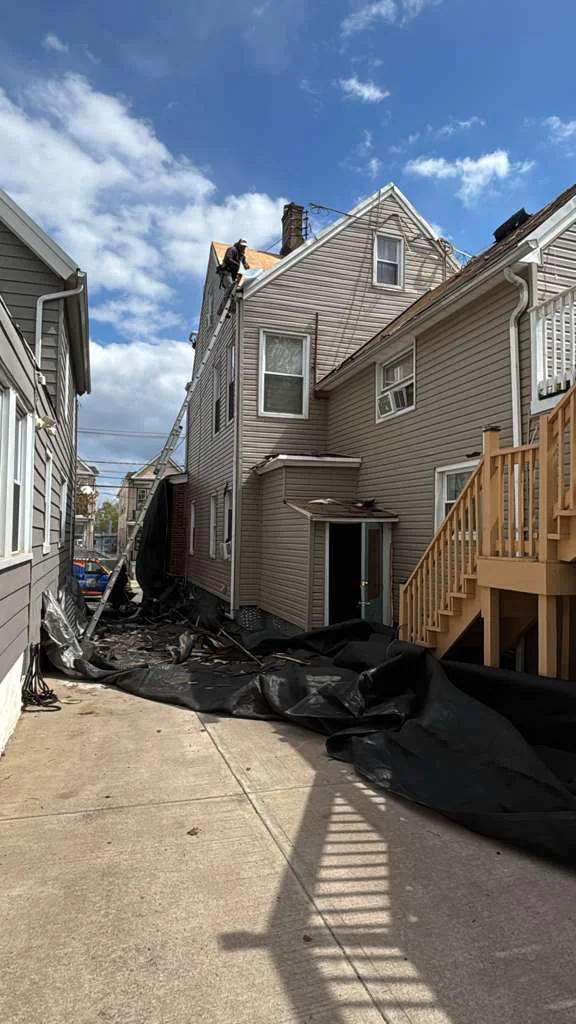
The inspection typically covers both exterior and interior components. Professionals physically access the roof surface when safe to do so, examining shingles, flashing, penetrations, and structural elements up close. They check attic spaces for ventilation adequacy, insulation condition, and signs of moisture intrusion. The result is a comprehensive assessment that gives you an accurate picture of your roof’s current state and likely future needs.
Most professional inspections in 2026 cost between $150 and $600 depending on roof size, complexity, and inspection type. Many roofing contractors, including us here at USA Home Remodeling serving Union County, offer free inspections when you’re considering repairs or replacement, which can save you the upfront cost while still getting expert evaluation.
What Professional Equipment Actually Catches
The tools professionals bring make a tangible difference in what gets found. Moisture meters detect trapped water in roofing materials before it causes visible damage. You can’t see moisture accumulating in the roof deck from a visual inspection, but a moisture meter reads it immediately. That early detection prevents rot from spreading and catches leaks in their earliest stages.
Thermal imaging cameras reveal temperature differences across the roof surface that indicate wet insulation, air leaks, or missing insulation. These cameras essentially let inspectors see through the roof to identify problem areas that have no visible symptoms yet. A cold spot on a thermal scan might show where wind-driven rain is penetrating through failed flashing, even though there’s no water stain visible inside yet.
Drones equipped with high-resolution cameras allow detailed inspection of steep or high roofs without requiring someone to physically access dangerous areas. The drone captures close-up images of shingle condition, flashing details, and valley configurations that would be difficult or risky to examine otherwise. This technology has made thorough inspections possible on roofs that previously would have required expensive scaffolding or significant safety risk.
Beyond equipment, professionals bring systematic approaches refined through hundreds of inspections. They know the common failure points for different roof types and ages. They recognize the early warning signs of issues that haven’t fully developed yet. An experienced inspector can look at granule loss patterns and predict with reasonable accuracy how many years of life the roof has remaining.
They also understand local building codes and manufacturer specifications. If your roof was installed incorrectly, even if it’s not leaking yet, a professional inspection will identify those installation defects before they void your warranty or cause premature failure. Homeowners rarely have the technical knowledge to assess whether their roof meets the standards it should.
Documentation is another critical component. Professional inspections generate detailed reports with photographs, measurements, and specific descriptions of conditions found. This documentation supports insurance claims after storm damage, satisfies lender requirements during home sales, and creates a maintenance record that helps you track your roof’s condition over time. A DIY inspection might give you peace of mind, but it doesn’t produce the paperwork that insurance adjusters and mortgage companies require.
When to Schedule Professional Inspection
Timing matters for roof inspections. Industry recommendations suggest professional evaluation at least once every two to five years for roofs in good condition, with more frequent inspections as the roof ages. In Union County, where freeze-thaw cycles and seasonal storms create specific wear patterns, annual professional inspections make sense for roofs over 15 years old.
After any significant weather event, professional inspection is worth considering. Hail damage, high winds, and heavy snow loads can all compromise your roof in ways that aren’t immediately obvious. Insurance claims for storm damage typically require professional documentation, so having an inspector evaluate the roof shortly after a major storm positions you well if you need to file a claim.
Before buying or selling a home, professional roof inspection protects both parties. Buyers want to know what they’re getting into, and sellers benefit from addressing issues before they become negotiating points or deal-breakers. Most lenders require roof inspections if the roof appears to be near the end of its expected lifespan, and those inspections must come from licensed professionals, not homeowners.
If you notice any active leaks, water stains, sagging areas, or significant shingle damage, skip the DIY approach and call a professional immediately. These symptoms indicate problems that have progressed beyond the early detection stage. You need accurate diagnosis and proper repairs, not just identification of the obvious issue. What you see might be the symptom while the actual cause is somewhere else entirely.
When your roof warranty requires periodic inspections to remain valid, those must be conducted by certified inspectors who can provide proper documentation. Manufacturer warranties often specify inspection intervals and documentation requirements. Missing those requirements can void coverage right when you need it most.
If you’re uncomfortable on ladders, if your roof is steep or particularly high, or if you simply want the peace of mind that comes from professional evaluation, there’s no shame in hiring it done. The cost of a professional inspection is modest compared to the cost of missing a developing problem or injuring yourself attempting DIY inspection.
Many roofing companies serving Union County offer free inspections as part of their service. That eliminates the cost barrier entirely while giving you access to professional expertise and proper documentation of your roof’s condition.
Making the Right Choice for Your Roof
A roof inspection checklist helps you understand what needs attention, but the real value comes from knowing your own limitations and when to call in expertise that keeps you safe and catches what matters. DIY checks from the ground and attic give you useful information between professional visits. They help you stay aware of your roof’s condition and spot obvious problems that need addressing.
The safety risks, equipment limitations, and potential for missing critical issues make professional inspection the smarter choice for comprehensive evaluation. You get accurate assessment, proper documentation, and the peace of mind that comes from knowing a trained eye has reviewed every component that matters.
If you’re in Union County and want your roof properly evaluated, we offer free inspections backed by 10+ years of local experience, manufacturer certifications, and the transparent approach that’s earned us a 5.0 star Google rating. Sometimes the best DIY decision is knowing when to let the professionals handle it.