
Asphalt Shingles vs Metal Roof: NJ Comparison
Summary:
You’re looking at roof replacement options and the numbers don’t quite add up yet. Asphalt shingles seem affordable until you factor in replacement timelines. Metal roofing sounds durable but the upfront cost makes you pause. And somewhere between contractor estimates and online research, you’re stuck wondering which actually makes sense for a home in Union County.
The truth is, both materials work. But they work differently depending on your budget, how long you’re staying, and what you’re willing to deal with over the next 20 to 50 years. This isn’t about which roof is “better.” It’s about which one fits your situation. Let’s start with what actually separates these two options when it comes to cost.
Metal Roof vs Shingles Cost Comparison
The price gap between asphalt shingles and metal roofing is real, and it shows up immediately in your estimate. Asphalt shingles typically run between $1.50 and $4 per square foot installed, while metal roofing ranges from $4 to $30 per square foot depending on the material and style you choose.
For an average Union County home, that means you’re looking at roughly $6,900 to $24,000 for asphalt shingles versus $25,700 to $89,600 for metal. The gap narrows if you’re comparing premium architectural shingles to entry-level metal, but metal still costs more upfront in almost every scenario.
But here’s where it gets less straightforward. Asphalt shingles last about 20 to 30 years in New Jersey’s climate. Metal roofing can go 50 years or longer. That means if you install asphalt shingles today, you’re likely paying for another roof replacement before a metal roof would even need serious attention.
What Drives the Cost Difference Between Materials
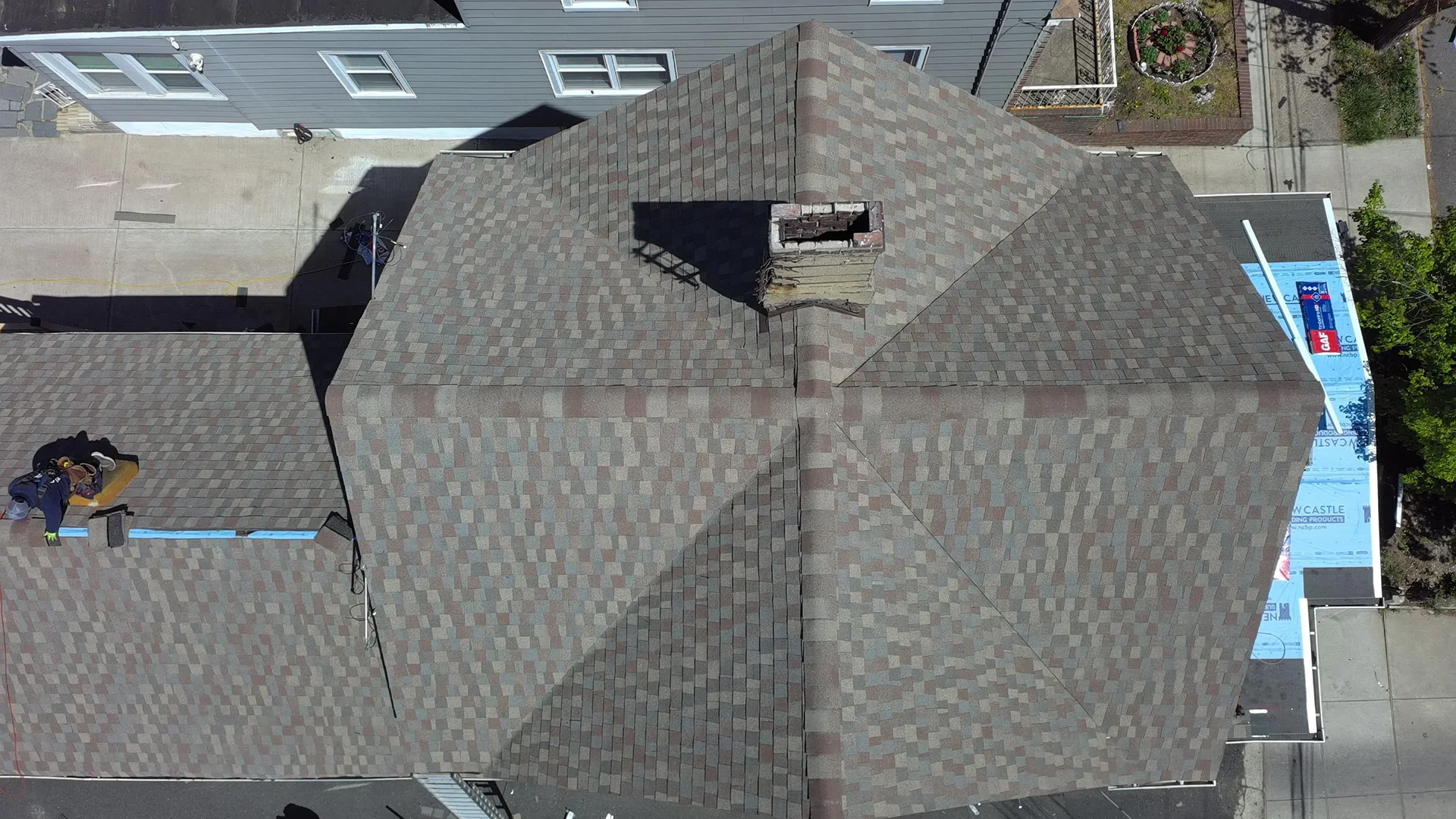
Material costs aren’t the only reason metal roofing runs higher. Installation plays a big role too. Metal roofing requires specialized skills and precision that most contractors don’t have, which drives up labor costs and extends project timelines compared to asphalt shingles.
Asphalt shingles, on the other hand, are straightforward to install. Most roofing contractors in Union County have years of experience with them, which keeps labor costs lower and installation faster. You’re also working with a material that’s widely available, so supply issues are rare and pricing stays relatively stable.
Metal roofing materials vary widely in price depending on what you choose. Standing seam systems cost more than corrugated panels. Steel and aluminum sit on the lower end of the metal spectrum, while copper and zinc command premium prices. Each option comes with different performance characteristics, warranties, and aesthetic qualities.
The roof’s complexity matters too. Steep pitches, multiple valleys, dormers, and intricate designs increase both material waste and labor time. Metal installations become significantly more expensive on complex roofs because every cut needs to be precise and every seam needs to be watertight. Asphalt shingles adapt more easily to complicated roof lines, though labor still increases with complexity.
Then there’s tear-off and disposal. Removing old roofing adds $1 to $2 per square foot in most cases, and disposal fees vary based on material type and local landfill costs. Some metal roofing can be installed over existing shingles if the structure supports the weight and local codes allow it, potentially saving on tear-off costs. But that’s not always the best long-term approach.
When you’re comparing estimates, make sure you’re looking at the same scope. Some quotes include underlayment upgrades, ventilation improvements, or flashing replacements that others don’t. The lowest number isn’t always the best value, especially if it skips critical components that affect how long your roof actually lasts.
Long-Term Value and Replacement Cycles
Here’s the math that changes the conversation. If you install asphalt shingles today and stay in your home for 50 years, you’re paying for at least two full roof replacements, possibly three depending on weather exposure and maintenance. If you install metal roofing, you’re likely done for the life of the home.
Let’s say asphalt shingles cost $15,000 today. In 25 years, you’re replacing them again. Even if costs stay flat, which they won’t, that’s $30,000 over 50 years. A metal roof might cost $35,000 upfront but requires no replacement in that same timeframe. The long-term numbers favor metal if you’re planning to stay put.
But that only matters if you’re actually staying. If you’re selling in five years, you won’t see the benefit of metal’s longevity. You’ll have spent more upfront without capturing the return. Asphalt shingles make more sense for shorter timelines because they deliver solid performance at a lower entry cost.
Maintenance costs shift the equation too. Asphalt shingles need periodic attention including inspections, minor repairs, and dealing with issues like granule loss, algae growth, and wind damage. Those costs add up over time. Metal roofing requires less frequent maintenance and holds up better against weather, which means fewer service calls and lower ongoing expenses.
Energy efficiency plays into long-term value as well. Metal roofs reflect solar heat, which can reduce cooling costs by up to 25 percent during Union County’s humid summers. That’s money back in your pocket every month. Asphalt shingles absorb more heat, which drives up cooling costs, though the difference matters more in consistently hot climates than in New Jersey’s mixed seasons.
Resale value is harder to pin down. A new roof of any type adds value and buyer confidence. Metal roofing can boost resale appeal in some markets, especially among buyers looking for low-maintenance homes. But you typically don’t recoup the full cost difference between metal and asphalt at resale. If you’re replacing primarily to sell, asphalt shingles often deliver better immediate return on investment.
The decision comes down to your timeline and priorities. If you’re looking at this as a 20-plus-year investment and you value lower maintenance and better durability, metal makes sense despite the higher upfront cost. If you need a quality roof at a manageable price point and you’re comfortable with standard maintenance, asphalt shingles deliver solid value.
Want live answers?
Connect with a USA Home Remodeling LLC expert for fast, friendly support.
Best Roofing Material for NJ Climate
Union County’s weather doesn’t play favorites. You get humid summers that promote algae growth, freezing winters with snow loads and ice dams, freeze-thaw cycles that crack inferior materials, and nor’easters that test wind resistance. Your roof needs to handle all of it without falling apart in 10 years.
Both asphalt shingles and metal roofing can work in New Jersey’s climate, but they handle conditions differently. Asphalt shingles perform well in moderate weather and hold up reasonably against seasonal temperature swings when properly installed with good ventilation. Metal roofing excels in extreme conditions including heavy snow, high winds, and rapid temperature changes.
The question isn’t which material survives New Jersey weather. It’s which one survives it with less maintenance, fewer repairs, and better long-term performance based on your specific situation and what you’re willing to manage over time.
How Each Material Handles Winter Weather and Snow
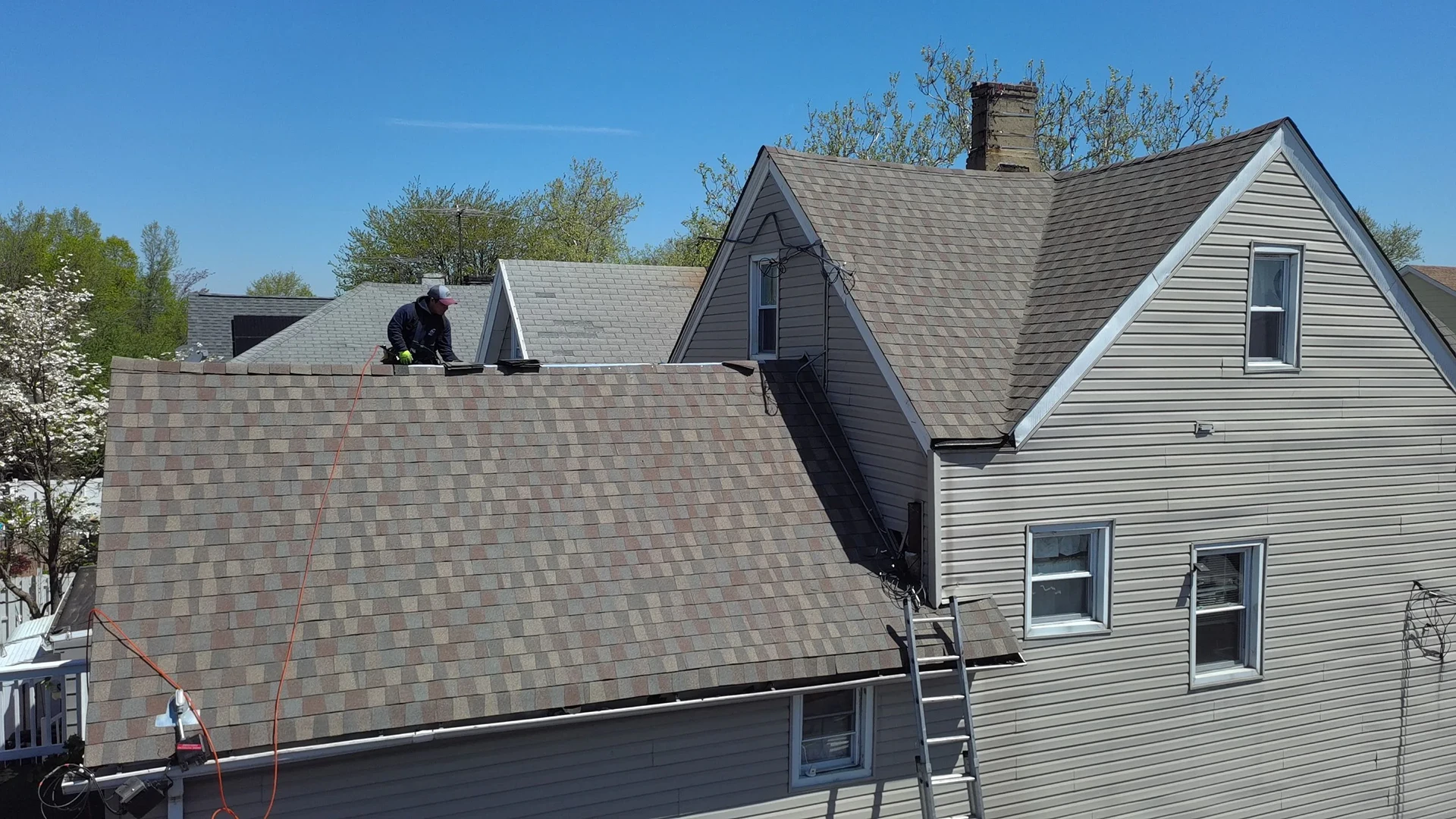
New Jersey winters bring snow, ice, and freeze-thaw cycles that put stress on roofing materials. Asphalt shingles can handle moderate snow loads when the roof structure is sound and attic ventilation is proper. But they’re vulnerable to ice dams, especially on roofs with poor insulation or inadequate ventilation.
Ice dams form when heat escapes through the roof, melts snow near the ridge, and that water refreezes at the colder eaves. The ice backs up under shingles and causes leaks. This isn’t really a shingle problem, it’s an insulation and ventilation problem. But shingles are more susceptible to the damage ice dams cause compared to metal.
Metal roofing sheds snow more effectively. The smooth surface and reflective properties help snow slide off before it accumulates to problem levels. Metal roofs also warm slightly in sunlight, which encourages snow to release naturally. That reduces the risk of ice dams and the structural stress that comes with heavy snow loads sitting on your roof for weeks.
Freeze-thaw cycles are harder on asphalt shingles. When temperatures cross the freezing point repeatedly throughout winter, shingles expand and contract. Over time, this leads to cracking, curling, and granule loss that shortens lifespan. Premium architectural shingles resist this better than basic three-tab options, but it’s still a factor.
Metal roofing handles freeze-thaw cycles without the same wear. Metal expands and contracts with temperature changes, but proper installation accounts for this with fastening systems that allow movement. The material itself doesn’t crack or degrade from temperature fluctuations the way asphalt does.
One consideration with metal roofing in snow country is snow guards. Without them, large sheets of snow can slide off suddenly, which creates safety hazards near entryways and can damage gutters, landscaping, or anything below. Snow guards are a relatively small additional cost that prevent this issue.
Both materials need proper attic ventilation and insulation to perform well in winter. Ventilation prevents heat buildup that causes ice dams. Insulation keeps conditioned air inside where it belongs. These factors matter more than roofing material when it comes to preventing winter problems, but metal gives you more margin for error.
Durability Against Storms, Wind, and Humidity
Union County sees its share of storms. Nor’easters bring high winds and heavy rain. Summer storms drop hail. Humidity hangs around for months. Your roof needs to stand up to all of it without constant repairs.
Metal roofing consistently outperforms asphalt shingles in severe weather. Metal roofs are rated for winds up to 140 mph when properly installed. They resist impact from hail and falling debris better than shingles. They don’t absorb moisture, which means no rot, no mold on the roofing material itself, and no degradation from prolonged humidity exposure.
Asphalt shingles handle moderate storms well, but they’re more vulnerable. High winds can lift and tear shingles, especially as they age and the adhesive seal weakens. Hail can crack or puncture shingles, creating entry points for water. And while modern architectural shingles are rated for winds around 110 mph, that’s still lower than metal’s wind resistance.
Humidity affects asphalt shingles more than metal. In shaded areas or roofs with poor ventilation, algae and moss growth are common on asphalt. That black streaking you see on older roofs isn’t just cosmetic. It’s algae feeding on the limestone filler in shingles. Over time, it holds moisture against the surface and accelerates deterioration.
Metal roofing doesn’t support algae or moss growth. The surface doesn’t provide the organic material these organisms need. That means less maintenance, no staining, and better long-term appearance without needing chemical treatments or soft washing to keep the roof looking decent.
Fire resistance is another consideration. Metal roofing has a Class A fire rating, the highest available. It won’t ignite from airborne embers or external flames. Asphalt shingles vary in fire resistance depending on the product, but even those with good ratings don’t match metal’s non-combustible properties. In areas with wildfire risk or where fire safety is a priority, metal offers measurable advantages.
Storm damage often comes down to installation quality as much as material choice. A poorly installed metal roof can fail in moderate winds. A well-installed asphalt shingle roof with proper underlayment and flashing can survive significant storms. But all else being equal, metal gives you better odds against severe weather.
The real difference shows up over time. Asphalt shingles require ongoing attention after storms to replace damaged shingles, check for leaks, and address wear. Metal roofing typically needs less frequent inspection and fewer repairs, which means lower long-term maintenance costs and less disruption to your life.
Choosing the Right Roof Material for Your Home
There’s no universal right answer between asphalt shingles and metal roofing. The right choice depends on your budget, how long you’re staying, what you’re willing to maintain, and what matters most to you about your home’s protection and value.
Asphalt shingles make sense if you need quality roofing at a manageable upfront cost, you’re comfortable with standard maintenance, or you’re not planning to stay in the home long enough to see metal’s longevity pay off. Metal roofing makes sense if you’re investing for the long term, you value lower maintenance and better storm resistance, and you can manage the higher initial investment.
Both materials work in Union County’s climate when installed correctly by experienced contractors. The difference is in how they work, what they cost over time, and what they ask of you as a homeowner. If you’re ready to move forward with a roof replacement and want honest guidance based on your specific situation, we provide free estimates and inspections throughout Union County with no pressure and no hidden costs.