
Roof Replacement Cost 2026: Elizabeth NJ
Summary:
If your roof is showing its age or took a beating from the last nor’easter, you’re probably searching for one thing: what does roof replacement actually cost in Elizabeth, NJ right now?
The answer isn’t simple, because every roof is different. But you deserve real numbers, not vague ranges that don’t help you plan. In this guide, you’ll get honest pricing breakdowns for Union County, understand what drives those costs, and learn how to spot a fair estimate when you see one. No fluff, no pressure—just the information you need to make a smart decision about protecting your home.
What Does a New Roof Cost in Elizabeth, NJ?
For most single-family homes in Elizabeth and Union County, roof replacement costs fall between $8,000 and $18,000 in 2026. That’s the realistic range when you’re working with a licensed contractor, using quality materials, and doing the job right.
Smaller homes with straightforward roof lines might land closer to $8,000. Larger homes, steeper pitches, or more complex layouts can push toward $18,000 or higher. If you’re replacing a basic 1,500 square foot roof with architectural shingles—the most common scenario around here—expect to budget somewhere between $10,000 and $15,000.
These numbers include everything: tearing off your old roof, disposing of the debris, installing new underlayment and shingles, replacing flashing around chimneys and vents, and cleanup. If a contractor quotes you significantly less, ask what’s being left out. If they’re quoting much more, you deserve a clear explanation of why.
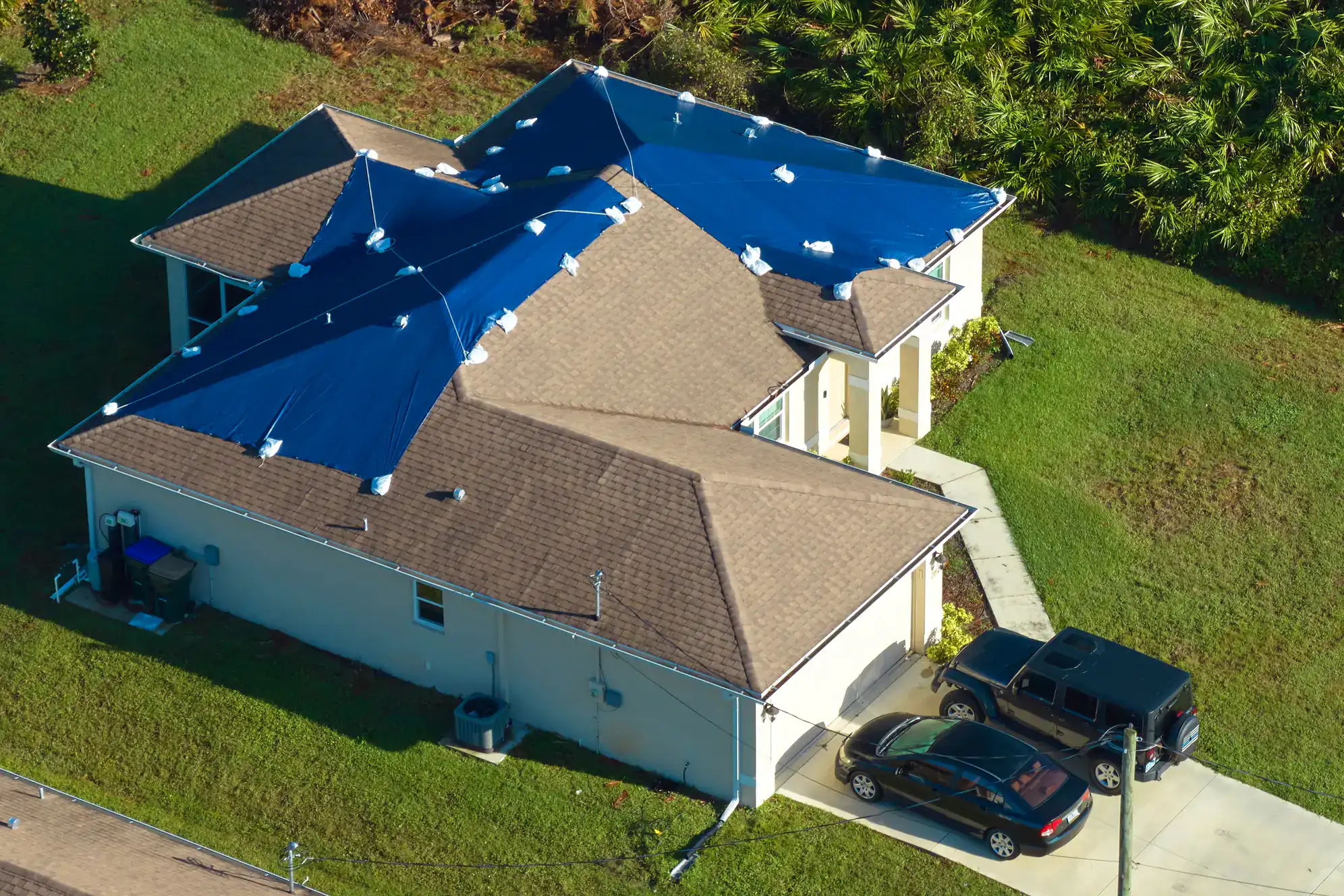
Roof Installation Cost Breakdown by Material
The material you choose has the biggest impact on your final bill. In Union County, most homeowners go with asphalt shingles because they balance cost, durability, and performance well for New Jersey’s weather.
Architectural shingles run about $4 to $6.50 per square foot installed. They’re thicker than basic 3-tab shingles, last 20 to 30 years, and handle wind and rain better. For a typical 2,000 square foot roof, that’s roughly $8,000 to $13,000 in materials and labor combined.
Basic 3-tab shingles cost less—around $3.50 to $5 per square foot—but they don’t hold up as long. Most contractors don’t even recommend them anymore unless budget is the only consideration. Designer or luxury shingles, which mimic slate or wood shake, can reach $6.50 to $9 per square foot. They look great and last longer, but you’re paying a premium for aesthetics.
Metal roofing is another option, especially if you’re thinking long-term. Standing seam metal costs $12 to $16 per square foot installed, which is two to three times the price of asphalt. But metal roofs can last 40 to 70 years, reflect heat to lower cooling costs, and handle severe weather better than shingles. If you plan to stay in your home for decades, the math can work in your favor. You’ll replace an asphalt roof two or three times in the same period a metal roof is still protecting your house.
Slate and tile roofs run $15 to $30+ per square foot. They’re beautiful and last practically forever, but they’re heavy, require structural support, and come with a price tag most homeowners in Elizabeth aren’t looking to pay unless they’re restoring a historic property.
Roofing Prices Per Square Foot and What Affects Them
When contractors talk about roofing costs, they often reference “squares”—a roofing square is 100 square feet. A 2,000 square foot roof is 20 squares. In New Jersey, you’re typically looking at $5 to $12 per square foot for a complete roof replacement, depending on materials and complexity.
Labor makes up 60 to 65 percent of your total cost. In Union County, roofing crews charge about $60 to $90 per hour, which translates to roughly $2.50 to $5 per square foot for installation. That’s higher than some states, but it reflects New Jersey’s cost of living, strict building codes, and the skill required to handle our weather conditions.
Roof pitch matters. A steep roof requires more safety equipment, takes longer to work on, and increases labor costs. If your roof has multiple levels, dormers, skylights, or a lot of valleys where two sections meet, expect to pay more. Those features add complexity, require extra flashing and cutting, and slow down the installation.
Access plays a role too. If your property has tight spaces, landscaping obstacles, or limited room for dumpsters and equipment, crews need more time to work carefully. That time adds up.
Tear-off and disposal costs run about $1 to $2 per square foot. You’re paying for labor to remove the old shingles, haul them away, and dispose of the debris properly. Some contractors include this in their quote, others break it out separately. Either way, it’s part of the total cost.
Hidden damage is the wild card. Once the old roof comes off, contractors can see the decking underneath. If there’s rot, water damage, or structural issues, you’ll need repairs before the new roof goes on. Replacing damaged plywood or sheathing can add $1,000 to $3,000 or more, depending on how much needs fixing. It’s not a scam—it’s reality. You can’t see what’s under the shingles until they’re gone.
Want live answers?
Connect with a USA Home Remodeling LLC expert for fast, friendly support.
What's Included in a Roof Replacement Estimate?
A good estimate breaks down every part of the job so you know exactly what you’re paying for. If a contractor hands you a single number with no details, that’s a red flag.
Materials should be listed: shingle brand and type, underlayment (synthetic or felt), ice and water shield for vulnerable areas, flashing, drip edge, ridge vents or other ventilation components. Labor should be clear: tear-off, installation, disposal, cleanup. Permits, if required in your town, should be mentioned. Some Elizabeth-area municipalities still require them for certain projects, though New Jersey changed the rules in 2018 to classify most residential roof replacements as ordinary maintenance.
A solid estimate also includes a timeline. Most single-family roofs in Union County take one to three days to replace, depending on size and weather. If a contractor says they’ll get to it “when they can,” that’s not a professional approach.
Warranties matter. You should get two: a manufacturer’s warranty on the materials and a workmanship warranty from the contractor. Manufacturer warranties on architectural shingles typically run 25 to 30 years, sometimes longer. Workmanship warranties vary—some contractors offer a year, others offer longer. Ask before you sign.
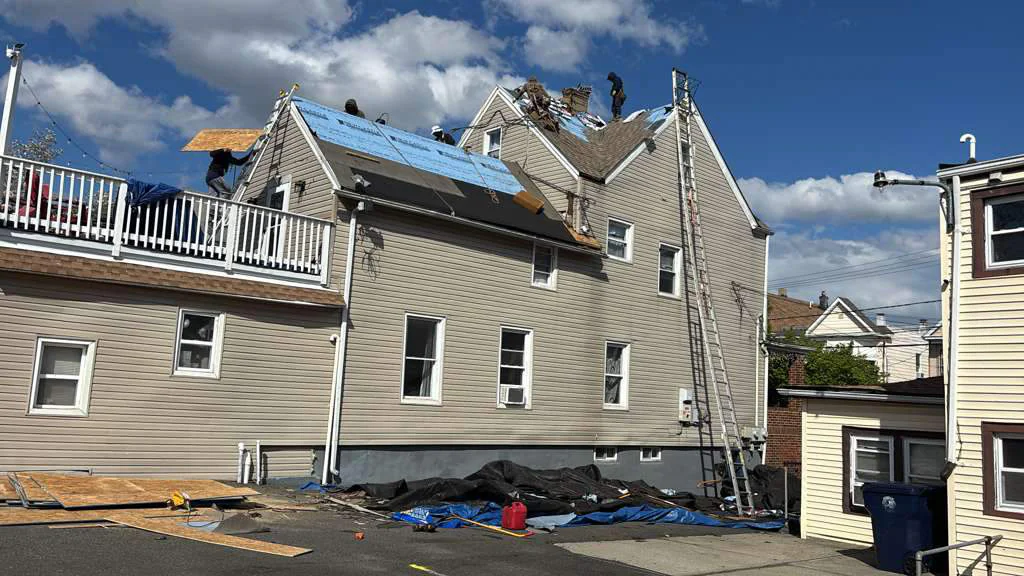
Hidden Costs to Watch For
Even with a detailed estimate, surprises can happen. The most common is damaged decking. When the old shingles come off, rotted or water-damaged plywood becomes visible. Replacing it isn’t optional—you can’t install a new roof over compromised structure. Expect to pay $50 to $100 per sheet of plywood, plus labor.
Chimney flashing and repairs can add cost. If your chimney mortar is crumbling or the flashing is corroded, fixing it during the roof replacement makes sense. Putting new shingles around old, failing flashing just sets you up for leaks later. Budget a few hundred to a thousand dollars if your chimney needs attention.
Ventilation upgrades sometimes come up. Older homes in Elizabeth and Union County often have inadequate attic ventilation. Adding ridge vents, soffit vents, or improving airflow helps your new roof last longer and keeps your home more energy-efficient. It’s not always required, but it’s worth considering if your contractor recommends it.
Gutter work isn’t part of a roof replacement, but if your gutters are sagging, leaking, or clogged, addressing them at the same time saves you from scheduling another project later. Some contractors offer package deals that include gutter cleaning, repair, or replacement alongside roofing.
Permits can vary by town. While most residential roof replacements in New Jersey don’t require permits anymore, some municipalities still charge fees or require inspections for structural work. Your contractor should know the local rules and handle the paperwork if needed. Permit fees, when required, typically run $100 to $500.
Financing Options If You Don't Have Cash on Hand
Not many homeowners have $10,000 to $15,000 sitting in savings, and that’s okay. Financing options exist specifically for situations like this.
Many contractors work with third-party lenders that offer payment plans. You’ll see options like 0 percent interest for 12 to 18 months if you pay off the balance in that time. If you can manage it, that’s essentially free money—you’re just spreading the cost out without paying extra. Miss the deadline, though, and interest kicks in retroactively, so read the terms carefully.
Longer-term loans with low monthly payments are another route. Terms can stretch to 120 or even 180 months, which brings your monthly payment down to something manageable. Interest rates vary based on your credit, but many homeowners find this option less stressful than draining savings or putting everything on a credit card.
Personal loans through banks or credit unions are worth exploring. If you have good credit, you might qualify for rates around 6 to 10 percent. For an $8,000 loan at 6.99 percent over three years, you’re looking at about $246 per month. It’s predictable, and you’re not tying the loan to your home as collateral.
Home equity loans or lines of credit let you borrow against your home’s value, usually at lower interest rates than personal loans. The downside is your home is collateral, so if you fall behind, you’re risking foreclosure. If you’re confident in your ability to repay, it can be a cost-effective option.
PACE financing is available in some areas. It’s tied to your property taxes, doesn’t require a credit check, and offers long repayment terms. Not every town participates, so check if it’s an option in Elizabeth or your specific municipality.
Insurance might cover part of the cost if your roof was damaged by a storm, falling tree, or other sudden event. Normal wear and tear doesn’t qualify, but if you’ve had recent weather damage, file a claim. You’ll likely pay a deductible—anywhere from a few hundred to a few thousand dollars—but insurance can cover the rest. We can help document the damage and work with your adjuster.
How to Know If You're Getting a Fair Estimate
Getting three estimates from licensed, insured contractors is the standard advice, and it holds up. If one quote is way lower than the others, dig into why. Are they skipping tear-off? Using cheaper materials? Leaving out permits or disposal? A lowball bid often means corners are being cut.
If one quote is significantly higher, ask for specifics. Maybe they’re including upgrades like synthetic underlayment, better ventilation, or a longer workmanship warranty. Sometimes the higher price reflects better materials or more thorough work. Other times, it’s just inflated. You won’t know unless you ask.
Check that the contractor is licensed and insured. In New Jersey, contractors need a Home Improvement Contractor license. Ask to see it. Verify they carry general liability insurance and workers’ compensation. If someone gets hurt on your property and the contractor isn’t insured, you could be liable.
Look for manufacturer certifications. Contractors certified by shingle manufacturers like GAF, CertainTeed, or Owens Corning have met specific training and quality standards. It’s not a guarantee of perfection, but it shows they’re invested in doing things right.
Read reviews, but read them critically. A few perfect five-star reviews might be friends and family. A mix of ratings with detailed feedback—both positive and constructive—gives you a better picture. Look for mentions of communication, cleanup, handling unexpected issues, and standing behind their work.
Trust your gut. If a contractor pressures you to sign immediately, offers a deal that’s only good today, or makes you uncomfortable, walk away. Good contractors don’t need to rush you. They’re confident in their work and their pricing, and they’re fine giving you time to decide.