
Storm Damage Roof Prevention Checklist
Summary:
Your roof is the only thing standing between your family and whatever weather Union County throws at you. And if you’ve lived here long enough, you know that can mean anything from torrential nor’easters in March to summer microbursts that rip shingles off in seconds.
Most storm damage doesn’t happen because roofs are poorly built. It happens because small issues go unnoticed until high winds or heavy rain expose them. A loose shingle here, a clogged gutter there—these aren’t emergencies until a storm turns them into one.
This checklist gives you a clear path to prepare your roof before severe weather arrives. You’ll know what to inspect, what supplies to keep ready, and when it makes sense to bring in a professional before the forecast turns ugly.
Pre-Storm Roof Inspection Checklist
Walking around your property before storm season starts is one of the smartest things you can do. You’re not looking for perfection—you’re looking for vulnerabilities that wind and rain will find before you do.
Start from the ground. Grab a pair of binoculars if you have them and scan your roofline for anything that looks off. Missing shingles, curled edges, dark spots that might indicate moisture—these are the red flags that need attention now, not after the next storm warning.
Check your gutters and downspouts while you’re at it. If they’re sagging, pulling away from the fascia, or packed with last fall’s leaves, water has nowhere to go during heavy rain. That means it’s going under your shingles or into your siding, and neither option ends well.
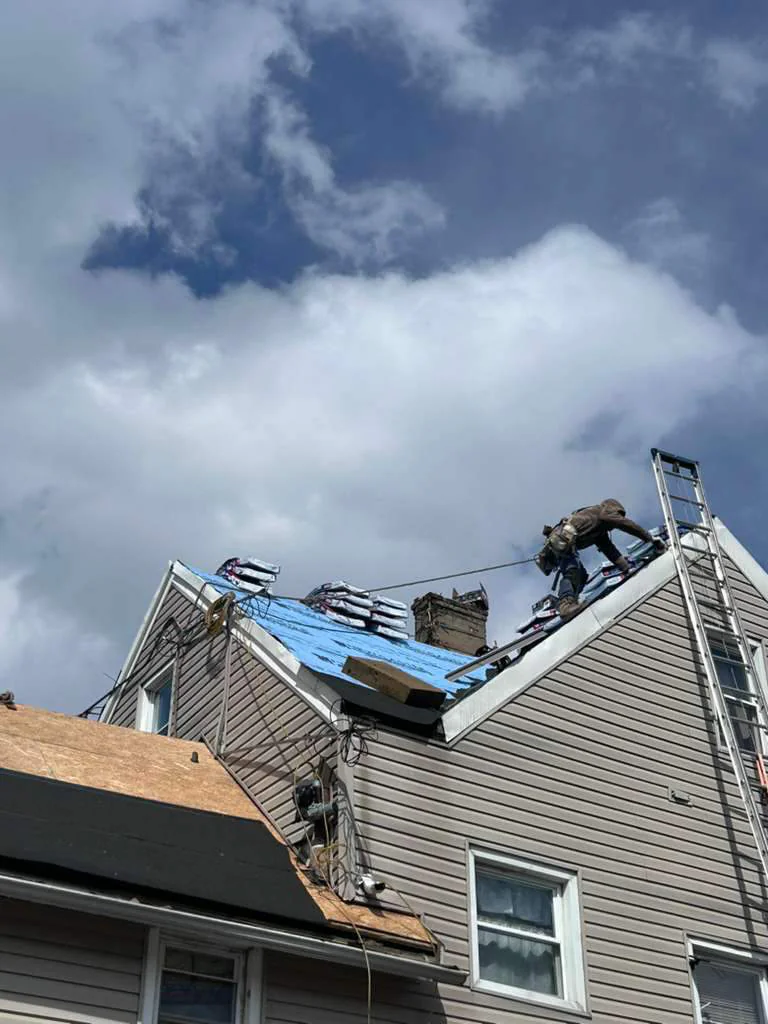
What to Look for During Your Visual Inspection
Shingles tell you most of what you need to know about your roof’s condition. Look for any that are cracked, curling at the edges, or missing entirely. These are entry points for water, and once moisture gets under your roofing material, it spreads fast.
Pay attention to the areas around chimneys, vents, and skylights. The flashing—those metal strips that seal the gaps—tends to fail before the shingles do. If you see rust, gaps, or places where the seal looks compromised, that’s where leaks start during heavy rain.
Don’t ignore granule loss either. If your gutters are full of what looks like coarse sand, that’s the protective layer wearing off your shingles. It happens with age, but it also means your roof is more vulnerable to hail and UV damage. A few granules are normal. Piles of them are a problem.
Tree limbs hanging over your roof create two issues. First, they drop debris that clogs gutters and holds moisture against your shingles. Second, high winds turn branches into battering rams. If a limb is close enough to scrape your roof on a windy day, it’s close enough to punch through during a real storm. Trim them back now, or plan on dealing with the damage later.
Your attic tells a different story than your roof’s exterior. Head up there with a flashlight and look for daylight coming through the boards, water stains on the rafters, or any soft spots in the decking. These are signs that your roof has already been compromised, and the next storm will make it worse.
Emergency Roof Inspection After Storm Warnings
Once a severe weather alert hits your phone, you’ve got a narrow window to do a final check. This isn’t the time for a full inspection—it’s a quick sweep to identify anything that could fail in the next few hours.
Walk the perimeter of your house and look for loose items that could become projectiles. Patio furniture, grills, trash cans, kids’ toys—anything that isn’t tied down or stored is a potential hazard. High winds don’t just damage your property. They turn everyday objects into missiles that can punch holes in siding, break windows, or tear through shingles.
Check your gutters one more time. If they’re clogged and a heavy rain hits, water will back up onto your roof and find every weak spot in your shingles. Five minutes with a ladder and a pair of gloves can prevent hours of water damage cleanup later.
If you’ve been putting off a repair—maybe a few loose shingles or a small leak you’ve been monitoring—now’s the time to at least cover it temporarily. A tarp secured with roofing nails or heavy-duty tape won’t fix the problem, but it can keep water out until you can get a proper repair done.
Document everything with your phone. Take photos of your roof, gutters, siding, and any areas you’re concerned about. If storm damage does occur, you’ll need proof of your roof’s condition before the weather hit. Insurance companies want to see that you maintained your property, and photos from right before a storm are solid evidence.
Don’t climb on your roof if weather is already moving in. Wet shingles are slippery, and gusty winds make it dangerous even for professionals. If you spot a problem and can’t safely address it from the ground, your best move is calling someone who can—preferably before every other homeowner in Union County has the same idea.
Want live answers?
Connect with a USA Home Remodeling LLC expert for fast, friendly support.
Storm Damage Prevention Supplies Every Homeowner Needs
Having the right supplies on hand before a storm hits can mean the difference between a quick temporary fix and days of water damage. You don’t need a full contractor’s toolkit, but a few essentials can help you respond fast when minutes matter.
Tarps are your first line of defense for emergency roof coverage. Buy heavy-duty ones—at least 6-mil thickness—in a couple of different sizes before storm season starts. Once a storm damages roofs across your area, every hardware store within 20 miles will be sold out.
Keep a supply of roofing nails, a hammer, and some 2×4 boards for securing tarps. Duct tape won’t hold in wind and rain. You need something that can anchor a tarp tight enough to keep water out until a professional can make permanent repairs.
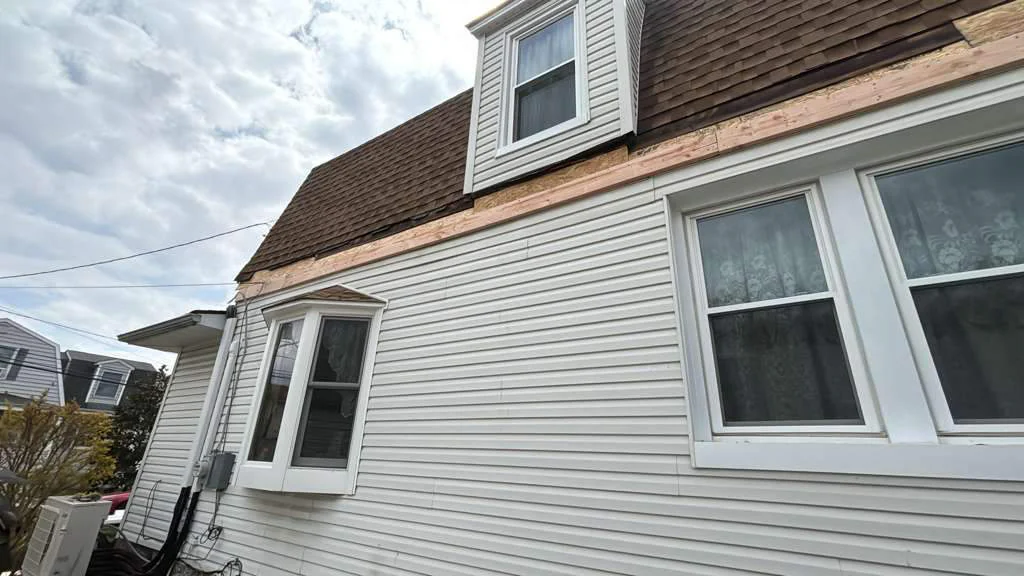
Essential Tools for Temporary Storm Damage Repairs
A basic emergency kit should include a sturdy ladder that reaches your roofline safely, work gloves, a flashlight with extra batteries, and a cordless drill if you have one. These let you assess damage and make temporary fixes without waiting for help to arrive.
Roofing cement or sealant can plug small leaks in a pinch. It’s not a permanent solution, but it can stop water from pouring into your attic while you wait for a contractor. Keep a tube or two in your garage along with a caulking gun.
Plywood sheets are useful for covering broken windows or larger roof damage. If a branch punches through your roof or a window shatters, a piece of plywood secured over the opening keeps rain and debris out. Pre-cut a few pieces to standard window sizes so they’re ready to go.
Five-gallon buckets might seem basic, but they’re critical for catching water from active leaks. If water is dripping into your home, you need something to contain it fast. Buckets also work for clearing debris from gutters during a break in the weather.
A wet/dry vacuum helps clean up water that’s already inside. The faster you remove standing water from floors, walls, or ceilings, the less chance you have of mold developing. If a storm causes a leak, time matters—a lot.
When to Call Professional Storm Damage Prevention Services
There’s a clear line between what you can handle and what needs a licensed contractor. If you’re noticing widespread shingle damage, sagging sections of your roofline, or multiple areas where water is getting in, that’s beyond a DIY fix. These are structural issues that require professional assessment and repair.
Annual inspections catch problems before they become emergencies. A contractor can spot things you’ll miss—subtle signs of wear, hidden moisture damage, flashing that’s starting to fail but hasn’t leaked yet. Scheduling an inspection in fall, before winter storms and spring nor’easters hit, gives you time to address issues on your schedule instead of during a crisis.
If your roof is over 15 years old, a pre-storm inspection isn’t optional—it’s essential. Older roofs have less margin for error. Shingles lose flexibility, sealant breaks down, and small problems escalate faster. A professional can tell you whether your roof will make it through another storm season or if you’re gambling with a system that’s past its prime.
After any major storm, even if you don’t see obvious damage, a professional inspection is worth the cost. Hail damage doesn’t always show up immediately. Wind can loosen shingles without tearing them off. A trained eye can identify compromised areas that will fail during the next weather event if left unaddressed.
Don’t wait until you see water stains on your ceiling to call someone. By that point, moisture has already been working its way through your roof system for days or weeks. The damage you can see inside is always worse than it looks because most of it is hidden in your attic, insulation, and wall cavities.
Insurance claims go smoother when you have professional documentation. If storm damage occurs, a contractor’s inspection report with photos and detailed notes strengthens your claim significantly. Adjusters trust professional assessments more than homeowner descriptions, and that documentation can be the difference between approval and denial.
Protect Your Union County Home Before the Next Storm
Storm damage prevention isn’t about predicting the weather—it’s about making sure your roof can handle whatever comes. A solid inspection routine, the right emergency supplies, and knowing when to call in professional help keep small issues from becoming expensive disasters.
Your roof works hard year-round in Union County. Nor’easters, summer storms, freeze-thaw cycles—it all adds up. The homeowners who avoid emergency repairs are the ones who stay ahead of maintenance and address problems while they’re still manageable.
If it’s been a while since your last roof inspection, or if you’ve noticed anything that concerns you, now’s the time to get answers. We offer free inspections with no obligation, and with over 10 years serving Union County homeowners, we know exactly what local roofs are up against. Reach out before the next storm warning, not after.