
24-Hour Emergency Roof Repair Help Available
Summary:
That drip from your ceiling isn’t slowing down. It’s 11 PM on a Saturday, rain is coming down hard, and you’re watching water spread across your bedroom floor. You need someone who answers the phone, shows up fast, and knows exactly what to do—not a voicemail telling you to call back Monday.
Emergency roof situations don’t care about your schedule, and the damage doesn’t pause while you wait. Water moves fast. Mold starts growing within 24 to 48 hours in New Jersey’s humid climate. What looks like a small problem right now can turn into structural damage, electrical hazards, and a five-figure repair bill if you don’t act.
Here’s what you need to know about handling a roofing emergency, what actually qualifies as urgent, and how to stop a bad situation from getting worse.
When Does a Roof Leak Become an Emergency
Not every leak requires a middle-of-the-night phone call, but some absolutely do. The difference comes down to whether water is actively damaging your home or creating immediate safety risks.
If you can see the sky through your roof, water is pouring into living spaces, or the leak is near electrical fixtures, that’s an emergency. Same goes for situations where your family can’t go about normal routines because of active water intrusion. A small drip in the attic that you can catch with a bucket might hold until morning, but water saturating drywall, spreading to multiple rooms, or pooling near wiring needs immediate attention.
Union County homeowners know how fast our weather changes. A thunderstorm can drop two inches of rain in an hour. What starts as a few drops during a storm can become a ceiling collapse by morning if the roof structure is compromised.

Roof Leakage Solution for Active Water Intrusion
When water is actively entering your home, your first job is damage control until professional help arrives. Move electronics, furniture, and valuables away from the affected area immediately. Water and electricity don’t mix, so if the leak is anywhere near outlets, light fixtures, or your electrical panel, shut off power to that area at the breaker box.
Place buckets, pots, or any containers under active drips to catch water and prevent it from spreading across floors. If you notice a bulging section of ceiling, that’s water pooling above the drywall. Carefully puncture the lowest point of the bulge with a small nail or screwdriver over a bucket—this creates a controlled release instead of a sudden collapse that dumps gallons of water at once.
Inside your attic, if you can safely access it, try to trace where water is entering. Look for wet insulation, dark streaks on rafters, or active dripping. Water doesn’t always come straight down—it can travel along roof decking for several feet before finding a way through, so the entry point on your roof might be far from where you see the drip inside.
Document everything with photos and videos before you start cleanup. Your insurance company will want to see the extent of damage, and having clear documentation from the start makes the claims process significantly easier. Take pictures of water stains, damaged belongings, the source of the leak if visible, and any temporary measures you take.
Never climb onto your roof during a storm or when it’s wet. Even light rain makes shingles dangerously slippery, and falls from residential roofs are a leading cause of homeowner injuries. If you can safely cover the damaged area from inside your attic with a tarp or plastic sheeting, that can help, but exterior roof work should wait for professionals with proper safety equipment.
The most important step is contacting a licensed roofing contractor who offers true 24-hour emergency service. Some companies say they’re available but really just have an answering service that takes messages. You need someone who picks up the phone and can get a crew to your Union County home that same day or night to assess the damage and implement emergency stabilization.
What Causes Sudden Roof Emergencies in Union County
Understanding what typically causes emergency roof situations helps you recognize warning signs before they become crises. In Union County, storm damage tops the list. High winds from thunderstorms or nor’easters can lift and tear shingles, leaving underlayment exposed. Once that protective layer is compromised, even moderate rain finds its way inside.
Fallen trees or large branches are another common culprit, especially after summer storms or winter ice accumulation. A branch doesn’t have to punch completely through your roof to cause emergency-level damage. Even a heavy limb resting on your roof can crack shingles, damage flashing, or create punctures that let water pour in during the next rainfall.
Ice dams form along roof edges during winter when heat from your attic melts snow, which then refreezes at the colder eaves. This ice buildup forces water back up under shingles where it’s never meant to go. Homeowners often discover ice dam damage when they notice water stains spreading across ceilings during a winter thaw.
Flashing failures around chimneys, skylights, and roof vents cause many emergency calls. Flashing is the thin metal material that seals transitions and penetrations in your roof. When it cracks, corrodes, or pulls away from surfaces, water finds an easy entry point. This is particularly common in older homes where original flashing has been in place for decades.
Sometimes emergency situations develop from problems that have been building quietly for months. A few missing shingles from last month’s windstorm, a small crack in flashing that seemed minor, or slightly lifted shingles that you meant to address eventually—these issues become emergencies when the next heavy rain arrives. Water is relentless. Given time and access, it will damage wooden roof structure, spread to wall framing, create mold conditions, and compromise insulation.
Age plays a role too. If your roof is 20 to 25 years old and has never been replaced, it’s one major storm away from significant failure. Asphalt shingles lose granules over time, become brittle, and develop cracks. When they’re near the end of their lifespan, even moderate weather events can cause emergency-level damage.
The key is recognizing that most roofing emergencies don’t happen out of nowhere. There are usually warning signs—missing shingles you noticed last week, a small leak during heavy rain that seemed to stop, or visible damage you’ve been meaning to have checked. The emergency happens when those existing vulnerabilities meet severe weather or sudden impact.
Want live answers?
Connect with a USA Home Remodeling LLC expert for fast, friendly support.
Professional Emergency Roof Patch and Repair Process
When we respond to your emergency call, our first priority is stopping water intrusion and stabilizing your roof to prevent further damage. This isn’t about permanent fixes yet—it’s about immediate protection so you can sleep without buckets in your bedroom and plan proper repairs without watching damage escalate by the hour.
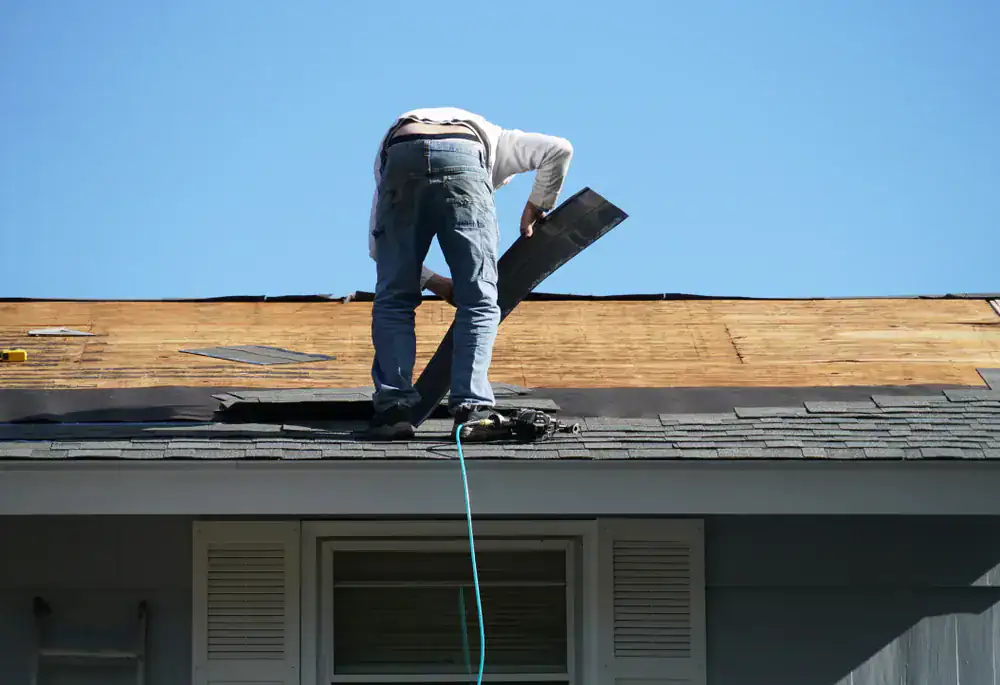
Emergency tarping is often the first step for significant damage. A properly installed tarp isn’t just thrown over the problem and weighted down with bricks. Professional installation extends the tarp at least four feet past all edges of the damaged area, anchors it with boards nailed to roof decking, and ensures it’s secured well enough to withstand wind without becoming a sail that causes additional damage.
For smaller breaches, emergency roof patch techniques use commercial-grade materials that provide reliable temporary protection. This might include roofing cement applied with proper technique, professional-grade sealants designed for your specific roof type, or reinforced patches that can hold for weeks or months while you arrange permanent repairs.
Why Emergency Response Time Matters for Your Home
Every hour that water enters your home multiplies the damage and the eventual repair cost. What starts as roofing damage quickly becomes an interior damage problem affecting multiple systems in your house.
Water saturates drywall within hours, causing it to swell, weaken, and eventually collapse. Insulation absorbs moisture like a sponge, losing all R-value and becoming a breeding ground for mold. If water reaches electrical wiring or components, you’re looking at fire hazards and the need for electrical system repairs on top of everything else.
Mold is a serious concern in New Jersey’s humid climate. While national guidelines say mold begins growing in 48 to 72 hours, coastal and humid areas like Union County see mold development in 24 to 48 hours. Once mold establishes itself in wall cavities, attic spaces, or HVAC ductwork, remediation becomes expensive and invasive, often requiring removal of building materials and professional mold treatment.
Structural damage escalates quickly too. Water doesn’t just sit on surfaces—it penetrates wood, causing rot in rafters, decking, and trusses that hold up your entire roof structure. It spreads to wall framing and can compromise the integrity of your home’s skeleton. What could have been a $500 emergency tarping service and a $2,000 roof repair becomes a $15,000 to $30,000 project involving structural carpentry, drywall replacement, electrical work, and mold remediation.
There’s also the hidden damage that insurance adjusters care about. The longer water intrusion continues, the more likely your insurance company will view subsequent damage as resulting from lack of mitigation rather than the original covered event. Most homeowner policies require you to take reasonable steps to prevent further damage once you’re aware of a problem. Waiting days or weeks to address an active leak can complicate or even void your claim for interior damage that develops during that delay.
Fast professional response does more than stop water—it documents the situation properly from the start. We know what insurance companies need to see, how to photograph damage in ways that support your claim, and what details to note in written assessments. This documentation becomes crucial when you’re filing claims and need to prove the extent of damage and the necessity of emergency measures.
What Professional Emergency Roof Repair Includes
When you contact us for emergency roofing service, you should expect a thorough response that goes beyond slapping a tarp on your roof and leaving. Professional emergency roof repair starts with a complete damage assessment, not just addressing the obvious leak you can see from inside.
We inspect the entire affected area of your roof, looking for all points of water entry, checking the condition of decking underneath damaged shingles, examining flashing around penetrations, and assessing whether damage extends beyond the immediately visible area. Water has usually been entering longer than you realize, and there may be multiple compromised spots even if you’re only seeing one drip inside.
Emergency stabilization comes next—tarping, temporary patching, or securing damaged areas to prevent further water intrusion. This work is done with an understanding that it needs to hold through the next storm while you arrange permanent repairs. Proper materials matter here. Commercial-grade tarps, professional roofing cement, reinforced patches, and correct installation techniques make the difference between a temporary fix that actually works and one that fails during the next rainfall.
Interior leak mitigation may be necessary if water has already penetrated your home. This can include setting up dehumidifiers to start drying affected areas, removing saturated insulation that’s beyond saving, or advising you on immediate steps to prevent mold development. We work with water damage restoration specialists and can coordinate that response as part of emergency service.
You’ll receive a detailed assessment and estimate for permanent repairs. Emergency service isn’t just about the immediate fix—it’s about understanding the full scope of what needs to happen next. We explain what caused the failure, what permanent repairs will involve, provide a written estimate, and help you understand timeline and options.
Insurance documentation support is part of our emergency service. We provide detailed photos, written descriptions of damage, notes on what emergency measures were taken and why, and we’re available to speak with your insurance adjuster if needed. This documentation forms the foundation of your claim and can significantly impact whether repairs are covered and how much you receive.
The comprehensive approach matters because roofing doesn’t exist in isolation. Your roof connects to gutters, siding, fascia, soffits, and your home’s entire exterior envelope. With our expertise across these systems, we understand how emergency roof repairs affect other components and can identify related damage that might not be obvious. This prevents situations where you fix the roof but miss damaged gutters or fascia that will cause problems later.
Getting Emergency Roof Help in Union County, NJ
When your roof fails, the decisions you make in the first few hours determine whether you’re dealing with a manageable repair or a disaster that affects your entire home. Fast professional response stops damage from spreading, protects your family and belongings, and gives you a clear path forward instead of escalating panic.
The right emergency roof repair service answers when you call, shows up when they say they will, and treats your home with the same care they’d want for their own. We don’t just patch the obvious problem and leave—we assess the full situation, implement proper stabilization, document everything for your insurance claim, and explain what happens next in plain language.
If you’re facing a roofing emergency in Union County, USA Home Remodeling provides the 24-hour response and comprehensive expertise that emergency situations demand. Ten years of local experience, manufacturer certifications, and a 5.0-star rating mean you’re working with professionals who’ve handled every type of emergency our New Jersey weather can create.