
Roof Insurance Adjuster vs Public Adjuster
Summary:
Your roof just took a hit from a storm. You file a claim. Then someone shows up calling themselves an adjuster.
Here’s what most homeowners don’t realize until it’s too late: that person works for the insurance company, not for you. Their job is to assess damage and determine what the carrier will pay—which isn’t always the same as what it’ll actually cost to fix your roof properly.
So when does it make sense to hire your own representation? And when is working with your insurance company’s roof insurance adjuster enough? Let’s walk through who does what, what it costs, and how to make the call that’s right for your situation.
What Does a Roof Insurance Adjuster Actually Do?
When you file a roof damage claim, your insurance company assigns a roof insurance adjuster to your case. This person’s job is to inspect your property, document the damage, and estimate what it’ll cost to repair or replace your roof based on your policy terms.
They work directly for your insurance carrier. That means their responsibility is to the company paying their salary, not to you as the policyholder. They’re trained to evaluate claims fairly, but they’re also working within the carrier’s guidelines for what gets approved and what doesn’t.
Most adjusters are professionals doing their job honestly. But their perspective is different from yours. You want your roof fixed right. They need to determine what’s covered under your specific policy and calculate costs using industry software that doesn’t always reflect real-world pricing in your area.
Types of Insurance Company Adjusters You Might Meet
Not every roof insurance adjuster works the same way. Some are full-time employees of your carrier. Others are independent contractors brought in when claim volume spikes after major storms.
Staff adjusters are salaried employees of the insurance company. They handle claims directly and typically have ongoing relationships with the carrier. They know the company’s policies inside and out because they work with them every day.
Independent adjusters are contractors hired by insurance companies to handle overflow. After a big storm hits Union County, you might see these adjusters brought in to manage the sudden increase in claims. They’re paid by the insurance company for each claim they process, but they’re not permanent employees.
Both types work for the insurance carrier. Both are evaluating your damage through the lens of what the company will pay, not necessarily what you need. That’s not a judgment on their character—it’s just how the system works.
The key thing to understand is this: when the insurance company’s roof insurance adjuster shows up at your door, they’re gathering information that will be used to determine your payout. Having your own roofing contractor present during that inspection can make a real difference in what gets documented and included in the final estimate.
What Happens During the Roof Repair Insurance Claim Inspection
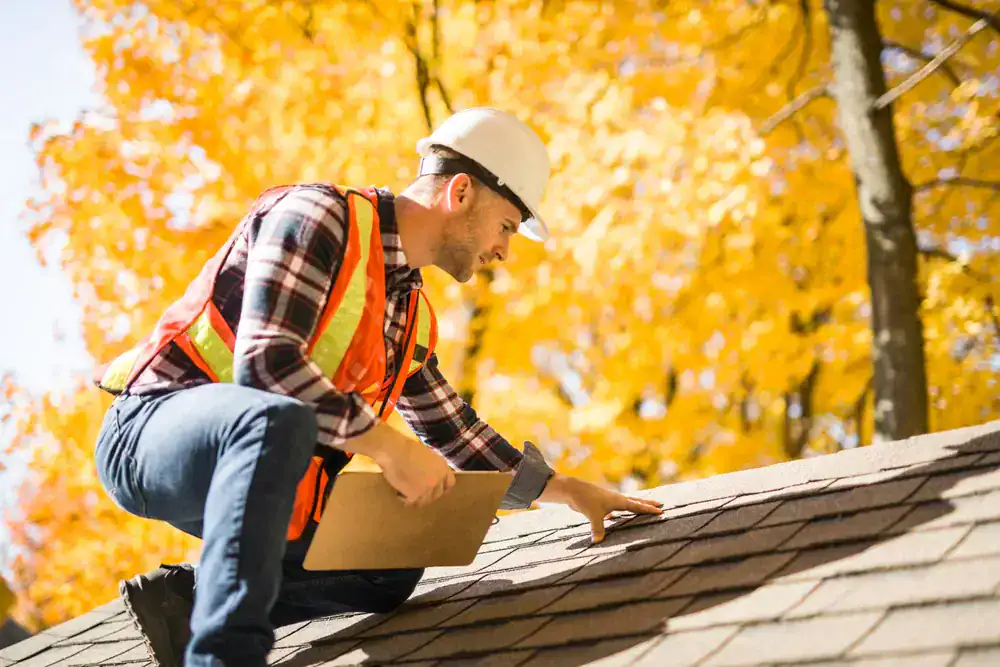
The roof repair insurance claim process starts when the adjuster schedules a visit to inspect your property. They’ll climb up on your roof, take photos, make notes, and look for signs of damage from wind, hail, or other covered events.
They’re checking for missing shingles, creased tabs, damaged flashing, and any other issues that fall under your policy coverage. They’ll also look at the age and overall condition of your roof, because that affects how much depreciation gets applied to your claim.
Here’s what most homeowners miss: adjusters are often working multiple claims in a single day, especially after widespread storm damage. They might spend 20 or 30 minutes on your roof. A thorough inspection by an experienced contractor can take longer and catch details that get overlooked in a quick walkthrough.
That’s why having a roofing contractor present during the adjuster’s visit matters. Not to argue or create conflict, but to make sure nothing gets missed. A contractor who works with insurance claims regularly knows what adjusters look for and can point out damage that might not be obvious from a ground-level view or a brief inspection.
Union County sees its share of nor’easters, heavy snow, and summer storms. After a major weather event, insurance adjusters are stretched thin. The more documentation you have and the more support you bring to that inspection, the better your chances of getting a settlement that actually covers what your roof needs.
Once the inspection wraps up, the adjuster prepares a report and submits it to your insurance company. That report includes their damage assessment and a cost estimate based on industry pricing software. The insurance company reviews it and makes a decision about your claim.
If approved, you’ll receive a payout based on that estimate—minus your deductible. The challenge is that software-generated estimates don’t always match what contractors actually charge in Union County. Labor rates, material costs, and the scope of work needed can all vary from what the adjuster’s report shows.
Want live answers?
Connect with a USA Home Remodeling LLC expert for fast, friendly support.
Public Adjuster Roofing: When Homeowners Hire Their Own Representation
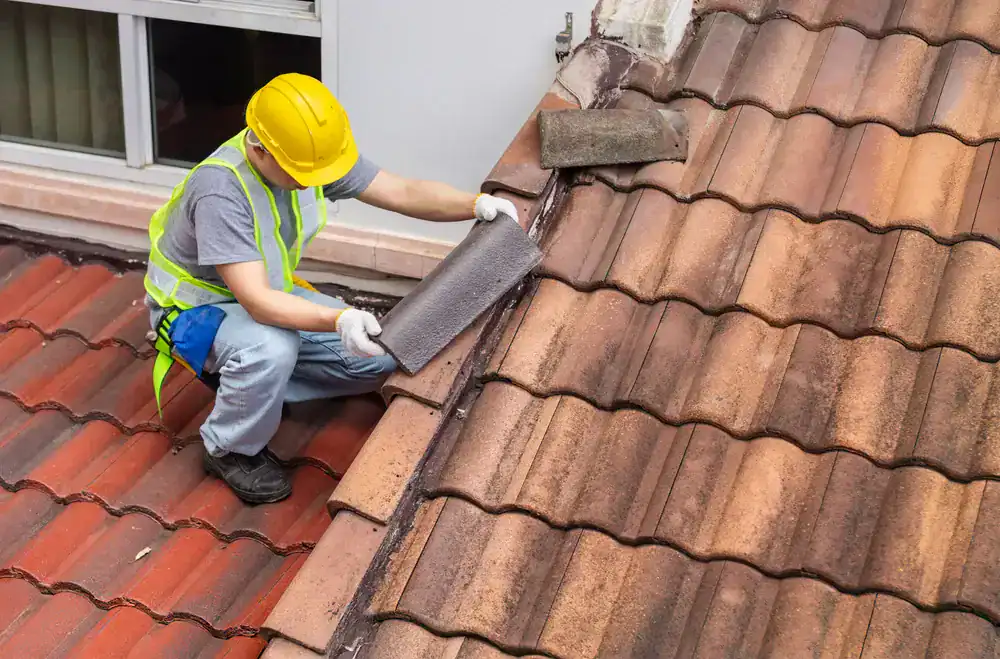
A public adjuster is a licensed professional you hire to represent your interests during the insurance claim process. Unlike the roof insurance adjuster your carrier sends, a public adjuster works for you.
Their job is to inspect your damage, document everything thoroughly, prepare your claim, and negotiate with the insurance company on your behalf. They handle the paperwork, the back-and-forth communication, and the technical details of proving your claim deserves the settlement you’re asking for.
Public adjusters charge a fee for this service, typically around 10% of your total settlement amount. That fee structure means they’re motivated to maximize your payout—the more you receive, the more they earn. For some homeowners dealing with complex claims or significant damage, that investment pays off. For others with straightforward claims, it might not make financial sense.
When a Public Adjuster for Roof Claim Makes Sense
Public adjusters earn their fee in specific situations. If your roof damage is extensive—think full replacement plus damage to gutters, siding, or interior water damage—the complexity of documenting everything and negotiating a fair settlement can justify the cost.
They also make sense when your claim gets denied or the initial offer seems way too low. If the insurance company’s roof insurance adjuster says your damage isn’t covered or offers a settlement that wouldn’t come close to covering repairs, a public adjuster can review your policy, reassess the damage, and build a stronger case for why you deserve more.
Another scenario: you don’t have time to manage the process yourself. Filing a roof repair insurance claim involves documentation, phone calls, meetings, and follow-ups. If you’re juggling work and family responsibilities, having someone handle that entire process can be worth the fee.
Here’s the reality though: public adjusters can’t guarantee a higher payout. If your insurance company already made a fair offer based on actual damage and your policy coverage, hiring a public adjuster won’t magically increase that number. And you’ll still owe their fee even if the settlement doesn’t change.
Some homeowners assume public adjusters are always the answer after storm damage. That’s not true. For many standard roof claims in Union County—especially when you’re working with an experienced local contractor who provides insurance claim assistance as part of their service—you might not need to pay that extra percentage.
The decision comes down to your specific situation. How complex is the damage? How comfortable are you navigating insurance paperwork? Did the initial offer seem fair? Most importantly: do you have a trusted roofing contractor who can advocate for you during the process without charging a separate fee?
The Real Cost of Hiring a Public Adjuster for Roof Claim Work
Let’s talk numbers. Public adjusters typically charge between 10% and 15% of your total claim settlement. In some cases, that percentage can go higher depending on the complexity and your state’s regulations.
Here’s how that plays out: say your roof damage is assessed at $30,000. A public adjuster negotiates a settlement of $35,000 instead of the original offer. At 15%, they take $5,250 of that payout.
You’re left with $29,750—which is actually less than the insurance company’s initial $30,000 offer. That’s a real scenario that happens more often than you’d think.
Now, that’s a simplified example. In many cases, public adjusters do secure significantly higher settlements that more than cover their fee. Studies have shown that policyholders working with public adjusters can receive substantially higher payouts, especially on large or complex claims. But it’s not guaranteed, and the fee is typically owed regardless of whether the settlement increases.
You also need to understand the contract you’re signing. Most public adjusters require you to commit early in the process, sometimes before you even know if your claim will be approved. Once you sign, you’re legally obligated to pay their fee even if the claim turns out to be straightforward.
Some public adjusters work on an hourly basis instead of a percentage, though that’s less common. If you’re considering that route, make sure you understand the total cost and whether there’s a cap on hours. Ask questions upfront. Get everything in writing.
The bottom line: public adjusters provide real value in the right situations. But they’re not free, and the cost needs to be weighed against what you’re likely to gain. For typical storm damage claims where a reputable roofing contractor can provide documentation and support during the insurance company’s inspection, you might get everything you need without paying that extra percentage.
Making the Right Choice for Your Roof Damage Claim
Here’s what matters: understanding who works for whom. The roof insurance adjuster your carrier sends works for the insurance company. A public adjuster you hire works for you. And a good roofing contractor works to fix your roof right while helping you navigate the claims process.
For most Union County homeowners dealing with storm damage, working with an experienced local contractor who provides insurance claim assistance is enough. You get expert documentation, someone present during the adjuster’s inspection, and support through the process without paying a separate percentage fee.
Public adjusters make sense for complex claims, denied claims, or situations where the initial settlement offer is clearly inadequate. They bring expertise in negotiating with insurance companies and can be worth the investment when the stakes are high enough.
If you’re dealing with roof damage and trying to figure out your next step, start with a free inspection from a licensed local contractor. We provide thorough assessments, work directly with insurance companies, and help Union County homeowners get fair settlements without hidden fees or surprise costs. We’ve been doing this for over a decade, and we’ll tell you honestly what your situation needs—even if that means recommending a public adjuster for a particularly complex claim.