
Roof Inspection Cost: Professional vs DIY
Summary:
You’re standing in your driveway looking up at your roof after last week’s storm rolled through Union County, NJ. A few shingles look off. Maybe. Hard to tell from down here. The question hits: should you grab a ladder and check yourself, or call someone who does this for a living?
It’s a fair question when you’re managing a household budget. But here’s what most Union County homeowners don’t realize until it’s too late—what you can’t see from a ladder usually costs you the most. Hidden flashing damage. Trapped moisture. Structural issues that won’t show symptoms for months. We’re breaking down what professional roof inspection actually costs, what DIY inspections miss, and why the “free” option often beats the “cheap” one.
Professional Roof Inspection Cost in Union County, NJ
Professional roof inspection costs in Union County, NJ range from $75 to $500, with most homeowners paying $120 to $320 for a standard assessment. That’s the real number—no hidden fees.
But here’s what changes everything: we offer completely free roof inspections. Zero cost. No obligation. Why give away a service others charge for? Because honest assessment builds trust, and we’d rather tell you your roof has 10 good years left than pressure you into unnecessary work.
When there is a cost, it reflects actual work involved. Larger roofs take more time. Steeper pitches demand extra safety equipment. Homes with multiple levels, chimneys, or complex designs need thorough evaluation. Specialized tools like infrared cameras for moisture detection add value but increase price. For a typical Union County home, though, you’re looking at a modest investment that catches $200 problems before they become $10,000 disasters.
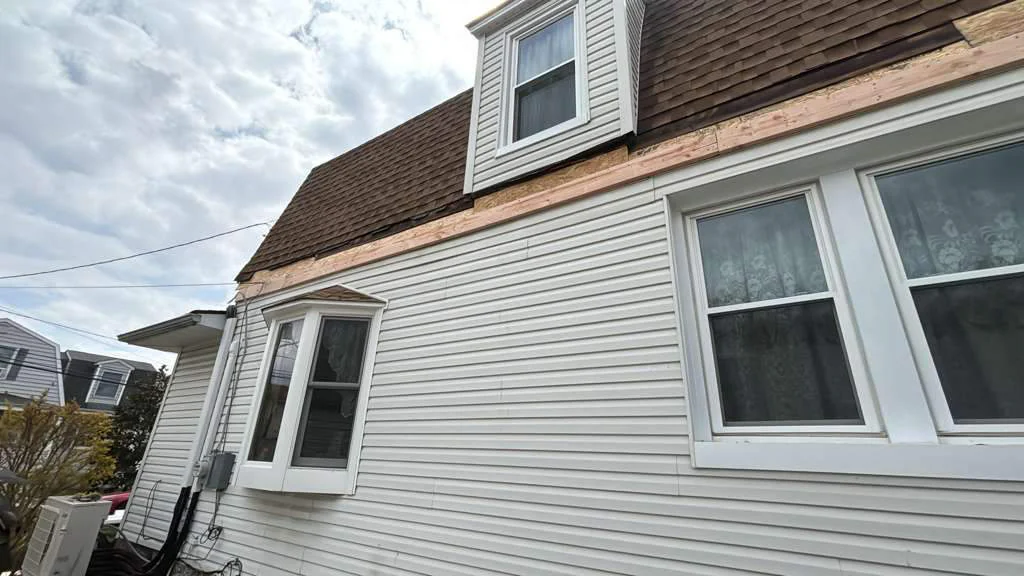
What Professional Roof Inspection Services Actually Include
A real roof inspection is systematic evaluation of your entire roofing system, not a 20-minute walk around your roof. Understanding what’s included helps you see why professional roof inspection services deliver value DIY can’t match.
We start with shingles, checking for cracks, curling, granule loss, and missing pieces. Every inch of flashing around chimneys, vents, skylights, and wall junctions gets scrutinized—these spots are where leaks love to start. Gutters get evaluated for clogs, proper slope, and secure attachment. Bad drainage stresses everything above it. Ventilation assessment ensures your attic breathes correctly; poor airflow creates heat buildup, ice dams in winter, and premature shingle failure.
Then comes interior work most homeowners skip. Attic inspection reveals water stains, mold, daylight peeking through, and insulation problems—signs of damage you’d never spot from the roof surface. We document everything with photos and detailed notes. This becomes critical for insurance claims or proving your roof’s condition to home buyers.
What separates professional from DIY is specialized equipment. Moisture meters detect trapped water under the surface before visible damage appears. Infrared cameras reveal temperature variations pointing to leaks or poor insulation. Drones safely assess steep or high roofs without putting anyone at risk. These tools find problems completely invisible to your eyes—problems that quietly cost thousands if ignored.
You also get liability protection. If we fall or damage your roof during inspection, our insurance covers it. If you fall off your own roof, your homeowner’s policy may refuse medical bills because you engaged in high-risk activity. If you accidentally damage your roof—step on a weak spot, crack a tile—you’re paying to fix your own mistake.
Chimney Inspection Cost and Why It Matters for Your Roof
Union County homes with chimneys need to think beyond roof inspection alone. Chimney inspection is separate but critical, often overlooked until something goes wrong. Level 1 chimney inspection in New Jersey costs $100 to $250, though some roofing companies include basic chimney checks in comprehensive roof evaluations.
Your chimney represents one of the most vulnerable points on your entire roof. Flashing sealing the gap between chimney and roofing material takes brutal punishment from weather, expansion, contraction, and age. When that flashing fails, water pours straight into your home—and it doesn’t always show up as obvious leaks. Sometimes it travels along beams, soaks insulation, and quietly rots structure before you see ceiling stains.
Proper chimney inspection examines the crown (concrete cap at top), flue liner, masonry for cracks or deterioration, and that critical flashing. Inspectors check for creosote buildup if you use your fireplace—that’s a fire hazard. They look for blockages from animal nests or debris. They assess structural stability to ensure the chimney isn’t pulling away from the house.
If you’re scheduling roof inspection, ask whether chimney evaluation is included. We check exterior chimney components as part of our standard process, but full chimney inspection—especially for home purchases or unused fireplaces—requires certified chimney sweep or inspector. The investment is small compared to damage a failing chimney causes: water intrusion, structural settling, fire hazards. These aren’t minor repairs. They’re emergencies costing tens of thousands.
Union County’s freeze-thaw cycles punish chimneys particularly hard. Water seeps into tiny cracks, freezes, expands, and widens those cracks. Over time this causes spalling (brick chunks falling off), deteriorating mortar joints, and compromised flashing. If your chimney is 15+ years old or never been inspected, schedule it now. Prevention costs less than emergency repair.
Want live answers?
Connect with a USA Home Remodeling LLC expert for fast, friendly support.
DIY Roof Inspection Costs More Than You Think
DIY roof inspection seems budget-friendly on the surface. No service call, no invoice, just you and a ladder on Saturday morning. If everything goes perfectly and you catch obvious problems, you might save a few hundred dollars. But that’s not the whole story.
Real cost of DIY inspection isn’t measured in dollars saved—it’s measured in what you miss, what you risk, and what you pay later. Falls from roofs send hundreds of homeowners to emergency rooms annually. Roofing has the fifth-highest work-related fatality rate, and that’s with trained professionals using proper safety equipment. When untrained homeowners climb up without harnesses, stable ladders, or knowledge navigating pitched surfaces, injury risk skyrockets.
Medical costs from falls run $30,000 to $100,000 or more. Add lost work time averaging 11 days for roof-related injuries. Then comes the shock: homeowner’s insurance may deny your claim if you were injured doing high-risk work yourself. Policies often exclude coverage for activities that should be performed by licensed professionals. You’re not just risking broken bones—you’re risking financial devastation.
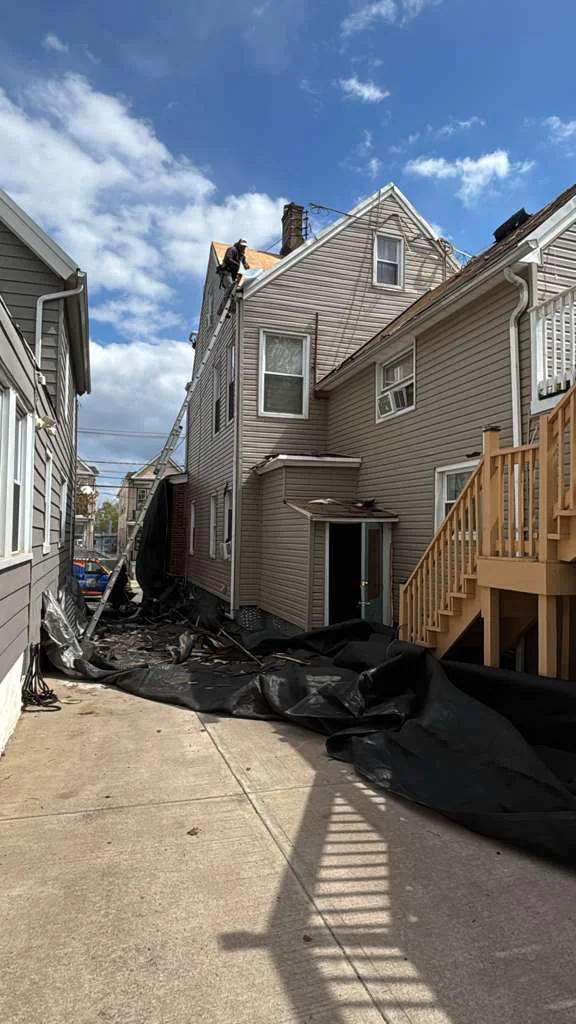
Hidden Damage DIY Roof Inspection Misses Every Time
Even if you safely reach your roof, what are you actually looking for? Most homeowners check for missing shingles and call it done. But roof damage is rarely that obvious. Problems costing serious money hide in plain sight—visible only to someone who knows exactly what “wrong” looks like.
Flashing deterioration is perfect example. You see metal strips around your chimney and think they look fine. We see tiny gaps where sealant dried out, slight lifting at edges, early rust signs that become holes within a year. You see shingles that seem okay. We see granule loss indicating shingles are past protective lifespan, curling edges letting wind get underneath, and subtle color variations signaling water damage beneath the surface.
Then there’s everything you can’t see at all. Underlayment problems, ventilation failures, decking rot, structural sagging—these don’t announce themselves with obvious symptoms until they’ve caused major damage. DIY inspection from roof surface catches maybe 70% of visible problems. That other 30%, plus all hidden issues, is where your money goes.
Moisture is the silent roof killer. It seeps through tiny openings, travels along beams, soaks insulation, and creates mold—all while your roof looks fine outside. By the time you see ceiling stains, you’re not dealing with $200 flashing repair anymore. You’re facing $5,000 to $10,000 in structural work, mold remediation, insulation replacement, and interior repairs. We use moisture meters and infrared cameras catching this early. You’re using eyes and hoping for the best.
There’s also expertise gap in understanding what you’re seeing. Dark streaks on shingles—is that algae growth (cosmetic) or water staining (serious problem)? Are flashing cracks something you can seal with caulk, or do they indicate bigger structural issues? When you see granules in gutters, is that normal aging or sign your shingles are failing? Without training, you’re guessing. Guessing wrong means small problems become expensive emergencies.
Safety Risks Make DIY Roof Inspection a Dangerous Gamble
Let’s address the elephant on the roof—safety. Climbing up to inspect your roof isn’t like changing light bulbs or unclogging drains. It’s inherently dangerous work that kills and injures professionals every year, even with extensive training and equipment. For homeowners without that training, risk multiplies dramatically.
Union County, NJ homes often feature steep pitches, multiple stories, and complex roof designs making navigation tricky. Add weather factors—wet mornings, windy afternoons, icy patches in shaded areas—and you’re dealing with conditions changing minute by minute. Professional roofers use fall arrest systems, proper footwear with grip, stable commercial-grade ladders, and often work in teams so someone can call for help if something goes wrong. Most homeowners have none of that.
Statistics are sobering. Over 200 Illinois homeowners required emergency room treatment annually from DIY roof work, with similar patterns nationwide. Winter months are particularly dangerous due to ice and snow, but summer isn’t safer—heat exhaustion, slippery surfaces from morning dew, and false confidence from “good weather” all contribute to accidents. Single severe fall can result in hip fractures, spinal injuries, traumatic brain damage, or worse.
Beyond physical danger, there’s legal and financial liability. If you damage your roof while inspecting it—and it’s easier than you think to crack tiles, tear shingles, or puncture membrane—you’re responsible for repairs. If you discover damage but misdiagnose the cause and make it worse trying to fix it, same problem. We carry liability insurance specifically for this. You don’t.
Many homeowner policies specifically exclude coverage for injuries sustained during activities that should be performed by licensed contractors. If you fall off your roof and break your leg, your insurer might deny your claim entirely. You’d face medical bills, lost wages, and no recourse. Compare that to hiring professionals whose insurance covers any accidents during their work, and DIY “savings” suddenly look a lot less appealing.
Weather conditions add another layer of risk. You might think, “I’ll just pick a nice day.” But roofs are slippery even when dry, and conditions change fast. Sudden wind gust, unexpected rain shower, or sun angle creating blinding glare—all can turn careful inspection into dangerous situation in seconds. We monitor weather forecasts, postpone work when conditions aren’t safe, and have backup plans. Homeowners often push ahead because they’ve already set aside the time.
Choose Smart Roof Inspection for Your Union County, NJ Home
Here’s what it comes down to: roof inspection isn’t about saving $200 on a service call. It’s about protecting a structure worth hundreds of thousands of dollars that keeps your family safe and dry. Difference between professional inspection and DIY attempt isn’t just quality—it’s safety, accuracy, and peace of mind.
Professional roof inspection services catch hidden damage before it becomes crisis. They provide documentation for insurance claims. They give you clear picture of your roof’s actual condition, not best guess. We offer free roof inspections throughout Union County, NJ, so the cost barrier disappears entirely. You get expert evaluation, detailed reporting, and honest recommendations without spending a dime.
Your roof works hard every day facing everything New Jersey weather throws at it. Make sure it gets proper annual roof inspection from someone who knows what to look for. If it’s been more than a year since your last inspection, or if you’ve never had one, reach out to us. We’ll give you straight answers, show you exactly what’s happening up there, and help you make the right decision for your home and budget.