
Roof Replacement in Matawan, NJ
Matawan Roofs Built for What the Bayshore Actually Throws at Them
Hear from Our Customers
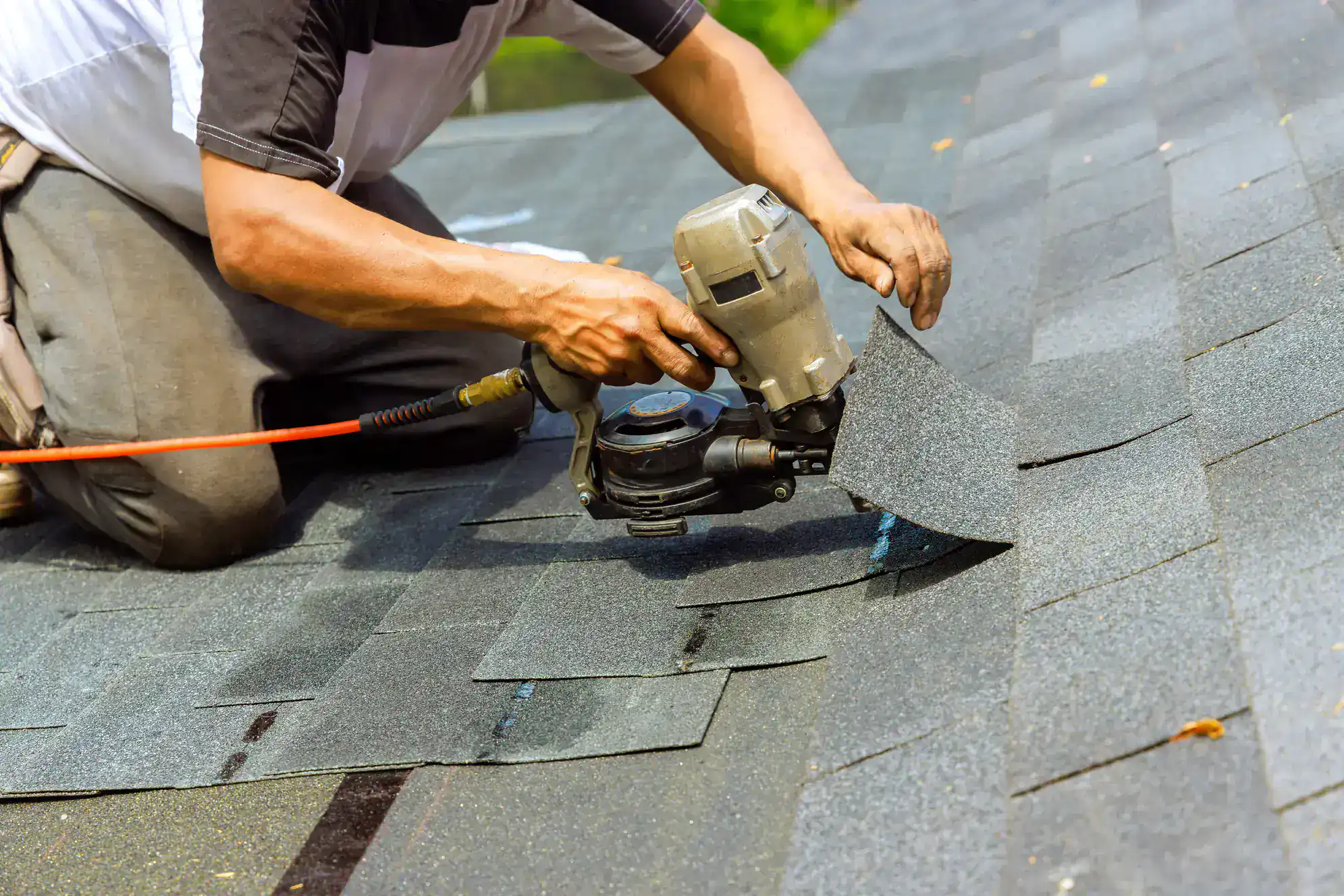
Residential Roof Replacement Matawan, NJ
A roof replacement done properly means you stop guessing every time a storm rolls in off Raritan Bay. No more checking the attic after a nor’easter. No more watching a water stain slowly expand across your ceiling. You know the work was permitted, inspected, and backed by a manufacturer warranty — and that peace of mind is worth more than any discount a storm chaser could offer you.
Matawan’s housing stock is older than most people realize. Many of the single-family homes along Route 79, around Matawan Lake, and in neighborhoods like Lakeridge were built decades ago — and the roofs on those homes were not designed for the climate stress they’ve absorbed since. Coastal humidity accelerates the corrosion of flashing and fasteners. Freeze-thaw cycles crack and lift shingles that look fine from the street. Salt air from the bay does quiet, invisible damage over years. When your roof is replaced correctly, all of that gets addressed from the decking up — not just covered over.
For a home worth close to $600,000, a properly installed roof with a real warranty isn’t an expense. It’s protection for the investment you’ve already made.
GAF Certified Roofer in Matawan, NJ
We’ve been doing roof replacement work in Matawan and across New Jersey for 17 years. That means we were operating before Sandy hit the Raritan Bayshore corridor in 2012, helped homeowners in this area navigate the damage and the insurance process that followed, and are still here today — not a franchise, not a storm chaser, not a crew that showed up after the last big event and will be gone before the warranty matters.
We’re GAF certified and fully licensed as an NJ Home Improvement Contractor. Those aren’t just credentials to hang on a wall. GAF certification means your roof qualifies for manufacturer-backed warranties that most contractors in Monmouth County simply cannot offer. HIC licensing means permits get pulled correctly, work gets inspected, and your investment is protected under New Jersey law.
This is a family-run operation. The communication is direct, the pricing is written and itemized before anything starts, and the job doesn’t end until the cleanup does — including a magnetic sweep of your yard and driveway.
Roof Installation Process Matawan, NJ
It starts with a free roof inspection. Not a sales visit dressed up as an inspection — an actual assessment of your shingle condition, flashing, decking, ventilation, and any storm damage that may need to be documented for an insurance claim. You get a straight answer on whether you need a full replacement, a repair, or nothing at all right now.
If a replacement makes sense, you receive a written, itemized estimate before anything is scheduled. Every line item is explained — materials, labor, permit fees, disposal, and any contingency work like decking repair if we find rot once the tear-off begins. Matawan Borough requires a building permit for full roof replacements, and we pull that permit correctly, every time. Contractors who skip the permit to move faster are putting your insurance coverage and your home’s resale value at risk — that’s not a shortcut worth taking on a $600,000 property.
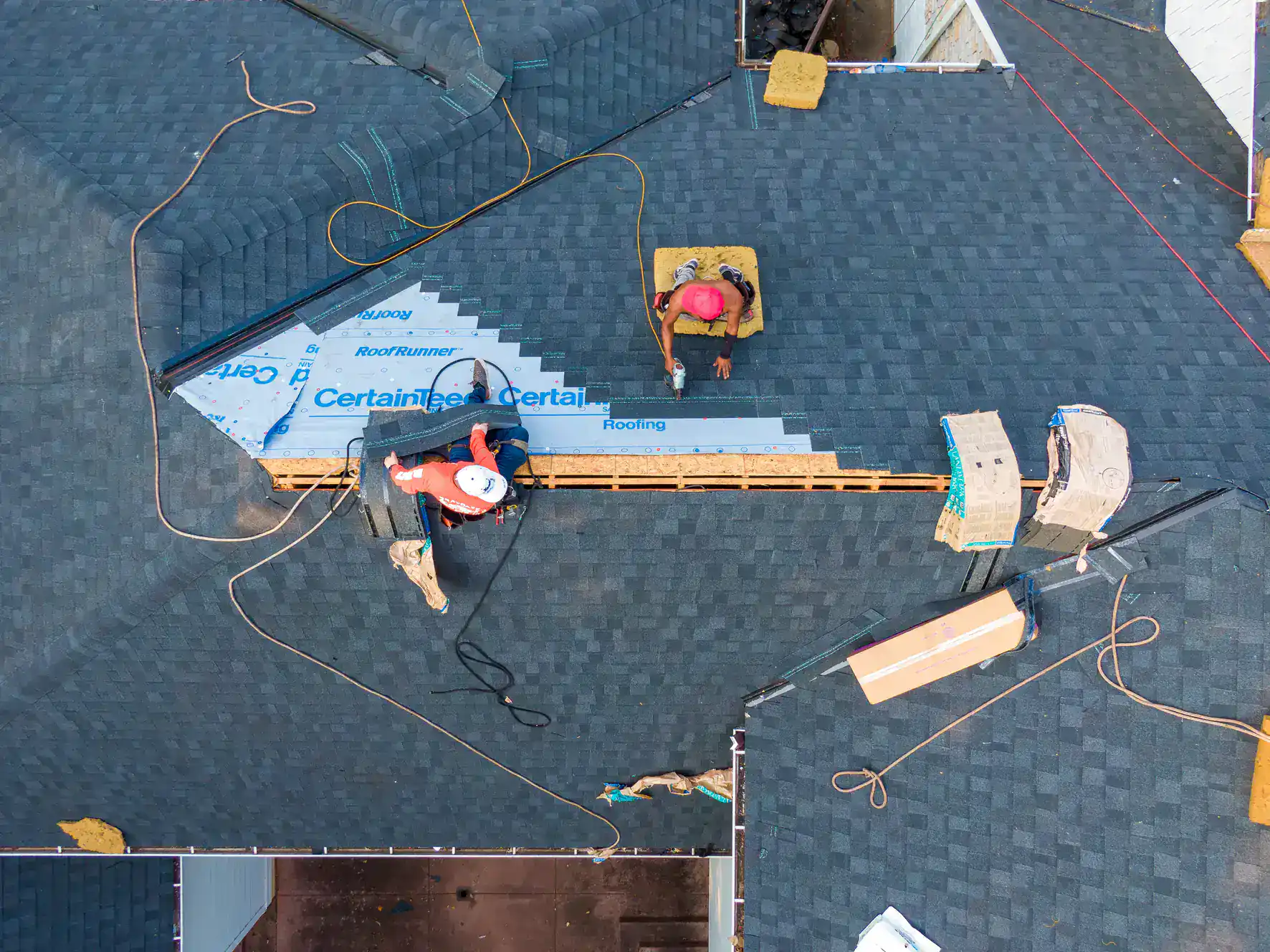
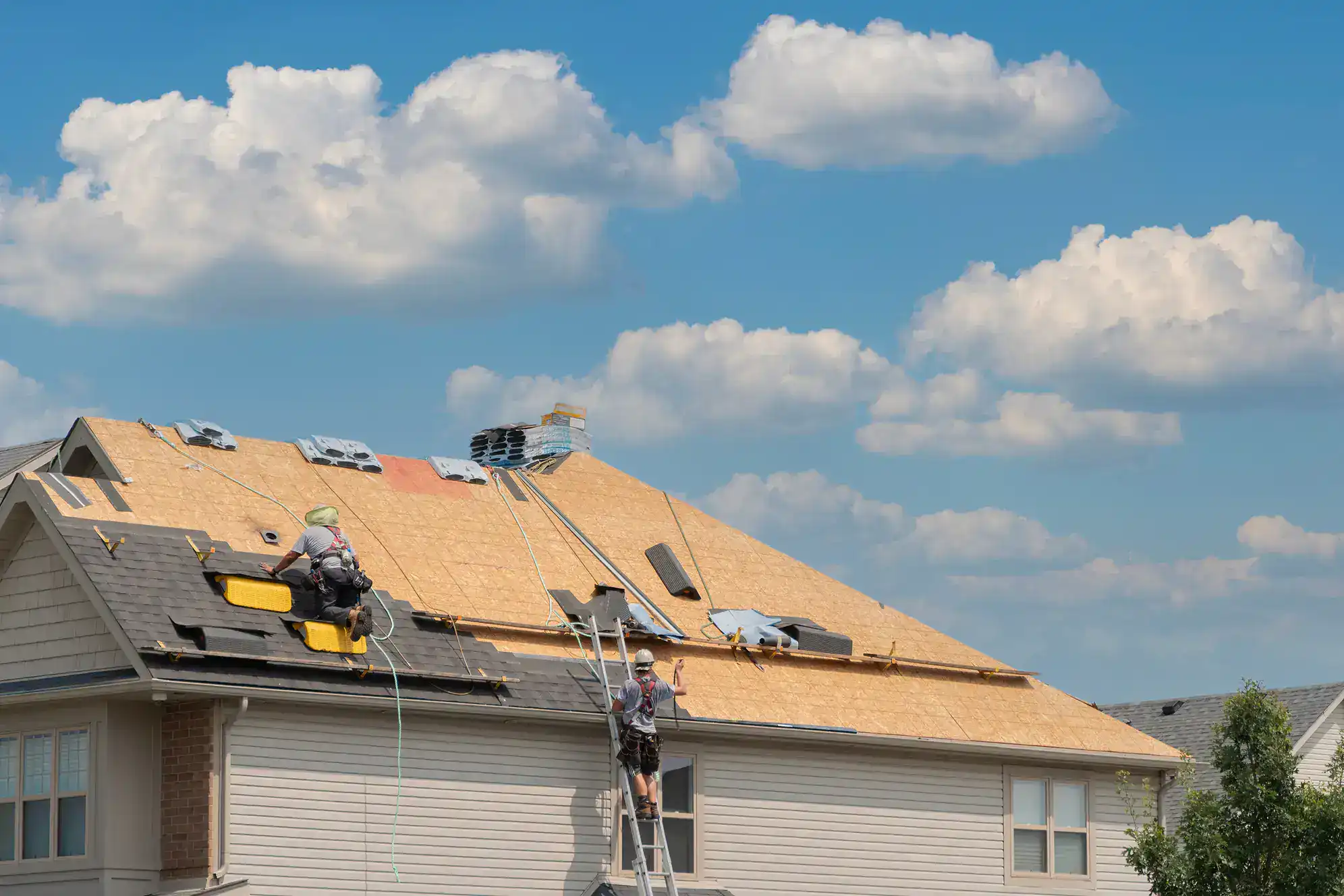
On installation day, the old roof comes off completely. No overlays, no shortcuts. The decking gets inspected and repaired where needed. Ice and water shield goes down at the eaves per NJ code. Then the new system goes on — GAF materials installed to manufacturer spec so your warranty is valid from day one. Most standard residential replacements in Matawan are completed in one to two days. The crew cleans up completely before they leave, and the municipal inspection closes the permit.
Ready to get started?
Storm Damage Roof Replacement Matawan, NJ
We handle both residential and commercial roof replacement in Matawan. On the residential side, that means full tear-off and replacement on single-family homes — architectural asphalt shingles being the most common system in this area, with GAF’s full product line available depending on your home’s needs, your budget, and the warranty level you want. On the commercial side, we install flat roofing systems including TPO and EPDM, which are common on the commercial and multi-family properties along Matawan’s Route 34 and Route 79 corridors.
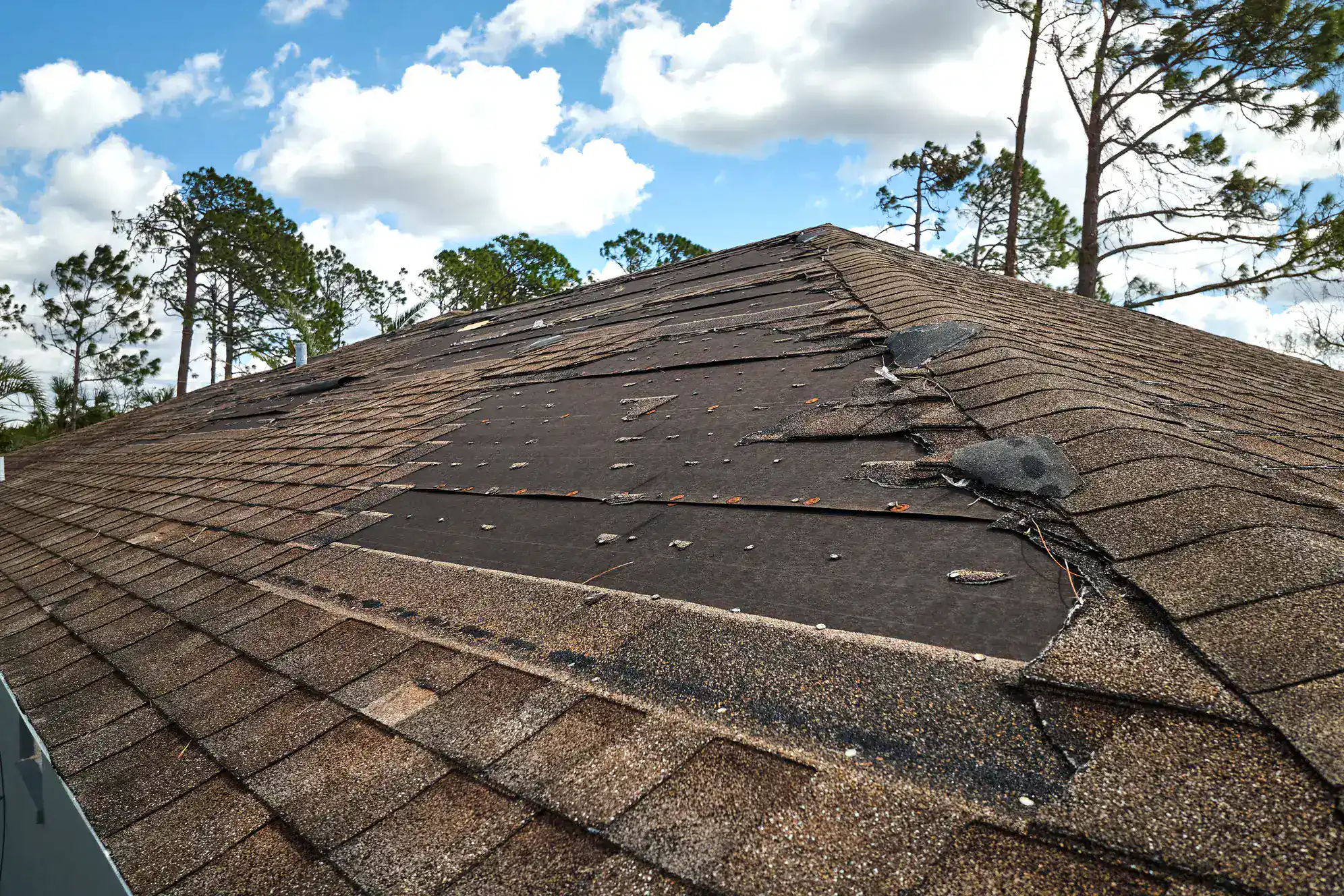
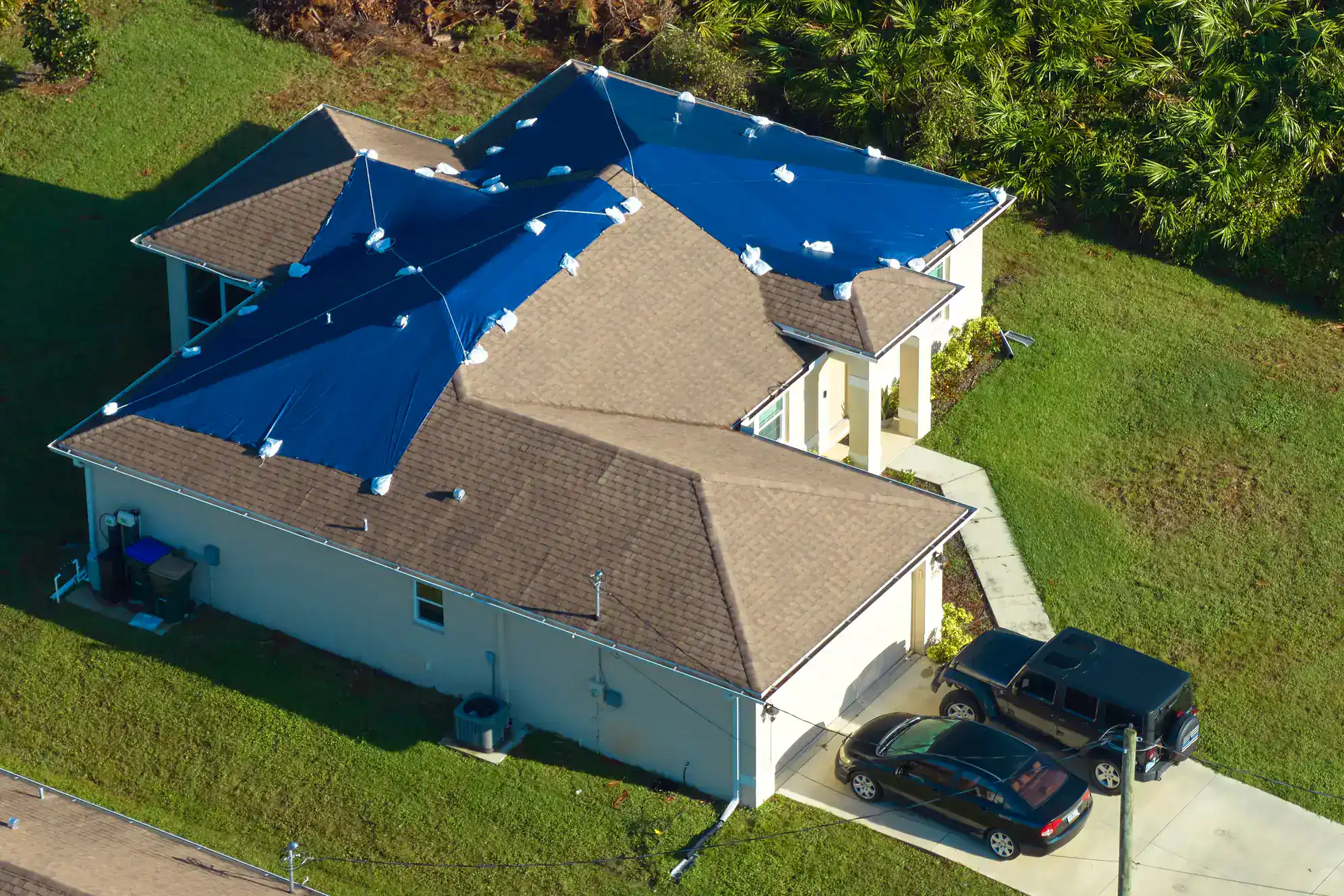
Storm damage roof replacement is a significant part of the work in this area. If your roof was damaged by a nor’easter, hail, or wind event, we document the damage thoroughly and work directly with your insurance adjuster to support a fair claim. Many Matawan homeowners who had roofs replaced after Sandy are now 10 to 13 years into those systems — right in the window where a professional inspection makes sense before the next storm season.
Every replacement includes a full decking inspection, proper ice and water shield installation per NJ Uniform Construction Code, drip edge, and GAF materials installed to certification standards. We offer free estimates and free inspections throughout Matawan and the surrounding Monmouth County area — no obligation, just honest information.
Does roof replacement in Matawan, NJ require a building permit?
Yes — a full roof replacement in Matawan Borough requires a building permit issued through the Matawan Borough Construction Department. The permit application requires your contractor’s NJ Home Improvement Contractor registration number, project scope, and estimated value. After the work is completed, a municipal building inspector must sign off before the permit closes.
This matters more than most homeowners realize. Work done without a permit can void your homeowner’s insurance coverage if you ever need to file a claim, and it can create title issues when you go to sell. In a market where homes in Matawan are valued close to $600,000, that’s a serious risk for the sake of skipping a step. We pull permits on every job — it’s part of the process, not an optional add-on.
How do I know if my roof actually needs full replacement or just a repair?
The honest answer is that you often can’t tell from the ground — and neither can most contractors without getting up there and doing a real inspection. Shingles that look intact from the street can have significant granule loss, cracked tabs, or compromised flashing that’s letting water in slowly. By the time you see a stain on your ceiling, the damage has usually been building for a while.
In Matawan specifically, the combination of coastal humidity, freeze-thaw cycling, and storm exposure means roofs tend to deteriorate from multiple directions at once. A shingle that’s been through ten nor’easters and a decade of salt-air exposure may look fine visually but be well past its effective life. A free inspection from a qualified contractor gives you an honest baseline — what’s actually happening up there, what the realistic lifespan looks like, and whether a repair buys you meaningful time or just delays the inevitable.
What roofing material holds up best in Matawan's coastal climate?
For most Matawan single-family homes, architectural asphalt shingles are the right call — specifically impact-resistant or high-wind-rated options from GAF’s product line. They’re designed to handle the wind speeds and moisture exposure common in the Raritan Bayshore corridor, and when installed correctly by a GAF certified contractor, they qualify for manufacturer warranties that cover both materials and workmanship.
The key factors in Matawan’s climate are wind uplift resistance, granule retention under freeze-thaw cycling, and resistance to moisture infiltration at the flashing points — especially around chimneys and dormers on older homes. Cheaper shingles may meet minimum code but won’t perform the same way over a 20 to 30-year lifespan in a coastal-adjacent environment. The material choice matters, but so does the installation — a premium shingle installed incorrectly performs worse than a standard shingle installed right.
Will my homeowner's insurance cover roof replacement after storm damage in Monmouth County?
It depends on your policy, the cause of the damage, and how well the damage is documented. Most standard homeowner’s insurance policies in New Jersey cover roof damage caused by sudden events — wind, hail, falling debris — but not gradual deterioration from age or deferred maintenance. The line between “storm damage” and “wear and tear” is where a lot of claims get underpaid or denied.
In Monmouth County, where nor’easters and coastal storms are a regular occurrence, insurance companies are familiar with these claims — and so are their adjusters. Having a contractor who can document the damage specifically, identify the storm event that caused it, and communicate clearly with your adjuster makes a real difference in the outcome. We work directly with insurance companies on storm damage claims and can help you understand what your policy actually covers before you commit to anything.
How long does a roof replacement typically take in Matawan?
Most standard single-family residential roof replacements in Matawan are completed in one to two days. The timeline depends on the size and pitch of your roof, the complexity of the job — number of penetrations, chimney flashing, dormers — and whether any decking repair is needed once the tear-off is done. Decking issues aren’t always visible until the old shingles are removed, which is why itemized estimates include a contingency line for this.
For Matawan homeowners who commute via the Aberdeen-Matawan NJ Transit station or work from home, the schedule is communicated clearly before the crew arrives. You’ll know the start date, the expected completion window, and what to expect during the day. The job doesn’t wrap until the cleanup is finished — including a magnetic nail sweep of the yard, driveway, and any walkways around the property.
Why does GAF certification matter when choosing a roofer in Matawan, NJ?
GAF is North America’s largest roofing manufacturer, and their certified contractor program is not something every roofer qualifies for. To earn and maintain certification, a contractor has to carry verified NJ licensing, adequate insurance, and demonstrate installation standards that meet GAF’s requirements. It’s independently verifiable — you can look up any GAF certified contractor on their website before you hire anyone.
What certification unlocks for you as a homeowner is access to GAF’s enhanced system warranties — coverage that protects both the materials and the workmanship, for up to 50 years on qualifying installations. A non-certified contractor can install GAF shingles, but they cannot offer those warranties. In Matawan, where homes are a significant financial investment and the climate puts real stress on roofing systems, having a warranty that actually covers the full system — not just the materials — is the difference between real protection and a piece of paper that doesn’t hold up when you need it.