
Roof Repair in Ridgefield, NJ
When Bergen County Storms Hit, Your Ridgefield Roof Needs More Than a Patch
Hear from Our Customers
Roof Leak Repair in Ridgefield, NJ
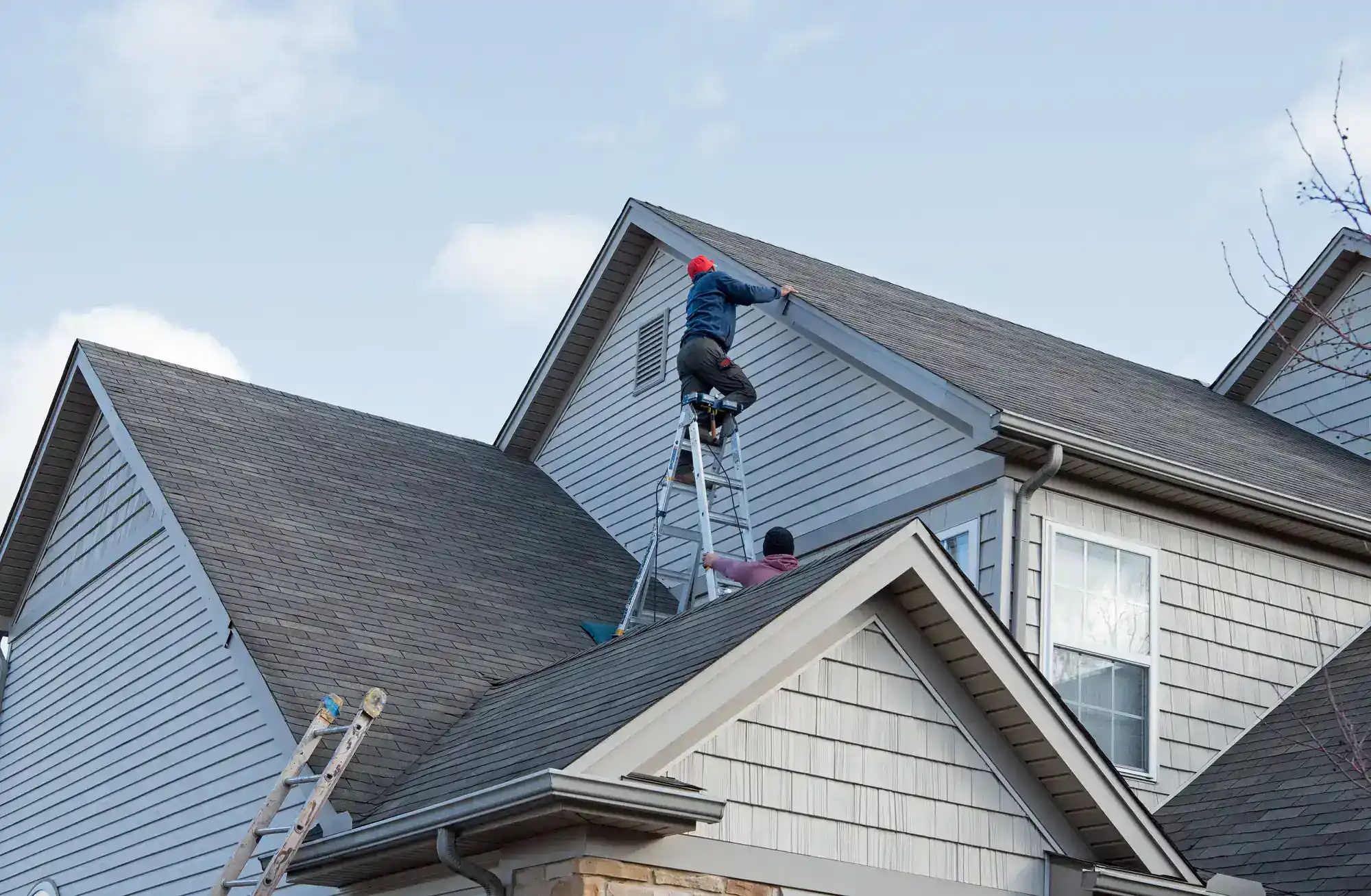
A roof leak doesn’t stay small. What starts as a water stain on the ceiling works its way into the decking, the insulation, and eventually the structure — and by the time it’s visible inside, it’s already been doing damage for a while. Getting it fixed correctly the first time is almost always cheaper than waiting.
In Ridgefield, a significant portion of the housing stock was built between the 1940s and 1960s. That means many homes in this borough are dealing with aging chimneys, original flashing details, and shingle systems that have been patched more than once. Those are the exact conditions where recurring leaks happen — not because of one bad storm, but because the underlying issue was never fully addressed.
When the repair is done right, you stop managing the problem and start forgetting about it. No more buckets. No more ceiling checks every time it rains. No more wondering whether the damage is spreading. That’s what a proper roof repair in Ridgefield actually delivers — and it’s what you should expect from any contractor you let on your roof.
Trusted Roof Repair Contractor in Ridgefield
We’ve been working on Bergen County roofs for over ten years, with deep roots in Ridgefield and the surrounding communities. That’s not a number we throw around lightly — it means we’ve seen what nor’easters do to homes in Ridgefield, what ice dams do to older cape cods near Ridgefield Heights, and what deferred maintenance looks like on homes that were built when Eisenhower was president. We know this area because we’ve been working in it consistently, not just showing up after a storm.
We’re a family-operated company, which means the people who answer your call are the same people accountable for the outcome. We hold the required New Jersey HIC registration, carry full liability and workers’ compensation insurance, and are certified by major shingle manufacturers — so the warranty backing your repair is more than just our word.
Free inspections, written estimates, and no pressure. That’s how we operate every time.

Roof Repair Estimate Process in Ridgefield, NJ
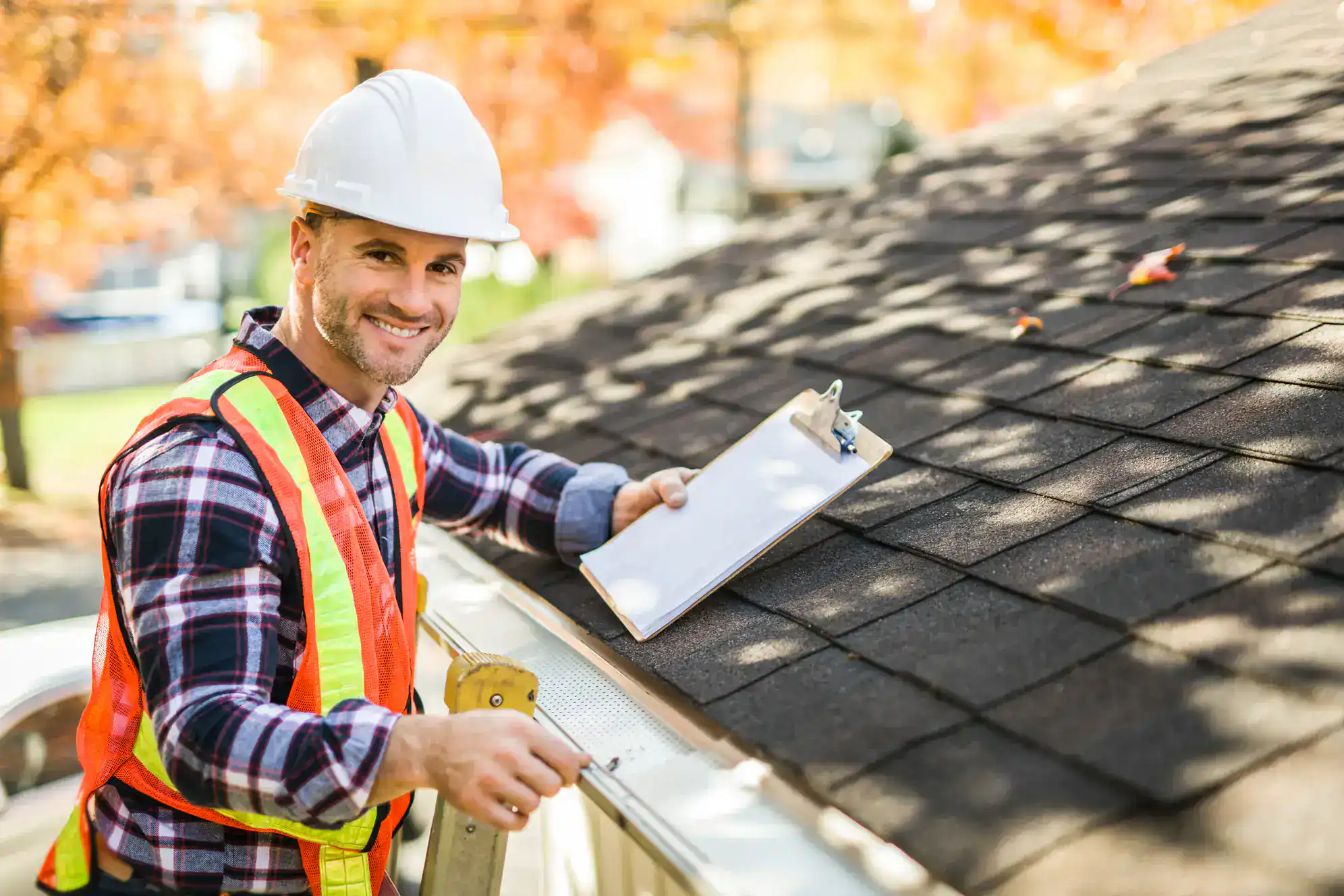
It starts with a free inspection. We come out, get on the roof, and look at what’s actually going on — not just the surface, but the flashing, the valleys, the chimney details, and any areas where water could be entering or pooling. On homes in Ridgefield’s older sections, that often means checking the flashing around aging masonry chimneys, which is one of the most common sources of recurring leaks in this borough.
After the inspection, you get a written estimate that clearly outlines the scope of work and the total cost. No vague line items, no numbers that shift once the job starts. If the scope doesn’t change, the price doesn’t change. We also handle permit requirements through Ridgefield’s Building Department where applicable — roof replacement work requires a permit under New Jersey’s Uniform Construction Code, and we make sure that’s handled correctly so there are no complications down the road.
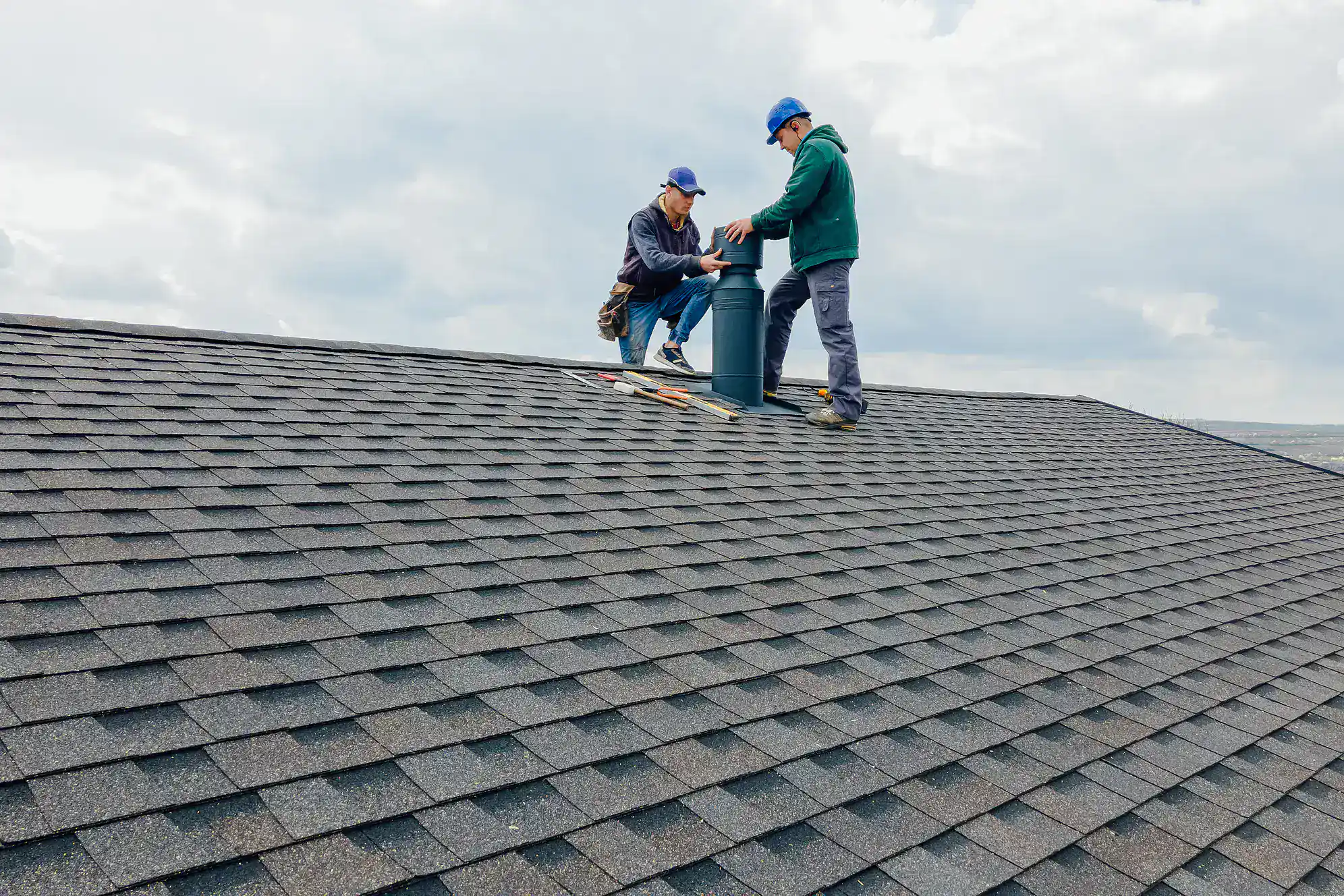
Once the work is approved, our crew gets it done. We use magnetic nail sweeps and thorough cleanup as a standard part of every job — not an afterthought. In a dense borough like Ridgefield where homes sit close together and driveways are tight, leaving a clean site matters. When we’re done, the only thing that should look different is the roof.
Ready to get started?
Shingle and Flat Roof Repair in Ridgefield, NJ
Most homes in Ridgefield have pitched asphalt shingle roofs — and that’s where the bulk of our repair work happens. Missing or lifted shingles from wind events, cracked shingles from freeze-thaw stress, granule loss on aging systems, and failed pipe boot seals are all common in this area. We repair what needs repairing, and we’re honest when a pattern of damage suggests the roof is approaching the end of its useful life and repair is becoming a false economy.
Emergency roof repair in Ridgefield is something we take seriously. Bergen County storms don’t follow a schedule, and an active leak after a nor’easter or a summer squall needs a fast response — not a three-day wait for an available slot. We respond quickly, assess the damage, and get temporary protection in place when needed so water intrusion stops while permanent repairs are scheduled.
We also handle flat roof repair in Ridgefield for the garages, additions, and low-slope sections that are common on mid-century homes throughout the borough. Flat roofs require different materials and techniques than pitched shingle systems, and using the wrong approach is one of the fastest ways to create a recurring problem. Whether it’s TPO, EPDM, or modified bitumen, we work with the system that’s already there and repair it correctly. Storm damage roof repair in Ridgefield also includes proper photo documentation and written damage assessments for homeowners navigating an insurance claim — because dealing with the adjuster shouldn’t fall entirely on you.
Do I need a permit for roof repair or replacement in Ridgefield, NJ?
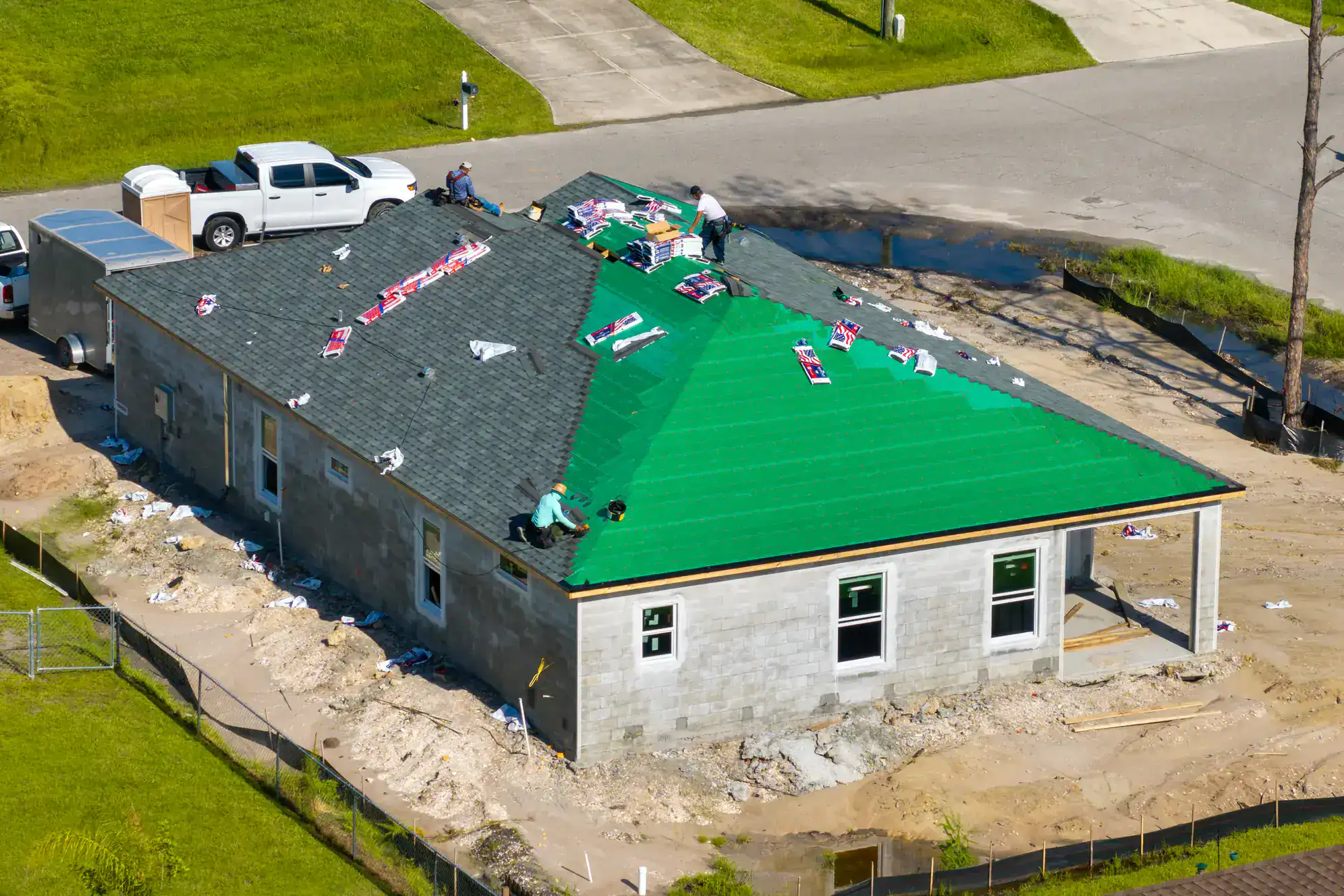
For a full roof replacement in Ridgefield, yes — a building permit is required under New Jersey’s Uniform Construction Code, and it needs to be pulled through Ridgefield Borough’s Building Department. Skipping that step can create real problems when you go to sell the home or file an insurance claim, and it’s not a risk worth taking on a property with the kind of value Ridgefield homes carry.
Minor repairs — replacing a handful of damaged shingles or patching a small section — may not require a permit, but the threshold isn’t always clear-cut, and the interpretation can vary. A legitimate contractor will confirm permit requirements before any work begins rather than leaving that ambiguity unresolved. We handle the permit process as part of the job so you don’t have to navigate the Building Department on your own.
How much does roof repair cost in Ridgefield, NJ?
Roof repair costs in Ridgefield typically range from a few hundred dollars for minor shingle repairs up to $1,500 to $3,000 or more for more involved work like flashing replacement, valley repairs, or addressing damage after a significant storm. The specific number depends on the size of the affected area, the materials involved, and how accessible the damaged section is.
On the older homes that make up a large portion of Ridgefield’s housing stock, the repair scope sometimes expands once we’re on the roof — not because of bait-and-switch pricing, but because aging systems can reveal additional issues once a closer inspection is possible. That’s exactly why we provide a written estimate before any work starts and explain what we found during the inspection. If something changes the scope, you hear about it before we proceed, not after.
What causes roof leaks in older Ridgefield homes, and how are they fixed?
The most common source of recurring roof leaks on Ridgefield’s older homes — particularly those built in the 1940s through 1960s — is failed chimney flashing. The mortar and metal flashing around aging masonry chimneys deteriorates over time, and once that seal breaks down, water finds its way in every time it rains. Homeowners in Ridgefield who have had leaks patched repeatedly without resolution often find that the chimney was the culprit the entire time.
Beyond chimneys, failing pipe boot seals, cracked valley flashing, and lifted or missing shingles from wind events are all frequent contributors. The fix depends on the source — sometimes it’s a targeted flashing repair, sometimes it’s a combination of several smaller issues that have compounded over time. The key is diagnosing the actual entry point, not just patching the most visible symptom. That’s what the inspection is for, and it’s why getting on the roof and looking carefully matters more than a quick visual from the driveway.
Does homeowners insurance cover storm damage roof repair in Ridgefield, NJ?
Most standard homeowners insurance policies in New Jersey cover roof damage caused by sudden and accidental events — wind, hail, falling branches, and storm-related impact. Bergen County’s exposure to nor’easters and summer line squalls means storm damage claims are genuinely common in this area, and insurers are familiar with the pattern.
What policies typically don’t cover is damage attributed to age, wear, or lack of maintenance — which is why the documentation of the damage matters so much. A clear written assessment, dated photos, and a repair scope that specifically addresses storm-caused damage gives the adjuster what they need to process the claim correctly. We provide that documentation as part of our storm damage repair process in Ridgefield so that the gap between what happened and what gets covered is as small as possible. If you’re unsure whether your damage qualifies, the inspection is free and there’s no obligation to proceed.
How do I know if my Ridgefield roof needs repair or full replacement?
The honest answer is that it depends on how much of the roof is compromised and how old the current system is. A targeted repair makes sense when the damage is isolated — a few missing shingles, a failed flashing detail, a single area of wear — and the rest of the roof still has meaningful life left. Repair stops being the right answer when the damage is widespread, when the shingles are losing granules across large sections, or when you’re on your second or third repair of the same area.
Given that nearly half of Ridgefield’s housing stock was built between the 1940s and 1960s, many homes in this borough are dealing with roofs that have been repaired multiple times over the decades. If the current shingle system is 20 years old or older, the inspection conversation often includes an honest assessment of where it stands on the repair-versus-replace spectrum. We’ll tell you what we actually see — not what generates the bigger invoice.
How do I find a licensed, trustworthy roofer in Ridgefield instead of a storm chaser?
After any significant storm moves through Bergen County, out-of-town contractors show up fast — canvassing neighborhoods along the Route 46 and Route 1/9 corridors, collecting deposits, and in too many cases, delivering poor work or disappearing entirely. It’s a well-documented pattern in this part of New Jersey, and Ridgefield’s location near major transit routes makes it accessible to exactly these operators.
The most reliable way to vet a roofer is to verify their New Jersey Home Improvement Contractor registration through the Division of Consumer Affairs — it’s publicly searchable and takes about two minutes. Ask for proof of general liability insurance and workers’ compensation coverage before anyone gets on your roof. Look for a contractor with a verifiable local presence and real reviews that mention specific outcomes, not just star ratings. A company that has been operating in Bergen County for a decade, carries the required licensing, and provides written estimates has something to lose by doing bad work — and that accountability is the clearest signal you can find.