
Roof Repair in Cliffside Park, NJ
Cliff-Top Exposure Demands More Than a Standard Fix
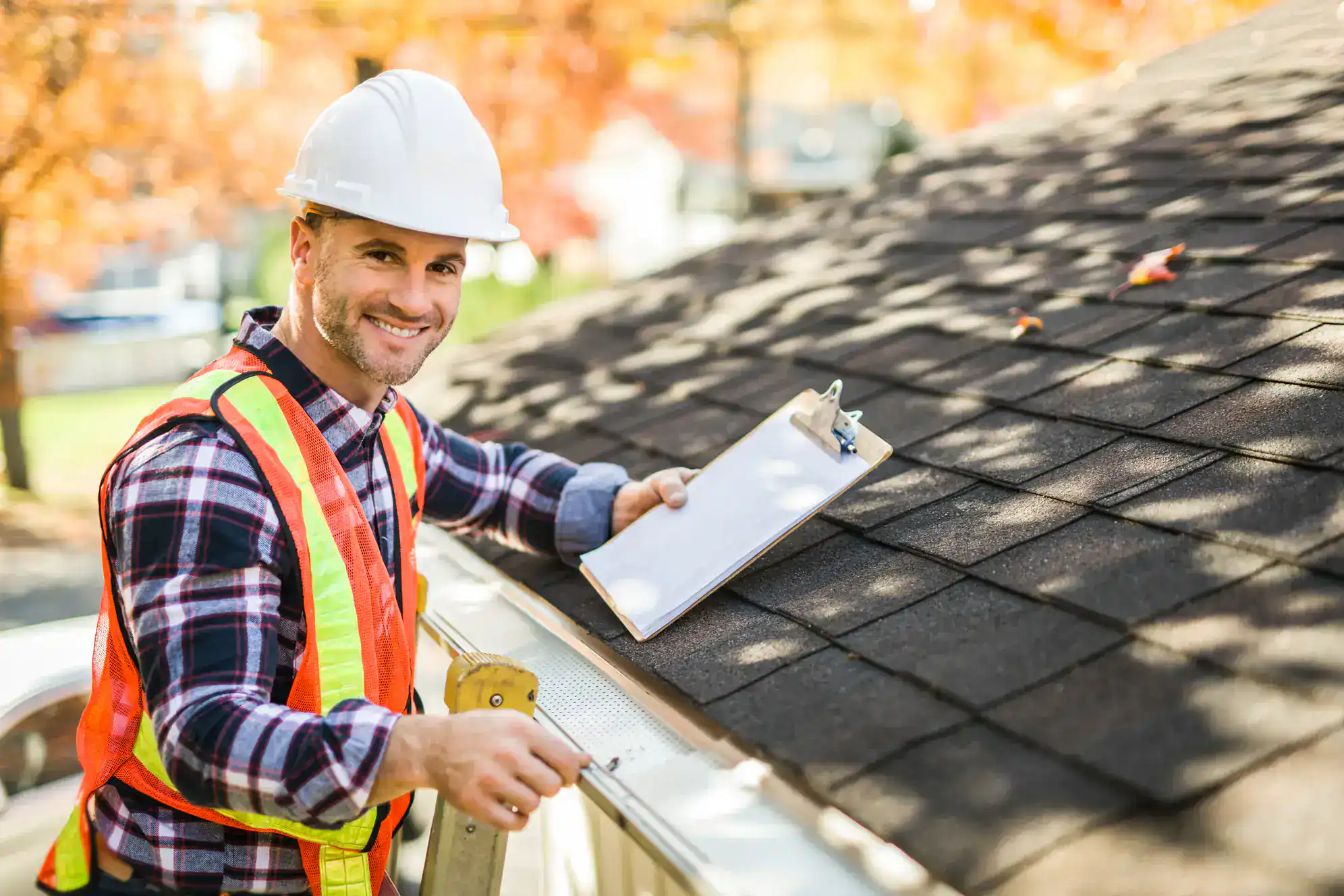
Hear from Our Customers
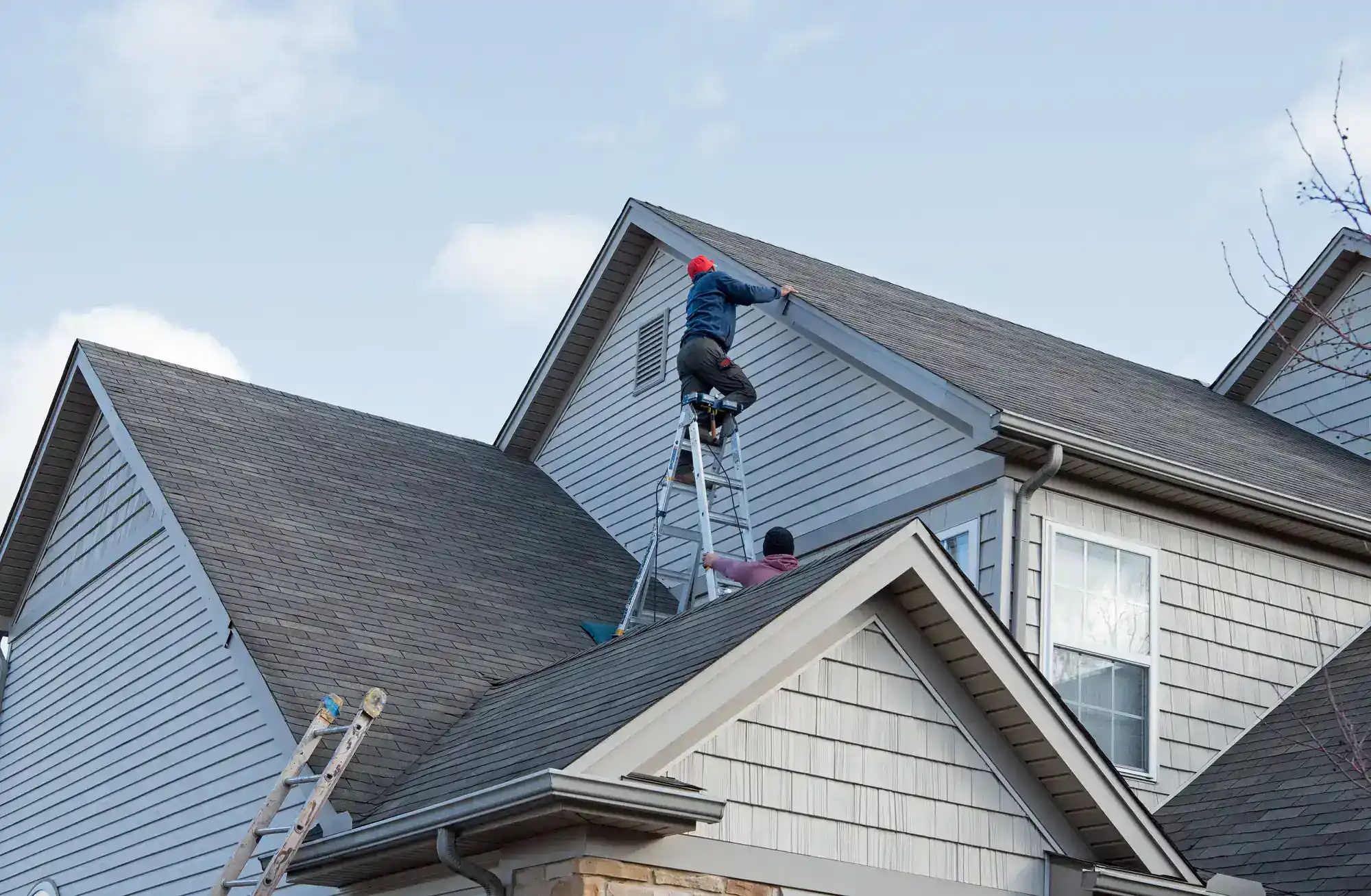
Bergen County Roof Leak Repair
A roof repair done right means you stop watching the ceiling every time it rains. No more buckets, no more water stains spreading across the drywall, no more wondering if the damage is getting worse behind the walls. That peace of mind is real — and it’s what a proper repair actually delivers.
For homes in Cliffside Park, that means more than just patching shingles. The older housing stock along Anderson Avenue and in the Grantwood section deals with aging flashing, worn valleys, and decades of freeze-thaw cycling that quietly compromise the roof long before a visible leak shows up inside. Getting ahead of that damage — not just reacting to it — is the difference between a targeted repair and a much larger bill down the road.
If you own a multi-family building or a flat-roofed property in Cliffside Park, the stakes are even higher. Water sitting on a deteriorating membrane doesn’t wait. It works its way into the structure, into the insulation, and eventually into your tenants’ units. A proper flat roof repair addresses the actual failure — membrane seams, parapet flashing, drainage — not just the surface. When it’s done correctly, you protect your rental income, your investment, and your property’s value in a market where median home prices are pushing well past $600,000.
Trusted Roofing Contractor in Cliffside Park
We’ve been working on Cliffside Park and Bergen County roofs for over ten years. That means real experience with the housing stock here — the colonial-style homes in Grantwood, the dense multi-family buildings off Anderson Avenue, the newer construction along the Palisade Avenue ridge. We didn’t show up after the last nor’easter and we won’t be gone before the next one.
Our business is family-operated, which matters more than it sounds. The same people who inspect your roof and write your estimate are accountable for the finished work. There’s no handoff to a subcontracted crew after the deal is closed. You get consistent communication, a written estimate that matches your final invoice, and a team that’s still reachable after the job is done.
We also hold certifications from major shingle manufacturers — credentials that require demonstrated installation quality and proper insurance, and that give you access to manufacturer-backed warranty coverage that most local contractors simply cannot offer.
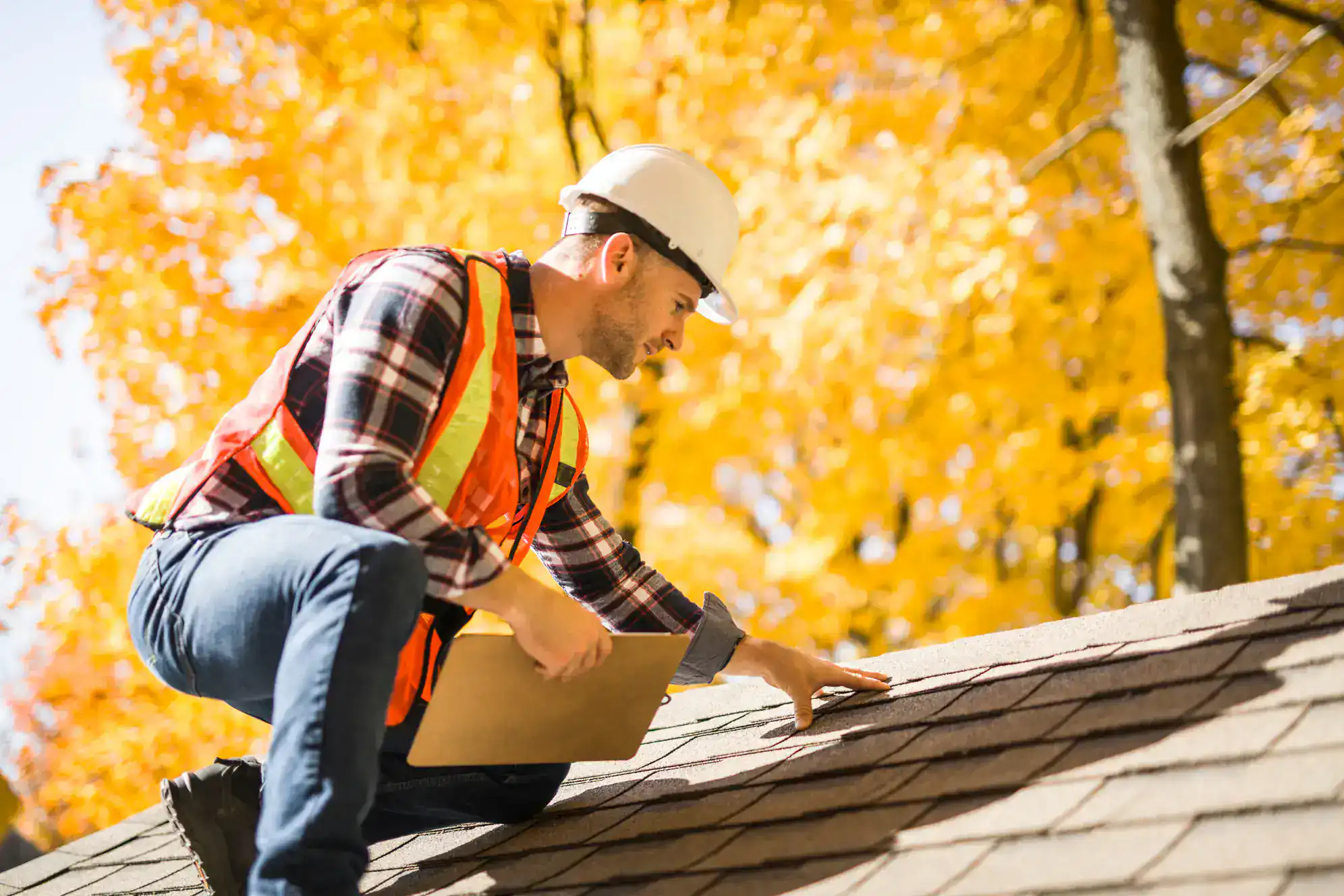
Roof Repair Estimate in Cliffside Park, NJ
It starts with a free inspection. We come out, get on the roof, and actually look — not just a quick scan from the driveway. In Cliffside Park, that inspection accounts for the specific conditions your home faces: wind exposure from the Hudson corridor, the age and type of your roofing system, and any storm damage that may not be obvious from the ground. If you’ve had recent nor’easter activity or a wind event, that context shapes what we’re looking for.
After the inspection, you get a written estimate that itemizes the work, the materials, and the total cost. No vague line items, no “we’ll figure it out as we go.” If the scope doesn’t change, the price doesn’t change. That’s a commitment, not a talking point.
From there, the repair gets scheduled and completed by the same crew that assessed the job. Before leaving, the site gets cleaned — magnetic nail sweeps, debris removal, a full walkthrough of the property and surrounding area. In a borough this dense, where your driveway sits ten feet from your neighbor’s, that cleanup matters. The job isn’t finished until the property looks the way it should.
If your damage involves an insurance claim — common after nor’easters hit the Palisades — we provide written documentation and photo evidence as part of the process, giving your adjuster what they need to move the claim forward.
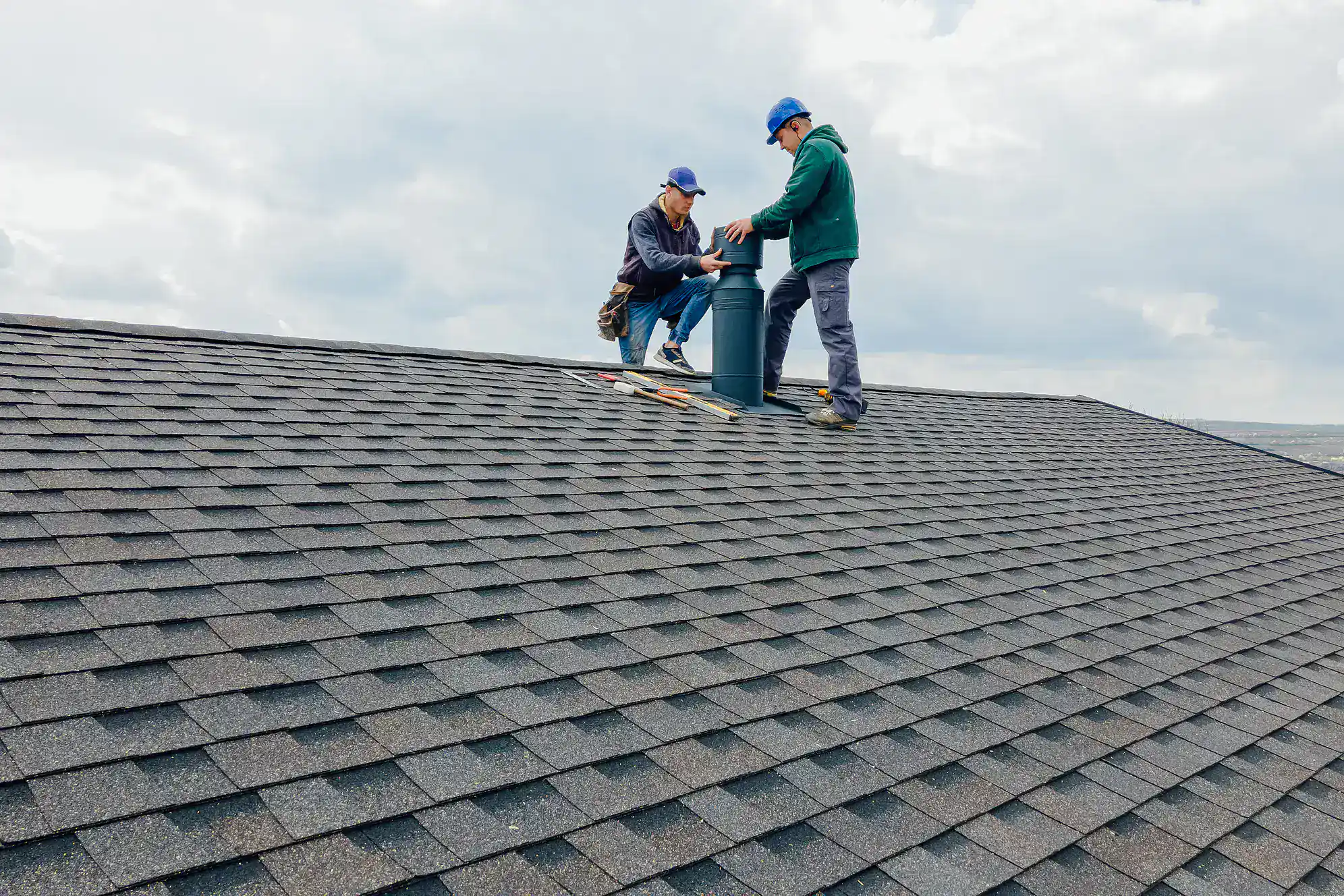
Ready to get started?
Emergency Roof Repair in Cliffside Park, NJ
Cliffside Park’s housing stock isn’t uniform, and the repair approach shouldn’t be either. For pitched shingle roofs — common on the single-family and older multi-family homes throughout the borough — repairs include shingle replacement, flashing repair and resealing, valley restoration, and ridge cap work. Shingle matching is handled carefully, because a patch that clashes with the rest of your roof doesn’t do your property any favors in a market where curb appeal directly affects value.
For flat and low-slope roofs, which are widespread on the multi-family buildings throughout Cliffside Park, the repair focus shifts to membrane integrity — seam failures, ponding water drainage, flashing separations at parapet walls, and field membrane deterioration. EPDM, modified bitumen, and TPO systems each have different failure patterns, and we match the repair method to the system, not apply it generically.
Storm damage repair — including emergency roof repair in Cliffside Park, NJ following nor’easters or wind events — covers temporary protective measures like tarping and emergency patching when permanent repair needs to wait, as well as full restoration once conditions allow. Roof leak repair in Cliffside Park, NJ is approached the same way: we find the actual source, not just the symptom, and fix it so it doesn’t come back after the next rain. All work is performed in compliance with Cliffside Park’s Building Department permit requirements, and we are registered with the borough as required under local municipal code.
Does roof repair in Cliffside Park, NJ require a permit from the borough?
For most repair work — replacing a few shingles, patching flashing, or sealing a leak — a permit typically isn’t required. But if the scope of work involves replacing a significant portion of the roof or re-roofing over existing material, Cliffside Park’s Building Department does require a permit, and the contractor performing the work must be registered with the borough’s Building Inspector prior to starting. This is a local requirement that goes beyond just holding a state license.
Working with a contractor who understands this process matters. Unpermitted work that should have been permitted can create real problems when you go to sell your home or file an insurance claim. We handle permit requirements as a standard part of the job — not as an afterthought — so you’re covered from the start.
How do I know if I need roof repair or a full roof replacement?
The honest answer is that it depends on the age of your roof, the extent of the damage, and where the damage is concentrated. A roof that’s 10 to 15 years old with isolated shingle damage or a flashing failure is almost always a repair situation. A roof that’s 25 or 30 years old with widespread granule loss, multiple leak points, and compromised decking is usually past the repair threshold — and patching it repeatedly ends up costing more than a replacement.
For Cliffside Park homeowners, the older housing stock in areas like Grantwood and along the Anderson Avenue corridor means there’s a real population of roofs that are approaching or past their design lifespan. A free inspection gives you an honest read on where your roof actually stands — not a sales pitch for the most expensive option. If a repair is the right call, that’s what we recommend.
What types of roof damage are most common after a nor'easter in Cliffside Park?
Cliffside Park’s position atop the Hudson Palisades makes it more exposed to nor’easter wind and wind-driven rain than most Bergen County communities. The most common damage patterns after a major storm are missing or lifted shingles, displaced or separated flashing around chimneys and skylights, and compromised ridge caps — all of which are vulnerable to the sustained wind speeds that come off the Hudson River corridor during a northeast storm.
On flat-roofed buildings throughout Cliffside Park, nor’easters frequently cause membrane seam failures and flashing separations at parapet walls, especially on older systems that were already showing wear. Ice damming is also a recurring issue on older homes with inadequate attic ventilation — when snow accumulates on the roof and then melts and refreezes at the eaves, it forces water under the shingles and into the building. Post-storm inspections should look for all of these conditions, not just the obvious missing shingles.
Will my homeowners insurance cover roof storm damage repair in Cliffside Park, NJ?
Most standard homeowners insurance policies in New Jersey cover storm damage caused by wind, hail, and falling debris — but the coverage depends on how the damage is documented and whether the cause is clearly storm-related rather than deferred maintenance. Insurance adjusters look for evidence that the damage was caused by a specific weather event, not gradual deterioration that the homeowner neglected over time.
This is where good documentation makes a real difference. A written damage assessment with photos taken immediately after the storm gives your adjuster a clear picture of what happened and when. We provide that documentation as part of the storm damage repair process, which helps move claims forward without the back-and-forth that comes from vague or incomplete damage reports. If you’re unsure whether your damage qualifies, the free inspection is the right starting point — you’ll have a clear picture of what’s there before you even pick up the phone with your insurer.
How much does roof repair typically cost in Cliffside Park, NJ?
Roof repair costs vary considerably depending on the type of repair, the roofing system, and the extent of the damage. Minor repairs — replacing a handful of shingles, resealing flashing, or patching a small leak — typically run in the range of $300 to $700. More involved repairs, like addressing widespread shingle damage after a nor’easter, replacing a valley, or repairing a flat roof membrane section, can range from $800 to $2,500 or more depending on the size of the affected area and the materials required.
In Cliffside Park, where property values are high and roofing systems range from older pitched shingle roofs to flat membrane systems on multi-family buildings, the cost range is genuinely wide. The only way to get a number that actually applies to your roof is a proper inspection and a written estimate. That inspection is free, and the estimate is itemized — so you know exactly what you’re paying for before any work begins.
How long does a typical roof repair take for a Cliffside Park home?
Most standard roof repairs — shingle replacement, flashing repair, minor leak repair — are completed in a single day, often in just a few hours depending on the scope. Larger repairs involving significant shingle areas, flat roof membrane sections, or post-storm restoration work may take a full day or extend into a second day for larger or more complex roofs.
In Cliffside Park specifically, scheduling can be affected by seasonal demand. Fall is the busiest window — homeowners throughout Bergen County want repairs completed before nor’easter season, and contractor availability tightens from September through November. If you’re dealing with an active leak or recent storm damage, emergency roof repair in Cliffside Park, NJ is prioritized differently than a planned repair, and temporary protective measures can be deployed quickly to stop active damage while the permanent repair is scheduled. The best approach is to call as soon as you identify a problem — waiting rarely makes the repair simpler or less expensive.