
Roof Repair in Ackermans Mills, NJ
Estate Roofs in Ackermans Mills Deserve More Than a Quick Fix
Hear from Our Customers
Roof Leak Repair in Ackermans Mills, NJ
A repaired roof on an Ackermans Mills estate isn’t just about stopping a leak. It’s about protecting a home you’ve invested in for years — one that sits on a spacious lot, surrounded by mature trees and exposed to everything the Ramapo Mountains push through every winter. When the work is done correctly, you stop watching the ceiling after every storm. You stop wondering if that dark spot in the corner is growing. You stop putting off the conversation you’ve been avoiding.
The homes in Ackermans Mills were largely built between the 1970s and 1990s. That means a lot of original or once-replaced roofs are now at or past the 25-to-30-year mark — right around the time shingles start failing quietly before they fail visibly. Catching problems at the repair stage, before they become a full replacement conversation, is where the real savings happen.
Ice dams are a specific issue in Ackermans Mills that lower-elevation Bergen County towns don’t deal with the same way. The freeze-thaw cycling near the Ramapos is intense, and the large, multi-story homes here — with their dormers, valleys, and complex rooflines — are exactly the type of structures where ice backs up under shingles and causes damage that doesn’t show up until months later. A thorough repair addresses what’s visible and what’s not.
Licensed Roof Repair Contractor in Ackermans Mills, NJ
We’ve been working on roofs across Ackermans Mills and northern New Jersey for over ten years. That’s not a line — it’s what separates a company with a real local reputation from the storm-chasers who flood Bergen County after every major nor’easter and disappear when things get complicated.
We hold contractor licenses required by the State of New Jersey and carry manufacturer certifications from major shingle brands — credentials that allow us to offer warranty coverage that most contractors in this market simply can’t match. For homeowners in Ackermans Mills managing high-value estate properties, that kind of documented protection matters at resale, during insurance claims, and throughout the life of the home.
Every estimate we provide is written, every inspection is free, and the price you’re quoted is the price you pay. That’s not a policy — it’s just how the work gets done here.
Roof Storm Damage Repair in Ackermans Mills, NJ
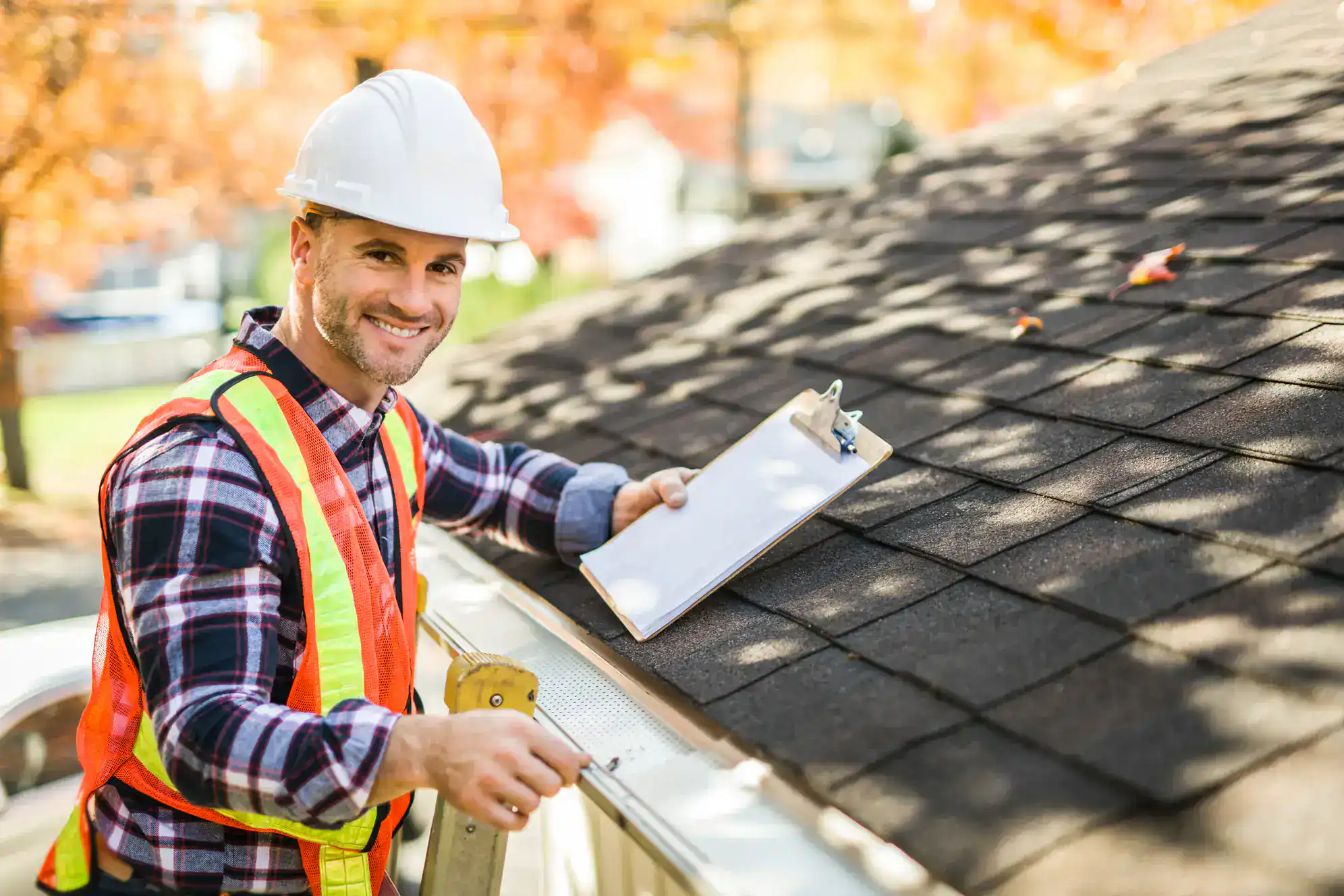
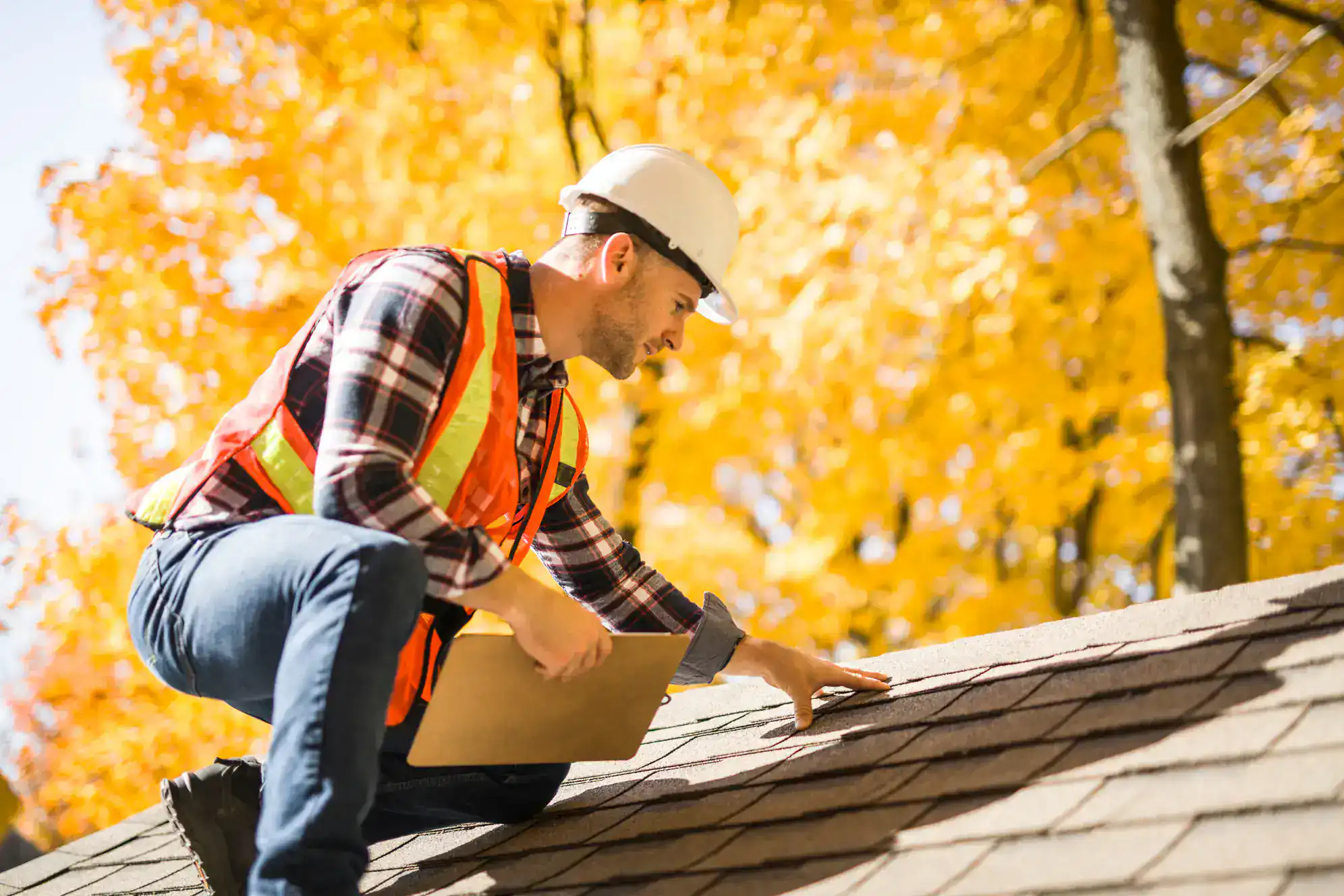
It starts with a free inspection. Someone from our team comes out, gets on the roof, and gives you an honest read on what’s actually happening — not a sales pitch designed to push you toward the most expensive option. If a targeted repair is the right call, that’s what you’ll hear. If your roof has reached the point where repair is a short-term fix on a long-term problem, you’ll hear that too, with a clear explanation of why.
Once the scope is agreed on, you get a written estimate that spells out the materials, the work, and the total cost. For homes in Mahwah Township, any significant roofing work is subject to New Jersey’s Uniform Construction Code, and permits are handled as part of the project — not as a surprise line item after the fact. We know Mahwah Township’s building department process and take care of it so you don’t have to.
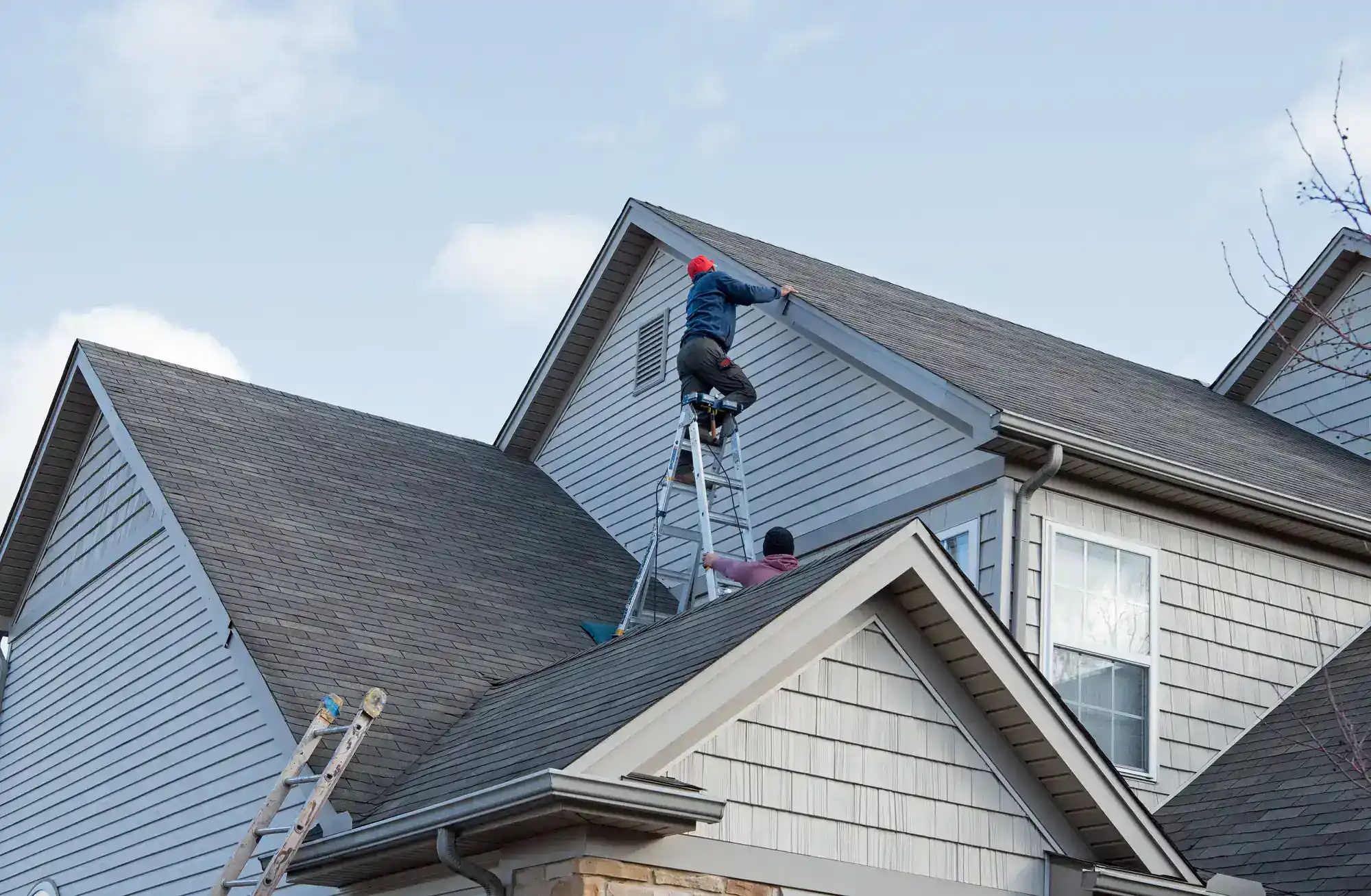
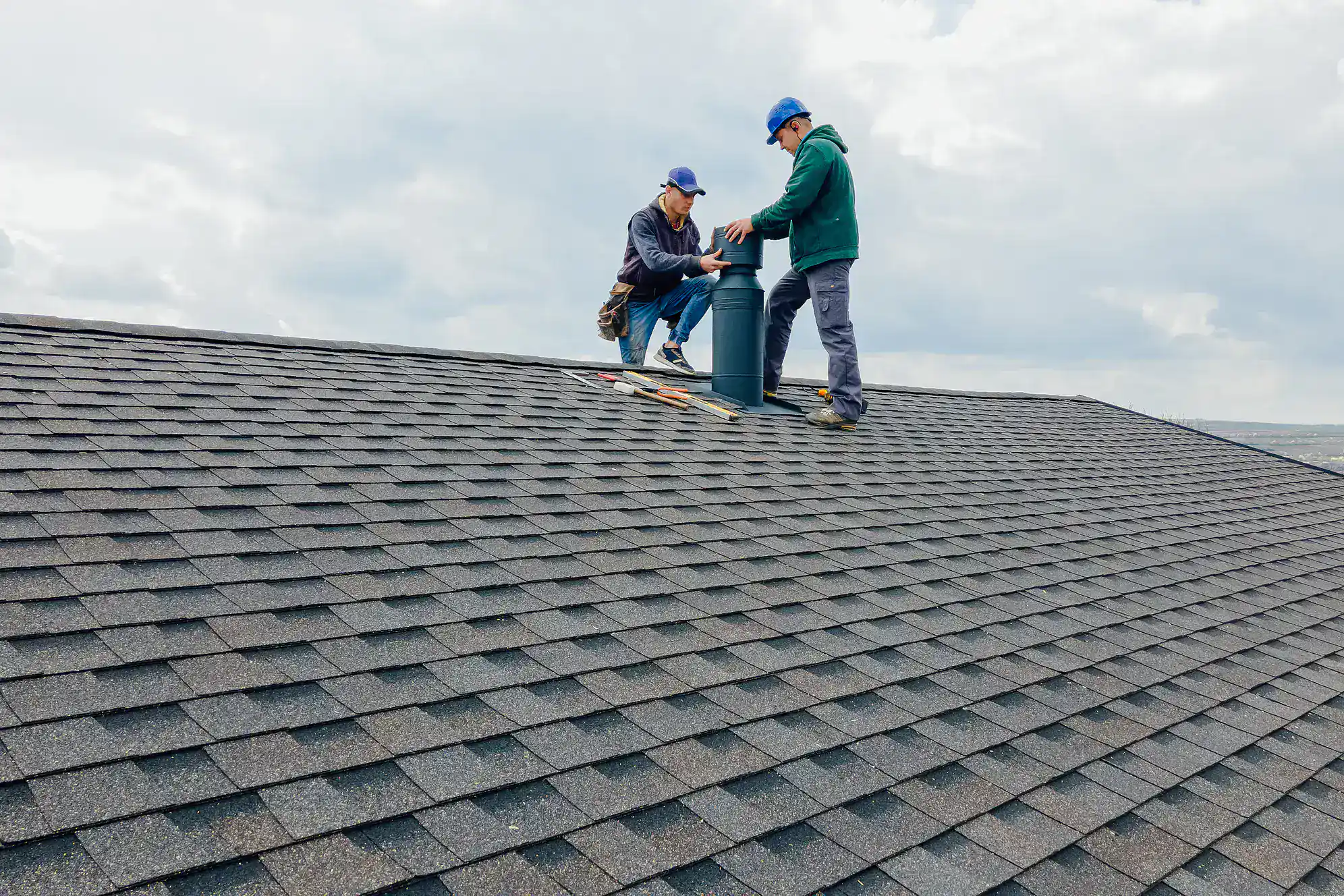
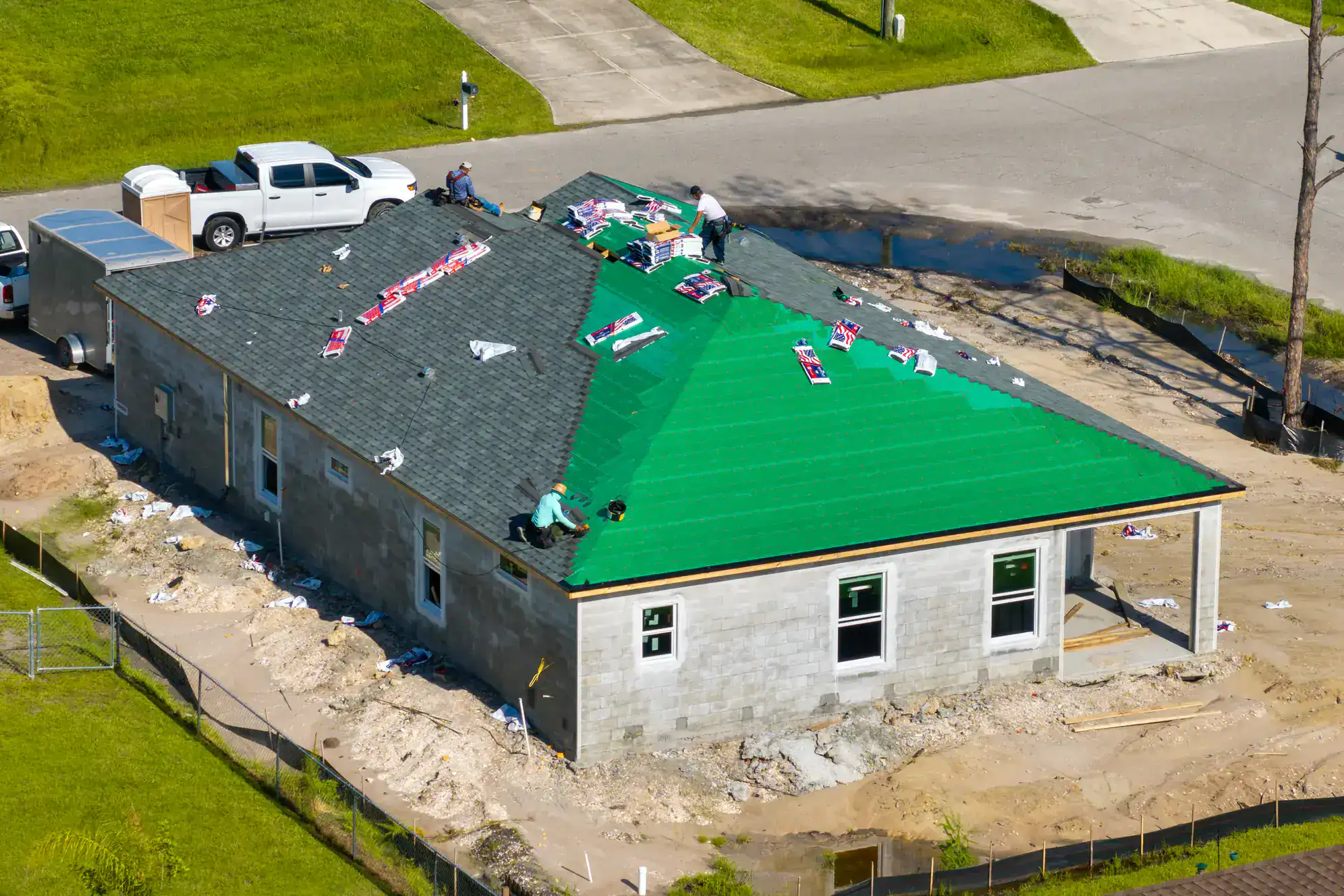
The work itself is done with attention to the specific conditions that affect Ackermans Mills roofs: proper flashing installation around chimneys and dormers, valley work that holds up through freeze-thaw cycles, and shingle matching that keeps the repair from looking like a patch. When our crew leaves, the property is clean — no nails in the lawn, no debris in the garden beds. The job isn’t done until the property looks right.
Ready to get started?
Shingle and Flat Roof Repair in Ackermans Mills, NJ
The most common repair calls in Ackermans Mills follow a familiar pattern: a nor’easter lifts a section of shingles, ice dam damage from the previous winter finally shows up as a ceiling stain, or flashing around a chimney or skylight fails after years of thermal cycling. Shingle roof repair covers all of it — from replacing a handful of damaged architectural shingles to addressing valley deterioration and resealing penetrations that have opened up over time. Material matching matters on these homes, and we source replacement shingles with attention to profile, color, and manufacturer so the repair blends in rather than advertising itself.
For homes with flat roof sections — garages, additions, or modern builds — repair options include TPO, EPDM, and modified bitumen systems depending on what’s already in place. Emergency roof repair is also available for situations that can’t wait: active leaks during a storm, wind damage that’s left the structure exposed, or any scenario where getting a tarp and a temporary fix in place quickly is the priority.
Roof repair estimates in Ackermans Mills are always free and always written. If your home was built in the 1970s or 1980s and hasn’t had a professional inspection in a few years, that’s the right place to start — before a manageable repair becomes something much larger.
Does homeowners insurance cover roof storm damage repair in Ackermans Mills, NJ?
In most cases, yes — but the details matter. Standard homeowners insurance policies in New Jersey typically cover sudden storm damage, which includes wind-lifted shingles, hail damage, and damage caused by falling tree limbs. Given how wooded Ackermans Mills is, that last one comes up more than you’d expect. What insurance generally does not cover is damage from deferred maintenance or normal wear over time, which is why the language in your claim documentation matters.
When you file a claim, the insurance adjuster will assess the damage and determine a payout based on their evaluation — which isn’t always the same as what a thorough inspection reveals. Having a contractor who can document the full scope of damage with detailed written assessments and photos, and who understands how to communicate that scope clearly to an adjuster, makes a real difference in what you actually receive. We’ve helped Bergen County homeowners navigate this process and can walk you through what to expect before you make the call to your insurer.
How do I know if my Ackermans Mills roof needs repair or a full replacement?
This is the most important question to get an honest answer on, and it’s one where a lot of contractors get it wrong — either by pushing replacement when repair would do the job, or by patching a roof that’s too far gone to justify the expense. The honest answer depends on a few things: the age of the roof, the extent of the damage, and whether the underlying structure is still sound.
For homes in Ackermans Mills built in the 1970s through 1990s, many roofs are now between 25 and 55 years old. Asphalt shingles have an expected lifespan of 20 to 30 years, so if your roof is on the older end of that range and you’re seeing multiple problem areas — not just one isolated section — repair may be a short-term fix on a system that’s already in decline. A free inspection will give you a clear picture: what’s damaged, what’s still sound, and what makes the most financial sense for where your roof actually is in its life cycle.
What causes ice dams on roofs in Ackermans Mills, and can they be repaired?
Ice dams form when heat escaping from the living space melts snow on the upper portion of the roof, and that meltwater refreezes when it reaches the cold eaves. The resulting ice dam blocks drainage and forces water back up under the shingles, where it can penetrate the underlayment and cause leaks that don’t show up inside the home until weeks or months later.
This is a specific problem in Ackermans Mills because of the freeze-thaw cycling near the Ramapo Mountains. The large, multi-story estate homes here — with their complex rooflines, dormers, and multiple valleys — are particularly susceptible because there are more transition points where ice accumulates. The damage itself is repairable: compromised shingles and underlayment can be replaced, and flashing can be reinstalled correctly. Addressing the underlying cause — typically inadequate attic insulation or ventilation — is a separate conversation, but one worth having if ice dams are a recurring issue on your property.
Do I need a permit for roof repair in Mahwah Township, NJ?
It depends on the scope of the work. Minor repairs — replacing a few damaged shingles, patching flashing, sealing around a penetration — typically don’t require a permit under New Jersey’s Uniform Construction Code. However, a full roof replacement that involves removing and reinstalling the entire roofing system does require a permit through Mahwah Township’s Building Department, located at 475 Corporate Drive.
This matters for a few reasons beyond just compliance. Work performed without required permits can create complications when you sell the property, and in some cases, unpermitted work can affect how your homeowners insurance responds to a future claim. We handle permit procurement as a standard part of any project that requires one — it’s built into the process, not an add-on. If you’re unsure whether your specific repair requires a permit, the free inspection and estimate conversation is a good place to ask.
How much does roof repair typically cost in Ackermans Mills, NJ?
The range is wide, and that’s not a dodge — it’s just the reality of a market where homes vary significantly in size, roof complexity, and the extent of damage. A minor repair like replacing a few shingles or resealing flashing around a chimney might run a few hundred dollars. A more involved repair addressing ice dam damage, valley deterioration, or multiple compromised sections on a large estate roof can run into the thousands.
What drives cost in Ackermans Mills specifically is the scale and complexity of the homes here. Estate-style properties with large roof systems, multiple dormers, chimneys, and valleys require more labor and more material than a straightforward ranch-style home. Premium shingle matching — which matters on these properties — also affects material cost. The best way to get a real number is through a free inspection and written estimate, which gives you an itemized breakdown of exactly what’s needed and what it costs. No vague ranges, no surprise invoices.
How soon after a nor'easter should I have my Ackermans Mills roof inspected?
As soon as possible — ideally within a few days of the storm. Bergen County nor’easters are well-documented for producing the specific combination of wind, rain, and snow load that causes the most common types of roof damage: lifted or missing shingles, compromised flashing, and ice accumulation in valleys and at eaves. The problem is that a lot of this damage isn’t visible from the ground, and it doesn’t always produce an immediate interior leak.
What happens instead is that a small breach in the roofing system allows moisture to enter slowly — saturating the underlayment, reaching the decking, and eventually showing up as a ceiling stain or a musty smell weeks later. By that point, what started as a straightforward shingle repair may have become a decking repair or, in worse cases, a mold remediation issue. Getting a professional inspection shortly after a major storm is the fastest way to catch damage at the repair stage, before it compounds. The inspection is free, and it takes the guesswork out of whether your roof made it through the storm intact.