
Roof Inspection in Ridgefield, NJ
Ridgefield Roofs Take a Beating — Here's What's Actually Up There
Hear from Our Customers
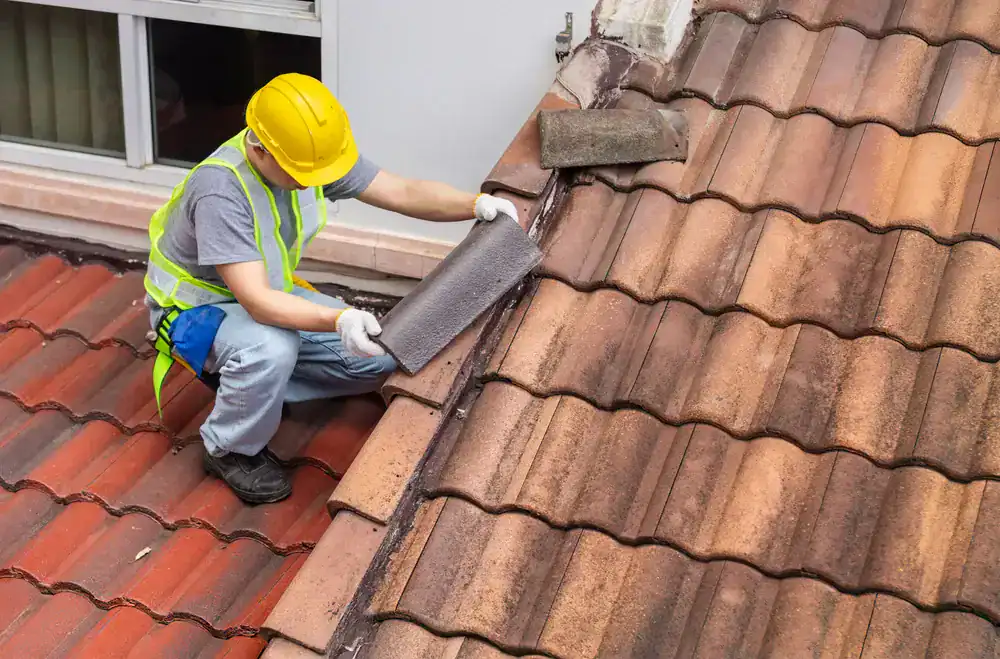
Roof Damage Inspection in Ridgefield, NJ
Bergen County winters don’t ease up. Every freeze-thaw cycle that runs through Ridgefield puts stress on shingles, flashing, and the areas around chimneys and vent pipes — the spots that fail quietly, long before you see a stain on your ceiling. If your home was built between the 1940s and 1970s, which describes a significant portion of Ridgefield’s housing stock, there’s a real chance your roof is carrying wear that’s never been professionally evaluated.
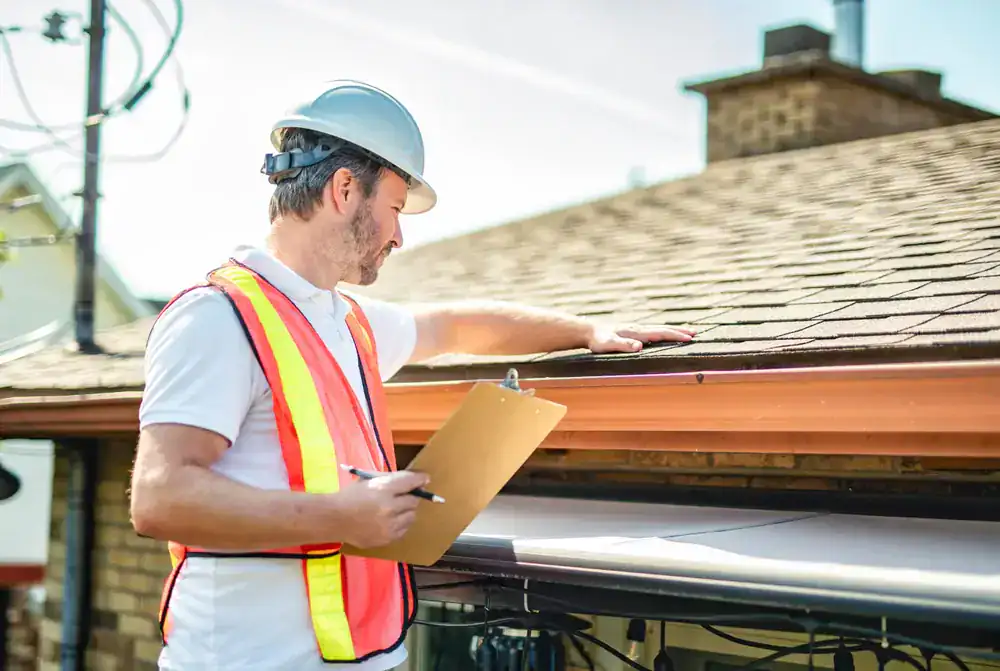
A roof inspection catches the things you can’t see from your driveway. Cracked flashing around an aging chimney. Granule loss that signals shingles are nearing the end of their life. Ice dam damage along the eaves that opened up gaps last February. These aren’t dramatic failures — they’re the slow, incremental kind that compound quietly until they become expensive.
What you walk away with is clarity. You’ll know whether your roof has years of life left, whether a repair makes sense, or whether replacement is the smarter move. No guesswork, no pressure — just a straight answer from someone who’s been on roofs like yours across Ridgefield and Bergen County for over a decade.
Licensed Roof Inspector in Ridgefield, NJ
We’ve been working on New Jersey homes for over ten years — roofing, gutters, siding, and everything connected to the exterior of a house. That experience matters when you’re standing on a Ridgefield roof that was built in 1958 and has seen forty Bergen County winters. You learn what to look for, where problems hide, and how to give a homeowner an honest answer instead of a sales pitch.
We hold a New Jersey Home Improvement Contractor license and certifications from major shingle manufacturers — credentials that aren’t common in this industry and that translate into real warranty protection for you if work is ever needed. From the Morsemere neighborhood to Ridgefield Heights, homeowners across the borough have trusted our team for straightforward assessments and work that holds up.
When a roof is in good shape, we say so. When it isn’t, we explain exactly why — and what your options are.

Roof Inspection Company in Ridgefield, NJ
It starts with a call or a form submission — no commitment, no deposit, nothing owed. We schedule a time that works for you, show up when we say we will, and get on the roof. From there, we walk every section of the surface: shingles, flashing, ridge caps, valley seams, vent pipe boots, soffit and fascia, and any areas around chimneys or skylights where water tends to find its way in. These are the spots that Bergen County’s freeze-thaw cycles hit hardest, and they’re the first places we look on any Ridgefield home.
Once the inspection is complete, you get a clear explanation of what was found — not a report full of technical terms, but a plain-language walkthrough of your roof’s actual condition. If repairs are needed, we’ll tell you what, where, and why. If replacement makes more sense given the age and condition of the roof, we’ll walk you through that too. If everything looks solid, we’ll tell you that and give you an honest estimate of how much life is left.
One thing worth knowing: any roof replacement in Ridgefield requires a building permit through the Borough Building Department under New Jersey’s Uniform Construction Code. We handle that process — it’s part of doing the job right, and it protects you at resale and with your insurance carrier.
Ready to get started?
Certified Roof Inspector in Ridgefield, NJ
The inspection covers your full roofline — not just a quick look at the shingles. That means the entire surface is walked and evaluated, including every flashing point, the condition of your gutters and how they connect to the roofline, soffit and fascia, and any visible signs of moisture intrusion or structural stress. For Ridgefield homes with older chimneys, we pay particular attention to the chimney flashing and counter-flashing, which are among the most common failure points on mid-century Bergen County homes.
If you’ve had recent storm activity — a nor’easter, a summer hail event, high winds off the Meadowlands — the inspection includes a specific assessment for storm-related damage. That documentation matters if you’re filing an insurance claim, and a report from a licensed, certified contractor carries weight with adjusters in a way that a homeowner’s photos alone typically don’t.
The inspection also covers gutters and siding connections as part of a complete exterior review. Because we handle roofing, gutters, and siding, one visit can give you a full picture of your home’s exterior condition — not just one piece of it. For Ridgefield homeowners whose roof, gutters, and siding have all aged together, that comprehensive view is genuinely useful.

How do I know if my Ridgefield home actually needs a roof inspection right now?
The honest answer is that most homeowners wait too long. If your home was built before 1980 — which covers a large portion of Ridgefield’s housing stock — and you can’t remember the last time someone professionally looked at the roof, that’s reason enough. Asphalt shingles typically last 20 to 30 years, and a roof that’s approaching or past that window in a Bergen County climate has likely absorbed meaningful wear that isn’t visible from the street.
Beyond age, there are specific things to watch for: granules collecting in your gutters after rain, shingles that look cupped or curled at the edges, dark streaking on the roof surface, or any sign of moisture in your attic or on upper-floor ceilings. Any one of those is worth a professional look. And if you’ve been through a hard winter with ice dams, or a summer storm that brought hail, an inspection is the only way to know what, if anything, was damaged.
What does a professional roof inspection actually check that I can't see myself?
Quite a bit, honestly. What’s visible from the ground — or even from a ladder at the edge of the roofline — is a fraction of what a trained inspector evaluates when they’re walking the full surface. Flashing failures around chimneys, skylights, and vent pipes are among the most common causes of roof leaks, and they’re almost impossible to assess without getting up there and physically checking every seam and transition point.
We also look at the condition of the underlayment where it’s accessible, the integrity of ridge caps and valley seams, the state of soffit and fascia, and any signs of moisture intrusion or decking deterioration that would indicate deeper structural issues. In Ridgefield specifically, older homes with original chimney flashing — some of it 40 or 50 years old — are a frequent source of slow leaks that homeowners attribute to something else entirely until a professional traces it back to the source.
Does a roof inspection in Ridgefield, NJ cost anything, and what's included?
The inspection is completely free — no service fee, no obligation, and no pressure to move forward with any work afterward. That’s not a limited-time offer or a conditional deal. It’s simply how we operate, because the goal is to give you accurate information about your roof’s condition, not to manufacture a reason to sell you something.
What’s included is a full walkthrough of your roofline: shingles, flashing, ridge and valley seams, gutters, soffit and fascia, and any areas around chimneys or penetrations where water commonly enters. After the inspection, you get a plain-language explanation of what was found — what’s in good shape, what needs attention, and what your realistic options are. If the roof is fine, you’ll hear that. If it isn’t, you’ll get a clear explanation of why and what the next step looks like. There’s no invoice at the end of a free inspection — just information.
Will my homeowner's insurance cover roof damage in Ridgefield, and how does an inspection help?
Whether insurance covers roof damage depends on the cause. Storm damage — hail, high winds, a falling branch — is typically covered under a standard homeowner’s policy. Damage from age, wear, or deferred maintenance usually isn’t. The distinction matters, and it’s one of the first things an insurance adjuster will evaluate when you file a claim.
A professional inspection from a licensed, certified contractor gives you documentation that carries real weight in that process. Photos taken from the roof surface, a written assessment of damage type and location, and a report from a credentialed contractor are far more useful to an adjuster than homeowner-submitted photos alone. In Bergen County, where nor’easters and summer hail storms are a regular occurrence, having that documentation in hand quickly after a weather event can be the difference between a full claim settlement and a disputed one. Our team knows what storm damage looks like on Ridgefield roofs and documents findings in a format that supports the claims process.
How long does a roof typically last on a Bergen County home, and how do I know mine is close to the end?
Standard three-tab asphalt shingles generally last 15 to 20 years. Architectural shingles — the thicker, dimensional style that’s been the industry standard for the past few decades — typically run 25 to 30 years under normal conditions. In Bergen County’s climate, with its freeze-thaw cycles, heavy snow loads, and summer storm exposure, you’re often looking at the lower end of those ranges, particularly on homes that weren’t installed with premium underlayment or proper ventilation.
For Ridgefield homeowners, the math is fairly straightforward: if your home was built in the 1950s or 1960s and received a replacement roof in the 1990s, that roof is now 30 years old. Even if it’s still keeping water out today, it’s operating on borrowed time. The signs to watch for are granule loss in the gutters, shingles that have lost their flat profile, visible cracking or brittleness, and any recurring moisture issues in the attic or on interior ceilings. A professional inspection gives you a realistic remaining-life estimate so you can plan ahead rather than react to a failure.
Do I need a permit to replace my roof in Ridgefield, NJ, and does my contractor handle that?
Yes — roof replacement in Ridgefield requires a building permit through the Borough Building Department at 604 Broad Avenue, issued under New Jersey’s Uniform Construction Code. This applies to full replacements, not routine repairs, but it’s a requirement that some contractors skip — and doing so creates real problems for you as the homeowner. An unpermitted roof replacement can complicate your homeowner’s insurance coverage, create issues during a home sale inspection, and leave you without legal recourse if the work doesn’t hold up.
We pull the appropriate permits as part of the job. It’s not an add-on or an upcharge — it’s how the work gets done correctly in Ridgefield. The permit process also means the work is subject to inspection by the borough’s building department, which is an additional layer of accountability that protects your investment. If a contractor tells you permits aren’t necessary or tries to skip that step to move faster, that’s a clear signal to walk away. New Jersey’s Home Improvement Contractor registration requirements exist specifically to protect homeowners from that kind of corner-cutting.