
Roof Inspection in Oakland, NJ
Oakland Roofs Take a Beating — Here's What's Actually Up There
Hear from Our Customers
Certified Roof Inspector in Oakland, NJ
Oakland sits in a tough spot for roofs. The Ramapo River valley pushes moisture up from below, nor’easters roll in from the northwest, and freeze-thaw cycles hit harder here than they do in flatter, more sheltered towns to the east. That combination doesn’t just wear a roof down — it finds every small vulnerability and quietly turns it into a bigger problem.
Most roof damage in Oakland doesn’t start with a storm. It starts with a hairline gap in the flashing, a shingle seal that’s been softening for two winters, or attic ventilation that’s been compromised by moisture long before anything shows up on your ceiling. By the time you notice water inside, the decking underneath has usually been taking on water for months.
A professional roof inspection catches those things before they compound. For homeowners in Oakland — where the median home value is pushing $700,000 and the housing stock skews toward post-WWII construction that’s been through multiple roof cycles — knowing the actual condition of your roof isn’t optional maintenance. It’s how you protect what you’ve built here.
Licensed Roof Inspector Serving Oakland, NJ
We’ve spent the last ten years inspecting, repairing, and replacing roofs across northern New Jersey — including the homes throughout Bergen County’s western corridor where Oakland sits. We hold a valid New Jersey Home Improvement Contractor license, carry full insurance, and are certified by major shingle manufacturers. Those certifications matter more than they sound: they’re what unlock enhanced, manufacturer-backed warranty coverage that a standard contractor structurally can’t offer you.
We’re a family business, and in a community like Oakland — where the FLOW school district connects neighbors and word travels fast — that accountability is real. We don’t manufacture urgency. If your roof is solid, we’ll tell you that and document it. If something needs attention, we’ll show you exactly what and why.

Roof Damage Inspection Process in Oakland, NJ
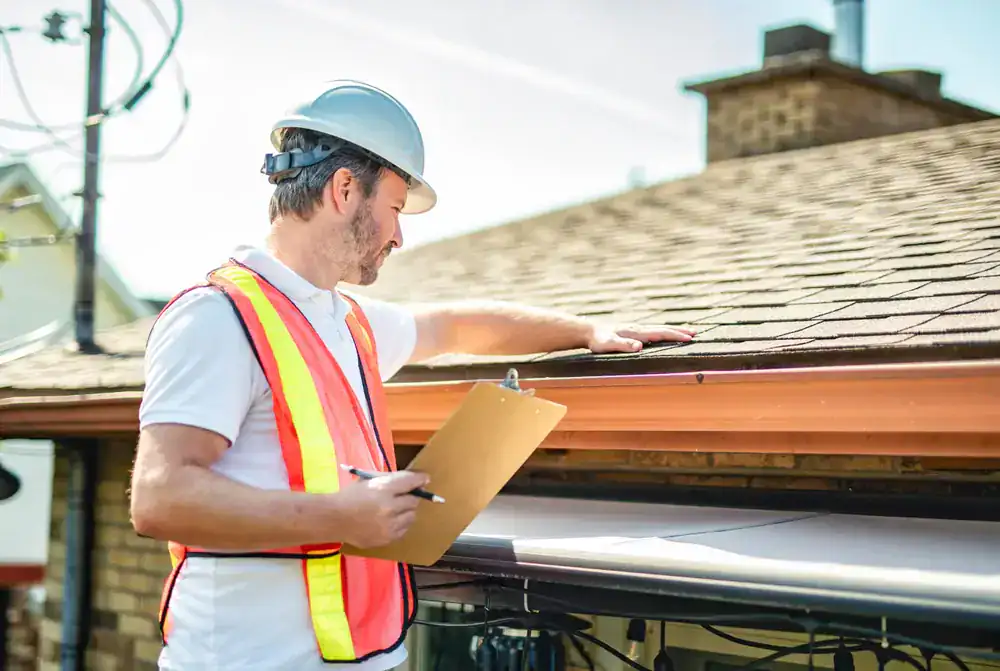
When we arrive at your Oakland home, we start on the roof surface itself — not the driveway, not a ladder glance from the ground. We’re checking shingle condition, flashing integrity at every penetration point, ridge and hip details, and the state of any sealants around chimneys, vents, and skylights. These are the areas that fail first in Oakland’s climate, especially after a nor’easter or a hard freeze-thaw sequence.
From there, we move to the attic. Oakland’s Ramapo River valley environment creates enough ambient moisture that interior indicators are just as important as what’s visible outside. We’re looking at insulation condition, ventilation performance, and any early signs of decking deterioration or moisture intrusion that wouldn’t show up on a surface-only inspection.
After that, you get a written report with photos — not a verbal summary at the bottom of your driveway. If your roof needs repairs, we’ll outline exactly what’s involved and what it costs. If a full replacement is the right call, we’ll walk you through that too, including the permit process through Oakland’s Building Department, which requires a building permit and proof of NJ HIC registration for any replacement work. If your roof has years of life left, we’ll tell you that and give you a clear picture of its timeline.
Ready to get started?
Roof Leak Inspection and Repair in Oakland, NJ
A roof inspection from us isn’t a quick walk-around. For Oakland homes — many of which were built during the borough’s post-WWII development boom that earned it the nickname “The Valley of Homes” — we’re paying close attention to the specific failure patterns that come with aging construction in this climate. That means flashing at wall-roof junctions, the condition of any previous repair work, and how the drainage system is performing relative to Oakland’s rainfall and snowmelt load.
We also cover gutters and fascia as part of the roofline assessment, because storm damage in this area rarely stops at the shingles. If wind or ice has affected your roof, there’s a good chance the gutter system and soffit took a hit too. Handling roofing, gutters, and siding under one inspection means nothing gets missed between separate contractors.
For homeowners getting ready to list — and Oakland’s real estate market moves at a pace where roof condition can directly affect your sale price or kill a deal in inspection — a pre-listing roof inspection gives you documented evidence of your roof’s condition before a buyer’s inspector finds something first. It’s a straightforward way to protect your position in a transaction on a home worth what Oakland homes are worth.

Does the Borough of Oakland require a permit for roof replacement work?
Yes — the Borough of Oakland requires a building permit for roof replacement, and your contractor must be a registered New Jersey Home Improvement Contractor to apply for that permit. This isn’t a formality. Work completed without a proper permit can create title complications when you sell, complicate insurance claims, and leave you without legal recourse under New Jersey’s Consumer Fraud Act if something goes wrong.
Oakland’s municipal code also specifically states that roofs must be structurally sound and free of defects that could allow water intrusion — which means a documented roof deficiency isn’t just a maintenance issue, it can become a code compliance issue. We’re fully licensed and familiar with Oakland’s Building Department requirements, so that side of the process is handled for you.
How do I know if my roof actually needs replacement or just repairs?
That’s exactly what a professional inspection is designed to answer — and it’s a question worth taking seriously before assuming the worst or the best. The honest answer is that many roofs showing surface wear still have meaningful life left, while others that look acceptable from the ground have underlying issues that make repair a short-term fix at best.
For Oakland homes, particularly those built during the post-war development era, the relevant factors are shingle age and granule loss, the condition of the underlayment beneath the shingles, how the flashing is holding up at penetration points, and whether there’s any evidence of moisture in the attic. A roof that’s been through Oakland’s freeze-thaw cycles for 20-plus years may have compromised seals that aren’t visible without getting on the surface. We’ll give you a straight assessment of what’s there — remaining useful life, what repairs would address, and whether replacement is the more cost-effective path — so you can make a real decision with real information.
What kind of roof damage should Oakland homeowners look for after a nor'easter?
Nor’easters hit Oakland harder than a lot of people expect, partly because of the borough’s inland position and the way the terrain around the Ramapo Mountains channels wind. After a significant storm, the things most worth checking are lifted or missing shingles along the ridge and edges, flashing displacement around chimneys and vents, and any debris impact on the surface. These are the visible indicators — but they’re not the whole picture.
Wind-driven rain and ice are particularly effective at finding gaps that weren’t obvious before the storm. Flashing that was borderline functional before a nor’easter may have shifted just enough to let water in along a wall junction or chimney base. Ice dam formation along the eaves is also a real concern in Oakland’s climate — when snow melts during the day and refreezes at night along the roofline, it can force water back under shingles in ways that don’t show up immediately. A post-storm inspection looks at both the surface damage and the less obvious entry points that these weather events tend to exploit.
How often should I schedule a roof inspection on my Oakland home?
The general industry recommendation is twice a year — once in the fall before winter sets in, and once in the spring after the freeze-thaw season has run its course. For Oakland homeowners, that timing is particularly relevant. Entering winter with an uninspected roof means any existing vulnerabilities are going to be tested hard by snow load, ice, and temperature swings. Catching those issues in October is a very different conversation than dealing with an active leak in January.
If your home is in the older portion of Oakland’s housing stock — built during the post-war boom or with a roof that’s been in place for 15 or more years — annual inspections are worth prioritizing. Roofing material costs have increased significantly over the past few years, which means catching a repair-sized problem before it becomes a replacement-sized one has real financial value. The inspection itself is free, so there’s no reason to wait until something forces the conversation.
What does a roof inspection in Oakland, NJ typically cost?
We offer free roof inspections — no charge, no obligation. You get a full assessment, a written report with photos, and an honest read on your roof’s condition without having to commit to anything upfront. If repairs or replacement are warranted, we’ll give you a clear, itemized estimate so you know exactly what you’re looking at before any decision is made.
For context on replacement costs, roofing material prices have climbed roughly 20 to 30 percent since 2020, so the cost of a full replacement on a typical Oakland single-family home reflects current material pricing. That’s part of why early detection matters — a targeted repair on a roof with several years of life remaining is significantly more economical than a full replacement driven by deferred maintenance. The inspection is where that conversation starts, and it costs you nothing to have it.
Can a roof inspection help if I'm getting ready to sell my Oakland home?
It can, and for Oakland homeowners it’s often one of the smarter things you can do before listing. In a market where homes regularly transact at or above $700,000, roof condition is one of the first things a buyer’s inspector flags — and a flagged roof issue gives buyers leverage to negotiate concessions, request repairs, or in some cases walk away entirely. Having a pre-listing inspection from a licensed roof inspection company gives you documented evidence of your roof’s condition before that conversation happens on someone else’s terms.
If the inspection turns up something that needs attention, you have the option to address it on your timeline and at your chosen contractor’s price — rather than scrambling to fix it under contract pressure. If the roof is in solid shape, that documentation becomes a selling point you can put in front of buyers with confidence. Either way, you’re going into the transaction with information instead of uncertainty, which in Oakland’s real estate market is a meaningful advantage.