
Siding Installation in Matawan, NJ
Matawan Homes Need More Than a Fresh Look
Hear from Our Customers
Residential Siding Contractors in Matawan
When siding is doing its job, you stop thinking about it. No bubbling paint on the trim. No soft spots near the foundation. No water stains creeping along the interior walls after a hard rain. That’s what good siding installation looks like — not just on day one, but five and ten years out.
For Matawan homeowners specifically, that matters more than it does in a lot of other parts of New Jersey. The borough sits close enough to the Raritan Bay that nor’easters and coastal storm systems hit harder here than they do inland. Wind-driven rain doesn’t just wet the surface — it forces moisture behind panels that weren’t installed with proper sealing or expansion gaps. Once that happens, you’re dealing with rot and mold inside the wall, not just cosmetic damage outside.
Then there’s the age of the homes. Most of the housing stock in Matawan was built between 1940 and 1969. If your home is in that range, there’s a real chance the siding has been replaced once already — and that replacement may now be pushing 30 years old itself. New siding from a licensed installer doesn’t just improve how your home looks. It protects the equity you’ve built in a market where median sale prices just hit $550,000 and are still climbing.
Local Siding Company in Matawan, NJ
We’ve been doing exterior work across Matawan and the surrounding Monmouth County area for close to ten years. That’s not a pitch — it’s what the track record shows. Licensing, manufacturer certifications, and a review history built entirely on real customer results.
The work covers the full exterior: roofing, siding, and gutters under one contract. For older homes throughout Matawan and the surrounding Aberdeen Township area, that matters. A lot of mid-century homes need more than one thing addressed at once, and coordinating two or three separate contractors creates scheduling gaps, warranty confusion, and more stress than the project is worth.
Every estimate is free and written. The number you get before the job starts is the number you pay. That’s how we work — no surprises, no change orders halfway through, no pressure to decide on the spot.

Siding Installation Process in Matawan, NJ
It starts with a free inspection. Not a sales call dressed up as an inspection — an actual assessment of what’s going on with your home’s exterior. For a lot of Matawan homeowners with older homes, that inspection is the most valuable part of the whole process, because it answers the question you’ve probably already been asking: do I actually need full replacement, or can this be repaired?
Once the inspection is done, you get a written estimate that covers everything — material, removal, disposal, and labor. If the project requires a building permit, we handle that through the Borough of Matawan’s Construction Department. All permit applications in Matawan require proof of NJ Home Improvement Contractor registration, which we carry. Unlicensed contractors can’t legally pull permits here, which means any work they do is undocumented and unprotected.
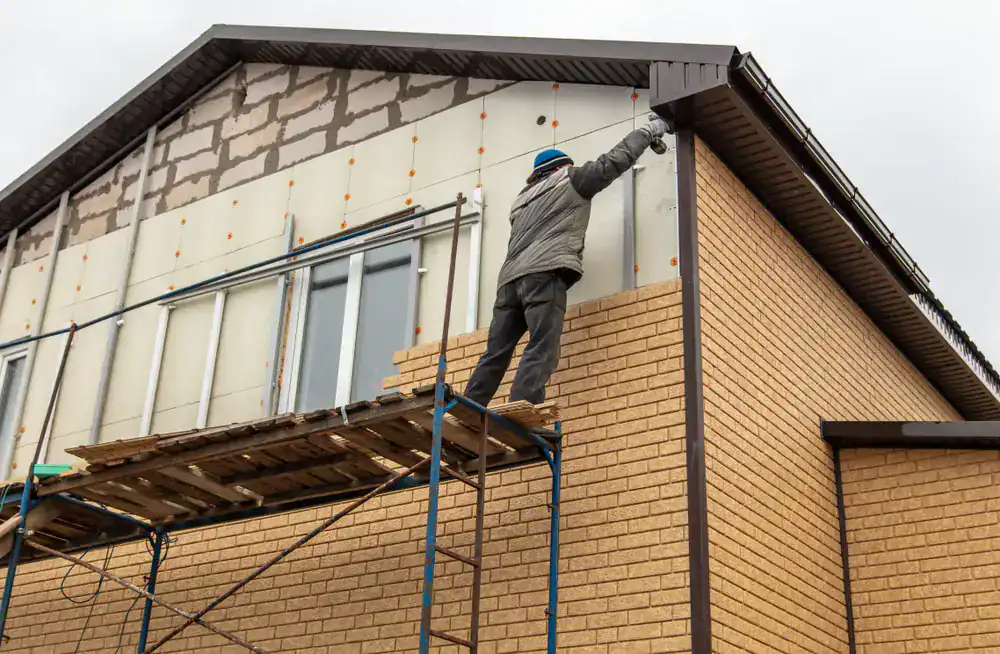
Installation is scheduled around your timeline, and our crew works clean. When the job is done, you’re not left managing a mess or chasing someone down for answers. The finished product is inspected before anyone leaves, and you have documentation of the work completed — which matters when it comes time to sell or file a claim.

Ready to get started?
Vinyl Siding Contractors in Matawan, NJ
Not every home in Matawan needs the same solution. A 1960s colonial on Lloyd Road and a 1940s Cape Cod near Matawan Creek are dealing with different exposure levels, different structural conditions, and different budget realities. The material recommendation you get should reflect your specific home — not a one-size-fits-all default.
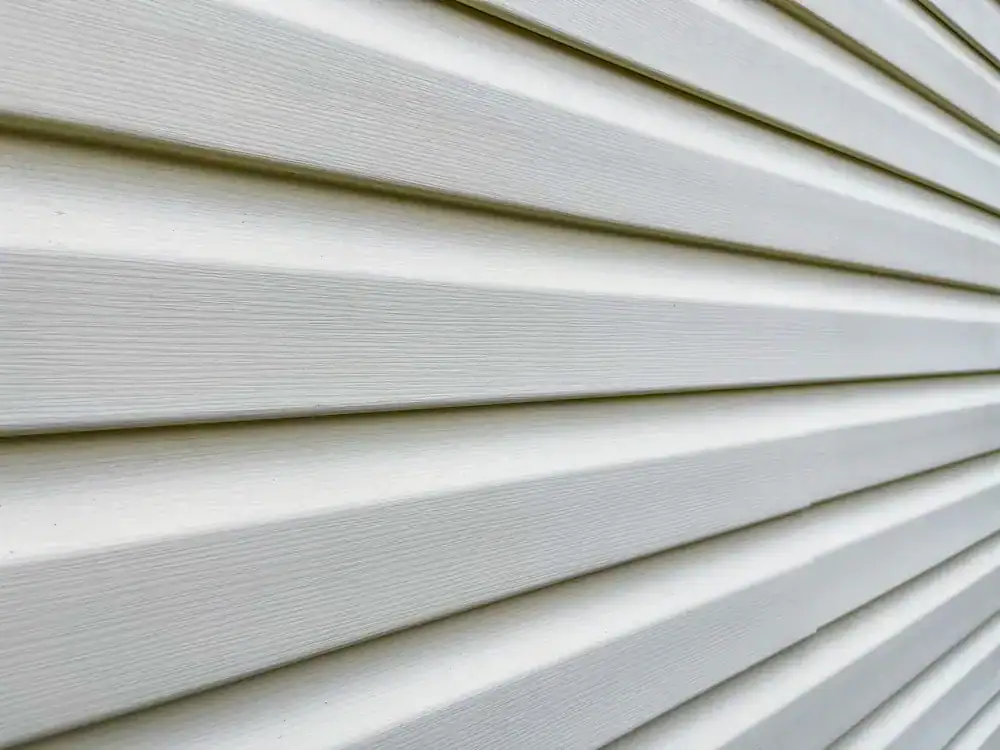
Vinyl siding is the most common choice, and for good reason. It’s low maintenance, cost-effective, and holds up well in New Jersey’s freeze-thaw cycles when it’s installed correctly with proper expansion gaps. Insulated vinyl adds a layer of thermal performance that older homes with minimal wall insulation can genuinely benefit from. For homeowners who want something more durable or are planning a long-term stay, fiber cement is worth the conversation — it handles moisture and impact better than vinyl, and it’s a stronger choice for homes closer to the bay where salt air is a real factor.
Whatever material fits your home, we install it to the same standard: proper housewrap, sealed penetrations, and manufacturer-spec fastening patterns that keep the warranty intact. We’re manufacturer-certified, which means the full warranty coverage is actually available to you — something non-certified installers can’t offer. That certification isn’t a detail. On a home worth half a million dollars in today’s Matawan market, it’s a meaningful layer of financial protection.

Do I need a permit for siding replacement in Matawan, NJ?
Yes — siding replacement in Matawan requires a building permit, and the Borough of Matawan’s Construction Department is explicit about it. Every contractor submitting a permit application here must provide proof of their NJ Home Improvement Contractor registration. That’s not just a statewide best practice — it’s a specific local requirement from the borough’s own building office.
This matters more than most homeowners realize. If a contractor skips the permit, the work is legally undocumented. That creates real problems when you go to sell the home, refinance, or file a homeowner’s insurance claim tied to the exterior. We pull permits properly and protect you — not just from bad workmanship, but from the administrative headaches that unpermitted work creates down the road. Always ask any contractor you’re considering for their HIC registration number before signing anything.
How do I know if my siding needs full replacement or just repairs?
The honest answer is that you usually can’t tell from the outside alone — and that’s especially true for older homes in Matawan. If your home was built between 1940 and 1969, which covers the majority of Matawan’s housing stock, there’s a good chance the original siding or first-generation replacement is at or past the end of its useful life. Vinyl siding typically lasts 20 to 40 years. Fiber cement can go longer, but it needs proper maintenance to get there.
Signs that point toward full replacement include widespread cracking or warping, siding that’s pulling away from the wall, interior moisture or mold that tracks back to the exterior, and energy bills that have climbed without an obvious explanation. Localized damage — one or two panels after a storm, for example — is usually repairable. A free inspection takes the guesswork out of it. You get a professional assessment of your actual home, not a generic answer based on how old the house is.
What siding material holds up best against New Jersey coastal weather?
For homes in Matawan and the surrounding northern Monmouth County area, the material conversation is a little different than it is for purely inland communities. The proximity to the Raritan Bay means salt air is a factor for homes near the water, and the borough sits in the path of both coastal nor’easters and inland storm systems — a dual exposure that puts more stress on exterior cladding than most homeowners account for.
Fiber cement is the strongest performer in high-moisture, high-impact environments. It doesn’t absorb water, it resists impact from wind-driven debris, and it doesn’t corrode in salt air the way some metal trim components can. Insulated vinyl is a solid middle-ground option — it handles freeze-thaw cycles well when installed correctly and costs significantly less than fiber cement. The right answer depends on your home’s specific location, exposure level, and budget. That’s exactly the kind of conversation a free inspection is designed to start.
How long does siding installation take for a typical Matawan home?
For most single-family homes in Matawan, a full siding installation takes between three and seven days from start to finish. The range depends on the size of the home, the material being installed, what’s found once the old siding comes off, and whether any underlying sheathing or housewrap needs to be addressed before new panels go up.
Older homes — particularly those built in the 1950s and 1960s that make up a large portion of Matawan’s housing stock — sometimes reveal surprises once the exterior is opened up. Rotted sheathing, outdated housewrap, or missing insulation are all things that need to be corrected before new siding goes on. That’s not a reason to delay the project — it’s a reason to hire a contractor who will be upfront about what they find rather than covering it up and moving on. A written estimate and a clear scope of work before the job starts keeps everyone on the same page if anything unexpected comes up.
What should I look for when hiring siding contractors in Matawan, NJ?
Start with licensing. Any siding contractor working in Matawan needs to carry a valid NJ Home Improvement Contractor registration — it’s required by the borough’s own Construction Department for permit applications. If a contractor can’t produce that registration number, they can’t legally permit the work, and you have no documented protection if something goes wrong.
Beyond licensing, look for general liability insurance and workers’ compensation coverage. On-site accidents during a siding job can create financial liability for homeowners who hired uninsured crews. Ask for proof of both before anyone starts work. After that, look at the review history — not just the star rating, but what people actually said about communication, timelines, and whether the final bill matched the estimate. Manufacturer certifications are worth asking about too, because they’re the only way to unlock the full warranty coverage on the materials being installed.
When is the best time of year to schedule siding installation in Matawan?
Spring and early fall are the most popular windows in Matawan, and for practical reasons. Spring gives you a chance to assess any damage from the nor’easter season before summer heat sets in. Early fall lets you get the work done before the next round of coastal storms and freeze cycles that hit northern Monmouth County every winter. Both seasons also align with the local real estate market — homeowners preparing to list in spring or fall often prioritize exterior work first because curb appeal is one of the fastest ways to impact buyer perception.
That said, siding installation isn’t strictly seasonal. Fiber cement and engineered wood can be installed in colder temperatures without issue. Vinyl requires more care in the cold because it becomes brittle and can crack if handled improperly, but an experienced crew accounts for that. If you’re dealing with damage after a storm — and Matawan’s coastal position means post-storm repair calls are common — waiting for the “right” season isn’t always an option. A free inspection after any significant weather event is the fastest way to find out what needs to be addressed and how urgently.