
Siding Installation in Garfield, NJ
Garfield Homes Deserve More Than a Quick Reskin
Hear from Our Customers
Siding Contractors in Garfield, NJ
A lot of homes in Garfield were built between the 1940s and 1960s — and the siding on many of them is well past its useful life. What that means in practice is cracked panels, moisture working its way behind the wall, and heating bills that don’t make sense. New siding fixes the look, but more importantly, it stops the slow damage that’s been building underneath.
Garfield’s position along the Passaic River isn’t just a geographic detail — it’s a real factor in how your exterior holds up. Homes here deal with higher ambient moisture, recurring flood-adjacent conditions, and freeze-thaw cycles every winter that crack brittle panels and push water into gaps that shouldn’t exist. When we install siding correctly — with proper housewrap, tight flashing, and the right expansion allowances — it handles all of that without issue.
The difference you notice first is curb appeal. The difference that matters long-term is a home that isn’t quietly rotting behind its walls. In a market where Garfield home values have climbed significantly, protecting that investment with a properly installed exterior isn’t optional — it’s just smart ownership.
Local Siding Company in Garfield, NJ
We’ve been working on homes across Bergen County for close to ten years, with deep roots in Garfield specifically. That’s not a number we throw out to sound impressive — it means we’ve seen what happens when siding is installed without proper moisture barriers on older homes near the Passaic River, and we’ve fixed the aftermath when other contractors cut corners on jobs from Midland Avenue to the neighborhoods closer to the river.
We’re a family-run operation, which means the accountability doesn’t stop at the contract. You get written pricing upfront, a crew that shows up on schedule, and a free inspection before anything is agreed to. No pressure, no vague estimates that balloon later.
Because we handle full exterior renovations — roofing, gutters, and siding under one roof — we catch things that a siding-only contractor would walk right past. That’s not a pitch. It’s just a more complete way to work.

Residential Siding Contractors in Garfield, NJ
It starts with a free inspection — no obligation, no sales pitch baked in. We come out, look at what you’re working with, and give you an honest read on whether you need a full replacement or something more targeted. On older Garfield homes, that inspection often reveals substrate issues or missing moisture barriers that need to be addressed before new siding goes up. You’ll know exactly what we find before we talk about next steps.
From there, you get a written estimate that breaks down materials, labor, removal of the existing siding, and anything else that’s part of the scope. That number doesn’t change unless something genuinely unexpected comes up — and if it does, we talk to you before we touch it. Garfield’s Building Department requires permits for significant siding work, and we handle that process on your behalf so you’re not navigating the city’s online portal on your own.
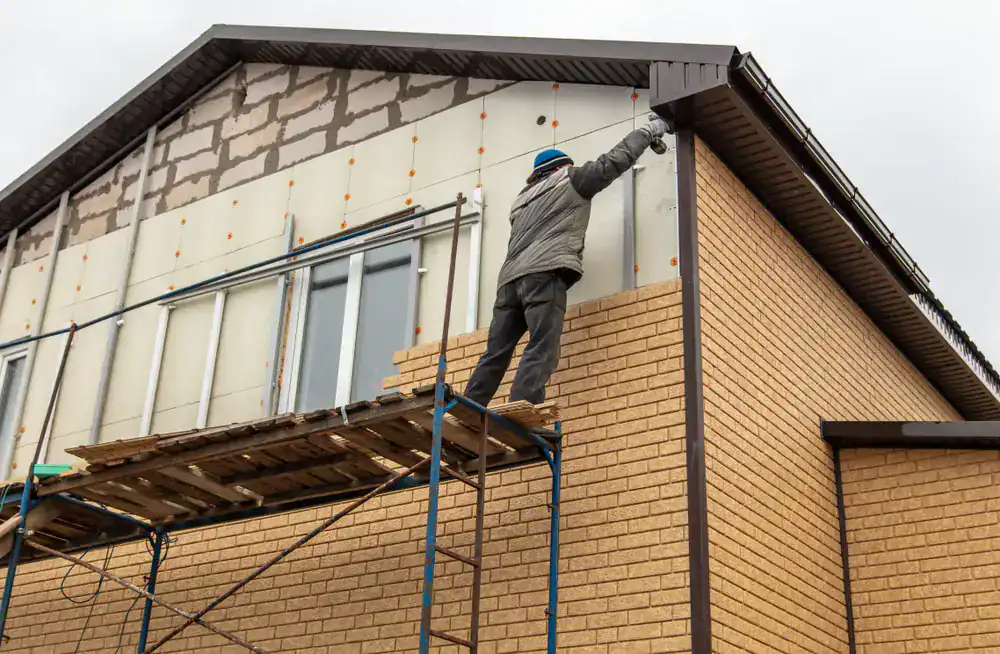
Installation is done with proper housewrap, correct flashing at every window, door, and roof-wall intersection, and fastening that follows manufacturer specs. When we’re done, you get a clean job site and a walkthrough so you can see exactly what was done and why.

Ready to get started?
Vinyl Siding Contractors in Garfield, NJ
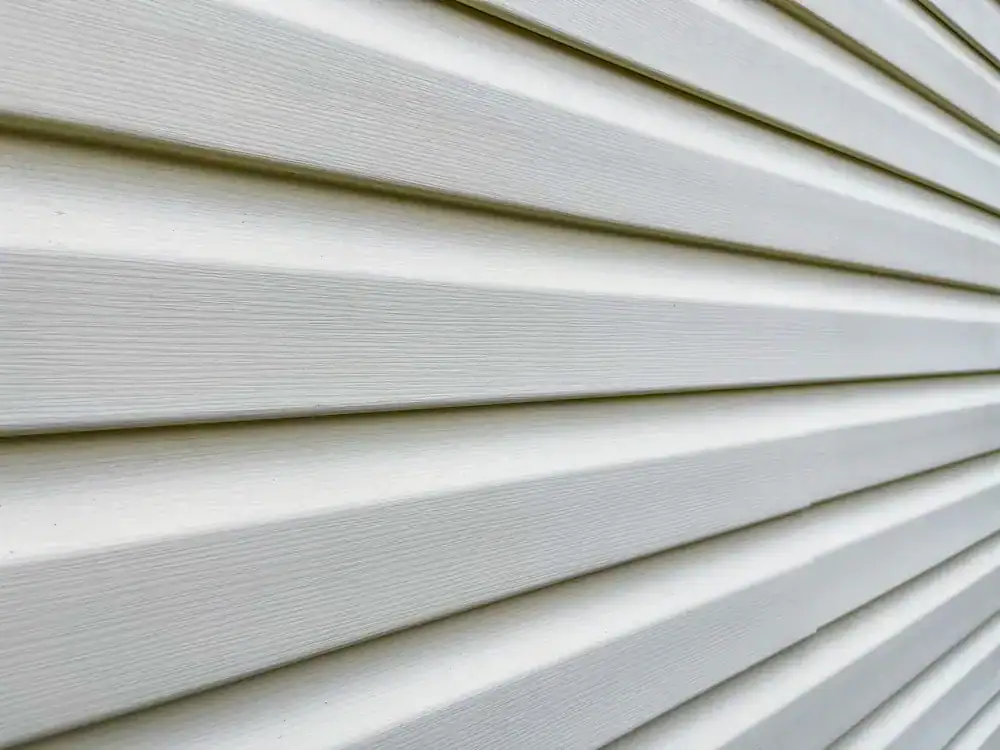
Vinyl siding is the most common choice for homes in Garfield, and for good reason — it holds up well in Northeast winters, requires minimal maintenance, and comes in a wide range of profiles and colors that work on everything from the older two-families near Route 46 to the single-family homes in the southeast neighborhoods. We install vinyl from manufacturers whose products are backed by real warranties, and because we’re certified installers, you qualify for the full coverage — not the limited version you get when the installation doesn’t meet manufacturer standards.
For homeowners who want something more substantial, fiber cement siding is worth the conversation. It handles moisture better than standard vinyl in high-exposure conditions, which is relevant for homes closer to the Passaic River corridor. It’s heavier, costs more upfront, and takes longer to install — but it doesn’t crack under freeze-thaw stress the way older vinyl does, and it holds paint for decades without the fading you see on panels that have been baking in the sun since the ’90s.
Every installation includes removal of the existing siding, a substrate inspection, proper housewrap or moisture barrier, and all trim and flashing work. What you’re quoted is what you pay — and if anything changes, you hear about it before we proceed.

Do I need a building permit for siding installation in Garfield, NJ?
In most cases, yes. Garfield’s Building Department requires a permit for siding work that involves significant replacement or anything that affects the building envelope. It’s not a formality — it’s a record that the work was done to code, which matters when you go to sell the home or file an insurance claim. Unpermitted exterior work can create real complications during a home sale, and buyers’ inspectors do look for it.
The good news is that pulling the permit isn’t your job when you work with us. We handle the application through Garfield’s online permit portal and make sure everything is filed correctly before work begins. If your home falls under Garfield’s Historic Preservation ordinance — which applies to a subset of properties in the city — there may be additional review requirements, and we’ll flag that early so there are no surprises.
How do I know if my siding needs to be fully replaced or just repaired?
The honest answer is that it depends on how far the damage has gone — and a lot of homeowners in Garfield don’t know until someone actually looks. Cracking, fading, and warping are visible signs, but the more serious issue is what’s happening behind the panels. On homes built in the 1940s through 1960s, which make up a large portion of Garfield’s housing stock, the original moisture barriers are often absent or completely degraded. That means water has been getting in for a long time, and the substrate underneath may be compromised even if the siding itself looks passable from the street.
That’s exactly why we offer a free inspection before any conversation about scope or pricing. We look at what’s actually going on — not just the surface — and give you a straight answer. If repair makes sense, that’s what we’ll recommend. If the damage has reached the point where patching is just delaying the inevitable, we’ll show you why and let you decide.
What siding material holds up best in New Jersey's winters and wet conditions?
For most homes in Garfield, quality vinyl siding is the practical choice — it handles freeze-thaw cycles well when installed correctly, doesn’t require repainting, and comes in profiles that work on the older architectural styles common throughout the city. The key phrase there is “installed correctly.” Vinyl that’s fastened too tight doesn’t have room to expand and contract with temperature swings, which leads to buckling and cracking within a few years. That’s an installation problem, not a material problem.
For homes with higher moisture exposure — particularly those closer to the Passaic River — fiber cement is worth considering. It doesn’t absorb water the way wood-based materials do, it holds up better under repeated moisture stress, and it doesn’t become brittle in cold weather the way older vinyl panels do. It costs more and takes longer to install, but in the right situation, the long-term performance justifies it. We’ll give you a clear comparison based on your specific home and location, not a one-size-fits-all recommendation.
How long does siding installation typically take on a Garfield home?
For a standard single-family home in Garfield, most siding installations are completed in two to four days. Larger homes, multi-family properties, or jobs that involve significant substrate repair can run longer. The permit process through Garfield’s Building Department adds some lead time before work can begin, which is another reason it’s worth getting the inspection and estimate done sooner rather than later — especially heading into spring or fall, when contractor schedules in Bergen County fill up fast.
Weather is a real factor in the Northeast. Vinyl installation requires some care in temperatures below freezing because the material is more brittle and harder to work with cleanly. We schedule around that where we can, and we’ll be upfront with you if conditions on a given day aren’t right for the work. Fiber cement can be installed year-round with proper technique, so if you’re working on a tighter timeline heading into winter, that’s worth factoring into your material decision as well.
What does siding installation cost for a home in Garfield, NJ?
For a typical single-family home in Garfield, vinyl siding installation generally runs between $8,000 and $18,000 depending on the size of the home, the profile and grade of material selected, and whether there’s substrate work that needs to happen before the new siding goes up. Fiber cement comes in higher — usually $15,000 to $25,000 or more for a full installation — because the material itself costs more and the labor is more involved.
Those ranges exist because every home is different. A smaller two-story on a standard Garfield lot is a different job than a larger home with multiple dormers, complex trim details, or a substrate that needs repair before anything else can happen. The only way to get a number that actually means something is to have someone look at your specific home. That’s what the free estimate is for — and the number you receive is the number we stand behind in writing.
How do I find a licensed siding contractor in Garfield, NJ I can actually trust?
New Jersey requires all home improvement contractors to be registered with the NJ Division of Consumer Affairs under the Home Improvement Contractor program. That registration isn’t optional — it’s a legal requirement, and it gives you real recourse under the Consumer Fraud Act if something goes wrong. Before you hire anyone for siding work in Garfield, ask for their NJ HIC registration number and verify it. It takes two minutes on the state’s website and tells you immediately whether you’re dealing with a legitimate operation.
Beyond licensing, look at how long they’ve been working in the Bergen County market, whether they carry general liability and workers’ compensation insurance, and what their reviews actually say — not just the star rating, but what homeowners describe about the process. In a city like Garfield, a contractor who does good work builds a reputation through real homeowner outcomes, not marketing. That’s the standard we hold ourselves to, and it’s the standard worth applying to anyone you’re considering for this kind of investment.