
Roofer in Washington, NJ
Warren County Winters Don't Forgive a Weak Roof
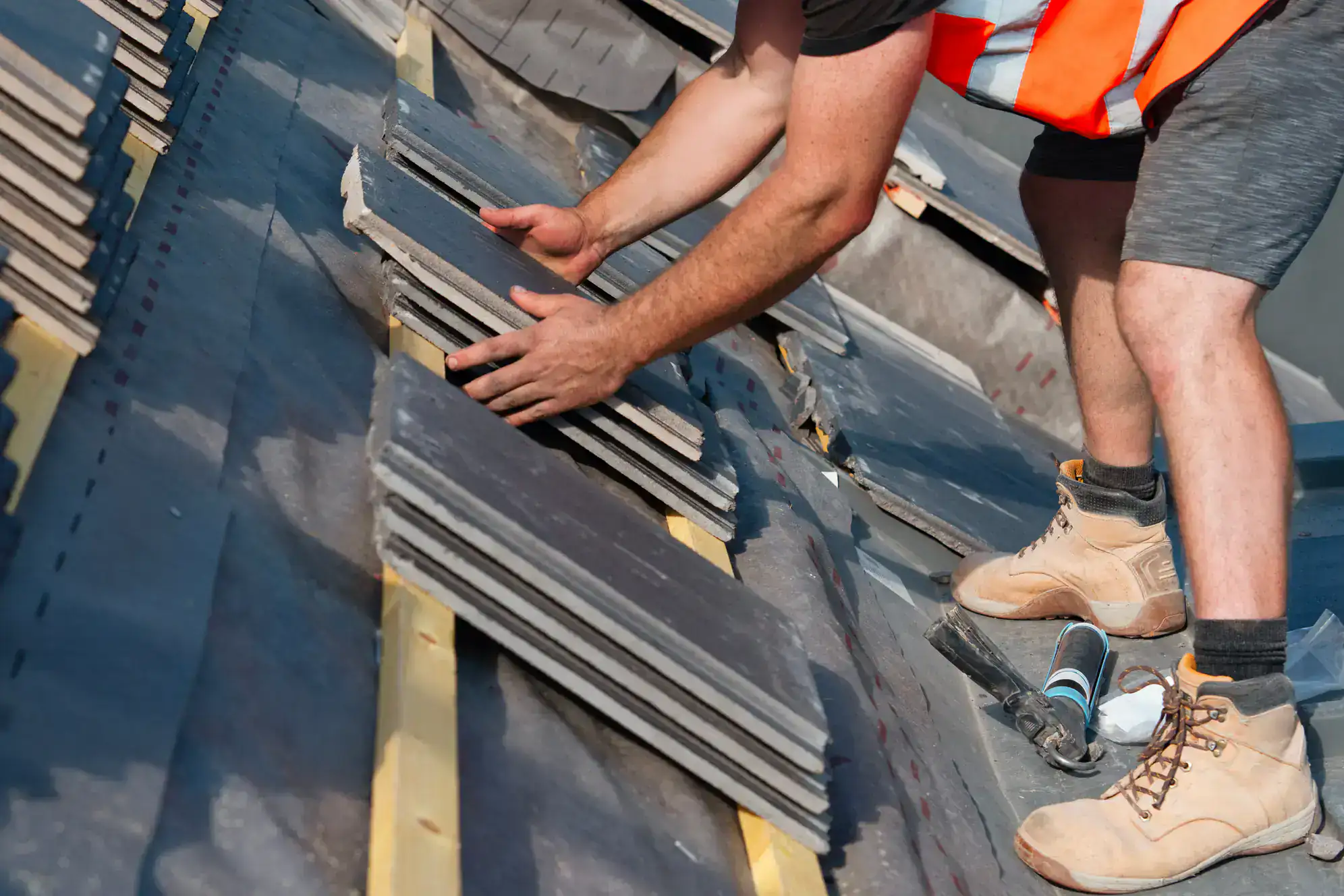
Hear from Our Customers
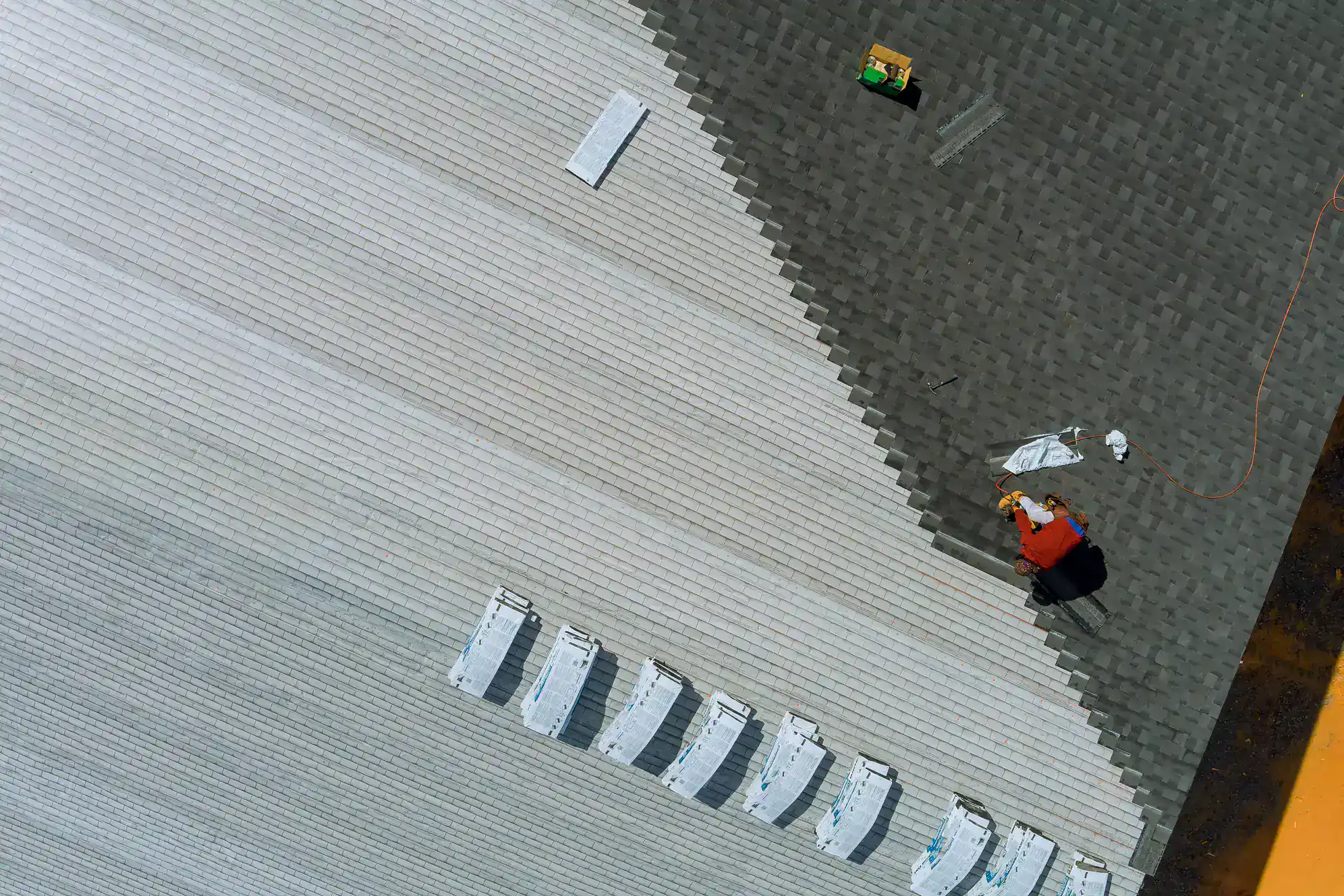
Local Roofing Company in Washington, NJ
A properly installed roof in Washington isn’t just about keeping water out — it’s about not having to think about your roof every time the forecast shows snow. When the work is done correctly, with the right materials and the right installation standards, you stop getting the call from your ceiling. The anxiety around every nor’easter goes away. That’s the real outcome.
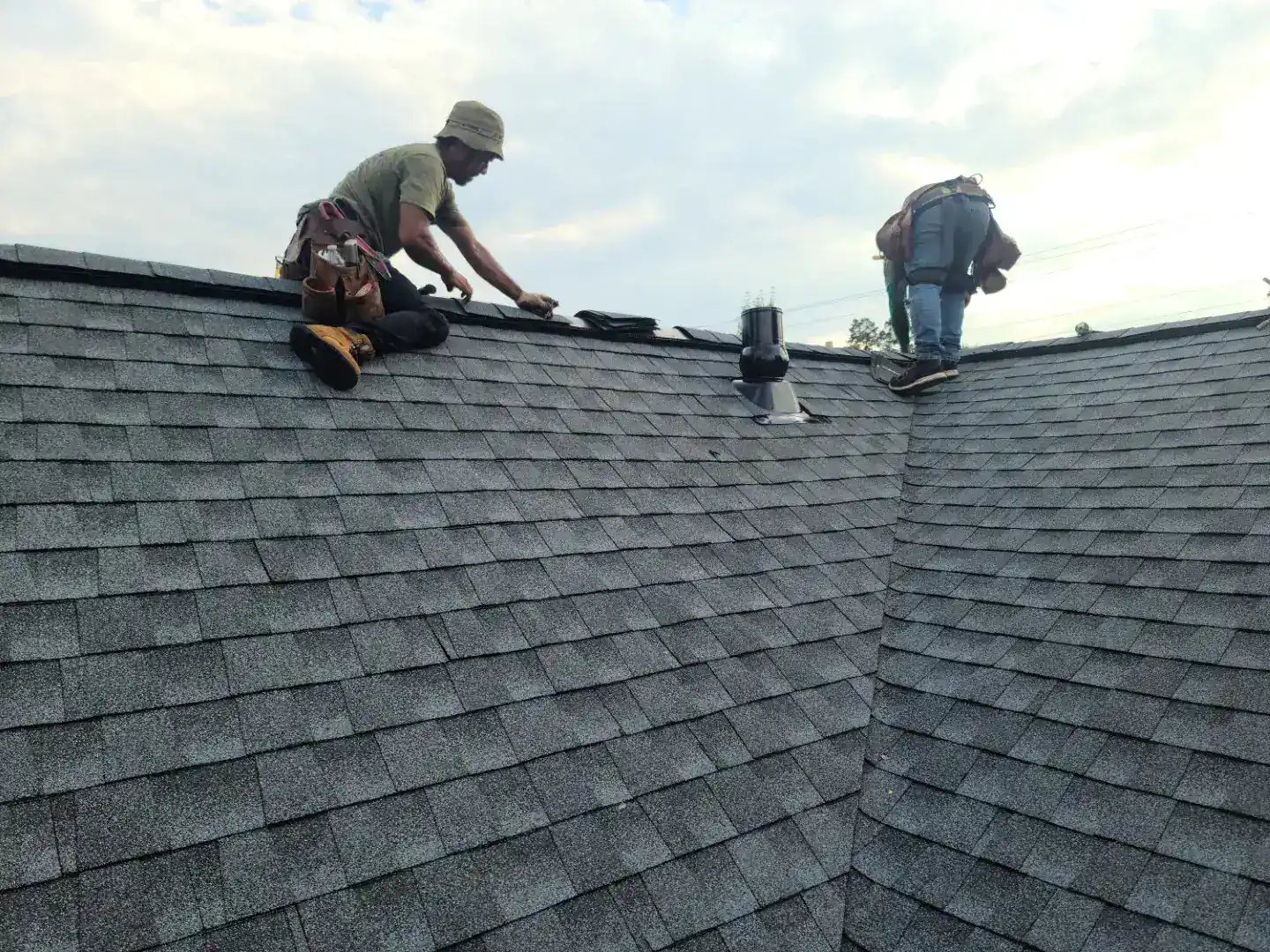
Washington’s housing stock is older than most of New Jersey. The Victorian homes along West Washington Avenue, the Cape Cods and ranches built in the 1950s and 60s — these aren’t simple rooflines. They have dormers, steep pitches, aging flashing around chimneys, and decades of previous repairs layered underneath. When a certified contractor works on a home like that, we’re not just swapping shingles. We’re assessing what’s underneath, making sure the deck is sound, and ensuring the ventilation is doing what it needs to do so ice dams don’t form along your eaves come January.
The manufacturer certifications we hold aren’t just a credential on a website. They unlock enhanced system warranties — some up to 50 years — that a non-certified contractor simply cannot offer you. In a market where the average Warren County home is over 50 years old and the winters are genuinely demanding, that kind of long-term protection isn’t a luxury. It’s the whole point.
Roofing Company in Washington, NJ
We’ve been doing exterior renovation work across New Jersey for over ten years. We’re family-owned, fully licensed under NJ Home Improvement Contractor License #13VH10605800, and certified by major shingle manufacturers — credentials you can verify directly through the NJ Division of Consumer Affairs before you ever pick up the phone.
Washington Borough is Warren County’s county seat, and the homes here reflect that history. From the ornate Victorian mansions near downtown to the mid-century neighborhoods within walking distance of Warren Hills Regional Middle School, this isn’t a town of cookie-cutter builds. The work requires experience, and the homeowners in Washington ask the right questions. That’s exactly the kind of client we’re built for.
Our approach is straightforward: free inspection, honest assessment, clear pricing before anything starts, and no pressure to move forward until you’re ready. If something unexpected comes up during the job, you hear about it before we act on it.
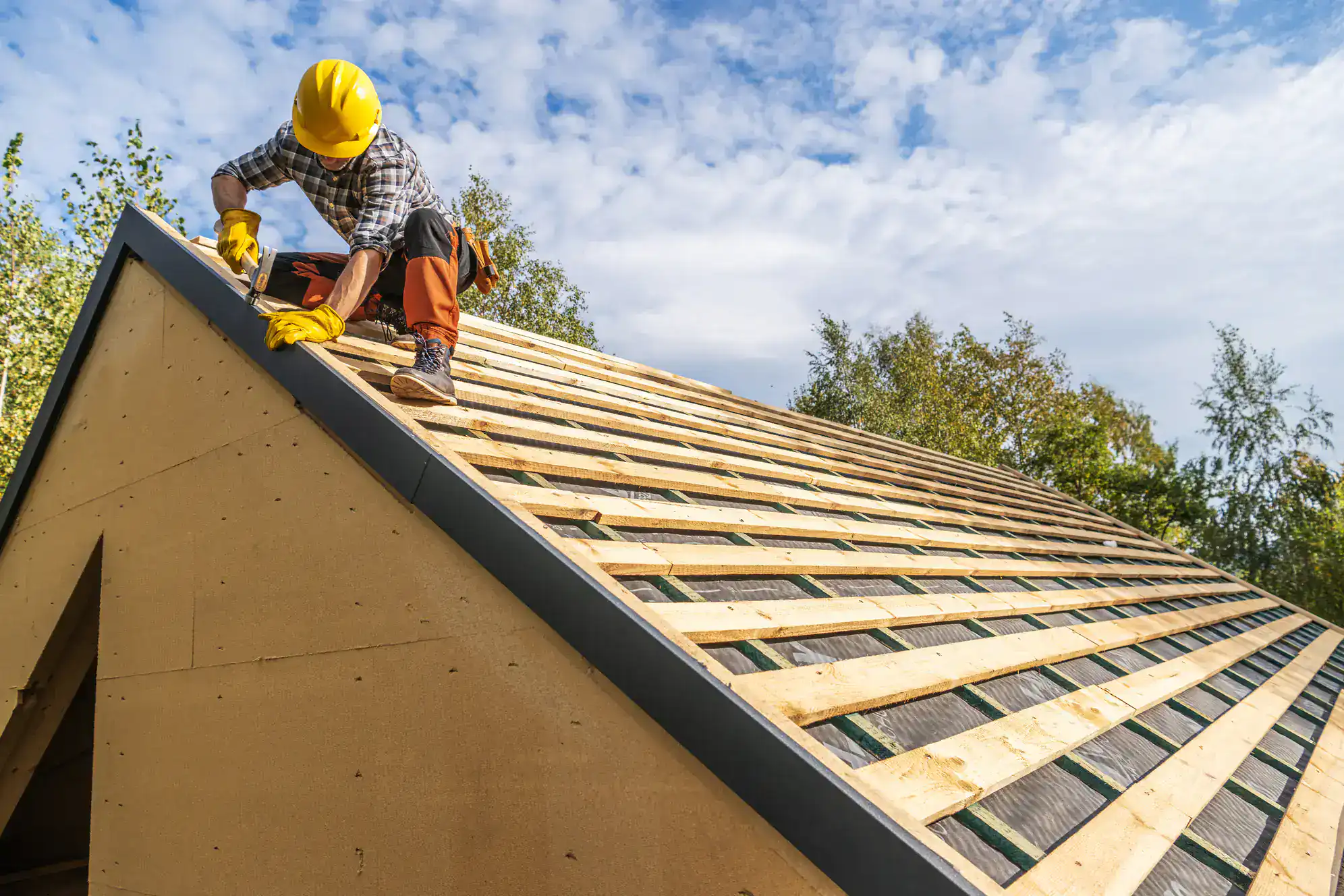
Emergency Roof Repair in Washington, NJ
It starts with a free inspection. A trained technician gets on the roof, checks the attic, examines the flashing, looks at drainage — and then gives you a detailed photo report of what we found. No verbal summary you’ll forget by the next day. An actual document with real photos, so you know exactly what you’re dealing with.
From there, you get a clear estimate. Not a ballpark. Not a range that doubles once work begins. A written scope with pricing you approve before a single nail goes in. In Washington Borough, all roofing work requires a permit through the Washington Township Code and Construction Office on Route 31 North — and we handle that process as part of the job. You don’t have to chase paperwork or wonder if the work is on record.
Once the job starts, the timeline is communicated upfront. Warren County’s shoulder seasons — late spring and early fall — are the most common windows for full replacements, but we handle repairs year-round. If a storm comes through and your roof takes damage in the middle of February, our 24/7 emergency line is there. The crew shows up, secures what needs to be secured, and walks you through the next steps without the chaos.
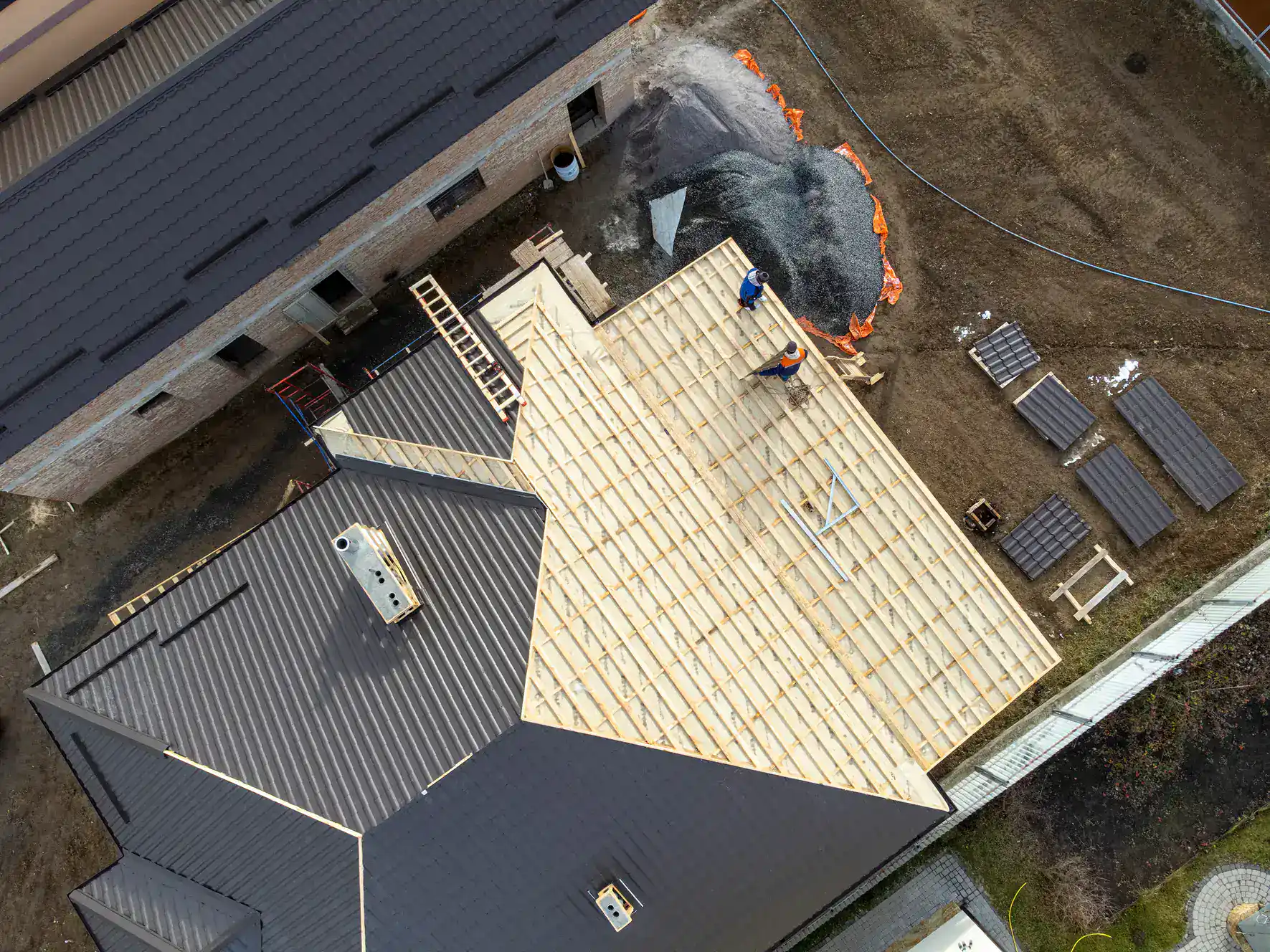
Ready to get started?
Affordable Roofers in Washington, NJ
Roofing in Washington isn’t one-size-fits-all. A Victorian on West Washington Avenue with steep gables, ornate dormers, and a century of history behind it needs a completely different approach than a 1960s ranch three blocks away. We handle both — full replacements, repairs, flat roofing, TPO, EPDM systems, and everything in between — for residential and commercial properties across Warren County.
Every job includes a thorough inspection of the decking, flashing, and ventilation before new material goes down. This matters especially in Washington, where older homes frequently have inadequate attic ventilation — one of the primary causes of ice dam formation. Ice dams aren’t just a winter inconvenience; they force water back under shingles and into the structure, causing the kind of moisture damage that doesn’t show up until it’s expensive. Addressing ventilation as part of the roofing job is how you prevent that from happening again.
Siding and gutter work are also available, which matters because a new roof paired with failing gutters or compromised siding is an incomplete solution. If water is being directed toward your foundation instead of away from it, the roof alone won’t fix the problem. We can assess the full exterior in a single visit — one contractor, one conversation, one coordinated project.
Do I need a permit for roof replacement in Washington, NJ?
Yes — roofing work in Washington Borough requires a permit through the Washington Township Code and Construction Office, located at 211 Route 31 North. This applies to full replacements and, in many cases, significant repair work as well. The permit requirement exists under the New Jersey Uniform Construction Code, which governs all construction activity statewide.
This isn’t a bureaucratic inconvenience — it’s protection for you as the homeowner. Unpermitted roofing work can create serious problems at resale, especially in Washington where older housing stock already faces appraisal and financing scrutiny. It can also affect your homeowner’s insurance coverage if a claim is tied to work that wasn’t inspected. We pull the permit as part of the job. You don’t have to coordinate that separately or worry about whether the work is on record.
How do I know if my roof actually needs to be replaced or just repaired?
The honest answer is that you usually can’t tell from the ground. What looks like a few missing shingles from the driveway can sometimes be covering a deck that’s been absorbing moisture for years. And what looks like a serious problem from outside occasionally turns out to be a localized repair. The only way to know is a proper inspection — not a glance from a ladder, but a full assessment that includes the attic.
In Washington, where homes average over 50 years old and annual snowfall runs around 32 inches, the damage pattern is different than in warmer or newer-construction markets. Freeze-thaw cycling puts stress on flashing and sealants year after year. Ice dams can push water into areas that don’t dry out until spring. If your roof was installed more than 20 years ago and hasn’t been professionally inspected since, a free inspection is the right first step — not a commitment to replace anything, just a clear picture of where things actually stand.
What causes ice dams, and is my Washington home at risk?
Ice dams form when heat escaping from your living space warms the roof deck, melts the snow sitting on it, and that meltwater runs down to the cold eaves where it refreezes. Over time, the ice buildup forces water back under the shingles and into the structure. By the time you see a water stain on your ceiling, the damage has usually been happening for a while.
Washington Borough’s climate makes this a real and recurring risk — not a rare event. The area averages around 32 inches of snow annually, and the temperature swings between day and night in Warren County can be significant. Older homes, particularly the Victorian and mid-century stock that defines much of Washington’s residential neighborhoods, were often built before modern insulation and ventilation standards existed. The fix isn’t just a new roof — it’s making sure the attic insulation and ventilation are doing their job so the heat doesn’t escape in the first place. A proper roofing inspection covers this as part of the assessment.
How long does a roof replacement typically take?
For a standard single-family home, most full replacements are completed in one to two days once the job starts. The prep work — inspection, estimate, material ordering, permit — happens beforehand, so when the crew arrives, the timeline is already mapped out.
That said, older homes in Washington can add complexity. A Victorian with multiple dormers, steep pitches, and intricate flashing details around chimneys takes longer than a straightforward ranch. If the inspection reveals damaged decking underneath the existing shingles, that adds time as well — but you’ll know about it before it happens, not as a surprise mid-project. Weather is also a real factor in Warren County. Full replacements are typically scheduled outside of winter for good reason, but we handle repairs and emergency work year-round. The crew is equipped for it, and our 24/7 availability means a storm in January doesn’t leave you waiting until spring to get a response.
What roofing materials work best for homes in Warren County's climate?
Architectural asphalt shingles are the most common choice for residential roofing in Warren County, and for good reason — they’re durable, cost-effective, and when installed correctly with proper underlayment and ice-and-water shield, they hold up well against the freeze-thaw cycles and above-average snowfall Washington gets every winter. The key word is “correctly.” The material is only as good as the installation.
For flat or low-slope roofing — which shows up on some of Washington’s older commercial buildings and certain residential additions — TPO and EPDM systems are the standard. They’re designed for low-slope applications where water drainage is slower and standing water is a real concern. We handle both systems. If you’re not sure what category your roof falls into, the free inspection will tell you. There’s no single right answer for every home — the recommendation depends on your roof’s geometry, your home’s age, and what your budget and long-term goals look like.
Why should I choose USA Home Remodeling over a local Washington-area roofer?
That’s a fair question, and the honest answer is: you should compare both. Washington has established local contractors with long track records, and competition is good for homeowners. What we bring to that comparison is manufacturer certification — a credential that most local contractors don’t hold, and one that directly affects what warranty coverage you can get on your new roof. A certified installation can unlock manufacturer-backed system warranties that a non-certified contractor simply cannot offer, regardless of how long they’ve been in business.
Beyond that, the free inspection with a detailed photo report, transparent pricing with no mid-project surprises, and 24/7 emergency availability are all concrete things — not just language on a website. The NJ HIC License #13VH10605800 is publicly verifiable through the NJ Division of Consumer Affairs. The reviews on Google and Trustpilot are real and documented. Washington homeowners are smart, they ask good questions, and they’ve been around long enough to know the difference between a contractor who says the right things and one who actually delivers. Our track record is there to be checked.