
Roofer in Oradell, NJ
Bergen County Winters Don't Wait — Neither Should Your Roof
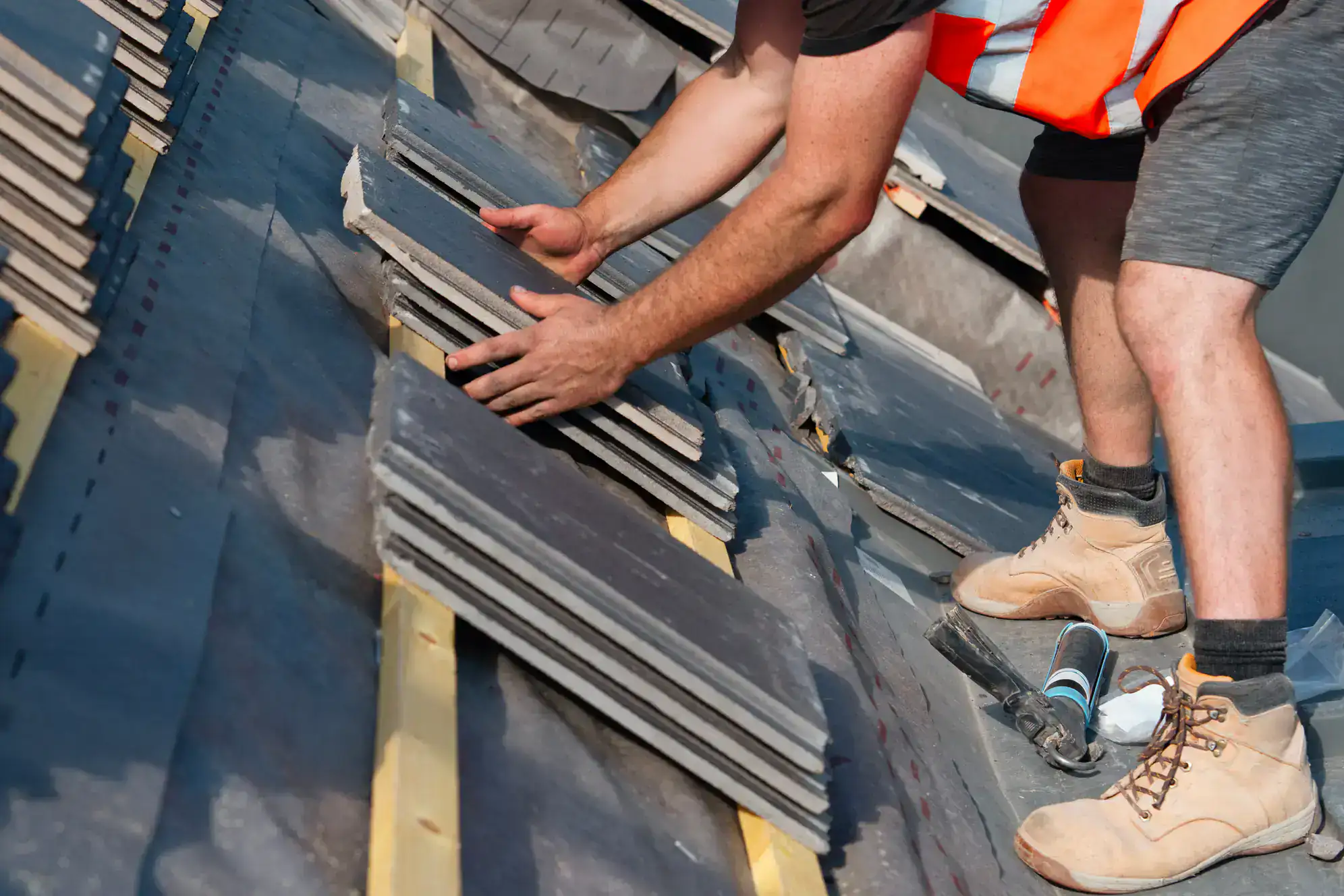
Hear from Our Customers
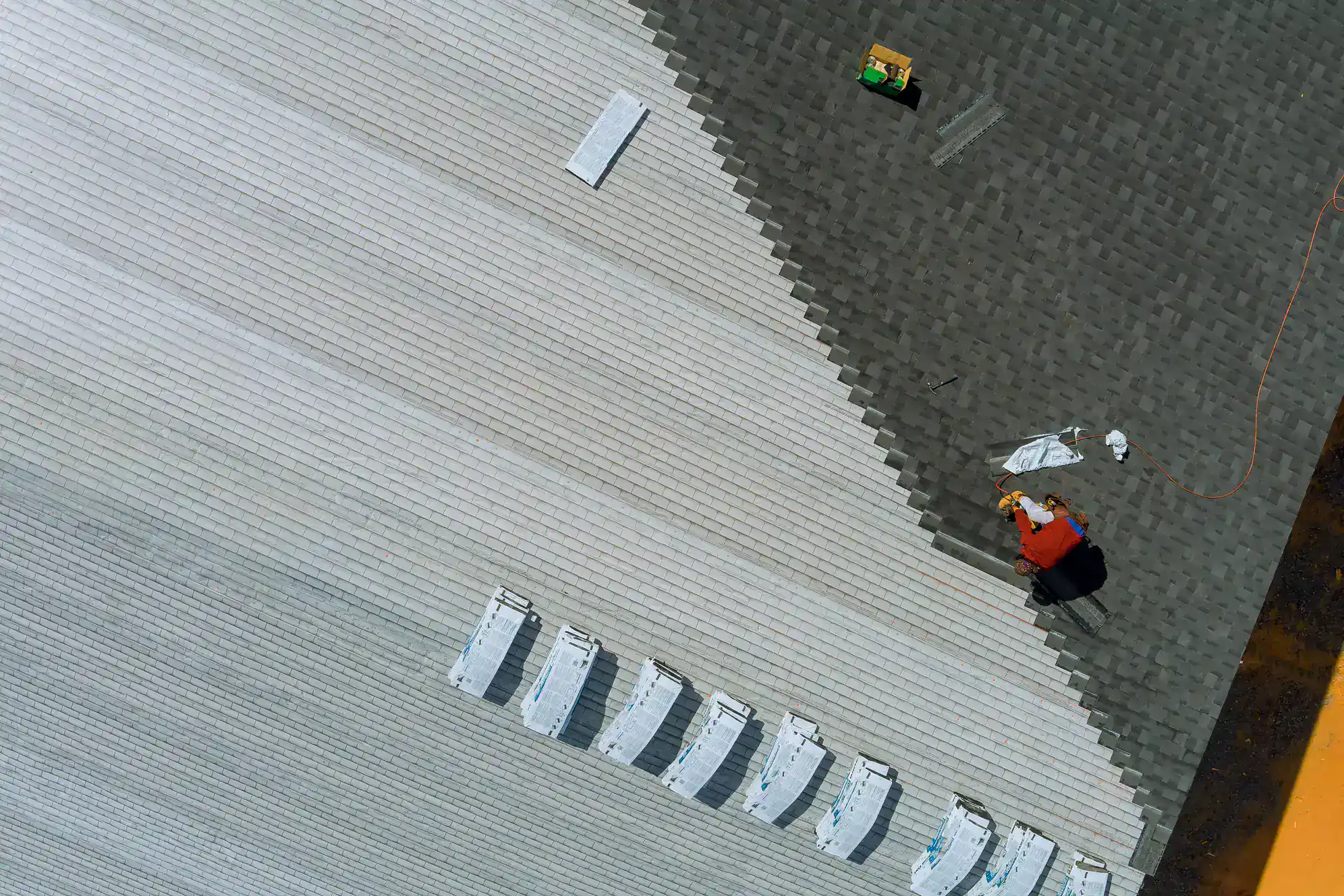
Local Roofing Company Oradell, NJ
When your roof is solid, you stop thinking about it. No more watching the ceiling after a storm rolls through, no more wondering if that dark spot in the corner of the attic is something serious. That’s what a properly installed or repaired roof gives you — not a project, but actual peace of mind.
Oradell’s housing stock tells a specific story. Most of the Colonials, Split-Levels, and Cape Cods in this borough were built between the 1940s and 1970s, which means a significant number of roofs in Oradell are at or past the 25-year mark. Add Bergen County’s freeze-thaw cycles and the ice dam risk that comes with under-ventilated mid-century attics, and you’ve got a combination that shortens roof lifespan faster than most homeowners realize.
The other thing worth knowing: with median home values in Oradell exceeding $900,000, a roof that’s been done right — with a manufacturer-backed warranty — is a transferable asset. It follows the home at resale. That’s not a small thing in a market where buyers are sophisticated and inspectors are thorough. Getting it done correctly the first time protects the investment you’ve already made.
Roofing Company in Oradell, NJ
We’ve been working with New Jersey homeowners for over ten years, including families throughout Oradell and the surrounding Bergen County communities. We hold NJ Home Improvement Contractor License #13VH10605800 — issued by the NJ Division of Consumer Affairs and searchable online in about thirty seconds. That’s not a detail buried in fine print; it’s the baseline standard every homeowner in Oradell should require before signing anything.
Beyond licensing, we carry certifications from major shingle manufacturers — credentials that unlock enhanced system warranties most roofing contractors simply can’t offer. For a homeowner in the Latchstring section or anywhere else in Oradell investing in a roof on a high-value property, that warranty distinction is real and measurable.
Our approach is straightforward: free inspection, detailed photo report, transparent estimate, and clear communication before a single nail goes in. No surprise charges mid-job. No pressure to approve something you haven’t fully understood. Just honest work, done right, with the documentation to back it up.
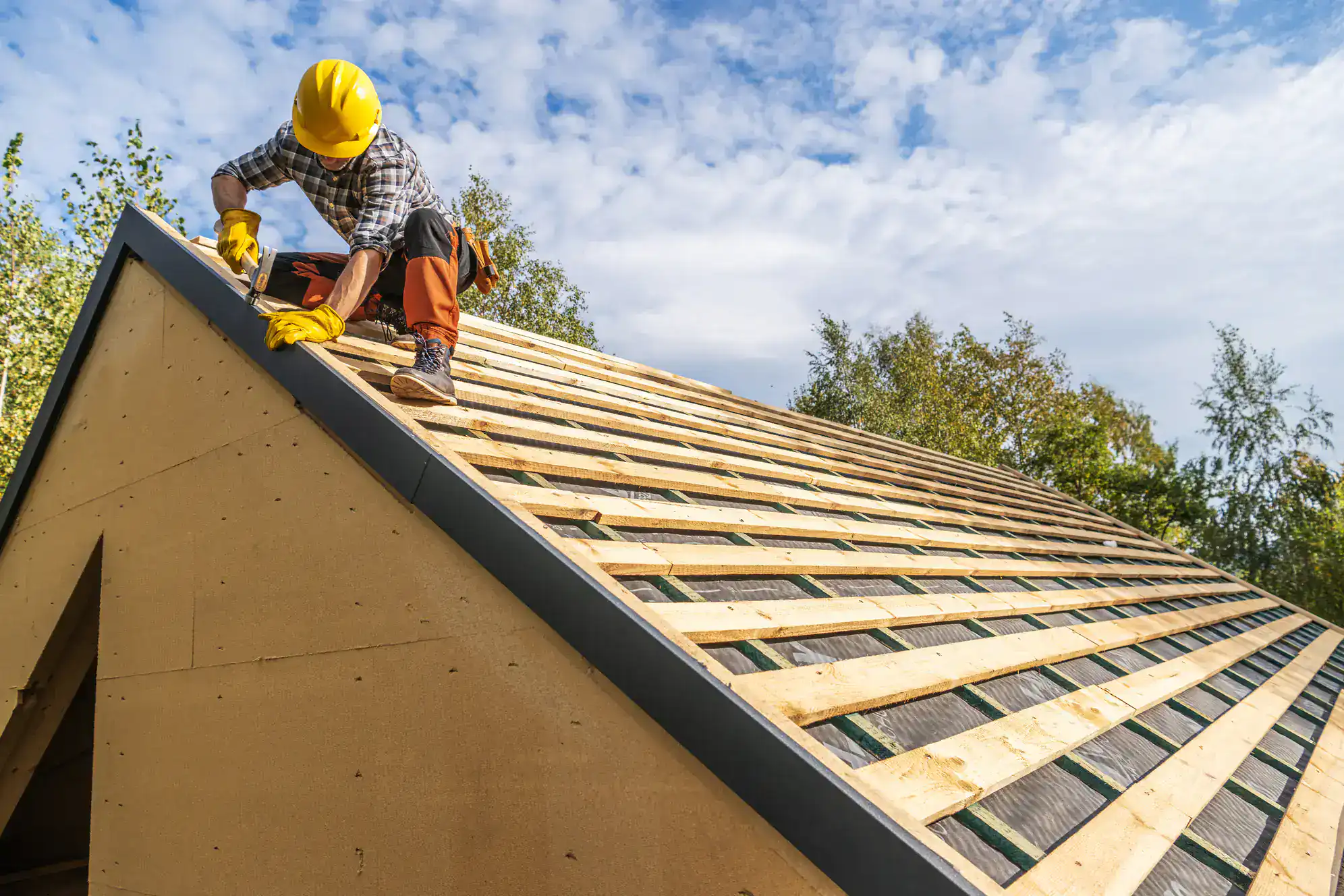
Emergency Roof Repair Oradell, NJ
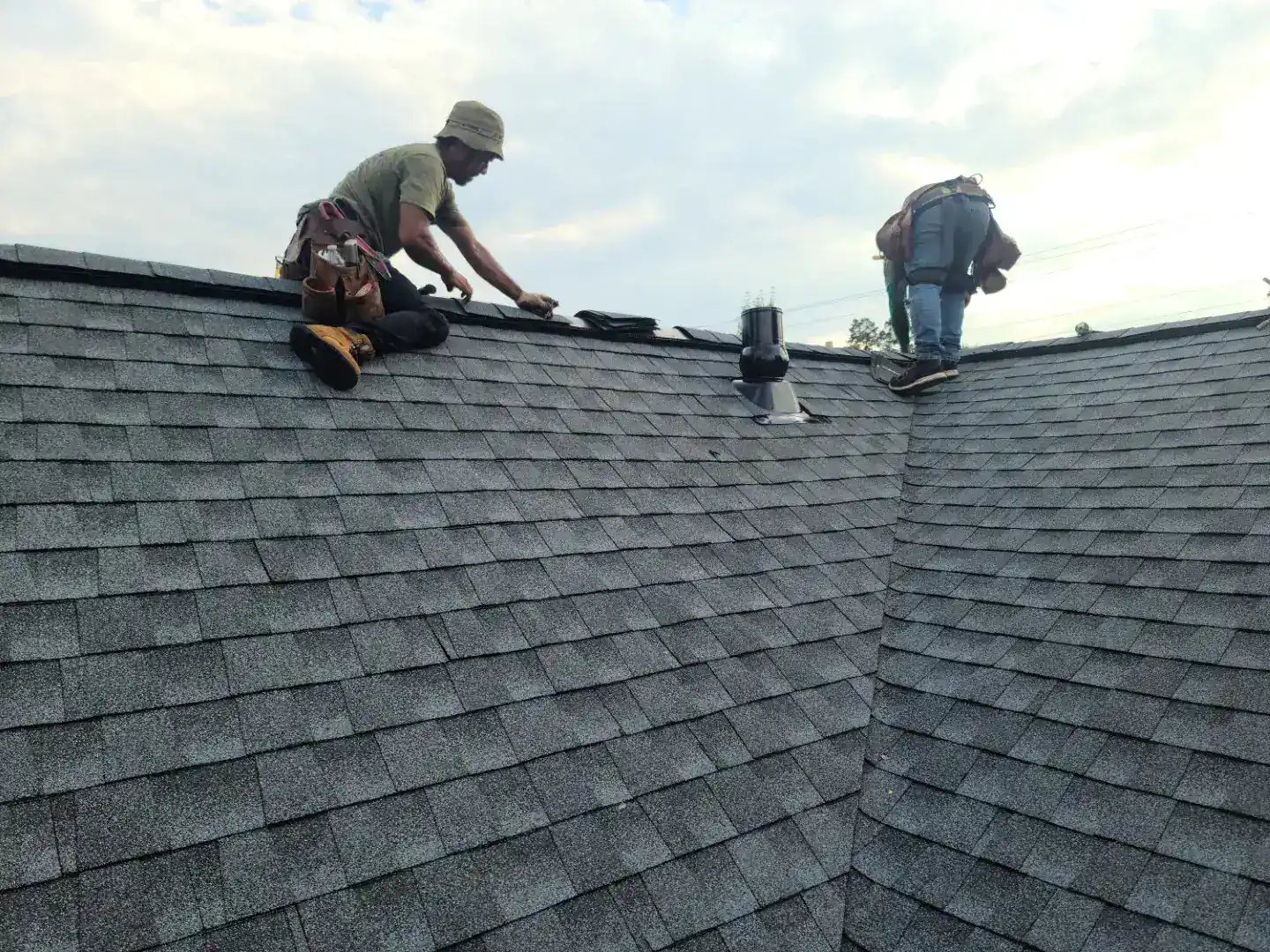
It starts with the free inspection. One of our technicians walks your entire roof — exterior surface, ridge caps, flashing, gutters, and attic ventilation — and documents everything with photos. For Oradell’s older homes, attic ventilation is one of the first things we check, because inadequate airflow is the primary driver of ice dam formation, and that’s a recurring problem in this borough every winter. You get the full report regardless of what happens next.
From there, you receive a written estimate with line-item pricing before any work is scheduled. If you’re comparing quotes — and you should be — our beat-or-match guarantee means you won’t be penalized for doing your homework. Once you approve the scope, we schedule the crew and handle the permit process with Oradell’s Building Department as part of the job. Roofing work in Oradell requires permits under the NJ State Uniform Construction Code, and we manage that process on your behalf, not hand it back to you to figure out.
If the situation is urgent — storm damage overnight, a branch through the roof during an ice event, active water intrusion — we’re available around the clock for emergency response. The first priority is stopping further damage with protective tarping and thorough documentation, which also sets you up for an insurance claim if that’s the direction you’re heading.
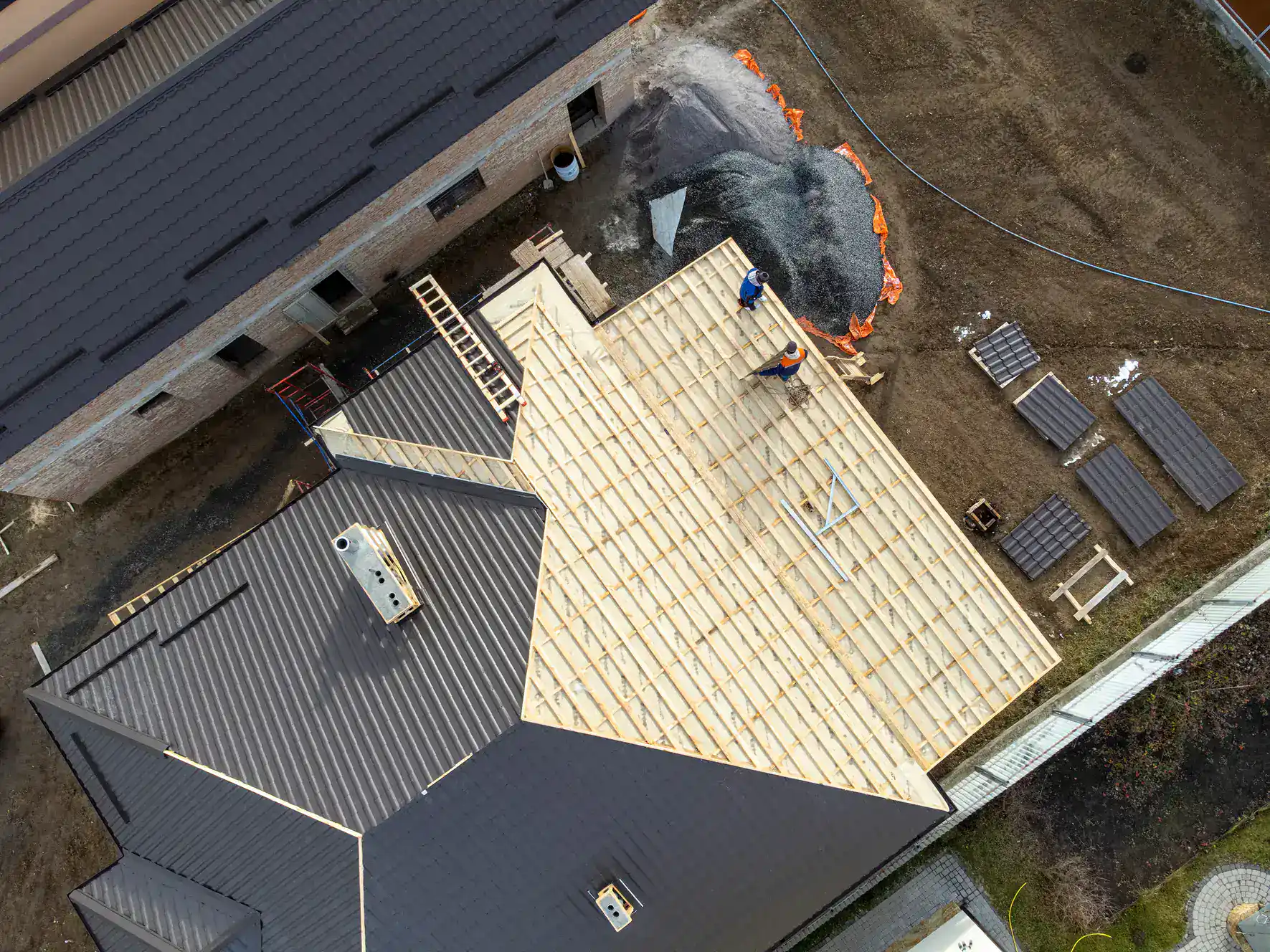
Ready to get started?
Affordable Roofers in Oradell, NJ
Our inspection covers more than what’s visible from the driveway. Ridge caps, flashing seals, soffit and fascia condition, gutter attachment, and attic ventilation are all part of the assessment — because in Bergen County’s climate, the failure points are rarely the obvious ones. Ice dams don’t announce themselves until water is already behind your walls. Flashing failures look fine from the street until the next hard rain proves otherwise.
For full replacements, our material options include asphalt shingles from major manufacturers, as well as flat roofing systems including TPO and EPDM for applicable structures. Every replacement we install follows manufacturer spec — which is what makes the enhanced system warranty available. That warranty covers both materials and labor, extends for decades, and transfers to the next owner if you sell. In Oradell’s real estate market, where buyers and their inspectors look closely at everything, that kind of documentation carries weight.
Siding and gutter work can be assessed in the same visit. For homes along Kinderkamack Road or on the shaded, tree-lined streets closer to the reservoir, gutter condition is directly tied to roof health — clogged or failing gutters accelerate edge damage and contribute to the exact ice dam conditions that cause the most interior water damage in Oradell. Catching both in one appointment is just practical.
Do I need a permit to replace my roof in Oradell, NJ?
Yes, roofing work in Oradell requires a building permit through the Borough’s Building Department, which enforces the NJ State Uniform Construction Code. This applies to full replacements and, depending on the scope, significant repairs as well. It’s not optional, and it’s not something to skip — unpermitted roofing work can create real complications when you go to sell the home, and in Oradell’s market, buyers and their attorneys tend to look closely at that kind of thing.
The permit process involves submitting an application, scheduling inspections at the appropriate stages, and receiving sign-off from the borough once the work is complete. When you work with us, this is handled as a standard part of the job — not something you’re left to navigate on your own. The permit also creates a paper trail that protects you: it confirms the work was done to code, which matters for insurance purposes and for any future sale of the property.
How do I know if my Oradell home has ice dam damage after winter?
Ice dams are one of the most common and least visible causes of interior water damage in Oradell’s older housing stock. They form when heat escaping through an under-insulated or under-ventilated attic melts snow at the roof surface, which then refreezes at the cold eaves and backs water up under the shingles. By the time you see a stain on an interior ceiling or wall, the water has usually been sitting in the structure for a while.
Signs to watch for include water stains on ceilings or upper walls, peeling paint near exterior walls on upper floors, and visible ice buildup at the roofline during or after a winter storm. In the attic, you might notice damp insulation, discoloration on the sheathing, or a musty smell that wasn’t there before. If your home was built before the 1980s — which covers a large portion of Oradell’s housing stock — there’s a reasonable chance the attic ventilation wasn’t designed to modern standards, which makes ice dam formation more likely. A free inspection after winter is the fastest way to know what you’re actually dealing with.
How long does a roof typically last on a Bergen County home?
Asphalt shingles — the most common roofing material on Oradell’s residential homes — are rated for 20 to 30 years under normal conditions. In Bergen County, “normal conditions” includes nor’easters, freeze-thaw cycling, and ice dam risk, all of which accelerate wear compared to milder climates. A roof installed in the mid-1990s on a home that’s seen a dozen significant winters since then is not the same roof it was when it was new.
The actual lifespan depends on several factors: the quality of the original installation, whether the attic is properly ventilated, how the gutters have been maintained, and whether any minor damage was caught and repaired early or left to compound. A roof that’s been well-maintained and properly ventilated can reach the upper end of that range. One that’s been neglected or was installed over an existing layer of shingles — a shortcut that was common in older Bergen County homes — may fail well before the 20-year mark. An inspection gives you the actual condition, not an estimate based on age alone.
What does a free roof inspection from us actually include?
Our inspection covers the full exterior of the roof — shingles, ridge caps, flashing at chimneys and walls, soffit and fascia, and gutter attachment points — as well as the attic interior, where ventilation, insulation condition, and any signs of moisture intrusion are assessed. Everything is documented with photos, and you receive the full report regardless of whether you move forward with any work.
For Oradell homeowners specifically, the attic ventilation check is one of the more important parts of the process. Many of the borough’s mid-century homes have had insulation added over the years without corresponding improvements to ventilation, which creates the conditions for ice dam formation. Knowing that before the next winter gives you options — whether that’s a targeted repair, a ventilation upgrade, or simply understanding what your roof’s actual risk profile looks like. There’s no obligation attached to the inspection, and there’s no pressure to approve anything on the spot.
Will homeowner's insurance cover roof damage from a nor'easter in New Jersey?
In most cases, yes — wind and storm damage from a nor’easter is covered under standard homeowner’s insurance policies in New Jersey. The key is documentation. Insurance adjusters work from evidence, and the stronger your documentation of the damage, the smoother the claim process tends to go. That means photos of the damage, a written assessment from a licensed contractor, and ideally a clear record of the roof’s condition before the storm.
Our free inspection includes a detailed photo report, which can serve directly as part of your claim documentation. If you’ve had storm damage and you’re not sure whether it rises to the level of a claim, the inspection gives you an honest assessment before you contact your insurer — which is useful, because filing a claim for minor damage that doesn’t exceed your deductible can affect your rates without any actual benefit. For significant damage from a major nor’easter event, having a licensed, documented contractor in your corner from the start makes the claims process considerably more straightforward.
How do I find a reliable local roofer in Oradell, NJ without getting burned?
Start with the license. Every home improvement contractor working in New Jersey is required to hold a valid NJ Home Improvement Contractor license issued by the Division of Consumer Affairs. You can verify any contractor’s license number on the Division’s public database in about a minute. If a contractor can’t give you a license number, that’s your answer. After major storms, unlicensed contractors circulate through Bergen County neighborhoods offering fast, cheap repairs — and the results tend to show up as failed work within a year or two.
Beyond licensing, look for manufacturer certifications, which indicate the contractor has been trained and vetted to install specific products correctly — and more importantly, can offer manufacturer-backed system warranties that uncertified contractors can’t access. Check reviews on multiple platforms, not just one. Ask whether the contractor pulls permits, because in Oradell, permitted work is code-compliant work, and that matters both for your safety and for your home’s resale value. Our license number is #13VH10605800 — look it up before you call if you want to, and do the same with anyone else you’re considering. That’s exactly the kind of due diligence a high-value property in this market deserves.