
Roofing Contractor in Washington, NJ
Warren County Winters Don't Forgive a Weak Roof
Hear from Our Customers
Roof Repair Services in Washington, NJ
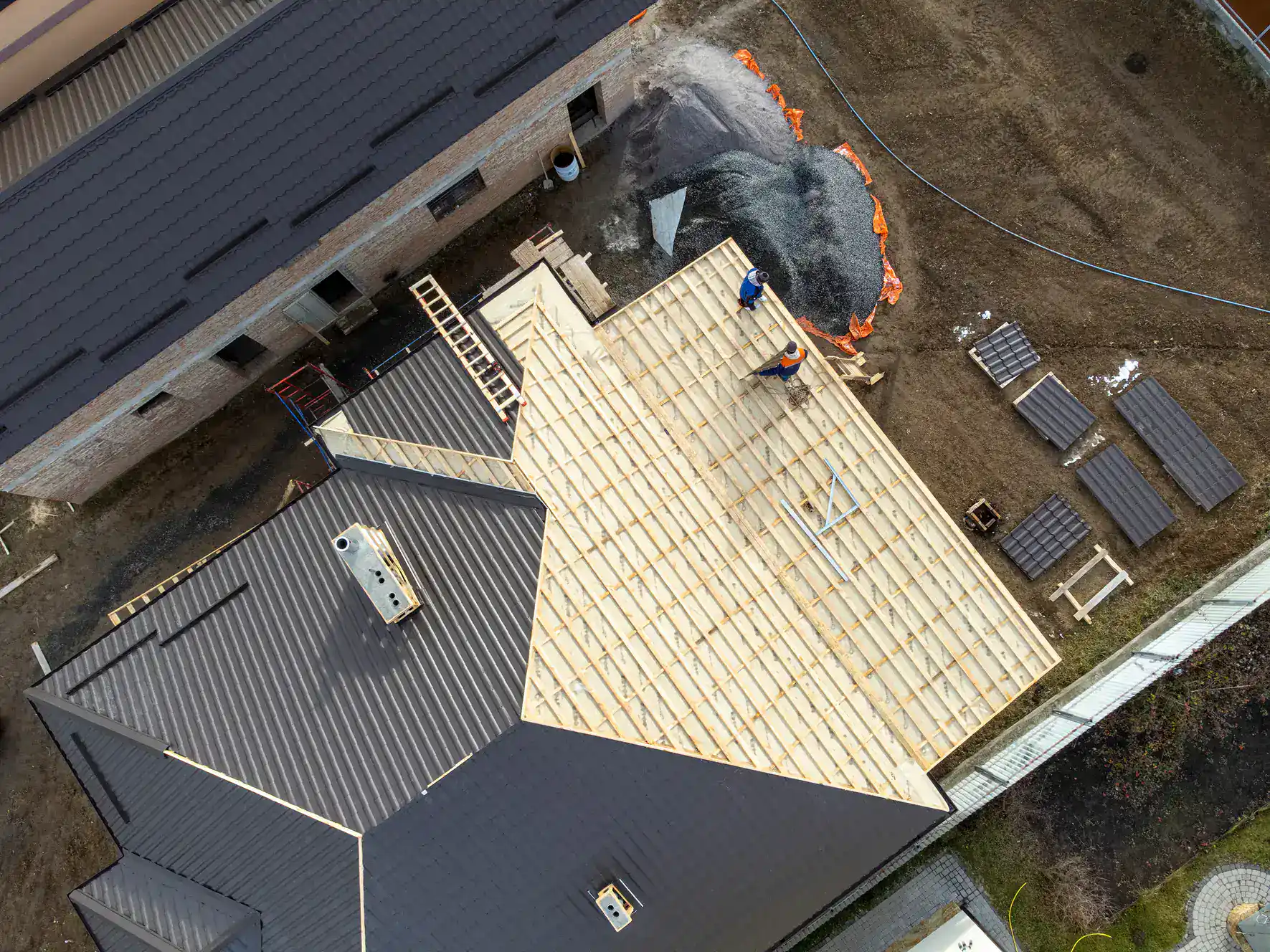
Washington, NJ sits at the base of Pohatcong Mountain, and that terrain does something to winter weather. Wind gets channeled. Snow accumulates. The freeze-thaw cycle hits harder and longer than it does in most of the state. What that means practically is that a roof installed without the right ice and water shield, proper ventilation, and quality underlayment isn’t just aging — it’s failing faster than it should.
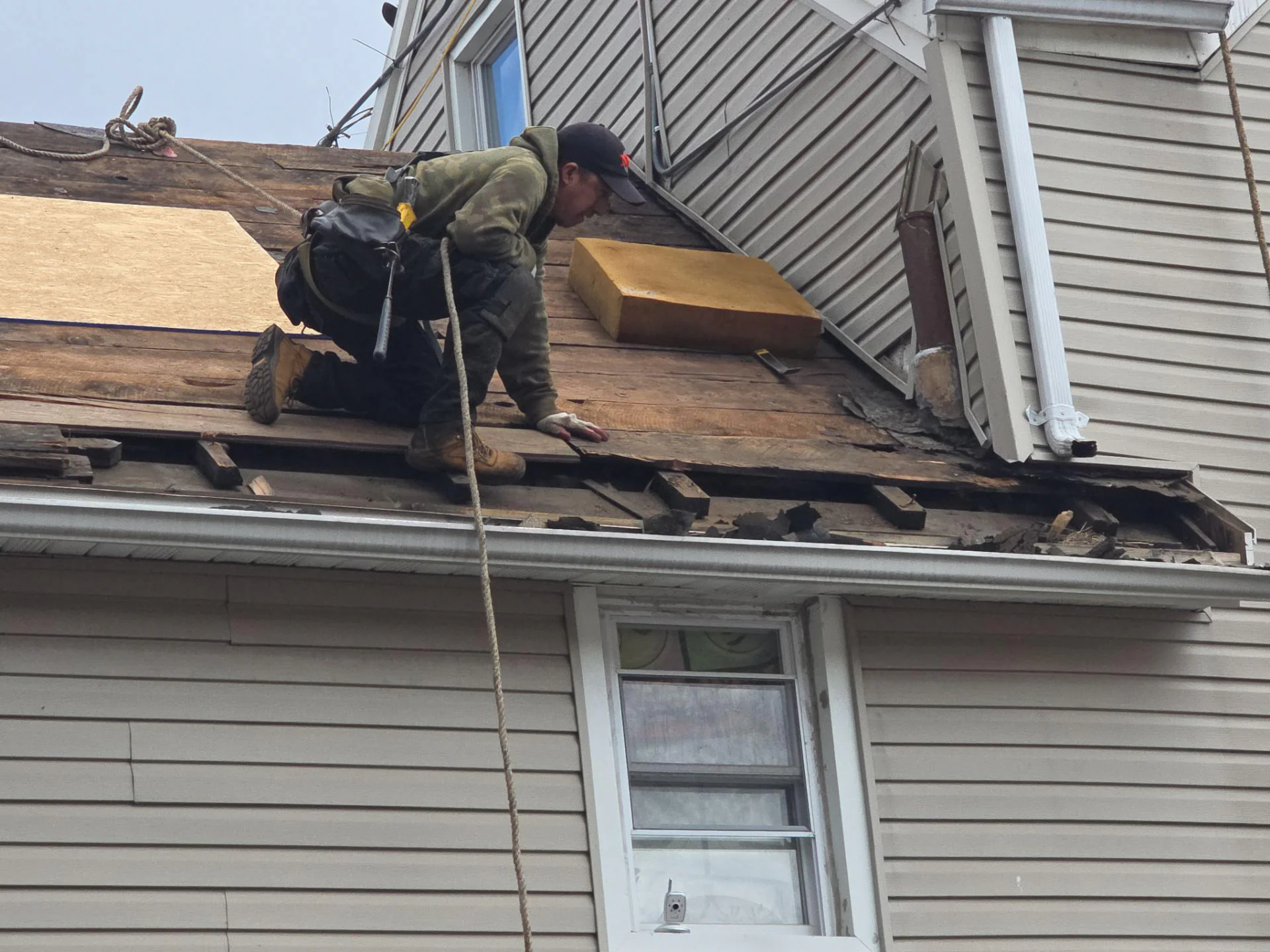
The homes in Washington Borough aren’t new. A lot of them were built decades ago, and even roofs replaced in the early 2000s are now pushing 20-plus years. At that age, in this climate, you’re not dealing with cosmetic wear. You’re dealing with cracked flashing, compromised shingle adhesion, and in some cases, hidden decking damage from ice dams that formed quietly over the last few winters and never got addressed.
Getting that fixed the right way means your home stays dry through the next nor’easter, your heating costs stop leaking out through a poorly ventilated attic, and you’re not calling someone back in three years to patch what should have been done correctly the first time. That’s the real outcome — not just a new roof, but one that actually performs in the conditions you’re living in.
Local Roofing Contractors in Washington, NJ
We’ve been working across New Jersey for over 17 years, with deep roots in Washington and the surrounding Warren County area. That’s not a number thrown out to impress you — it means we’ve been here through multiple storm seasons, housing market swings, and the kind of winters this region is known for. We’re licensed, insured, and certified by major shingle manufacturers, which matters when you’re trying to get an extended warranty that most contractors simply can’t offer.
This is a family-owned operation, which means accountability isn’t a policy — it’s personal. The work we do in Washington Borough and the surrounding Warren County area reflects directly on the people behind it. When a homeowner near the Warren Hills Regional schools or out toward Brass Castle calls with a concern after the job is done, someone picks up.
The full scope covers roofing, gutters, and siding — because in older homes, those systems fail together. Having one contractor responsible for all of it eliminates the blame-shifting that happens when three separate trades are involved.
Reputable Roofing Contractors in Washington, NJ
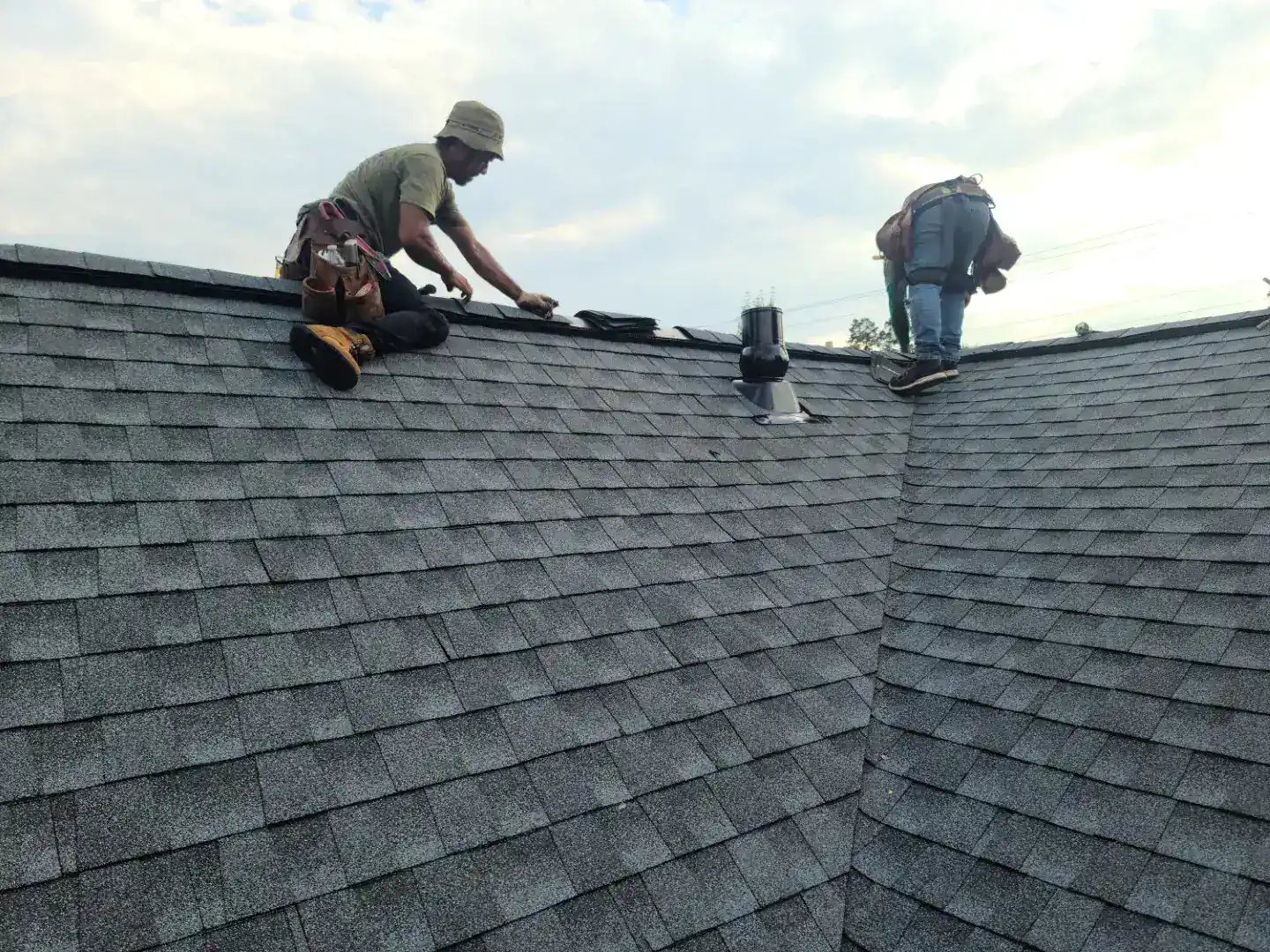
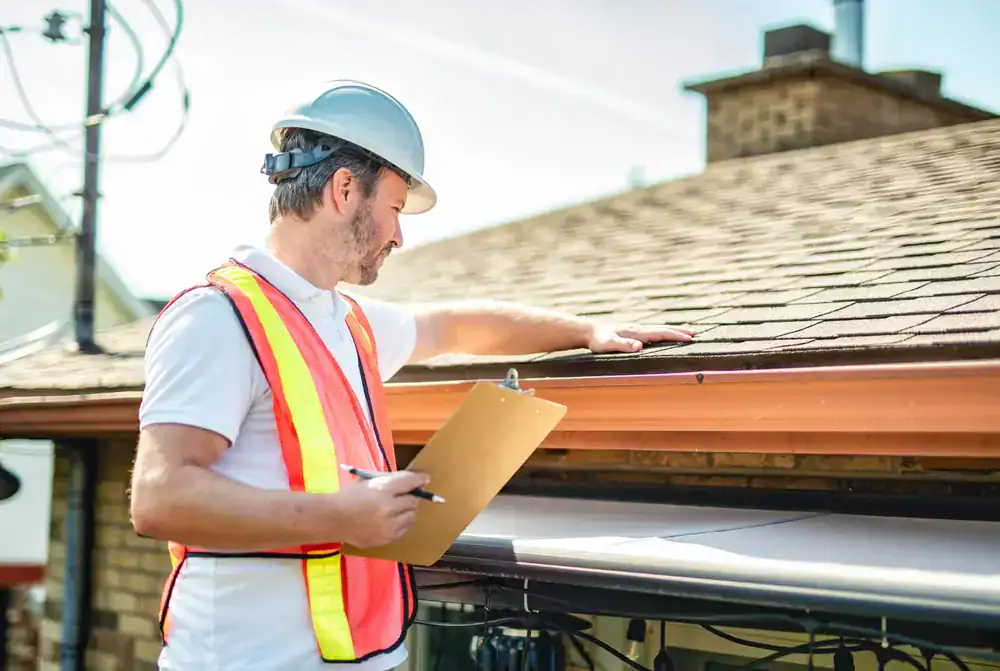
It starts with a free inspection. Not a sales visit dressed up as an inspection — an actual assessment of what’s going on with your roof. We get up there, check the shingles, flashing, ridge, valleys, and decking condition, and give you a straight answer about what needs to happen. In Washington Borough, that inspection also looks at ventilation and ice dam vulnerability, because those are the two things most likely to shorten a roof’s life in this climate.
From there, you get a clear estimate. The number you see is the number you pay. If decking damage turns up during the tear-off — which happens in older homes — it gets documented and discussed before anything moves forward, not added to the invoice after the fact.
Once the work is scheduled, permits get pulled through Washington Borough’s Construction Code office. That’s standard practice here, not optional. A permitted roof protects you legally, ensures the work is inspected, and doesn’t become a problem when you sell the home. After installation, the site gets cleaned up and a final walkthrough confirms everything was done to spec. You’ll have documentation for your warranty and a contact if anything comes up down the road.
Ready to get started?
Metal Roofing Contractors in Washington, NJ
Most Washington homeowners start the conversation asking about asphalt shingles — and that’s often the right answer. Architectural shingles with a manufacturer-backed warranty, installed correctly with proper ice and water shield at the eaves, will perform well in Warren County’s climate. The free inspection helps determine which product makes sense for your specific roof pitch, exposure, and budget.
That said, metal roofing is worth a real conversation if you’re replacing an older roof and don’t want to do it again in 20 years. Metal sheds snow more effectively than asphalt, resists ice dam formation at the eaves, and carries a lifespan of 40 to 70 years. For a homeowner in Washington Borough who’s already on their second or third asphalt roof, the math starts making sense. We install metal roofing systems with the fastening and underlayment details that determine whether a metal roof lasts a decade or a lifetime.
Beyond the roof surface itself, our service includes flashing replacement, ridge vent installation, and gutter evaluation — because a new roof tied into failing gutters is a water management problem waiting to happen. For homes dealing with siding issues at the same time, that work can be coordinated under the same contractor so nothing falls through the cracks between trades.
Do I need a permit to replace my roof in Washington Borough, NJ?
Yes, in most cases. Under New Jersey’s Uniform Construction Code, a full roof replacement — meaning a tear-off and reinstallation — requires a construction permit. Washington Borough has active construction code enforcement, and skipping the permit process isn’t just a technical violation; it creates real problems when you go to sell the home. A buyer’s inspector will flag an unpermitted roof, and resolving it after the fact is more expensive and complicated than doing it right the first time.
We pull permits through Washington Borough’s Construction Code office as standard practice on every qualifying job. That means the work gets inspected, it meets NJ UCC standards, and you have documentation that protects your investment. If a contractor tells you permits aren’t necessary for a full replacement, that’s a red flag worth taking seriously.
How do I know if I need a roof repair or a full replacement in Washington, NJ?
The honest answer is that it depends on the age of the roof, the extent of the damage, and what’s happening underneath the surface. A few missing shingles after a windstorm is a repair. Widespread granule loss, multiple areas of cracked or curling shingles, or any sign of decking damage from ice dams is a different conversation. In Washington Borough, ice dam damage is particularly tricky because the visible leak often shows up weeks after the actual damage occurred, and by then water has already worked its way into the structure.
A free inspection is the only way to know for certain. Our inspections look at the full picture — not just the surface, but the flashing, decking, and ventilation — and give you a straight answer. If a repair will solve the problem, that’s what gets recommended. There’s no incentive here to push a replacement you don’t need.
What causes ice dams, and are Washington, NJ homes at higher risk?
Ice dams form when heat escapes through the roof deck, melts snow near the ridge, and that meltwater refreezes at the cold eaves. The resulting ice buildup forces water back up under the shingles, where it finds any gap in the underlayment and enters the home. It’s one of the most common sources of hidden roof damage in northwestern New Jersey, and Washington Borough’s position near Pohatcong Mountain — with its elevation, wind exposure, and consistent snow accumulation — puts local homes at above-average risk compared to communities in central or coastal NJ.
Older homes with inadequate attic insulation or poor ridge ventilation are the most vulnerable. The fix isn’t just a better roof surface — it’s proper ice and water shield installation at the eaves, correct ventilation design, and in some cases, improving attic insulation so less heat escapes in the first place. A good inspection will identify whether your current setup is leaving you exposed before next winter makes it obvious.
Is metal roofing a good choice for homes in Warren County?
For the right home and the right homeowner, yes — and Warren County’s climate is actually one of the stronger arguments for it. Metal roofs shed snow more efficiently than asphalt shingles, which reduces the load accumulation that older roof structures in Washington Borough deal with during heavy winters. They also resist ice dam formation better when installed with the right underlayment system, and they hold up against the wind uplift forces that the Appalachian terrain around Pohatcong Mountain tends to amplify.
The lifespan argument is also real. A quality metal roof installed correctly lasts 40 to 70 years. If you’re a homeowner in Washington who has already replaced an asphalt roof once and is looking at doing it again, metal roofing changes the long-term cost equation significantly. The upfront investment is higher, but the cycle-replacement cost over the next 40 years is eliminated. It’s worth a direct conversation during the inspection to see if it makes sense for your specific home.
How much does a roof replacement cost in Washington, NJ?
For a standard residential roof replacement in New Jersey, most homeowners spend somewhere between $15,000 and $27,000, with the average landing around $20,000 to $21,000 depending on square footage, pitch, material choice, and the condition of the decking underneath. In Washington Borough, where a lot of the housing stock is older, decking replacement is more common than it is in newer construction — and that’s a factor worth accounting for in your budget conversation upfront.
Material choice also moves the number meaningfully. Architectural asphalt shingles are the most common and cost-effective option. Metal roofing carries a higher upfront cost but a significantly longer lifespan. The best way to get a number that actually applies to your home is a free inspection and estimate — because square footage alone doesn’t tell the full story. Pitch, accessibility, flashing complexity, and existing conditions all affect the final price, and you deserve to know exactly what you’re paying for before any work begins.
How do I find a reputable roofing contractor in Washington, NJ without getting burned?
Start with the basics: verify that the contractor holds a current NJ Home Improvement Contractor license, carries liability insurance and workers’ compensation coverage, and pulls permits on jobs that require them. In Washington Borough, where construction code enforcement is active, an unlicensed or permit-skipping contractor creates liability that lands on you as the homeowner — not on them.
Beyond licensing, look for manufacturer certifications. Contractors certified by major shingle manufacturers like GAF or CertainTeed are held to ongoing training and quality standards, and more importantly, they can offer extended manufacturer warranties that uncertified contractors cannot. That warranty is a real financial protection on a $15,000 to $25,000 investment. Warren County has established local contractors worth vetting, and it also gets its share of out-of-area crews that show up after storm events and disappear just as quickly. A contractor with 17-plus years of continuous NJ operation, verifiable certifications, and a track record of local reviews is a fundamentally different risk profile than someone who just arrived. Ask for references, check Google reviews, and trust your instincts if the estimate feels rushed or the pressure feels high.